Last updated November 17, 2026
Free written scope consultation - allowances, timeline, and change-order rules on paper before a single trade is scheduled
The Complete Home Additions & ADU Guide for Kendale Lakes Homeowners
Here’s the fact most national remodeling guides bury or skip entirely: Kendale Lakes is not a city. It’s a census-designated place inside unincorporated Miami-Dade County, which means the rules that govern your addition or accessory dwelling unit come from the county, not a local municipal building department. That single detail changes your setbacks, your permit path, your impact fees, and your total project cost – and building to the wrong code can stop a job mid-construction with framing already up. In this guide, we walk through what’s actually allowed on a Kendale Lakes parcel, what an addition or ADU really costs here versus national averages, how hurricane wind zone requirements shape the design, and how to tell whether building is worth it in this market.
Quick Answer
In Kendale Lakes, a home addition or ADU is built to unincorporated Miami-Dade County zoning and the Florida Building Code, must meet High-Velocity Hurricane Zone (HVHZ) wind standards, and typically runs $180 to $350 per square foot for a room addition or $120,000 to $250,000 for a detached ADU depending on size, utilities, and site conditions. Eligibility hinges on your lot size, setbacks, lot coverage limits, and whether your parcel can support the required utility connections and impact fee payments. Getting the zoning and permitting right before construction starts is what separates a smooth project from a stalled one.
Styles & brands we work with
- Kitchen remodeling
- Bathroom remodeling
- Home additions & ADU
- Roofing
- Windows & doors
- Driveway & pavers
- Fence
Table of Contents
- Why Kendale Lakes Plays by Miami-Dade County Rules
- ADU Zoning Eligibility for Unincorporated Kendale Lakes Parcels
- Impact Fees, Utilities, and ADU Financial Return
- Structural Attachment: Room Additions vs. Detached ADUs
- How HVHZ Wind Requirements Shape Design and Cost
- Real Cost Ranges for Kendale Lakes Additions and ADUs
- The Step-by-Step Build Process
- Common Mistakes to Avoid
- When to Call a Professional
- Frequently Asked Questions
Why Kendale Lakes Plays by Miami-Dade County Rules
Neighboring municipalities like Sweetwater, Fontainebleau, and the City of Miami each run their own building and zoning departments with their own ADU ordinances, setback tables, and fee schedules. Kendale Lakes does not. Because the community sits in unincorporated Miami-Dade, every addition and ADU permit is reviewed by Miami-Dade County’s Department of Regulatory and Economic Resources (DERM handles the environmental and drainage side). That matters for one practical reason: rules change at the county level, and a guide written for a city next door will steer you wrong.
What this means on the ground:
- One reviewing authority. Your plans go through county plan review, not a city building department. The county’s process is centralized but can take longer during peak permit months.
- Setbacks follow the county code for your specific zoning district, which in Kendale Lakes is most commonly a low-density residential designation (RU-1 or similar). Front, side, and rear setbacks are set by that district, not by a homeowner association’s preference – though an HOA, if your subdivision has one, can impose stricter rules.
- Lot coverage and floor-area ratio caps are county-enforced. Even if your lot looks large enough for an ADU, the impervious surface and building coverage limits may rule it out on paper.
- Utility connections require county sign-off and often a separate review from the water and sewer authority. This is where a lot of DIY permit packages fall apart.
The takeaway: before you sketch a floor plan, pull your parcel’s zoning designation and confirm it against current county code. A parcel in Kendale Lakes that looks identical to one two streets over in a neighboring city can have a completely different ADU answer. When we scope a project, the first call is to confirm jurisdiction and zoning, not to pick out tile.
ADU Zoning Eligibility for Unincorporated Kendale Lakes Parcels
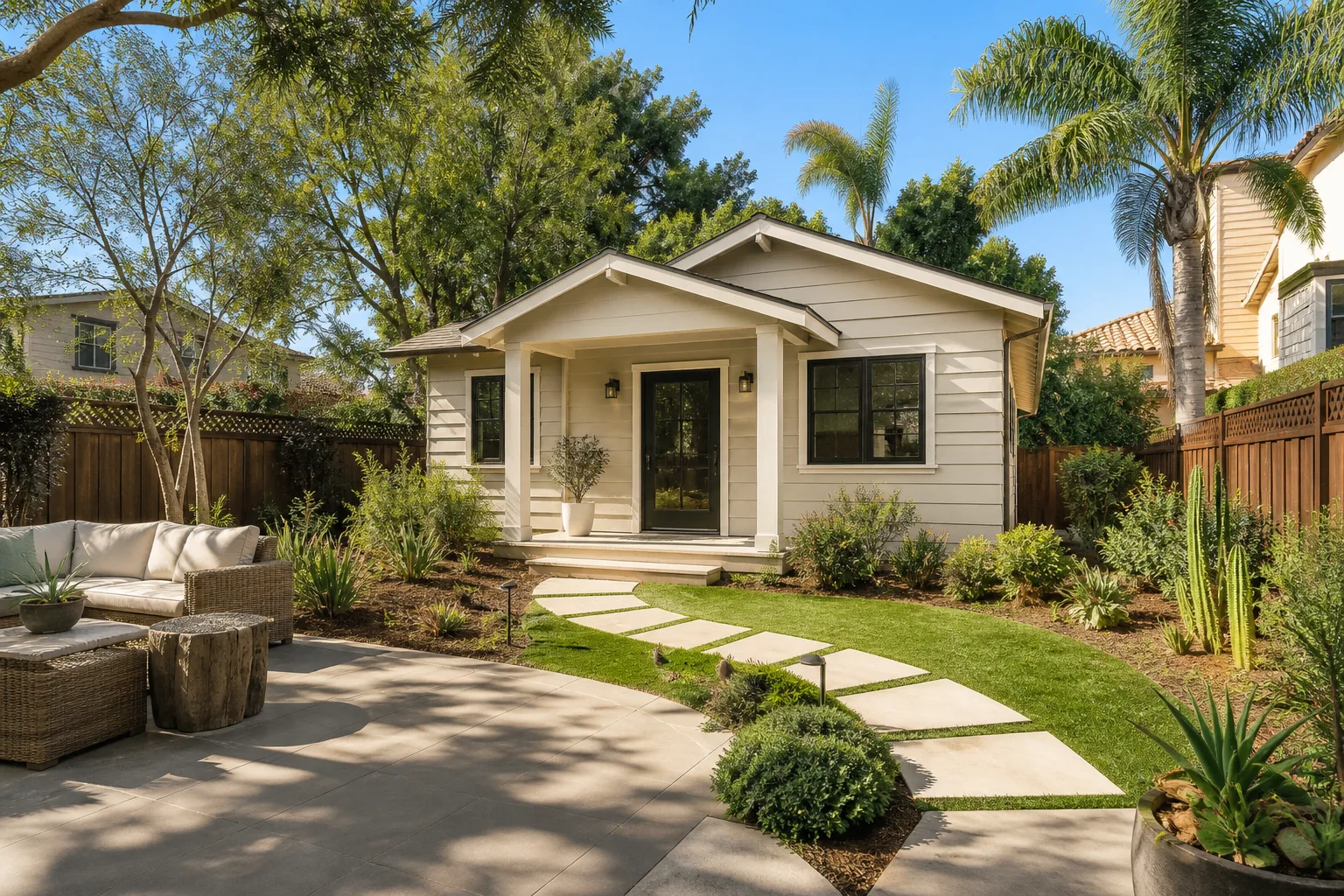
An ADU (accessory dwelling unit) is a secondary living space on the same lot as the primary home – either attached, detached, or converted from existing space like a garage. Miami-Dade County has moved toward allowing ADUs on eligible single-family lots in unincorporated areas, but “eligible” is doing a lot of work in that sentence. Not every Kendale Lakes parcel qualifies, and the ones that do have conditions.
Here’s the checklist we run through before telling a homeowner their ADU is realistic:
- Confirm zoning district. The parcel must sit in a residential district that permits an ADU under current county code. Some districts allow it by right; others require a special exception or public hearing.
- Verify lot size and dimensions. There’s a minimum lot size and width to support a second dwelling plus required parking and open space. A narrow lot in a dense pocket of Kendale Lakes may not clear it.
- Check setbacks for the ADU structure specifically. Detached ADUs have their own rear and side setback requirements, which can be tighter than the primary home’s. Where you place the unit on the lot often decides whether the project is approvable.
- Calculate lot coverage and impervious surface. The ADU footprint plus driveway, patio, and pool deck all count toward coverage caps. An ADU that pushes you over the impervious limit gets rejected at plan review.
- Confirm utility capacity. The lot needs water and sewer service (or an approved septic plan) that can handle a second dwelling. In older Kendale Lakes subdivisions, this is a frequent snag.
- Review HOA and deed restrictions. Even if the county says yes, a recorded deed restriction or HOA rule can prohibit a second unit. Read your closing documents before you spend a dollar on design.
There’s also the owner-occupancy question. Many ADU ordinances require the property owner to live in either the primary home or the ADU, which rules out using it purely as a rental property. Confirm current county language before you build a rental plan around it. For a deeper look at how we scope these projects, see our Home Additions & ADU in Kendale Lakes page.
Impact Fees, Utilities, and ADU Financial Return
Impact fees are the line item that trips up almost every first-time ADU builder. They’re one-time charges the county collects to cover the cost of added demand on roads, parks, fire, police, and schools. A second dwelling unit triggers them – and in Miami-Dade, impact fees on a new dwelling aren’t trivial.
Budget for these categories:
- County impact fees – assessed per dwelling unit based on type and size. Rates are set by county ordinance and can be updated, so confirm the current schedule at the time you apply.
- Water and sewer connection fees – a new unit needs its own connection or a documented shared-service arrangement. These fees are separate from impact fees and can add a meaningful amount.
- Permit and plan review fees – based on project valuation. Larger additions cost more to review.
- Utility trenching and meter work – running water, sewer, and electrical to a detached ADU involves excavation and a new meter, which is real labor and real money.
Now the return side. In the Kendale Lakes market, a permitted ADU can add rental income and resale value, and the area’s proximity to major employment corridors and the Turnpike keeps rental demand steady. But the math only works if you build a legal, permitted unit. An unpermitted conversion can be discovered at resale, force you to tear it out or pay retroactive fees, and kill a sale. Permitted garages-converted-to-ADUs and detached units hold value because a buyer can finance them and insure them.
The honest calculation: take your all-in cost (construction plus impact fees plus utilities plus design) and compare it to realistic rent over the years you plan to hold. In this market, a well-built detached ADU in the 600- to 800-square-foot range often pencils out as both an income asset and a resale upgrade – but only when it’s permitted and built to code. An unpermitted unit is a liability dressed up as square footage.
Structural Attachment: Room Additions vs. Detached ADUs
The Florida Building Code, 7th Edition governs how a new structure ties into an existing home. This is where a room addition and a detached ADU diverge, and where shortcuts show up years later as cracks, water intrusion, or a failed inspection at resale.
Attached room additions require a positive structural connection to the existing house. That means an engineered connection at the roofline and walls, proper foundation continuity or a designed expansion joint, and careful handling of the transition where the new roof meets the old. In South Florida’s soil and moisture conditions, that transition is where leaks and settling start if it’s done wrong. A common failure: a contractor nails the new roof to the old without an engineer’s detail, and two hurricane seasons later the seam opens.
Detached ADUs are freestanding, so they carry their own foundation, framing, roof, and lateral load path – and they need to hold up to wind as an independent structure. They don’t borrow strength from the main house, which means the wind-load engineering is on the ADU itself.
Both paths share non-negotiables:
- Engineered plans stamped by a Florida-registered engineer or architect – required for wind-load design, and required at plan review.
- Sealed roof-to-wall connections and continuous load paths, not improvised hardware.
- Foundation designed for the local soil and water table – Kendale Lakes sits in a region with a high water table, so over-excavation and proper drainage matter.
- Inspection at each stage – foundation, framing, rough-in, insulation, and final. Skipping an inspection schedule to “save time” is how projects get red-tagged.
We’ve seen more than one mid-construction stop where the homeowner chose an unlicensed builder, the framing didn’t match the stamped plan, and the county halted the job until an engineer re-drew it. The correction cost more than the original savings. From foundation to finish line, structural work is not a place to trim corners.
How HVHZ Wind Requirements Shape Design and Cost
Miami-Dade and Broward sit in the High-Velocity Hurricane Zone, the strictest wind zone in the country. Every window, door, roof covering, and structural connection in a Kendale Lakes addition or ADU must be tested and approved for HVHZ use. There’s no local carve-out for a small addition. This is the single biggest reason national “cost per square foot” figures underestimate a South Florida build.
What HVHZ means in practice:
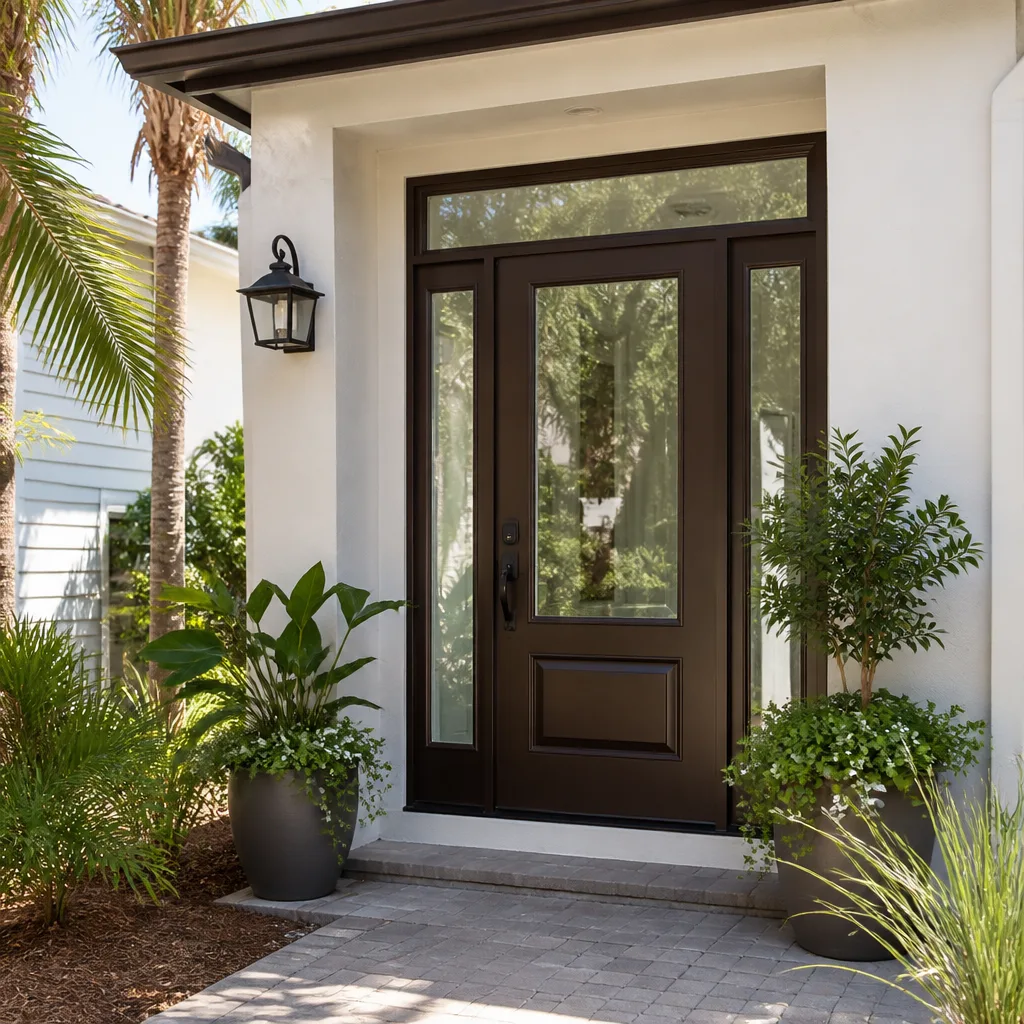
- Impact-rated or approved-protected openings. Windows and doors must carry a Miami-Dade Notice of Acceptance (NOA) or be protected by an approved shutter or panel system. That’s a real cost premium – quality impact units from makers like PGT or CGI carry the ratings you need, and specifying them up front avoids a plan-review rejection.
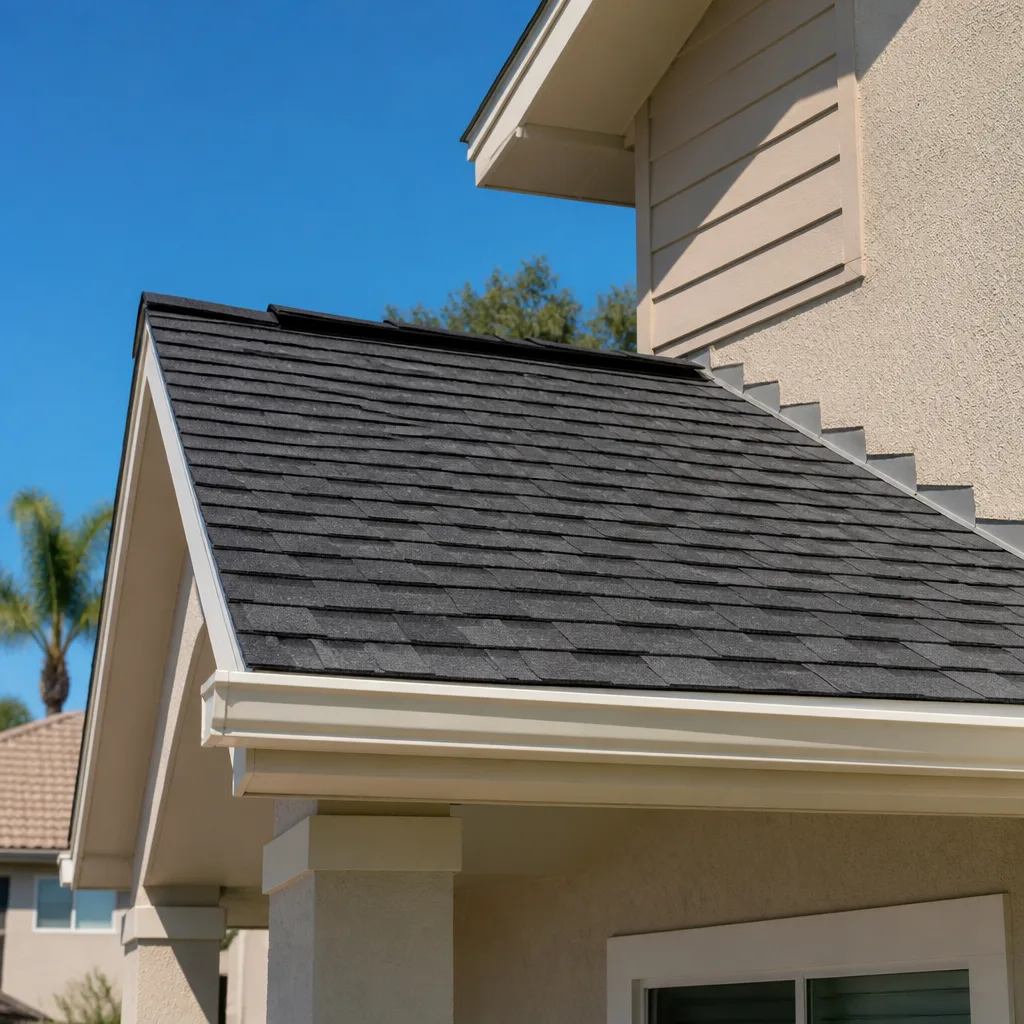
- Roof systems built to a higher standard. Roof coverings, underlayment, and fastening patterns are all specified for HVHZ. A standard shingle assembly that passes in Georgia won’t pass a Miami-Dade inspection without the right rated system.
- Connection details matter more. Straps, ties, and anchors are engineered and inspected. Wind-load design governs how the addition or ADU is anchored to its foundation and how the roof ties down.
- Material choice affects insurance. Some HVHZ-rated materials and construction types earn insurance credits. Choosing rated impact windows and a reinforced roof assembly can lower your homeowner’s premium on the addition.
There’s also the water side. HVHZ design assumes wind-driven rain, so flashing, drainage, and building envelope details must shed water, not just resist pressure. In our experience, the envelope is where cheap work shows itself first. Built to last, backed in writing is how we approach it: specify the rated materials, engineer the connections, and stand behind the result. That’s what a workmanship guarantee should mean.
Real Cost Ranges for Kendale Lakes Additions and ADUs
National cost-per-square-foot figures run low for this market because they don’t account for HVHZ materials, higher local labor rates, impact fees, or the county permitting timeline. Here’s a realistic range for a Kendale Lakes project, based on what we see in the market. Every project is different; these are planning ranges, not quotes.
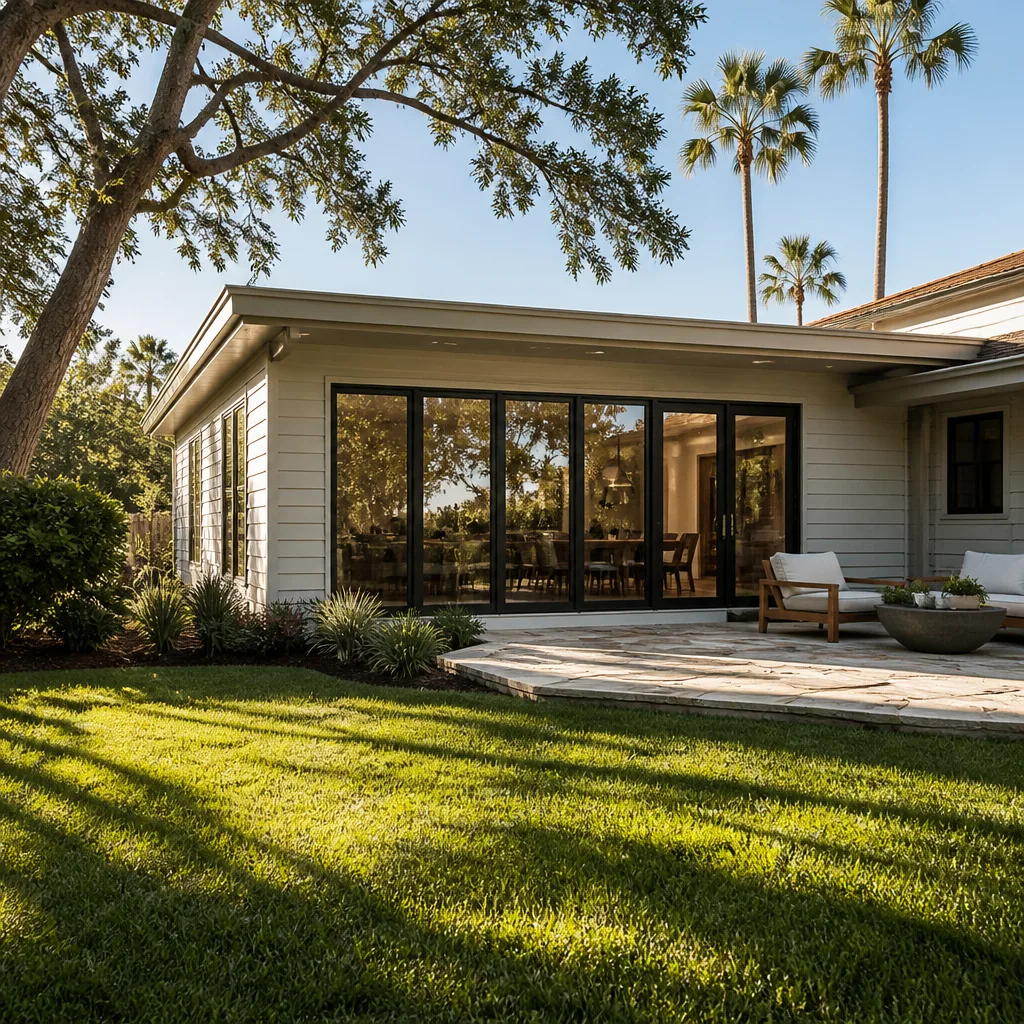
- Attached room addition (e.g., a primary suite or family room), roughly 300 – 600 sq ft: about $180 – $350 per square foot all-in, or roughly $55,000 – $210,000 depending on size and finishes.
- Attached in-law suite with a bathroom and kitchenette, roughly 400 – 700 sq ft: about $200 – $375 per square foot, reflecting added plumbing and electrical.
- Detached ADU (standalone, 500 – 800 sq ft, full kitchen and bath): about $120,000 – $250,000 before impact fees and utility connection work.
- Garage or existing-space ADU conversion: about $60,000 – $130,000, often the most cost-effective path because the shell and foundation already exist.
- Impact fees, water/sewer connection, and utility trenching: a separate line item typically running several thousand to tens of thousands of dollars depending on unit count and service type – confirm current county rates.
- Design, engineering, and permit costs: plans, structural engineering, and county fees; varies with design complexity.
Two cost drivers specific to Kendale Lakes: HVHZ-rated openings and roofing add 15 – 25% over national averages on those line items alone, and the county permitting process can extend the timeline (and there’s carrying cost while it runs). Financing choices matter too – available 0% financing for 18 months and $1,000 off projects over $10,000 can change what’s actually affordable. The important thing is a written, line-item quote with the number you see being the number you pay, so the impact fees and utility work aren’t surprise additions halfway through. For the broader construction picture across the area, our Groundwork Construction Co. of Kendale Lakes home page lays out the full scope of what we build.
The Step-by-Step Build Process
Here’s how a well-run addition or ADU comes together in Kendale Lakes, from first call to final walkthrough. The order matters – skipping a step is how projects stall.
- Feasibility and zoning check. Pull the parcel’s zoning, confirm lot coverage and setbacks, and confirm whether an ADU is permitted. This is before any design work. It’s the step that saves the most money in the long run.
- Design and engineering. Architect or designer drafts the plan; a Florida-registered engineer stamps the wind-load and structural details. HVHZ-rated materials get specified now, not later.
- Permit application and plan review. Submit to Miami-Dade County. Plan review takes time; expect questions and be ready to revise. Utility and impact fee estimates come together here too.
- Impact fees and utility coordination. Pay county impact fees, coordinate water and sewer connections, and schedule meter work. This is the paperwork phase that homeowners underestimate.
- Site work and foundation. Excavation, footings, and foundation, with the first county inspections. In South Florida, drainage and water table management are part of this.
- Framing and structural connection. For an attached addition, the engineered tie-in to the existing structure is inspected here. For a detached ADU, the full structural frame goes up.
- Roofing, openings, and envelope. HVHZ-rated roof assembly and impact windows/doors installed to the approved plan. This is where the building becomes weather-tight.
- Rough-in trades and insulation. Electrical, plumbing, and HVAC rough-in, then insulation, each inspected before the walls close.
- Finishes and final inspections. Drywall, paint, flooring, fixtures, cabinetry. Final inspection, then the walkthrough.
- Walkthrough and handoff. Punch list cleared, warranties and documentation delivered. The 730-Day Done Right Promise covers workmanship for well beyond a season or two.
Throughout, communication is the thing that keeps a build on track. When we scope a project, the plan is to answer the phone when a question comes up, not three days later.
Common Mistakes to Avoid
We’ve seen these derail projects in and around Kendale Lakes. Each one is avoidable with a little due diligence up front.
- Assuming city rules apply. A homeowner who reads a guide written for Sweetwater or Fontainebleau follows the wrong setback and ADU rules. Kendale Lakes is unincorporated, so confirm Miami-Dade County code and your specific zoning district before designing anything.
- Ignoring HOA and deed restrictions. The county can approve your ADU and your HOA can still forbid it. Read the closing documents before you spend money on design.
- Skipping the impact fee math. Homeowners budget for construction and forget the county impact fees and utility connection costs, then face a much bigger number than expected. Build those into the plan from day one.
- Hiring an unlicensed builder for structural work. A cheap bid that skips the engineer and the permit leads to red-tagged framing and a re-draw. Licensed, insured, and permitted is the only path that survives an inspection and a resale.
- Specifying non-HVHZ materials. Standard windows or roofing that pass in other states fail a Miami-Dade inspection. Every opening and roof covering needs the rated product.
- Underestimating the permitting timeline. County plan review plus utility coordination can stretch the calendar, and the delay carries cost. Plan for it rather than fighting it.
- Building an unpermitted conversion. A converted garage may work fine until a buyer’s lender or an inspector looks. Unpermitted work gets discovered and can cost more to fix than it saved.
When to Call a Professional
Some work on an existing home is a weekend task. Adding square footage or an ADU is not. Call a professional when any of the following is true: the project touches the structural frame, the roofline, or the foundation; it requires a county permit and plan review; it involves the High-Velocity Hurricane Zone rated openings or roofing; or you’re facing the impact fee and utility connection process and want it done right the first time. Those aren’t meant to be handled with a friend’s truck and a weekend. An addition or ADU that has to pass Miami-Dade County inspection and hold up to hurricane winds needs an engineer’s stamped plans, licensed trades, and a real inspection schedule. Groundwork Construction Co. of Kendale Lakes offers free estimates in Kendale Lakes – call (844) 834-8961, and a live person answers around the clock.
Frequently Asked Questions
A room addition in Kendale Lakes typically runs about $180 to $350 per square foot, while a detached ADU usually falls in the $120,000 to $250,000 range before impact fees and utility connections. Garage or existing-space conversions often land between $60,000 and $130,000 because the shell already exists. Impact fees, water and sewer connections, and HVHZ-rated materials are separate cost drivers. Call (844) 834-8961 for an exact quote – estimates are free.
Possibly, if your parcel is zoned for it under current Miami-Dade County code and meets the lot size, setback, coverage, and utility requirements. Because Kendale Lakes is unincorporated, county rules apply rather than a city ordinance, and HOA or deed restrictions can add further limits. A zoning check is the first step before any design work, and it’s the only reliable way to know. Call (844) 834-8961 and we’ll help you confirm eligibility before you invest in plans.
Yes. Any addition or ADU requires a Miami-Dade County building permit and plan review, and structural work requires engineered, stamped plans for HVHZ wind loads. Building without a permit risks a stop-work order, red-tagged work, and problems at resale. We pull the permits and coordinate inspections as part of every project. Call (844) 834-8961 to talk through the permit path for your project.
Impact fees are one-time county charges that cover the added demand a new dwelling places on roads, parks, public safety, and schools. They’re assessed per dwelling unit and added to construction cost, separate from water and sewer connection fees. Rates are set by county ordinance and can change, so confirm the current schedule before you budget. Call (844) 834-8961 for a free estimate that accounts for them.
A room addition often takes several months from design to final inspection, and a detached ADU can take longer because of utility work and the independent structure. The county permitting and plan review stage is a real portion of that timeline and varies with project complexity and county workload. A realistic schedule accounts for permitting, not just construction. Call (844) 834-8961 to get a project-specific timeline with your free estimate.
Kendale Lakes sits in the High-Velocity Hurricane Zone, the strictest wind zone in the country, so every window, door, roof covering, and structural connection must be tested and rated for HVHZ use. That adds 15 – 25% over national averages on those line items and requires engineered wind-load design. The payoff is a structure that meets insurance and code requirements and holds up. Call (844) 834-8961 and we’ll walk you through the ratings your project needs.
The Bottom Line
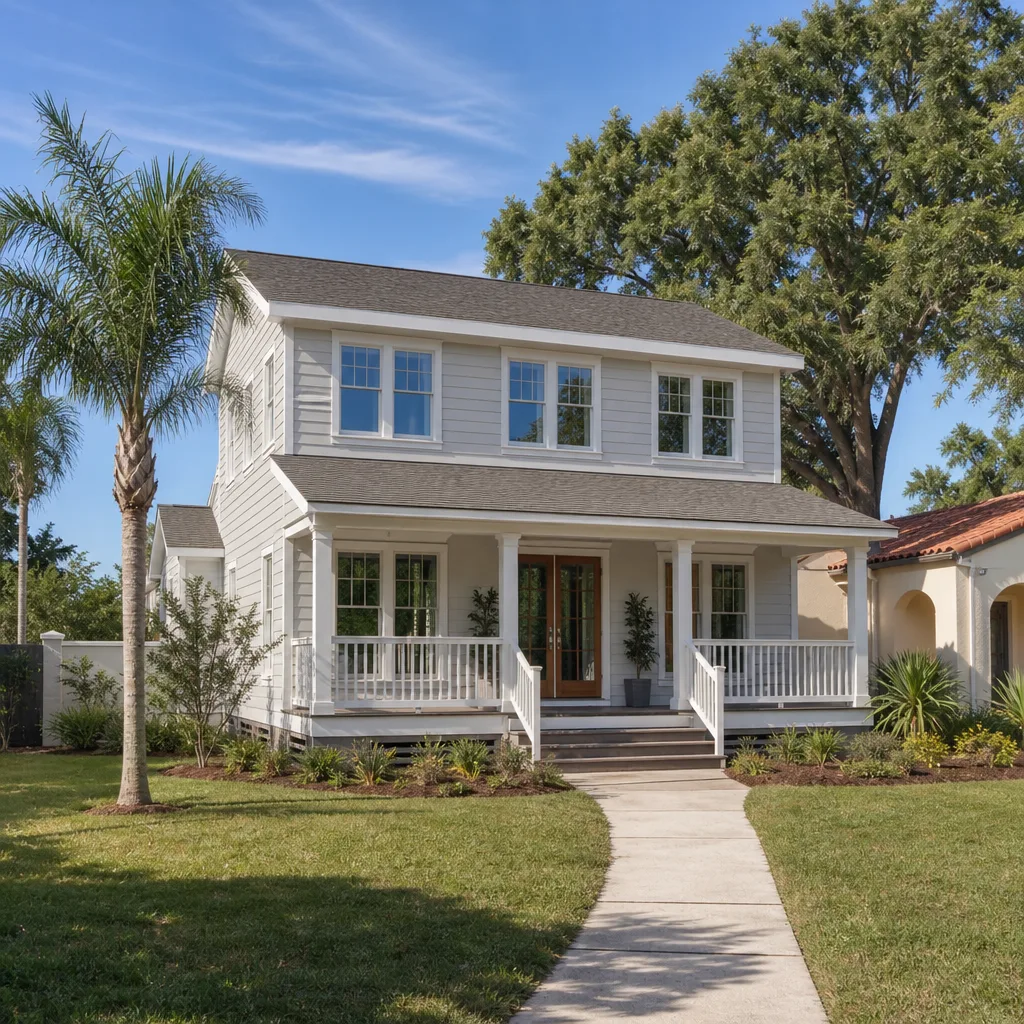
Adding square footage or an ADU in Kendale Lakes is a zoning and asset decision as much as a construction one. Confirm your parcel’s zoning and ADU eligibility with the county before designing; budget for impact fees, utility connections, and HVHZ-rated materials that national cost figures leave out; expect $180 – $350 per square foot for additions and $120,000 – $250,000 for a detached ADU; and build permitted, engineered, and inspected. Choose a builder who pulls the permits, answers the phone, and backs the work with a real guarantee. That’s how a Kendale Lakes addition becomes a permanent upgrade instead of an expensive lesson.
Groundwork Construction Co. of Kendale Lakes brings years of hands-on trade experience to every project, with a 730-Day Done Right Promise, upfront pricing, and a live person answering the phone around the clock. When your project also touches the driveway and outdoor space, our Driveway & Pavers in Kendale Lakes work pairs well with an addition, and if you’re fencing a new ADU yard, our Fence Installation in Kendale Lakes service covers that too. To plan your addition or ADU – or anything from foundation to finish line – call (844) 834-8961 for a free estimate and design consult. The number you see is the number you pay, and we’re here when you’re ready.
Written by the team at Groundwork Construction Co. of Kendale Lakes.
See the difference
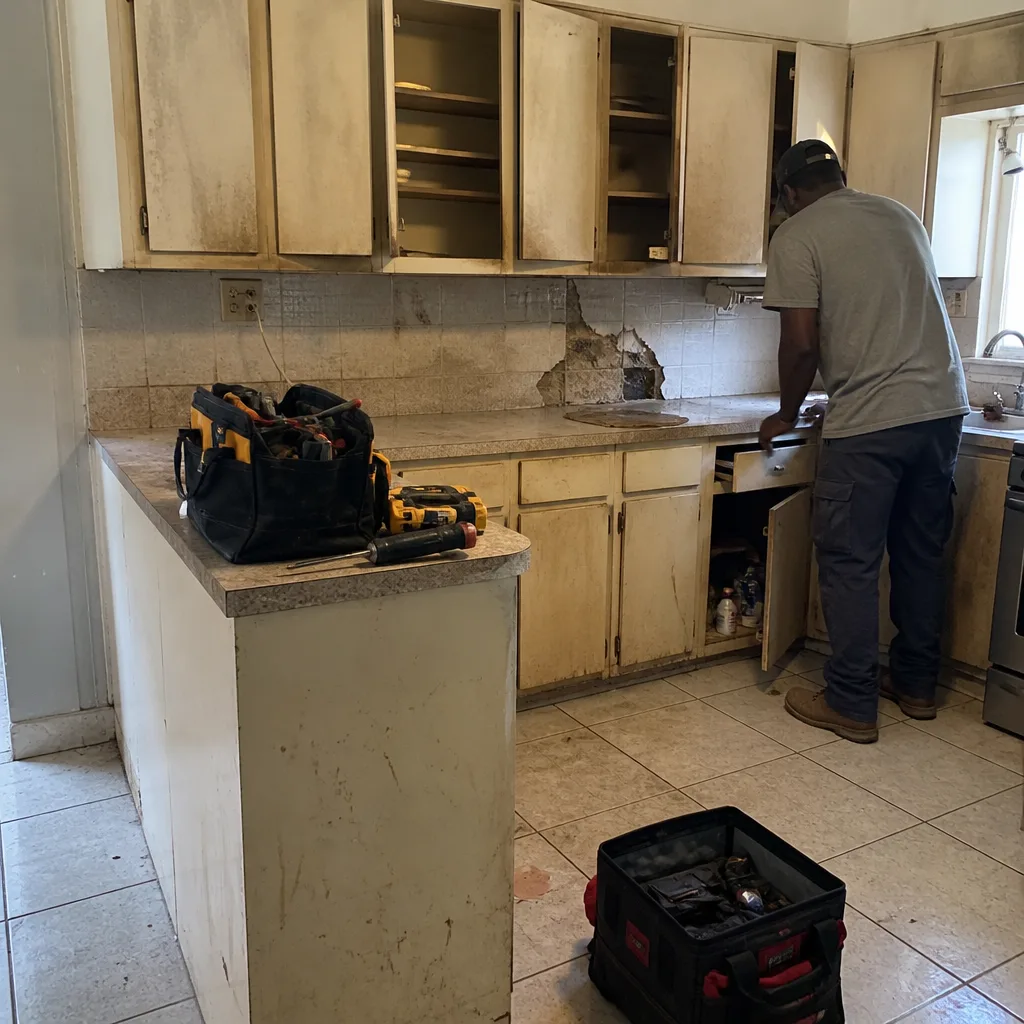 Before
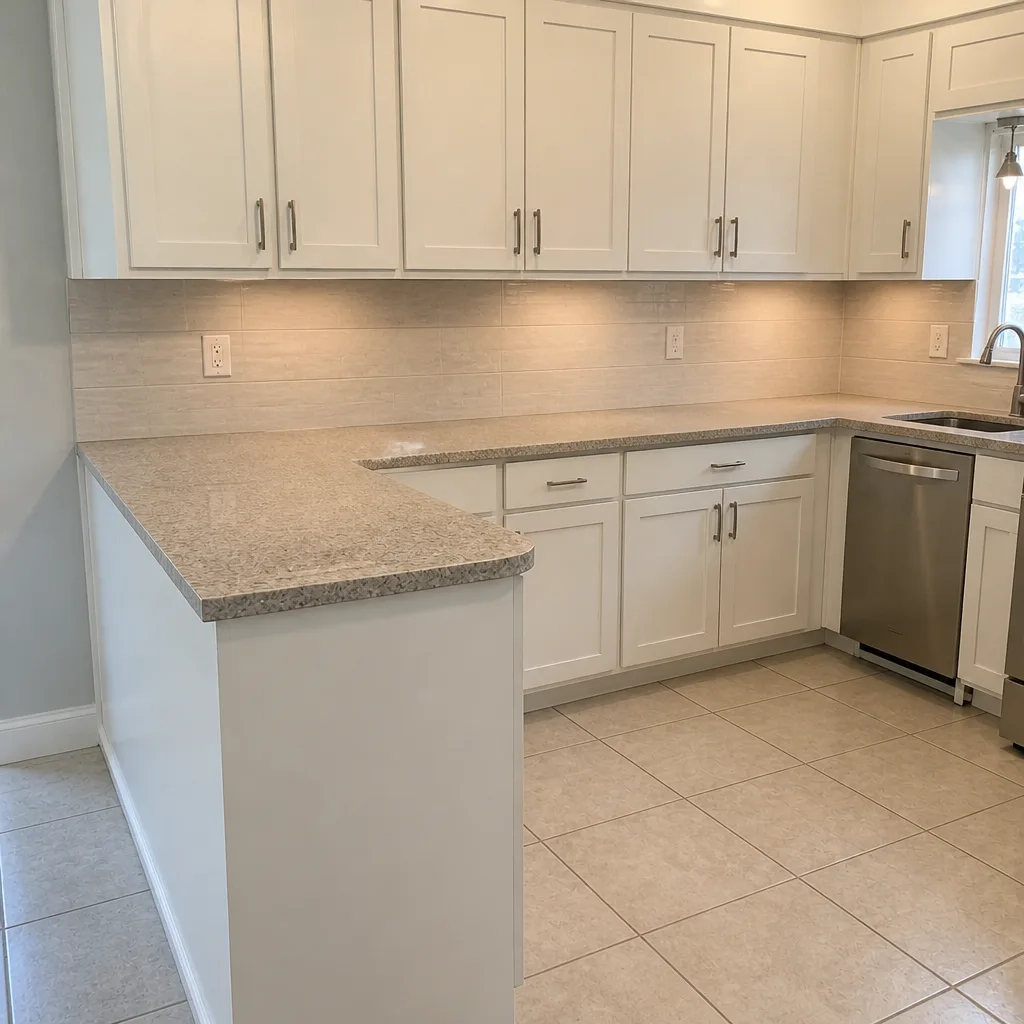 After
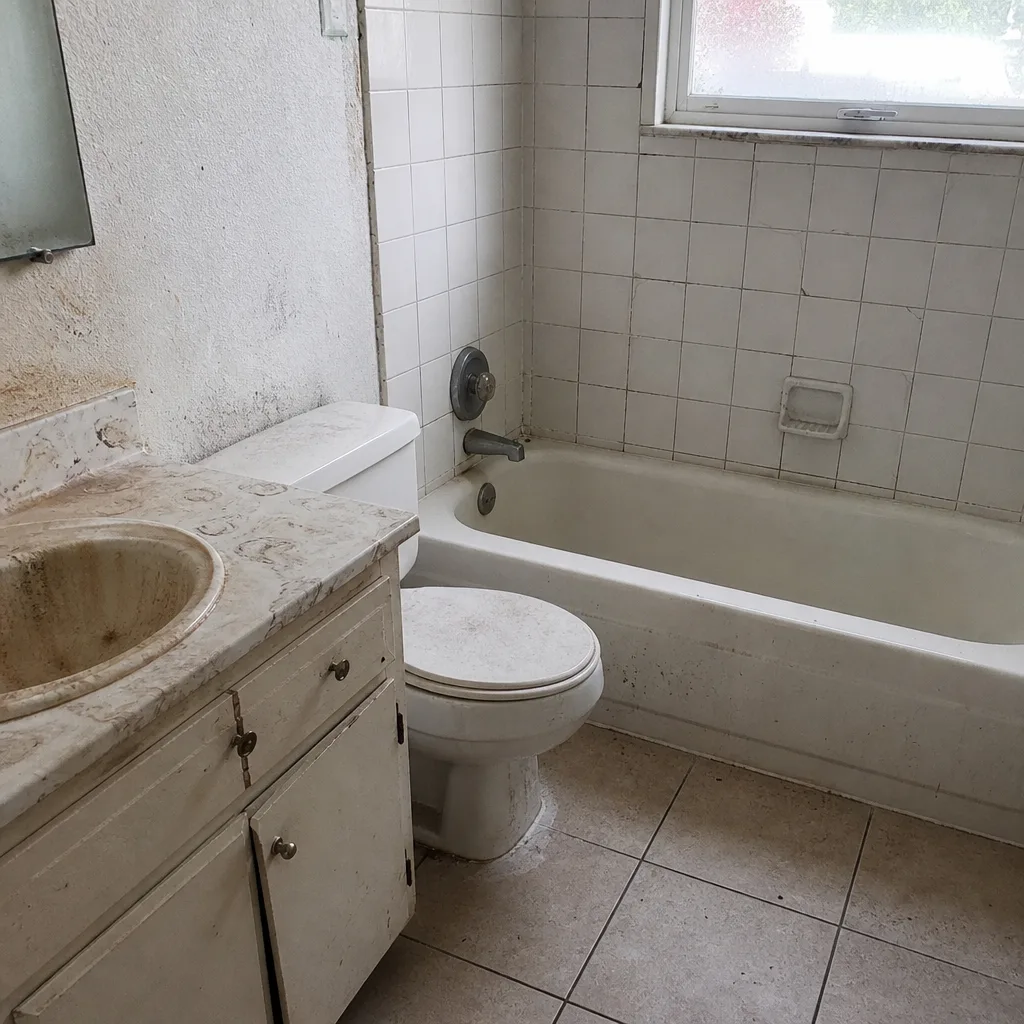 Before
 After
 Before
 After