


Free written scope consultation - allowances, timeline, and change-order rules on paper before a single trade is scheduled
Styles & brands we work with
- Kitchen remodeling
- Bathroom remodeling
- Home additions & ADU
- Roofing
- Windows & doors
- Driveway & pavers
- Fence
See the difference
 Before
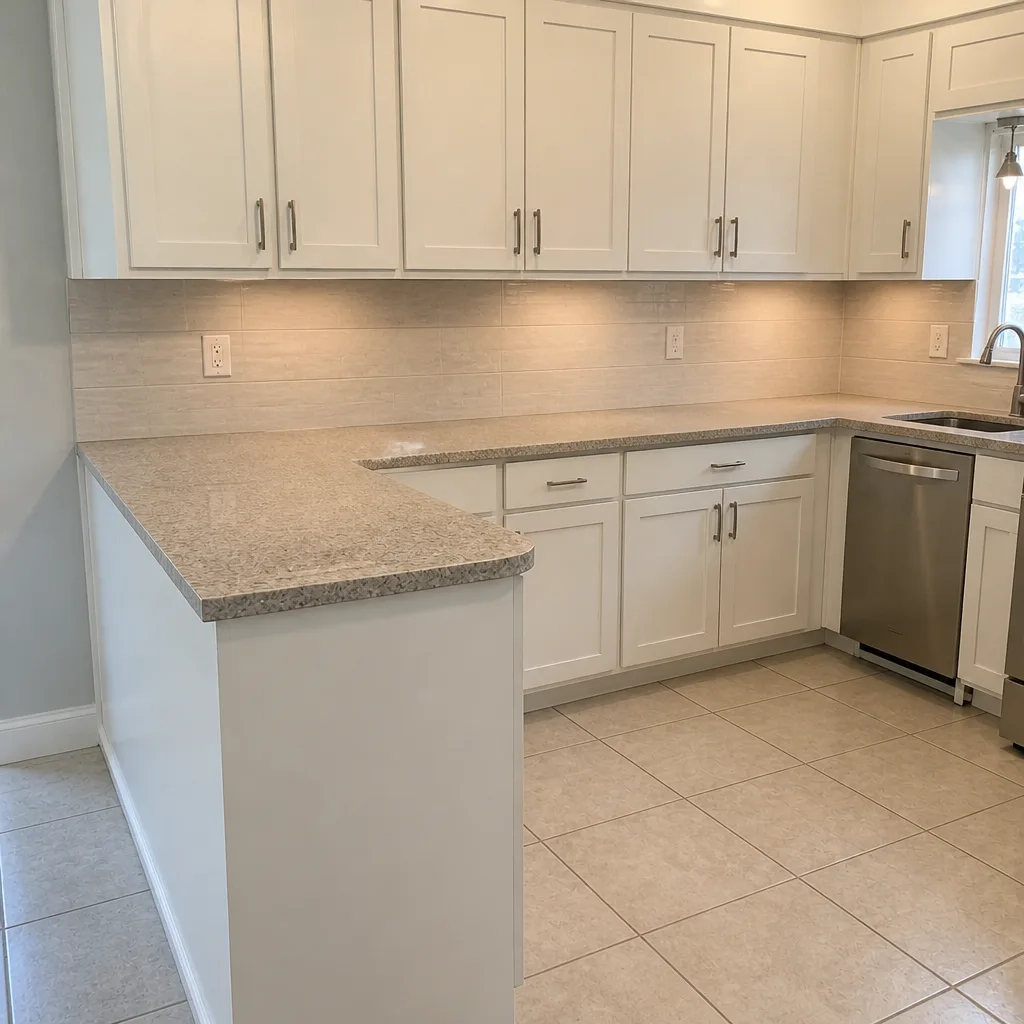 After
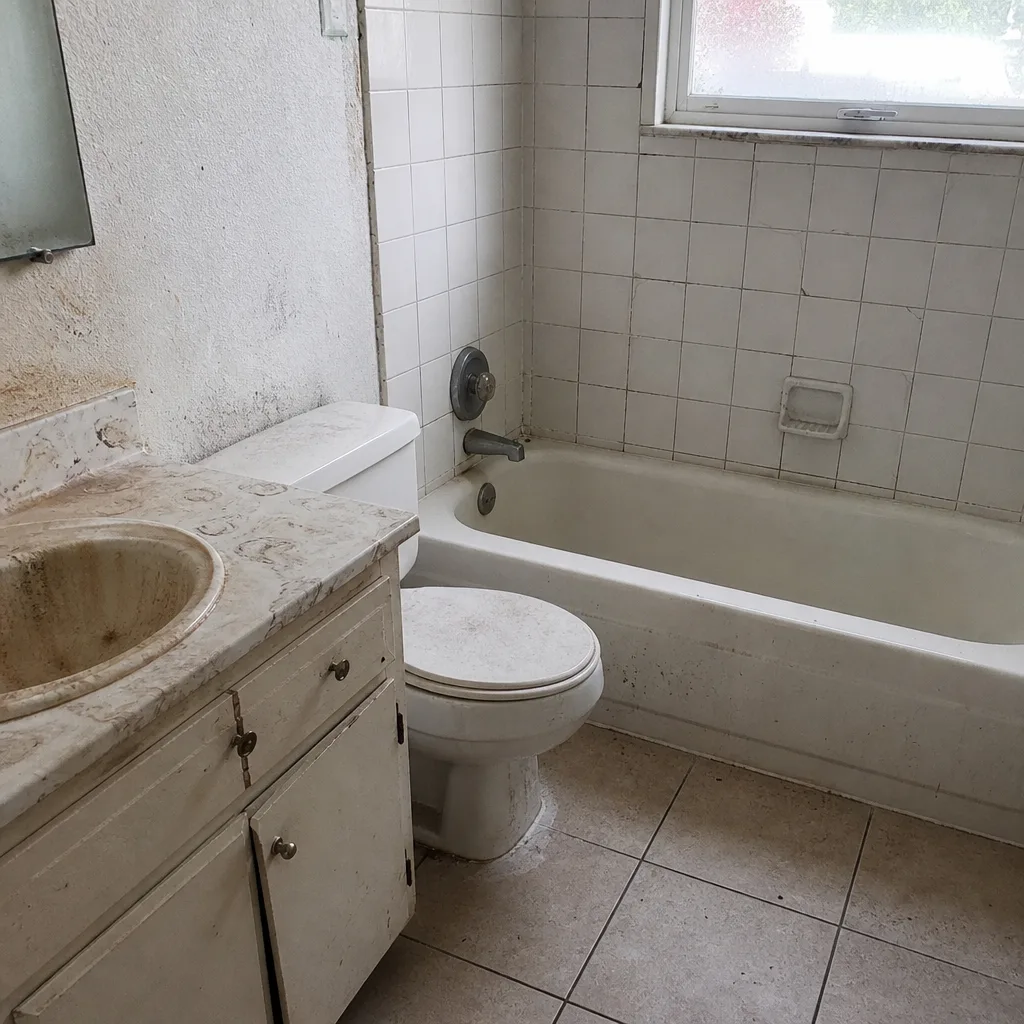 Before
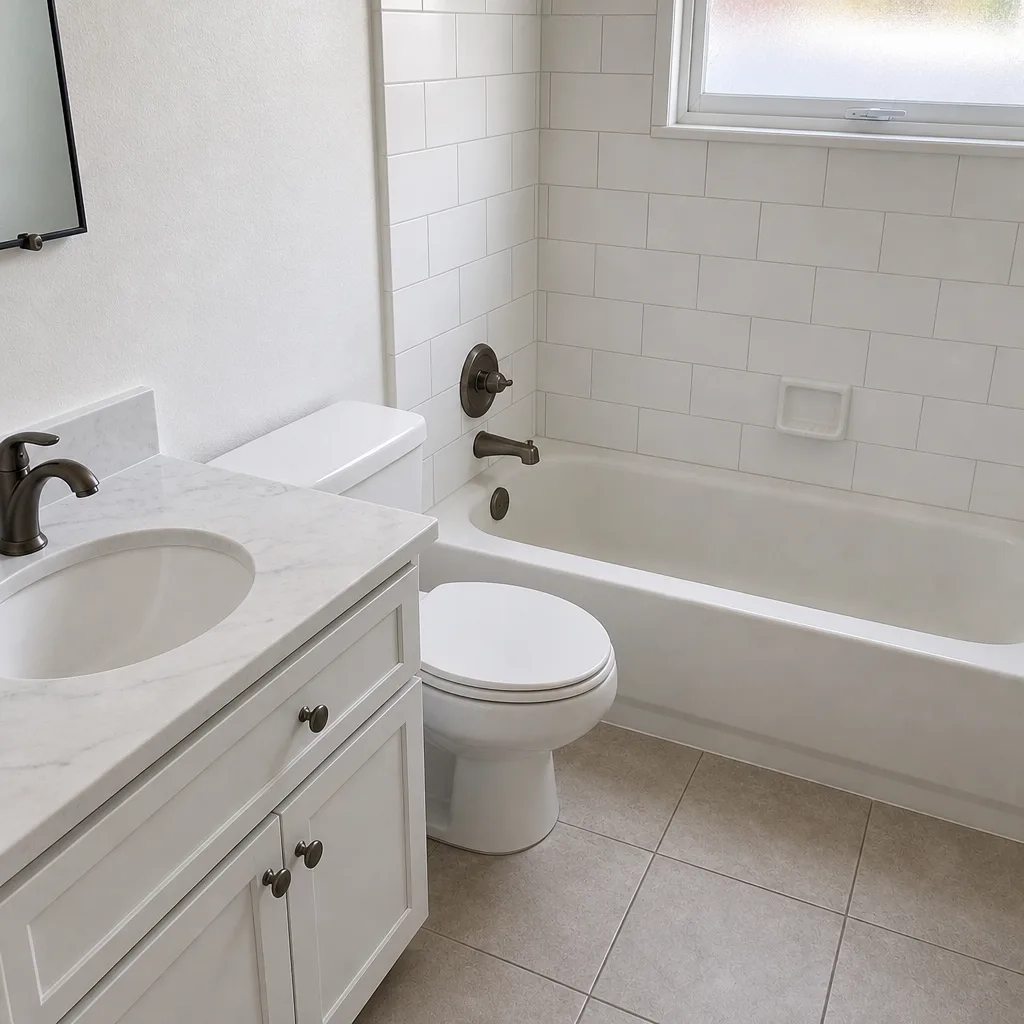 After
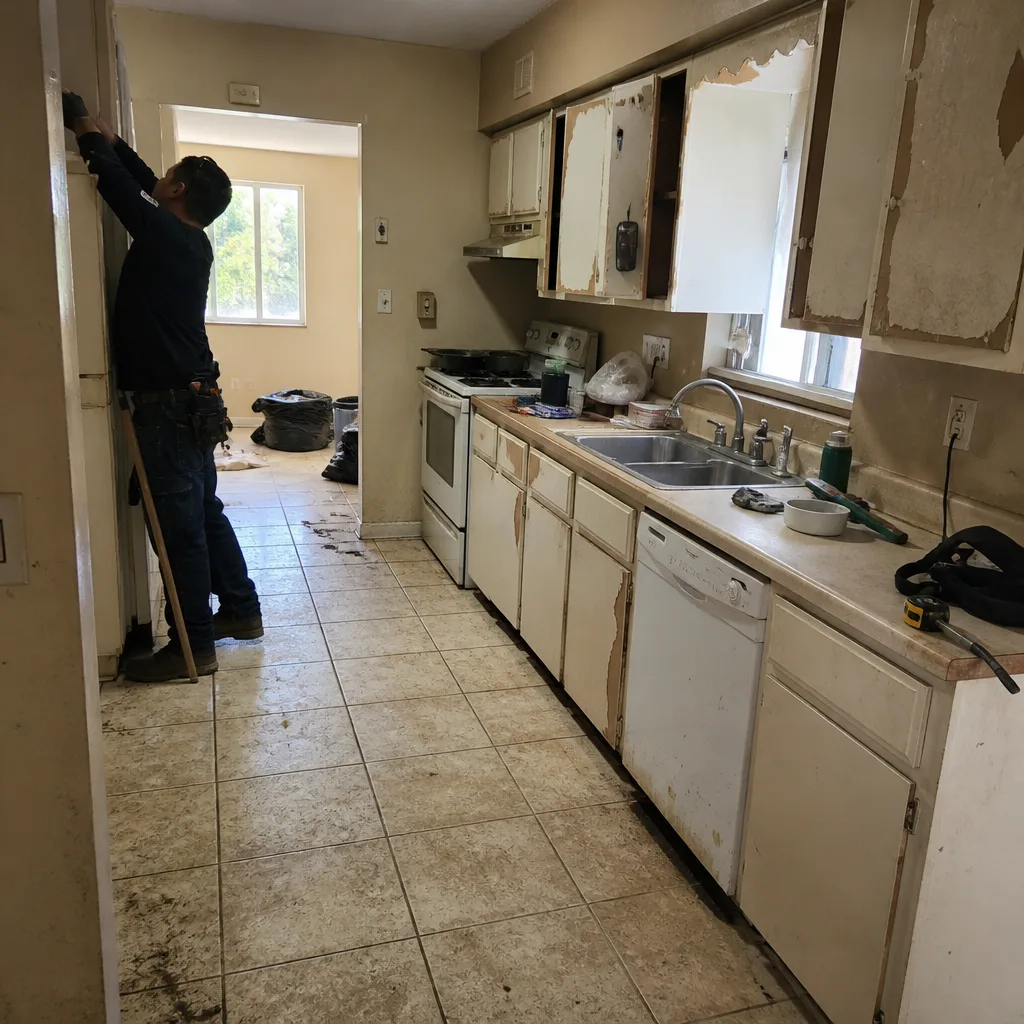 Before
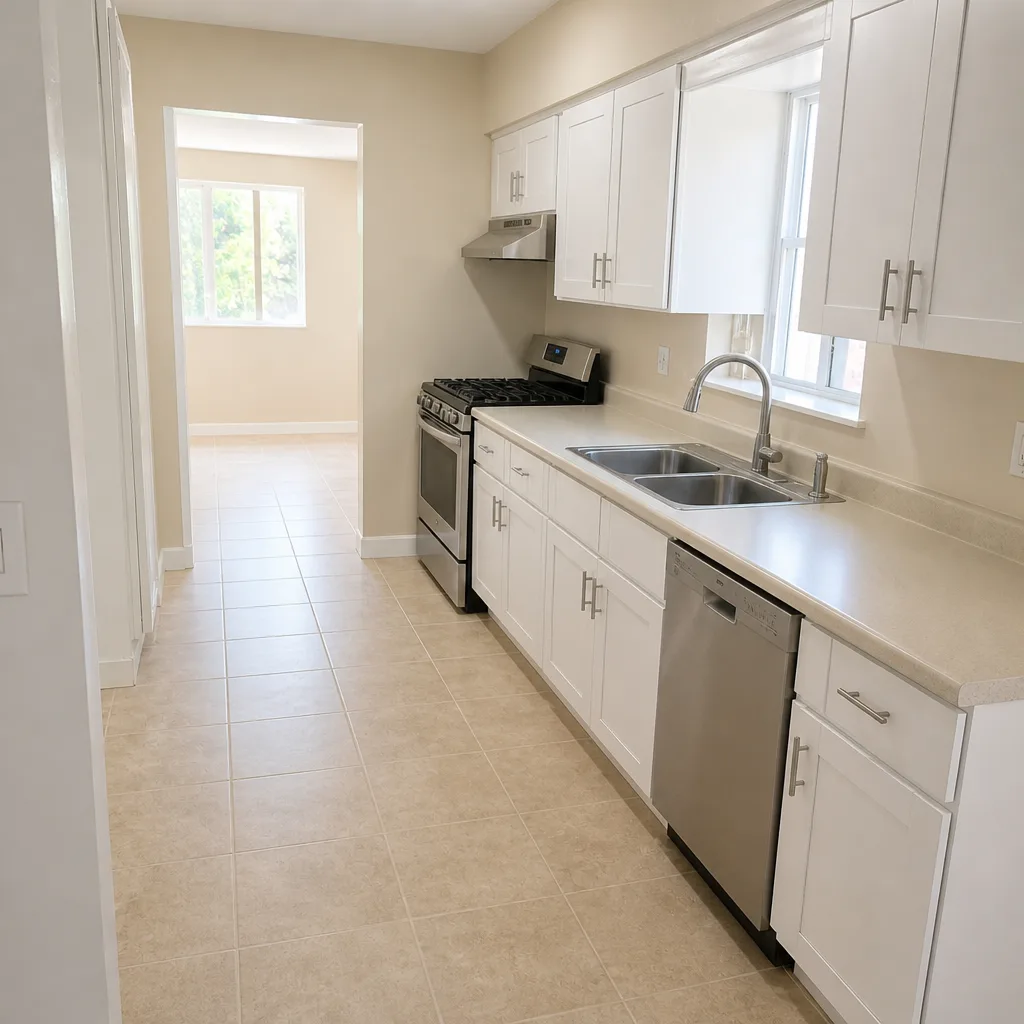 After
How to Find a Roof Leak in Kendale Lakes, FL: Look Sideways, Not Straight Up
The water dripping from your ceiling almost never entered the roof directly above it. On a Kendale Lakes CBS home, wind-driven rain gets in at an edge, a parapet joint, or a stucco crack and then travels 6, 10, sometimes 15 feet sideways through the wall or underlayment before it finds a place to drop. The short answer for how to find a roof leak here is to stop searching the ceiling and start inspecting the roof’s perimeter and wall-to-roof transitions from the ground.
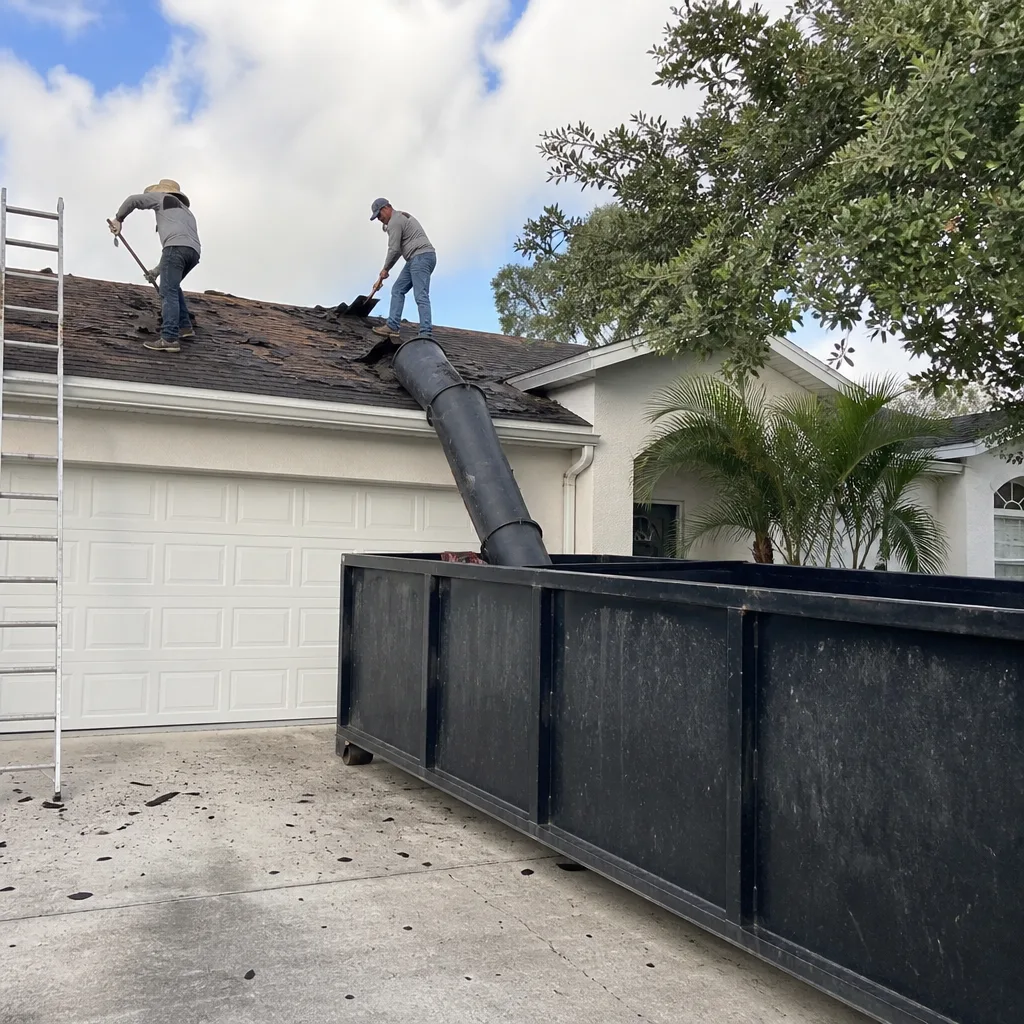
That single fact explains why so many leaks in this part of unincorporated Miami-Dade get misdiagnosed. Kendale Lakes was built out through the 1970s and ’80s, and nearly every home is concrete block with stucco, a flat or low-pitch roof, and full build-out lots. There’s no new construction to lean on here, just aging shells that were framed at the transition from pre- to post-Andrew code. When a homeowner calls Groundwork Construction Co. of Kendale Lakes at (844) 834-8961 mid-storm, a live person answers and can start narrowing it down right away.
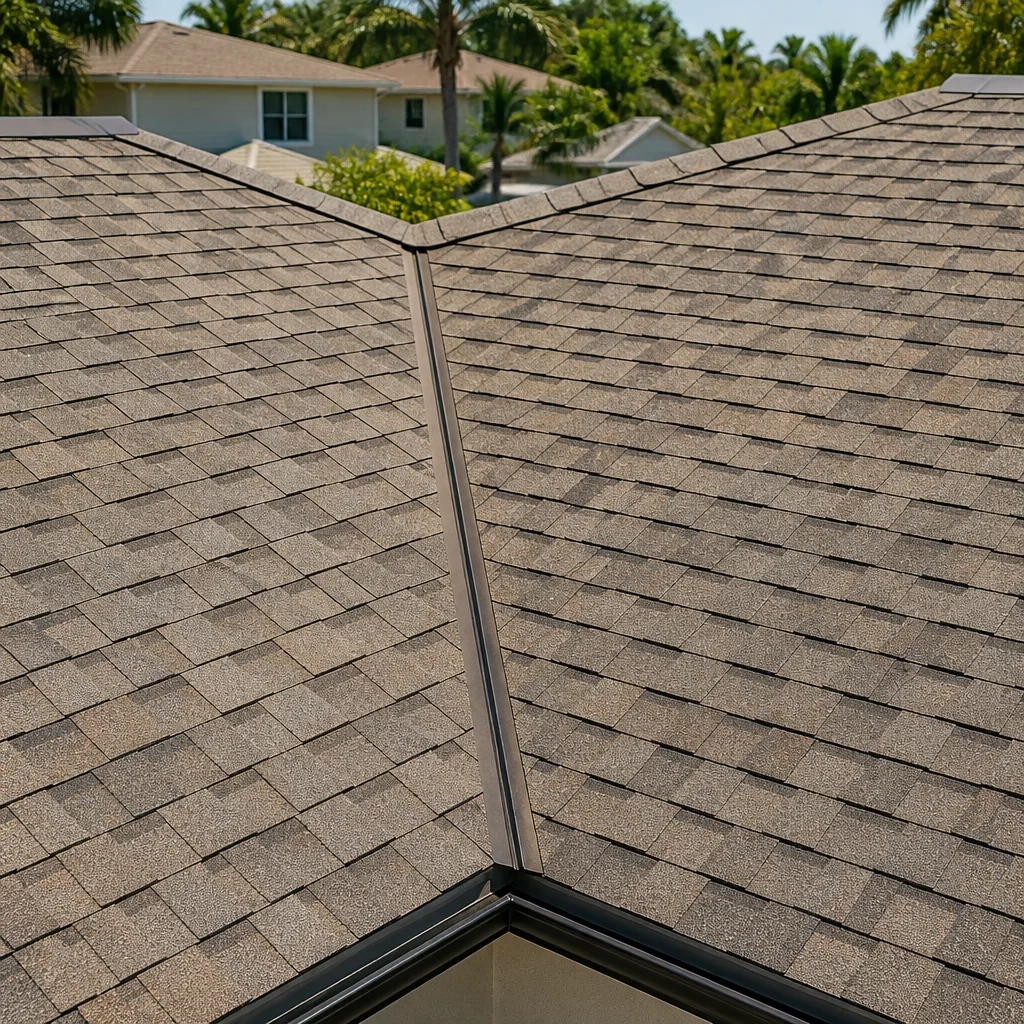
Why “Look Directly Above the Stain” Fails on a Kendale Lakes Roof
The attic-flashlight method assumes water falls straight down. On a pitched shingle roof with open attic space, that’s roughly true. On the flat and low-pitch roofs that dominate this subdivision, it isn’t.
Three things redirect water here. Concrete block walls wick and channel moisture laterally. Flat roof planes hold standing water until it finds a seam. And parapet walls, the low perimeter walls that ring most of these roofs, create joints where flashing meets masonry, and that’s where wind-driven rain pushes hardest. Stack those together and the drip point becomes a red herring. You can patch ceiling drywall perfectly and watch it come back after the next summer squall because the actual entry was never touched.
Where Water Actually Gets In on Kendale Lakes Homes
After a storm, the entry point is usually one of a handful of places, and they aren’t the field tiles or shingles most homeowners check first.
- Counter-flashing at the parapet joint. This is the number one culprit on flat and low-pitch roofs with parapet walls. The joint where flashing meets the CBS parapet is where water most commonly enters, not the open roof field. Inspect the parapet cap first after any storm.
- Stucco hairline cracks at the roofline. On aging CBS homes, small cracks at the wall-roof transition let wind-driven rain at HVHZ velocities get injected into the wall cavity. That shows up as an interior wall stain, not a ceiling stain, and it’s routinely misdiagnosed as a window leak.
- Lifted or displaced roof tiles. Wind gets under a lifted tile, peels back, and exposes the underlayment beneath. Once that underlayment is compromised, water has a straight path in.
- Missing or cracked ridge mortar. Deteriorated mortar along the ridge line opens a gap that’s easy to miss from the ground but obvious through binoculars.
- Parapet cap displacement. A shifted cap lets water pool and push into the joint below it.
None of these require a ladder to spot. More on that next.
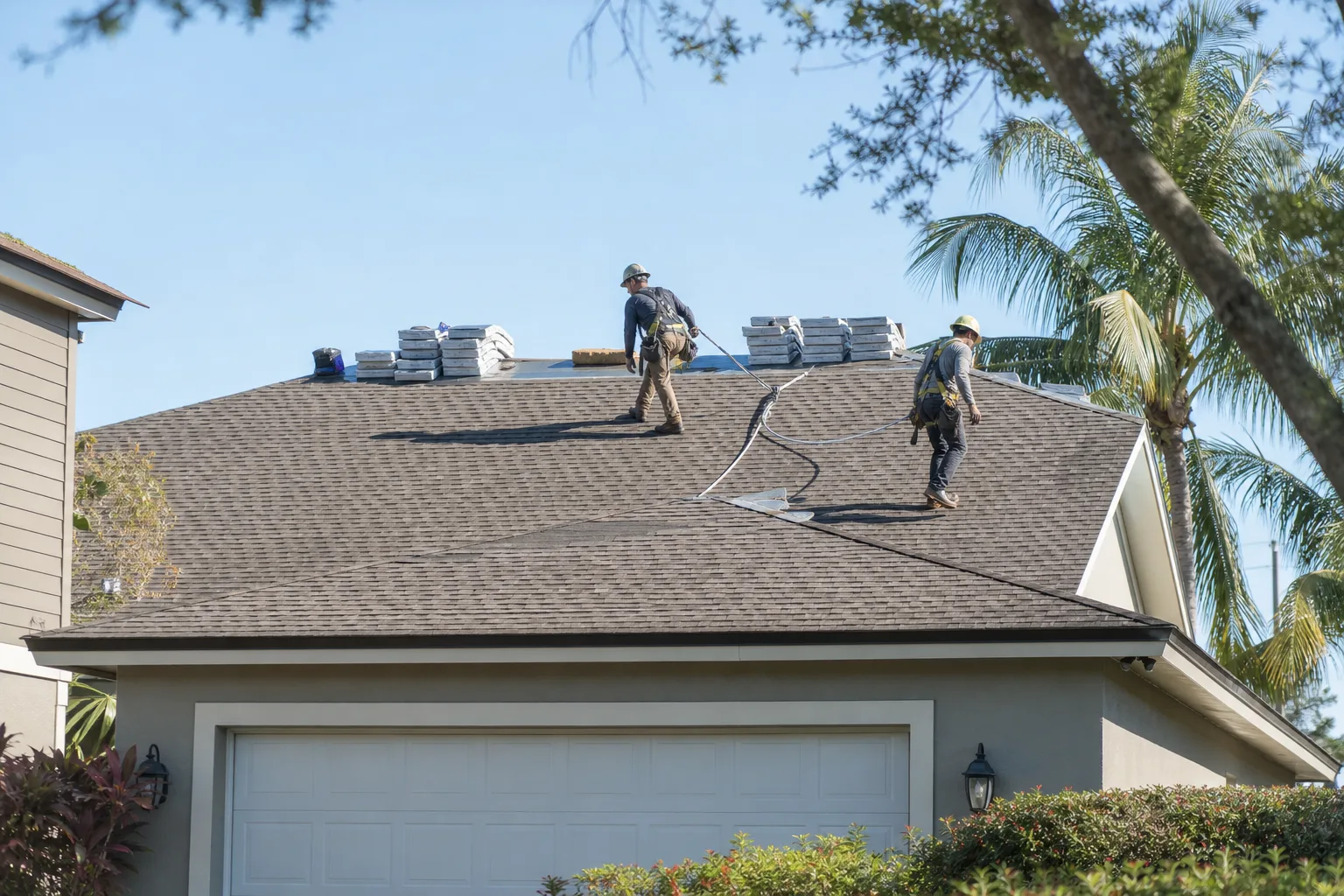
The Ground-Level Inspection Protocol (Do This Before Anyone Climbs Up)
You can diagnose a lot of leaks without ever getting on a wet roof, and you should. A wet roof in South Florida is slippery, and the aftermath of a storm is the worst possible time to walk one.
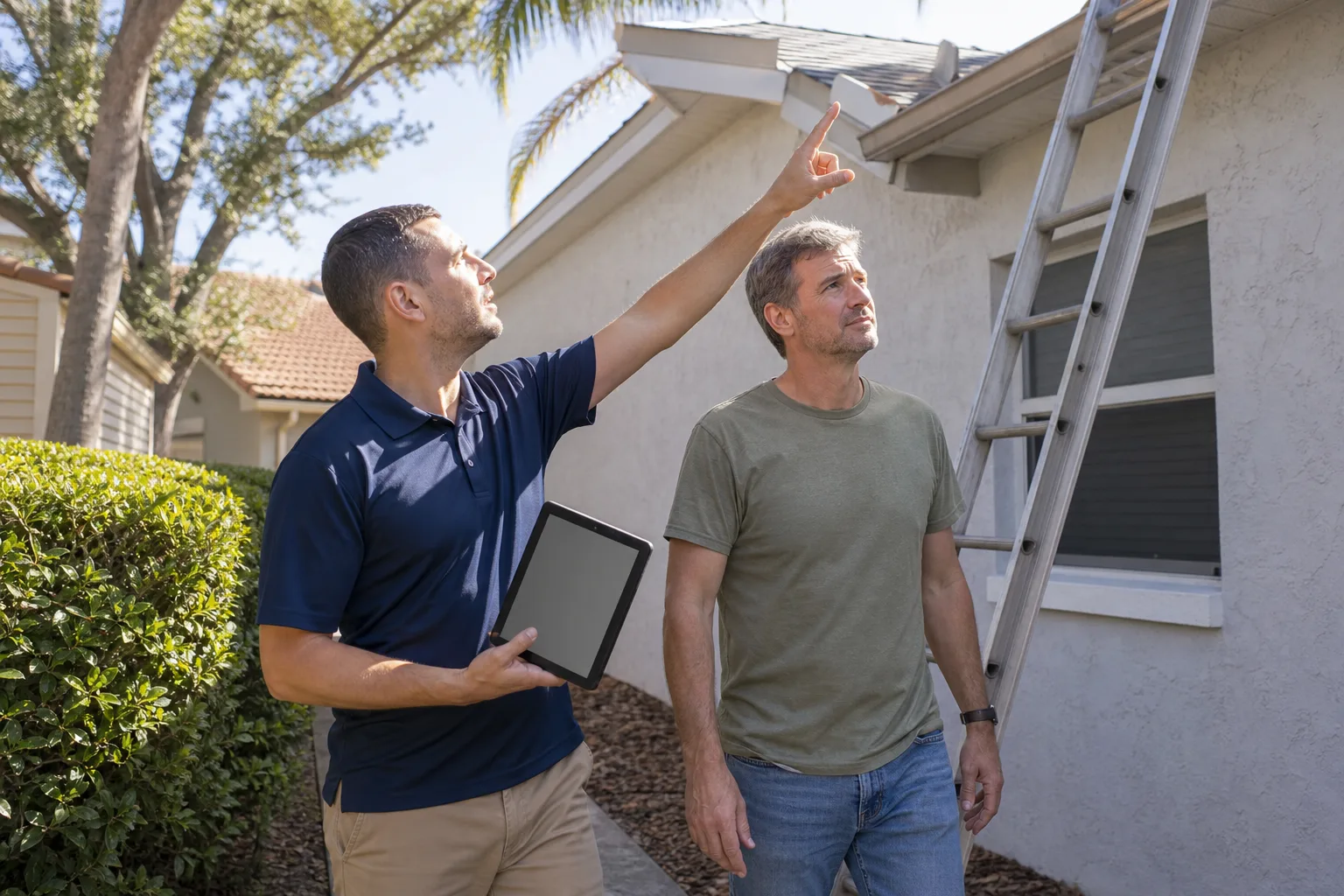
Grab a pair of binoculars and walk the perimeter of the house, starting from the lowest roof section and working your way around. Look for lifted tiles, exposed or wrinkled underlayment, missing ridge mortar, and any parapet cap that’s shifted out of line. Check the stucco at the roofline for hairline cracks. Note anything that looks recently disturbed.
Do this from the ground, on a dry day if you can manage it. What you’re building is a shortlist of suspect areas, not a final answer. If the leak is active, this list tells you where a trained eye should start.
If you’d rather have someone who does this daily take the look, our Roofing team handles leak diagnosis and repair across the area, and the first conversation is free.
Garden-Hose Soak Testing: The Systematic Way to Confirm the Entry Point
Once you have your shortlist, a controlled soak test beats guesswork. The methodology matters, and it’s the opposite of what most people do.
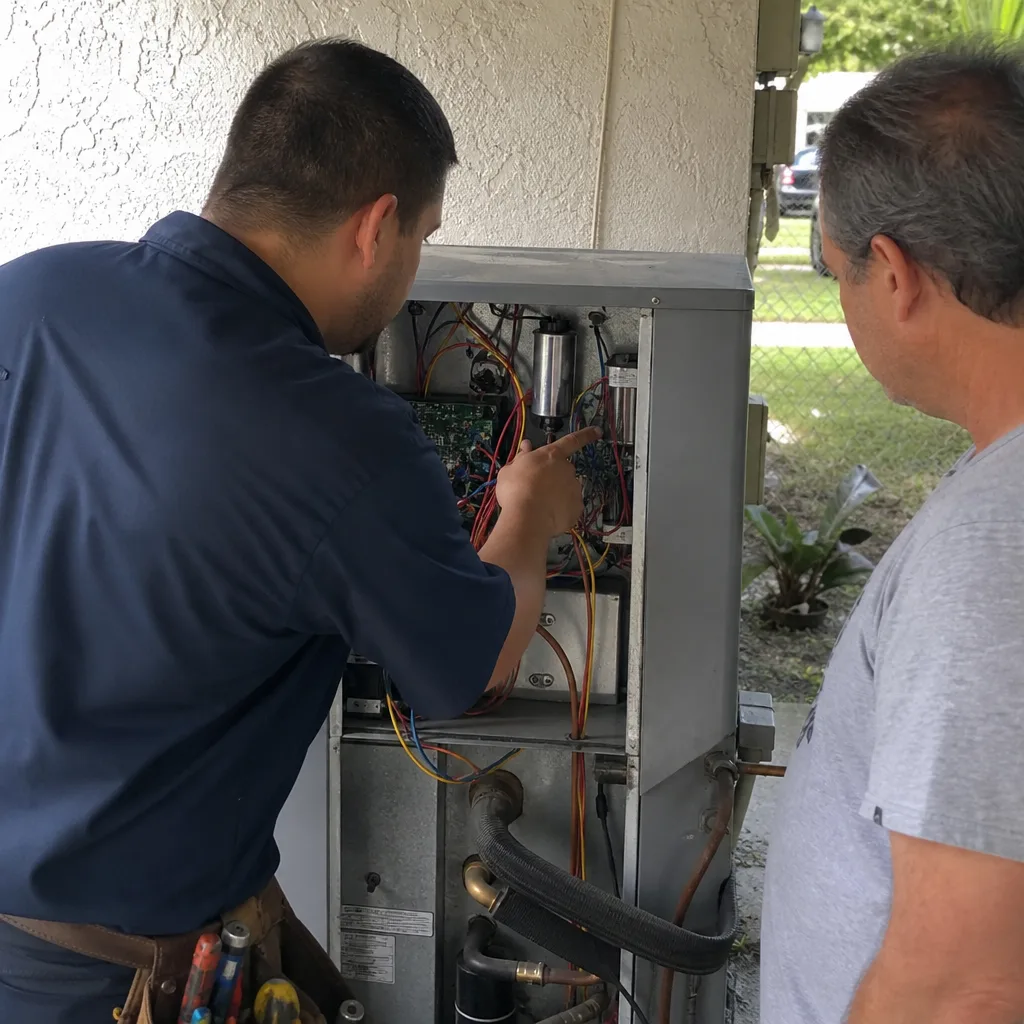
- Start at the lowest roof section and work upward, one zone at a time.
- Soak each zone for 15 minutes. No shortcuts. Water needs time to travel the same lateral path it took during the storm, and that’s exactly the delay that fools people.
- Keep a second person inside watching the ceiling or wall stain while you soak. The moment a drip appears, you’ve found the zone.
- Move up only after a zone stays dry. If zone one shows nothing in 15 minutes, go to zone two, then three.
This works on flat roofs precisely because it moves in the same slow, horizontal way the water does. The “check right above the stain” method assumes a vertical drop that this roof geometry doesn’t produce. Soak testing at 15-minute intervals, bottom to top, follows the actual path.
One safety note, and it’s not a small one: none of this is a substitute for getting on the roof, and getting on a flat or low-pitch roof with a parapet is a fall risk, especially on aged surfaces. If your shortlist points to counter-flashing, tie-in details, or anything that requires pulling up materials, that’s trained-professional territory. Water intrusion at the flashing and wall cavity is also where mold takes hold fast in this climate, so speed matters.
What a Leak Repair Actually Costs in Kendale Lakes
Pricing for leak diagnosis and repair in this market is well-defined, and it’s worth knowing the range before anyone quotes you. Roof repair here typically runs $400-$1,800 depending on the entry point and how much underlayment or flashing needs to be replaced. Tile roof repair specifically lands at $600-$2,500. If the diagnosis turns up widespread decking or underlayment failure, a full Kendale Lakes service area roof replacement range runs $8,000-$20,000, and metal roofing runs $15,000-$40,000.
| Work | Typical Range in Kendale Lakes |
|---|---|
| Roof repair (leak, flashing, localized) | $400-$1,800 |
| Tile roof repair | $600-$2,500 |
| Roof replacement | $8,000-$20,000 |
| Metal roof installation | $15,000-$40,000 |
Two pricing realities worth knowing on this housing stock. First, because Kendale Lakes homes sit at the pre- to post-Andrew code transition, a simple re-roof often surfaces roof-to-wall tie-down and decking upgrades needed to meet current Miami-Dade HVHZ standards. That adds cost others won’t mention until mid-job. Second, HOA architectural review in the planned sections can add approval steps before work begins. Upfront pricing means you see those line items before work starts, not after: the number you see is the number you pay.
When we do re-roofs here, we work with brands like GAF and CertainTeed for the shingle and underlayment systems that hold up under HVHZ wind-loading. Our technicians have up to 12 years of experience, and every job is backed by the 730-Day Done Right Promise. If it’s not done right, we make it right.
Why a Live Call During the Storm Saves More Than a Day
Most of the interior damage from a roof leak happens in the hours after the drip starts, while water spreads into drywall, insulation, and framing. A 24-hour voicemail box is useless in that window. Calls to Groundwork are answered by a live person around the clock, no voicemail, no waiting until Monday, and a trained project advisor can walk you through a preliminary assessment in real time while the storm is still going. That buys you time to get buckets under the drip, protect furniture, and document the damage before it spreads. It doesn’t replace an on-site diagnosis, but it stops a small leak from becoming a remodel.
FAQs
Yes, and it’s the norm on CBS homes in Kendale Lakes. Water enters at a parapet flashing joint, a stucco crack, or exposed underlayment and travels horizontally 6 to 15 feet through the wall cavity or underlayment before it drips inside. Never assume the stain sits directly under the entry; inspect the roof perimeter and wall transitions instead. If you want a trained eye on it, call (844) 834-8961 for a free estimate.
On flat and low-pitch roofs with parapet walls, the counter-flashing joint where the flashing meets the CBS parapet is the most common entry point, not the field tiles or shingles. Check the parapet cap condition first after any storm. Our technicians have up to 12 years of experience tracking exactly this kind of failure.
Roof repair in Kendale Lakes typically costs $400-$1,800, and tile roof repair runs $600-$2,500. The final number depends on the entry point and how much flashing or underlayment needs replacing. Call (844) 834-8961 for an exact quote; estimates are free, and it’s upfront pricing with no surprises.
You can safely find most leaks from the ground using binoculars to check for lifted tiles, exposed underlayment, missing ridge mortar, and parapet cap displacement, then confirm with a garden-hose soak test in 15-minute zones. Anything that requires getting on the roof, pulling up materials, or repairing counter-flashing and wall cavities should go to a trained professional. Call (844) 834-8961 and we’ll tell you straight whether it’s a DIY check or a repair.
Get a Straight Answer on Your Leak
If you’d rather have it looked at, Groundwork Construction Co. of Kendale Lakes offers a no-pressure assessment in Kendale Lakes. Call (844) 834-8961 for a free estimate and design consult, and a real person will pick up. You can also start with a look at our full home services to see how the work is backed.
Written by the team at Groundwork Construction Co. of Kendale Lakes, serving Kendale Lakes, FL.