



Free written scope consultation - allowances, timeline, and change-order rules on paper before a single trade is scheduled
Styles & brands we work with
- Kitchen remodeling
- Bathroom remodeling
- Home additions & ADU
- Roofing
- Windows & doors
- Driveway & pavers
- Fence
See the difference
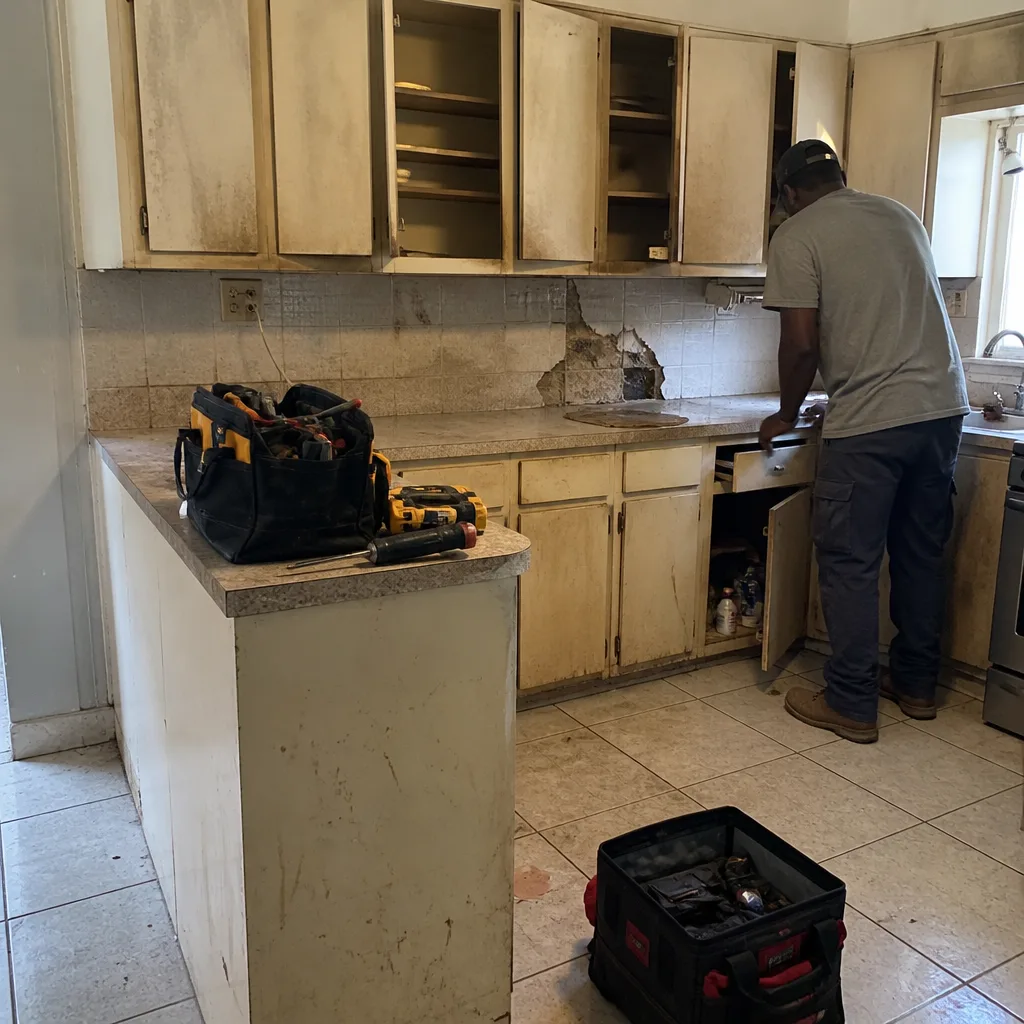 Before
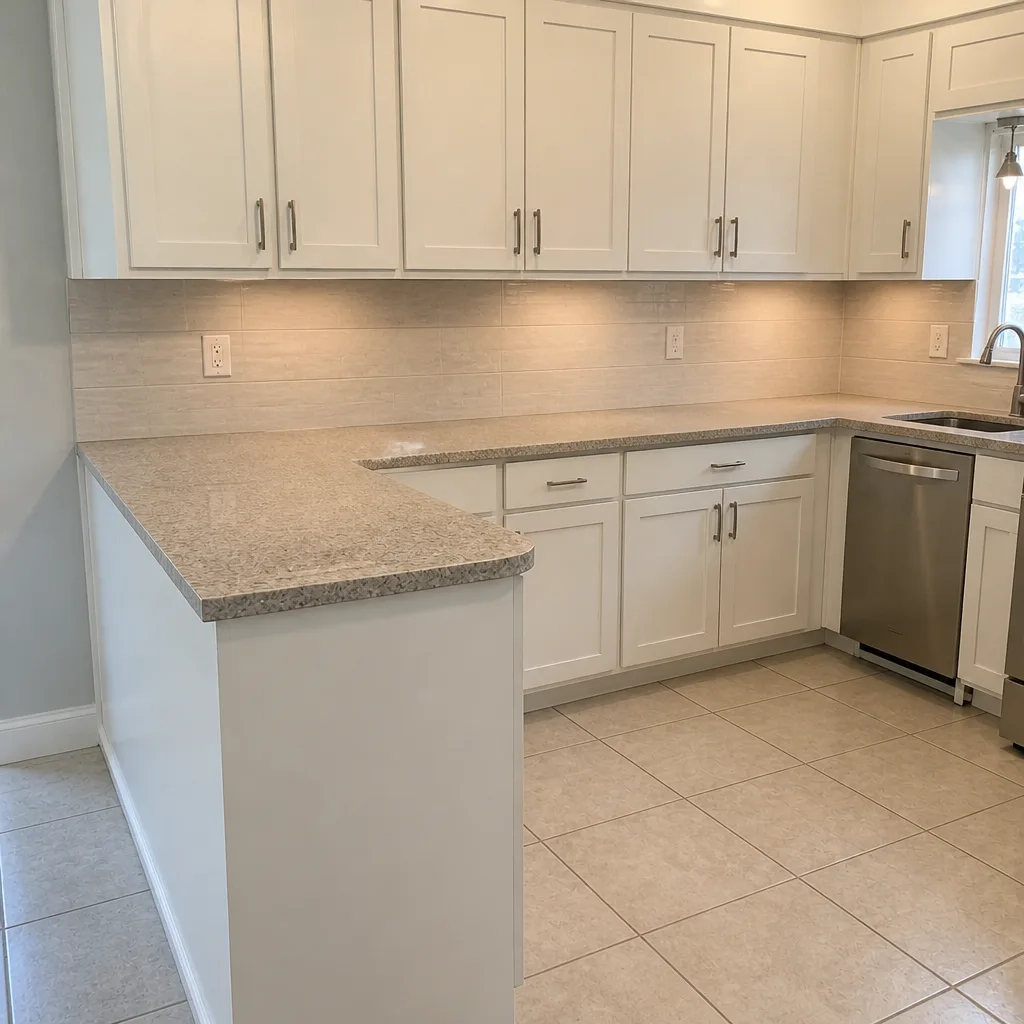 After
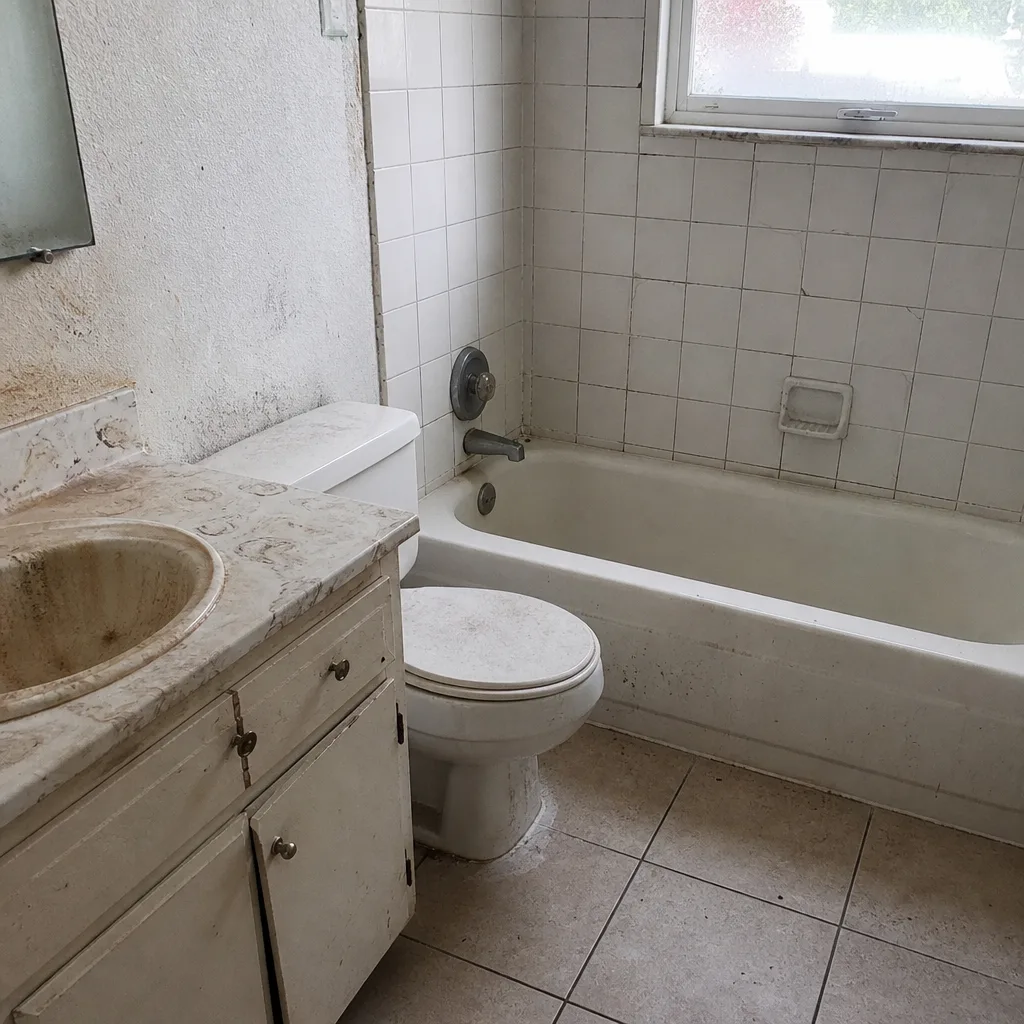 Before
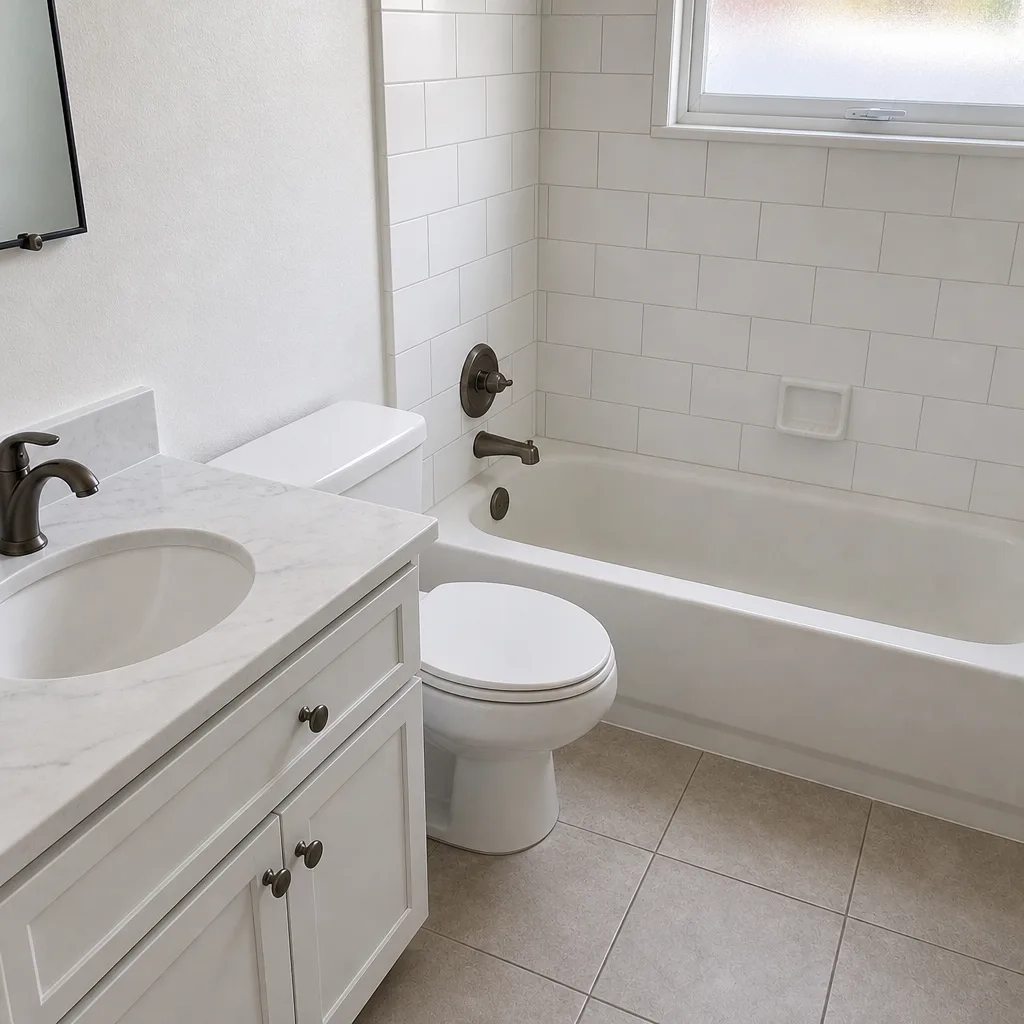 After
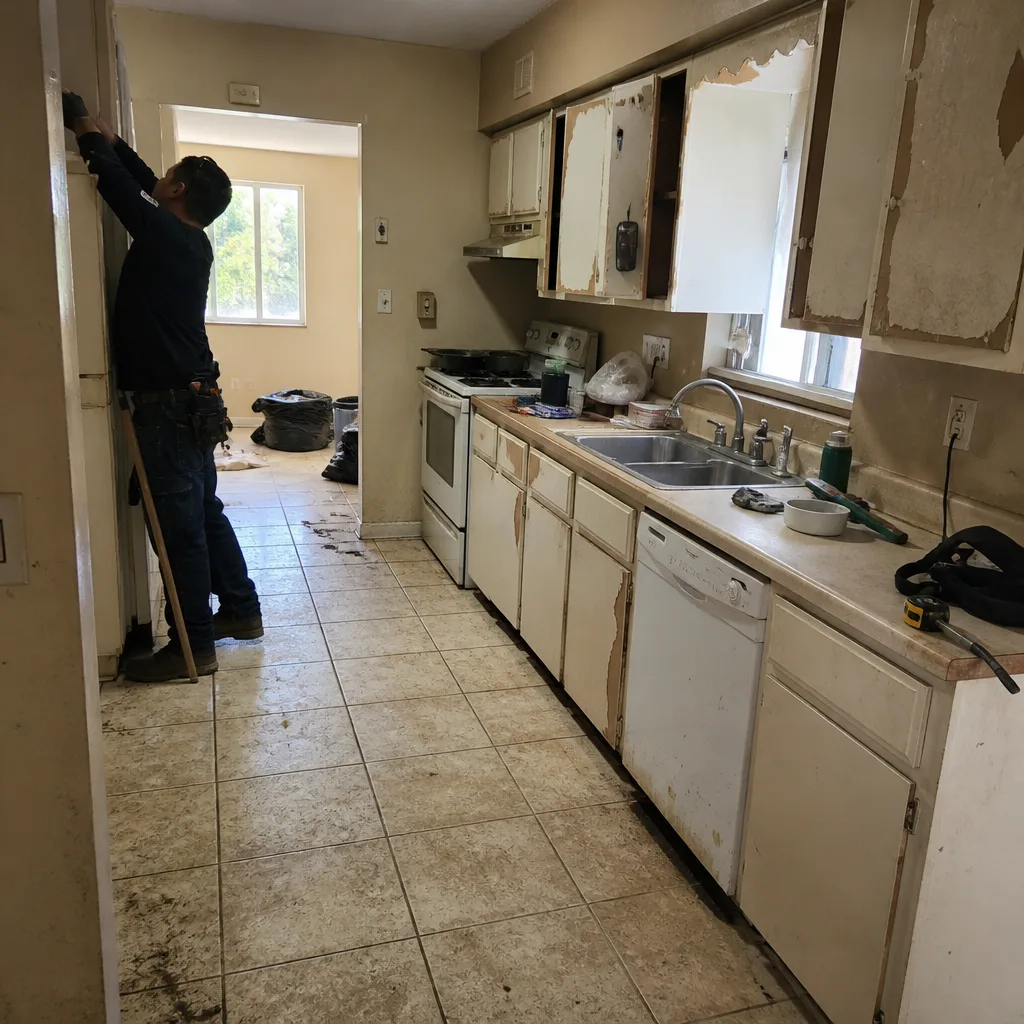 Before
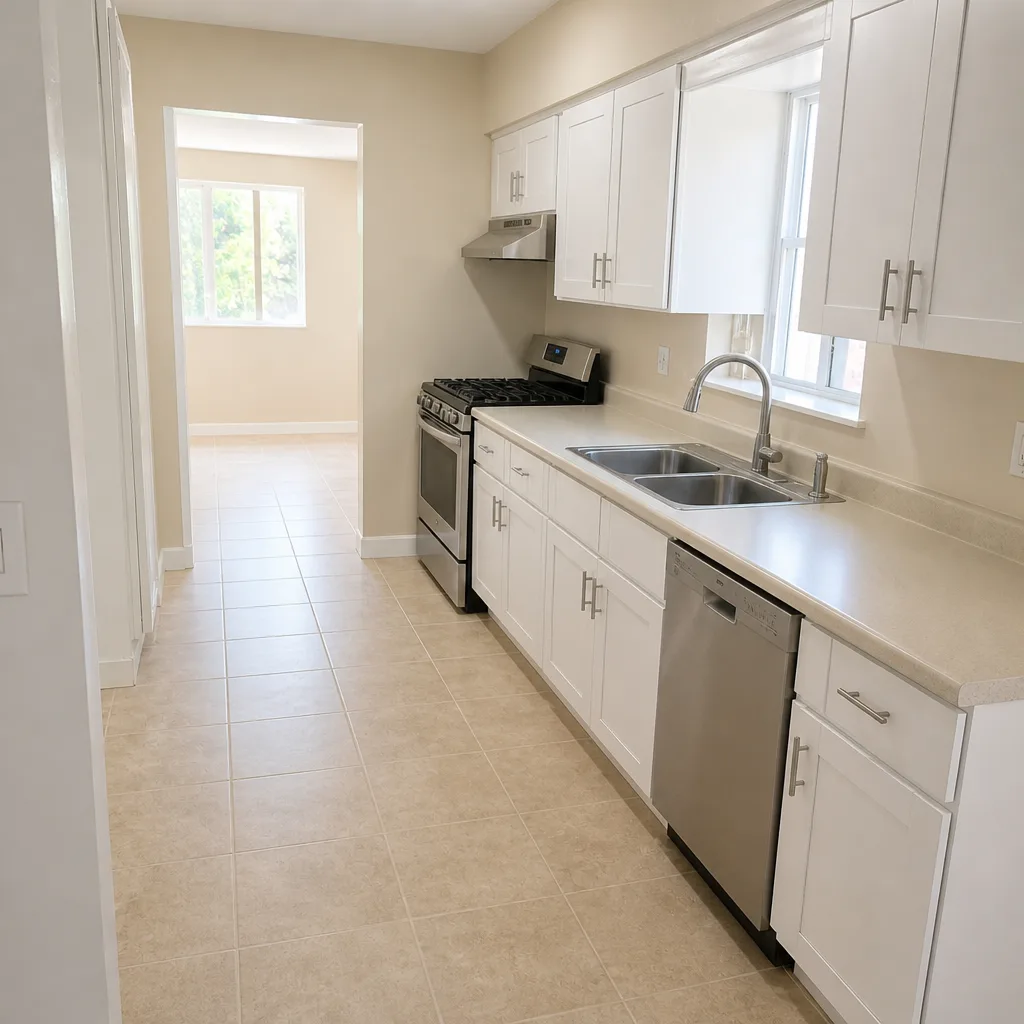 After
How Long Before You Can Drive on New Concrete in Kendale Lakes, FL?
Plan on 7 days minimum before a passenger car touches a new concrete slab in moderate weather, but in Kendale Lakes, give it 10 days and keep it wet-cured the whole time. Ground surface temps here climb past 120°F in summer sun, and a slab that looks set at day three can still be structurally soft at day seven. If you’re scheduling a pour and want the timeline mapped out in advance, call (844) 834-8961.
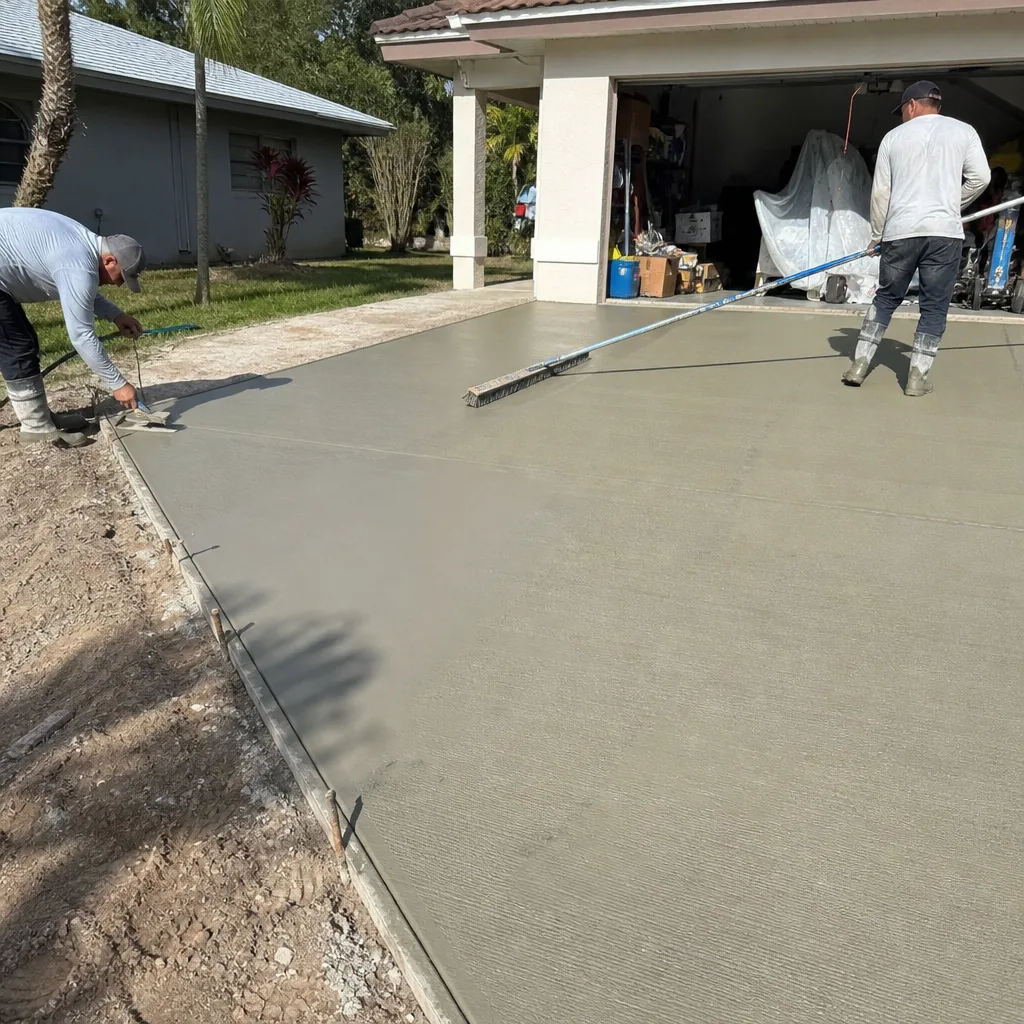
In South Florida’s heat, concrete can look ready in three days and still be structurally soft at day seven. Here’s what the temperature does to the cure timeline, and why rushing it in Kendale Lakes is how you get a driveway that cracks in year two.
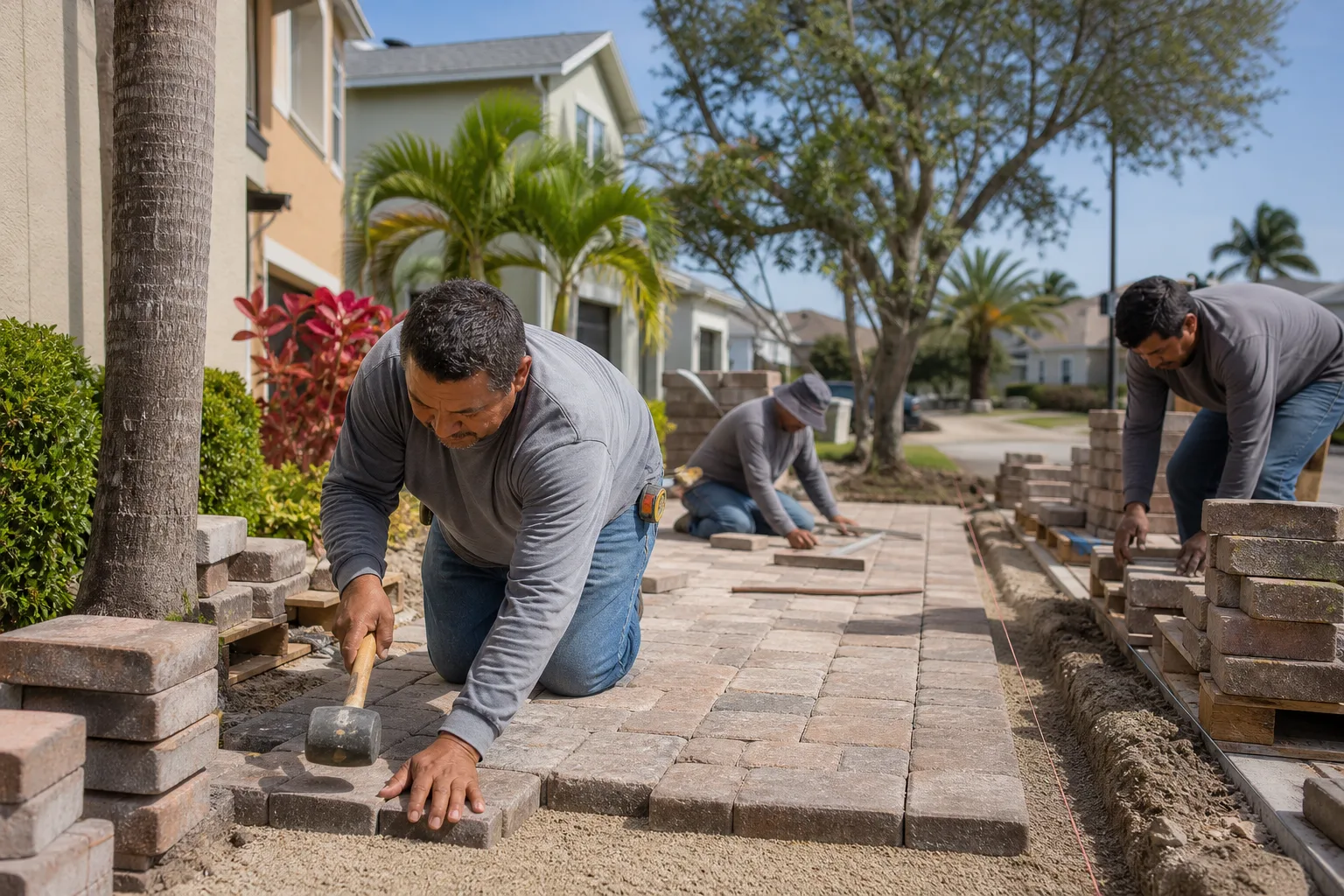
Why the Standard 7-Day Rule Doesn’t Hold Up in Kendale Lakes Heat
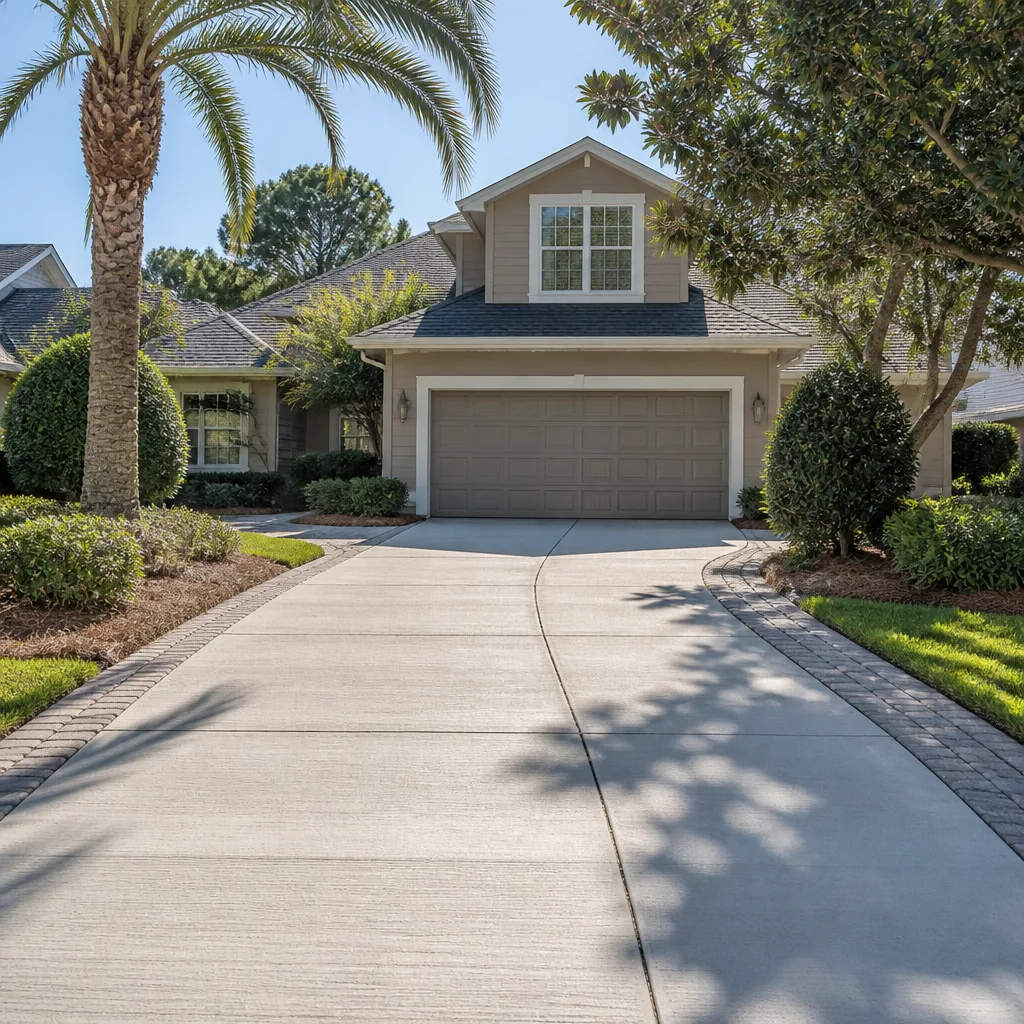
That widely repeated 7-day number assumes moderate conditions: roughly 70°F, average humidity, indirect sun. Kendale Lakes in July is none of those. The 1970s and 80s concrete-block homes throughout this planned subdivision sit on small, fully built-out lots with little shade over a driveway, and the slab takes direct subtropical sun from mid-morning on.
Concrete doesn’t dry. It cures through hydration, a chemical reaction between cement and water. When the surface moisture evaporates faster than the mix can use it, hydration stalls at the top while the interior keeps going. You end up with a hard crust over a weaker core. That differential is exactly what produces the hairline cracks and surface scaling we get called out to inspect across Kendale Lakes two or three years after a rushed pour.
What surface temperature actually does to the timeline
- 70°F and shaded: 7 days is a defensible wait for passenger vehicles.
- 85-95°F air, direct sun: surface temps hit 110-130°F. Push to 10 days minimum with active curing.
- Dry-season trade winds: low humidity speeds evaporation. Wind is as much a problem as heat.
- Heavy vehicles: 28 days minimum, climate regardless. A loaded moving truck concentrates load far beyond what a sedan does.
Those first few days after a pour matter most. Concrete gains roughly 70% of its design strength in the first week, and the last 30% over weeks after. Skip the curing, and the slab may never reach the strength the mix was designed for, no matter how long you wait before parking on it.
What Proper Curing Looks Like in a Tropical Climate
Here’s where most guides get vague. A spray-on curing compound alone, in direct South Florida sun, often isn’t enough. The compound forms a film that slows evaporation, but on a slab baking at 120°F, that film degrades and the surface still loses moisture faster than hydration can keep up.
Groundwork Construction Co. of Kendale Lakes specifies wet curing on every concrete pour during our summer months, and we document it in the project file. That means keeping the surface continuously damp with a soaker hose, burlap, or curing blankets for the full 10-day window. It’s slower, it’s more labor, and it’s the difference between a driveway that holds up to Miami-Dade’s sun and one that starts spider-cracking by year three. Documenting the cure method matters, too, because it gives us a recorded baseline behind the 730-Day Done Right Promise: if it’s not done right, we make it right.
Curing compound vs. wet curing: which one for your slab?
If your pour happens in the cooler, drier months, a quality curing compound can be enough. During summer, or on any slab in full afternoon sun, insist on wet curing or blankets. Ask your contractor which method they’re using and whether it’s in writing. A crew that can’t answer that question clearly is a crew that hasn’t thought about the climate.
| Project | Typical range in Kendale Lakes |
|---|---|
| Concrete driveway installation | $4,500-$12,000 |
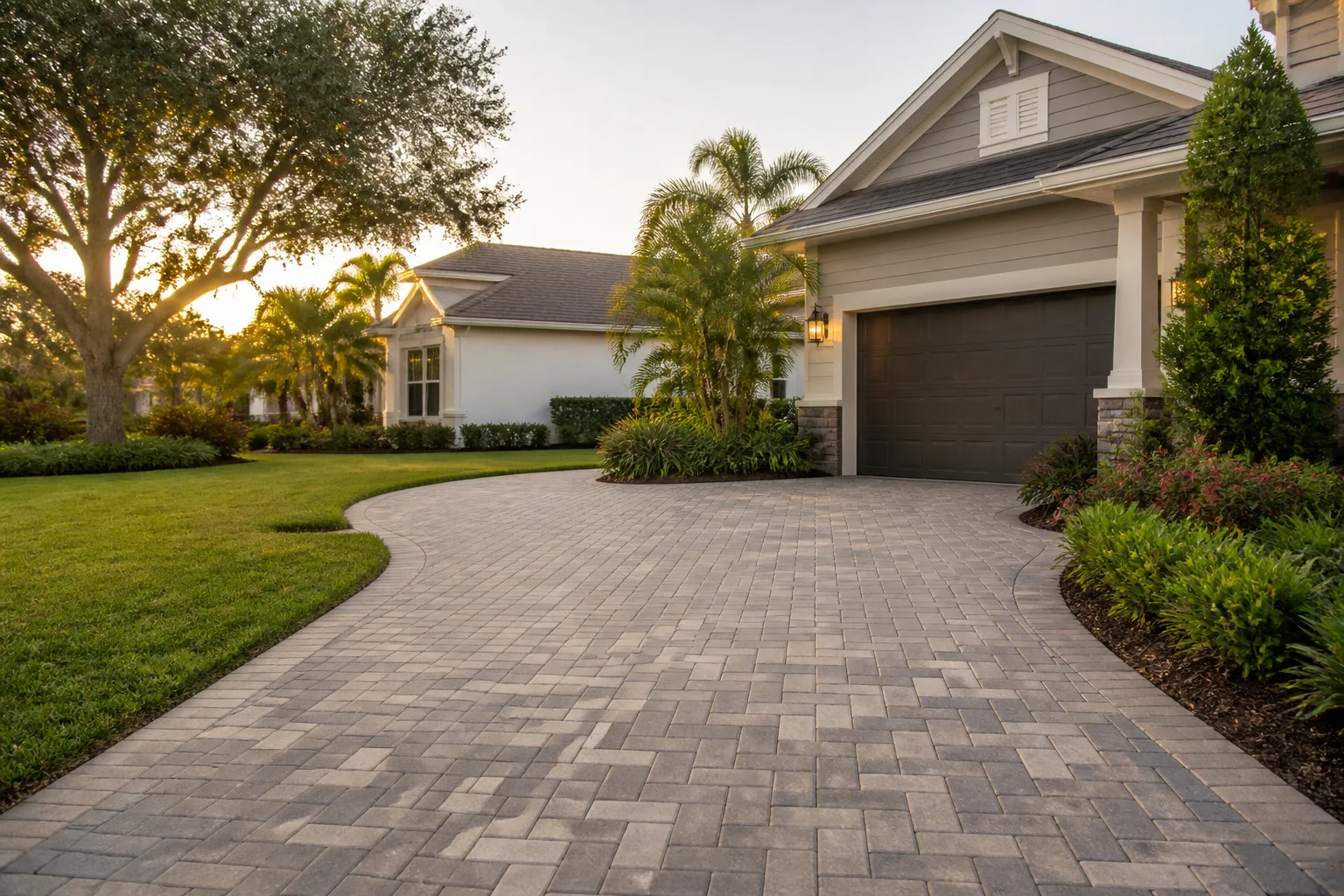
| Paver driveway installation | $7,000-$18,000 |
| Driveway replacement | $5,000-$14,000 |
| Driveway sealing | $250-$700 |
Those ranges reflect the local market for a standard residential driveway. Square footage, thickness, reinforcement, and how much old slab has to come out all move the number. We quote upfront, so the number you see is the number you pay. For a deeper look at material choices, our Driveway & Pavers in Kendale Lakes page walks through pavers against poured concrete side by side.
What to Look For Before You Park on a New Slab
Don’t trust your eyes. A slab looks and feels hard long before it’s ready for load. Here’s a practical checklist:
- Count the days, don’t feel the surface. Ten full days minimum for a car in summer, 7 in cooler months. The 28-day mark is the floor for anything heavy.
- Confirm the cure method. Ask whether wet curing or blankets were used. Get it in the project notes.
- Watch the edges. Chipping at the control joints or edges under a tire is an early sign of a weak surface.
- Wait on the heavy stuff. Moving vans, box trucks, and loaded pickups stay off for 28 days. This is the point most general guides bury, and it’s the one that cracks the most slabs.
What about HOA rules while your driveway cures?
Many planned sections of Kendale Lakes require parking on-street during construction, and that restriction can stretch across your full cure window. We coordinate the curing timeline with you and your HOA in advance, so the 10-day access restriction doesn’t surprise anyone on day four. It’s the kind of scheduling detail that keeps a project from turning into a complaint.
Most jobs here touch an existing structure rather than a blank lot. Homes built at the transition from pre- to post-Andrew code often need drainage and grading re-checked when a driveway is replaced, and the slab has to shed water toward the street correctly under Miami-Dade standards. That’s part of what we assess before a pour ever happens. When you’re ready to plan the work, we handle everything from the sub-base up through the pour, Driveway & Pavers included.
FAQs
Ten days minimum in summer heat and 7 days in cooler months, with wet curing the whole time. Passenger cars can usually roll on at the 7-day mark under moderate conditions, but Kendale Lakes summer sun pushes that to 10 days. Call (844) 834-8961 and we’ll map the exact timeline for your pour.
No. Three days is far too soon for a vehicle, even though the surface may look and feel hard. Concrete is still gaining strength through the first week, and a slab in direct South Florida sun often looks set while the interior cure lags. Keep all vehicles off until at least day 7, or day 10 in summer.
28 days minimum, and that’s the same in every climate. Heavy loads concentrate stress far beyond a passenger car, and a slab that’s fully fine for a sedan can crack under a loaded box truck. Plan moving day around the pour, not the other way around.
Often not well enough on its own. In direct sun with surface temperatures over 120°F, a curing compound film breaks down and moisture still escapes too fast. Wet curing with a soaker hose or blankets is the more reliable method here. Ask your contractor which approach they use and get it in writing.
Get Your Pour Scheduled Right
If you’d rather have it looked at, Groundwork Construction Co. of Kendale Lakes offers a no-pressure assessment in Kendale Lakes. We’ll walk the site, quote the work upfront, and put the cure timeline in writing. Call (844) 834-8961 for a free estimate. Calls are answered by a live person 24/7.
Written by the team at Groundwork Construction Co. of Kendale Lakes, serving Kendale Lakes, FL.