Last updated November 17, 2026


Free written scope consultation - allowances, timeline, and change-order rules on paper before a single trade is scheduled
The Complete Fence Installation Guide for Kendale Lakes Homeowners
Miami-Dade County runs one of the strictest wind code jurisdictions in the country, and a fence that looks perfectly fine on visual inspection can still fail a permit audit and get ordered removed after you’ve already paid for it. That happens more often in Kendale Lakes than most homeowners realize, because our lots sit in a High-Velocity Hurricane Zone where post spacing, embedment depth, and material ratings all carry the force of law. This guide walks you through every layer of the project: the code, the HOA, the survey, the materials, the inspection, and the insurance paperwork. By the end you’ll know exactly what a compliant Kendale Lakes fence requires and what to ask before anyone breaks ground.
Quick Answer
Fence installation in Kendale Lakes, FL requires a Miami-Dade County building permit, engineered materials and post spacing that meet High-Velocity Hurricane Zone wind load requirements, and written HOA approval before work starts. Most residential fences run $28 to $65 per linear foot depending on material, and a survey is required unless you have a recorded plat you can rely on. Skip any of those steps and you risk removal, fines, or a boundary dispute you’ll spend years sorting out.
Styles & brands we work with
- Kitchen remodeling
- Bathroom remodeling
- Home additions & ADU
- Roofing
- Windows & doors
- Driveway & pavers
- Fence
Table of Contents
- Why Miami-Dade Wind Code Changes Everything
- HOA Approval in Kendale Lakes: Height, Material, and Timeline
- The Survey Requirement Most Homeowners Skip
- Material Comparison for South Florida Conditions
- The Permit Process, Step by Step
- What a Proper Installation Actually Looks Like
- The Post-Install Inspection Checklist and Insurance Documentation
- What Fence Installation Costs in Kendale Lakes
Why Miami-Dade Wind Code Changes Everything
Miami-Dade is the only county in Florida that writes and enforces its own product approval system for wind-rated construction materials. A fence in Kendale Lakes isn’t a decorative boundary; it’s a structure that has to hold against sustained wind loads and flying debris in a High-Velocity Hurricane Zone. That designation covers everything from the concrete mix in your post footings to the gauge of your fasteners.
What’s actually code versus what’s just standard practice is where most bids go wrong. In our experience, homeowners get quoted “hurricane-rated” fences that carry no Miami-Dade Notice of Acceptance (NOA) or product control number. Without that documentation, your fence can’t pass inspection, and an unpermitted fence can be subject to removal by code enforcement.
Here’s the split to keep straight:
- Codified: Post embedment depth, concrete footing size, fastener corrosion resistance, and material wind-load ratings for HVHZ product approvals.
- Standard practice (not code): Specific post spacing, panel style, and decorative trim. Builders converge on similar spacing because it works, but the engineer’s sealed plans govern your job.
- Locally common but ineffective: Extra posts without bigger footings. More posts don’t help if the concrete underground can’t hold the load.
Because wind exposure varies by lot, a fence backed by an open lake or a wider canal corridor carries more load than one tucked between homes. We’ve seen properties along the Kendale Lakes waterways need deeper footings than an interior lot two streets over. Your sealed plans account for that, and cutting corners on footings is the single most common installation failure we encounter.
HOA Approval in Kendale Lakes: Height, Material, and Timeline
Nearly every Kendale Lakes community has an architectural review process, and it runs on its own clock. A well-managed project builds four to eight weeks of HOA review into the schedule before a single post is set. Start the fence permit application first, and you’ll end up paying for a permit you can’t use while the board takes its time.
Community rules vary, but the patterns hold across most of the neighborhoods here:
- Height limits: Six feet is common for side and rear fences. Front-yard fences often cap at four feet or are banned outright.
- Material restrictions: Many communities require the inside face of the fence to present a consistent finished look to neighbors, which typically pushes homeowners toward a “good neighbor” panel or a finished block wall.
- Style and color: Vinyl color palettes are frequently restricted; buff or white vinyl is the usual safe choice. Aluminum profiles are often limited to specific heights and picket styles.
- Approvals needed: A plot plan or survey showing the fence line, elevation drawings, material specs, and sometimes the NOA documentation.
The approval timeline depends on how often the board meets. Some Kendale Lakes associations review monthly; others convene quarterly. Missing a submission deadline can cost you twelve weeks in a worse case. Before you sign a contractor’s contract, get the HOA architectural application in hand so you know exactly what they’ll demand. Then you’ll understand what your contractor needs to submit alongside your fence permit, and why ordering materials before approval is money at risk.
One more point worth flagging: HOA approval does not replace a building permit, and a building permit does not override the HOA. Both are required, and they run in parallel.
The Survey Requirement Most Homeowners Skip
Before any fence goes in, you need to know exactly where your property line runs. Relying on a neighbor’s word about the boundary is how boundary disputes begin, and in a dense community like Kendale Lakes where lots sit close together, a foot of encroachment is easy to miss and expensive to fix.
You have two legitimate sources for a legal boundary:
- A recorded plat: Most Kendale Lakes subdivisions have a plat on file with Miami-Dade County. It shows lot lines and dimensions. A plat is a legal boundary reference and can serve when the markers are intact.
- A boundary survey: A licensed surveyor locates your corners, marks them, and produces a signed drawing showing the actual legal boundary. This is the defensible document, and it’s what your contractor and your inspector will both want to see.
A boundary survey in this market typically runs $350 to $750 depending on lot size and how much the surveyor has to reconstruct. If your corners are already marked and your plat is clear, some projects go forward on the plat alone. If the markers are gone or a neighbor’s fence looks like it sits on your side of the line, get the full survey. A fence placed even a few inches onto a neighbor’s property can be ordered removed, and you’ll pay to relocate it.
We’ve walked onto jobs where the neighbor’s fence had crept over the line by more than a foot over the years. Had the homeowner built on the wrong assumption, the new fence would have gone up in the wrong place and compounded the problem. Get the boundary nailed down before the material is ordered.
Material Comparison for South Florida Conditions
The right fence for a Lake Okeechobee breeze isn’t the right fence for a South Florida salt-laden summer. Kendale Lakes sits far enough inland that salt air is milder than the coast, but our combination of intense UV, heavy summer rain, humidity, and hurricane-season wind loads still rules out several popular options.
Here’s how the real contenders stack up:
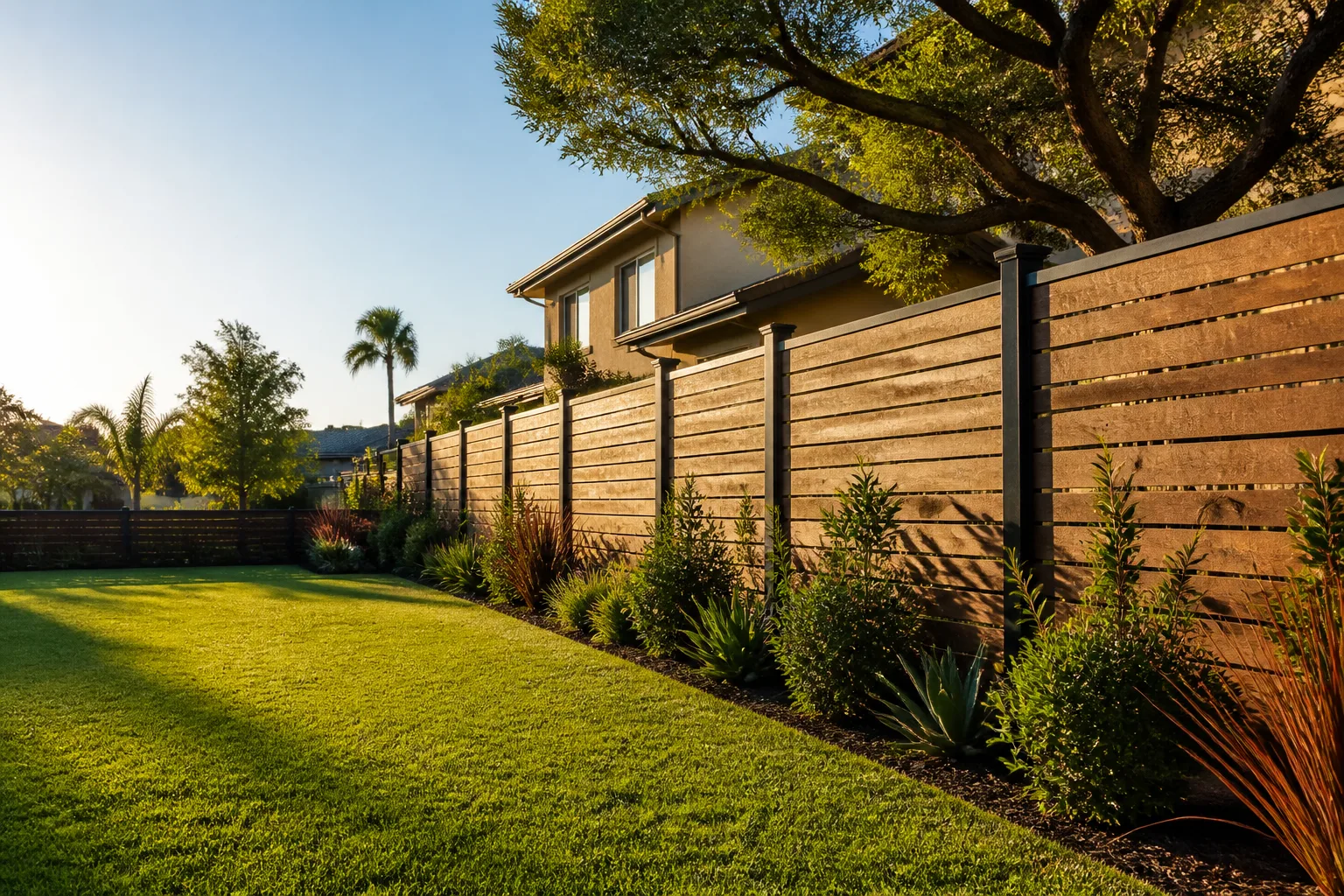
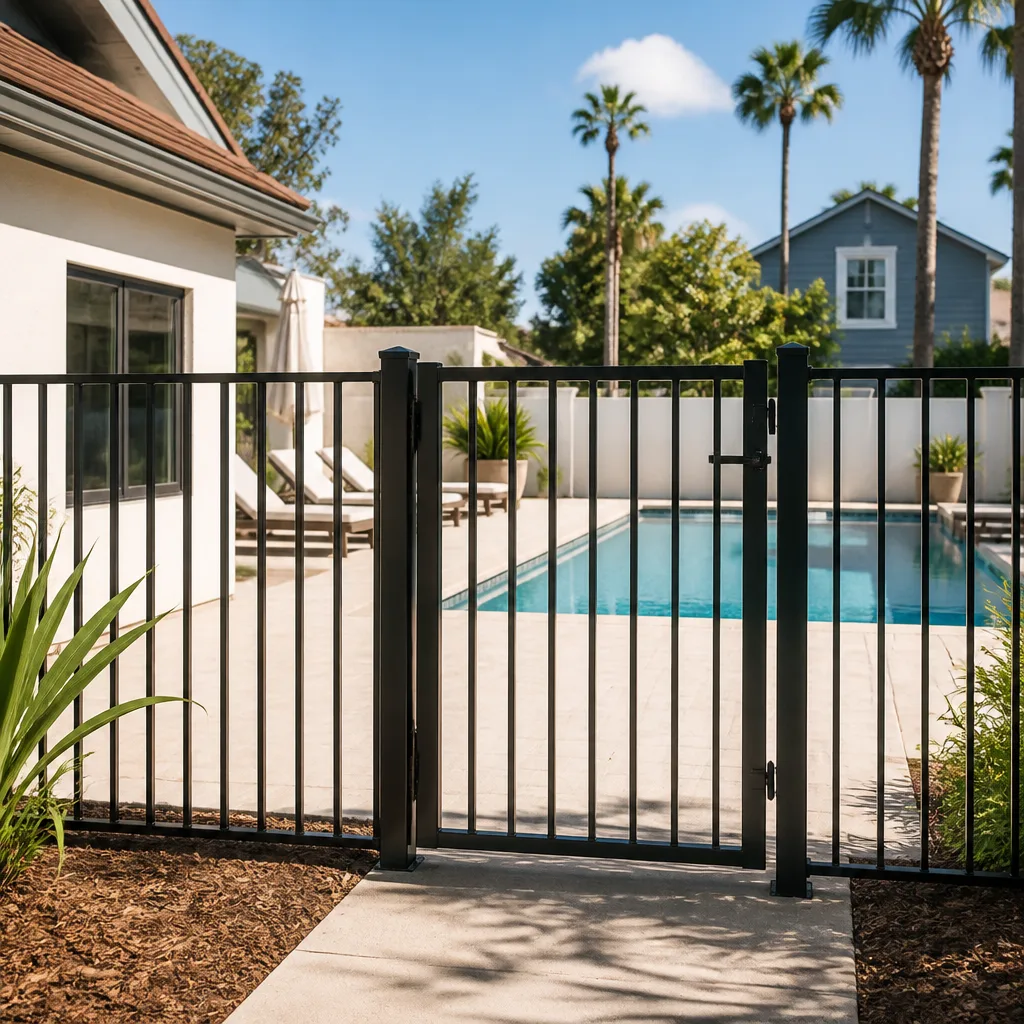
- Aluminum: The strongest wind performer of the ornamental options. Powder-coated aluminum resists corrosion in our humidity, never rots, and holds up to wind ratings well. Look for profiles from a recognizable line like Jerith, which carries HVHZ product approvals. Costs more upfront than wood but the maintenance load is close to zero.
- Vinyl: Excellent on maintenance and UV resistance, and rated for wind when installed with the right posts and panels. Premium lines like Bufftech and ActiveYards carry Miami-Dade approvals for specific panel and post combinations, so the approval matches the exact product, not just the brand. Watch out for builder-grade vinyl that fades or cracks under our summer sun.
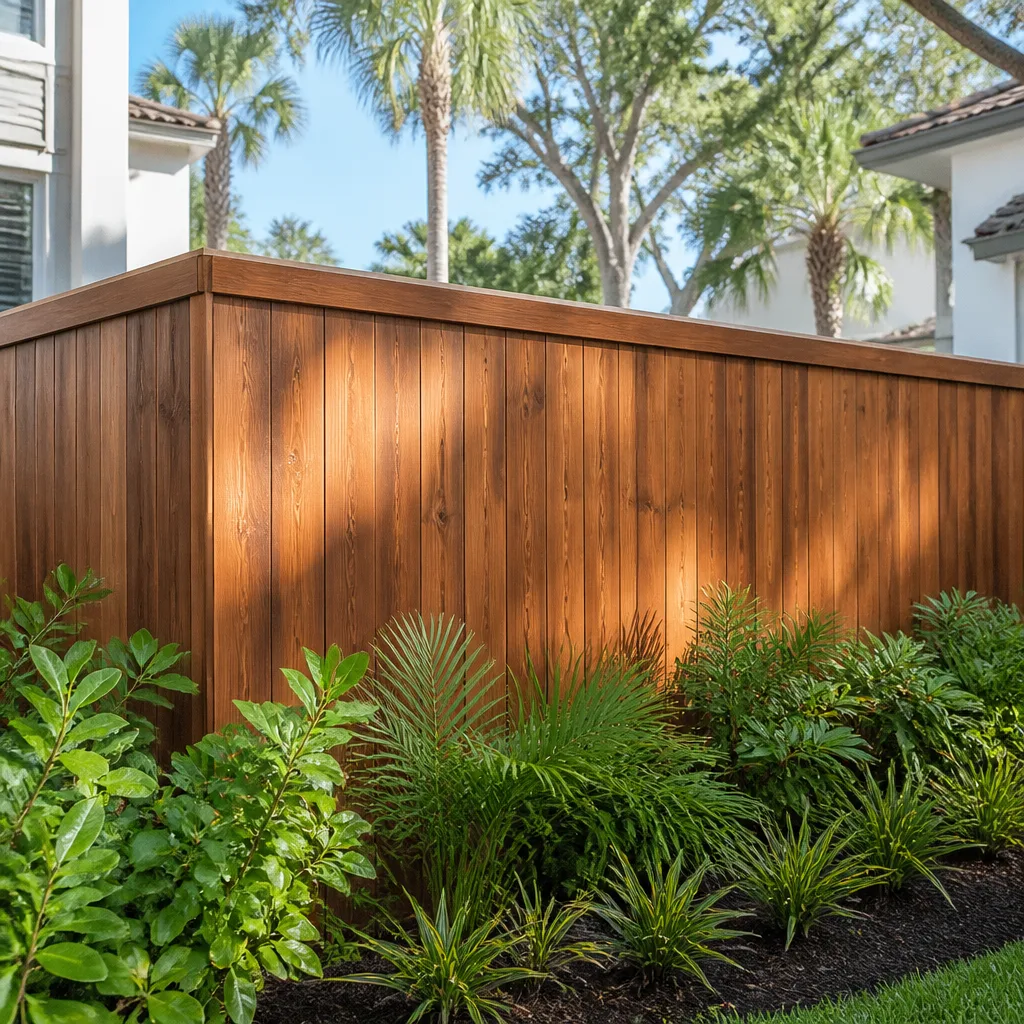
- Wood: Warm look, lower material cost, and the highest maintenance load. In Kendale Lakes, wood fences need sealing every couple of years and are still vulnerable to rot at the footings where moisture collects. “Hurricane-rated wood fence” is a phrase to treat skeptically unless the design is engineered and the fasteners and footings are documented.
- CBS block: The most durable and wind-resistant option and the one most consistent with the stucco finishes on most Kendale Lakes homes. It’s also the most expensive upfront and often requires an engineered design plus concrete foundation. Where an HOA restricts materials or requires a finished look, block is frequently the answer.
A quick way to frame the tradeoff: aluminum and premium vinyl are the low-maintenance winners, block is the lifetime-of-the-house winner, and wood is the look-first winner if you’re willing to maintain it. We work with Belgard products on the hardscape side of the project too, which matters when the fence ties into a paver border or wall feature. You’ll find a broader look at how those elements fit together on our Fence Installation in Kendale Lakes page.
The Permit Process, Step by Step
The building permit is where most fence projects in Kendale Lakes quietly fall apart. Here’s the sequence that actually works:
- Get the HOA approval in hand. Most permit offices and most contractors will want it before or alongside the application.
- Confirm the boundary. A plat or survey, whichever your contractor needs to demonstrate the fence sits on your property.
- Prepare sealed plans. HVHZ projects typically require plans sealed by a Florida-licensed engineer documenting post spacing, embedment depth, footing size, material wind ratings, and product approvals.
- Submit the application. Include the submission checklist, the plans, the survey or plat, and the product NOA numbers for every material specified.
- Wait for review and revisions. Plan review comments are common, especially where footing detail isn’t called out clearly. Each revision cycle adds time.
- Schedule the inspections. Fence permits usually involve a footing inspection before posts are poured and a final inspection after completion. Skipping the footing inspection can void your ability to get the final sign-off.
- Keep the approved permit and inspection records. They matter for resale, HOA compliance, and insurance documentation.
Nothing about this sequence saves time if you rush any step. The contractor who offers to build without a permit and “pull it later” is handing you a fence that can be ordered removed after the fact. We’ve watched homeowners pay twice for a project that should have been straightforward.
What a Proper Installation Actually Looks Like
A compliant install comes down to what happens below grade. Everything you can see is decoration until the footings and fasteners are right.
On a proper job, here’s what your contractor is actually doing:
- Locating and marking the line against the survey or plat before any digging starts, and clearing the route of irrigation lines and buried utilities with a utility locate.
- Digging footings to the engineered depth rather than a standardized “one bag of concrete” depth. Post depth is where HVHZ integrity lives.
- Setting posts plumb in properly mixed and cured concrete, with the concrete left slightly above grade to shed water. Footings below grade are the most common source of early post failure in our wet climate.
- Installing panels and fasteners with the specified gauge, finish, and spacing. Galvanized or stainless fasteners aren’t optional in the humidity.
- Tying the fence into site features like gates, paver borders, and hardscape edges so the running line stays true over the length of the property.
If the fence meets your site’s hardscape, it should be planned from the start. That’s why we plan fence projects alongside Driveway & Pavers in Kendale Lakes rather than walking onto a finished driveway after the fact. A gate that clears a paver border and swings freely takes about an hour of forethought, and weeks to redo after the pavers are set.
The one thing no homeowner should attempt is setting the posts and footings to HVHZ spec without professional involvement. Deep footings, engineered spacing, and inspected work are safety-critical; a fence that fails under wind load can cause serious injury. Have a trained installer handle the structural components and the permit signage.
The Post-Install Inspection Checklist and Insurance Documentation
When the fence is up, walk it yourself before the county does. A short, disciplined inspection catches the issues that fail final sign-off.
Run this checklist:
- Every post is plumb and firm in the ground, with no rocking when you push near the base.
- The fence height matches the approved plans and HOA limit, measured from grade, not footing.
- Concrete footings are visible at grade, with the surface finished and no voids.
- All fasteners are present, the correct gauge, and fully seated; no exposed threads or hand-tightened hardware.
- Gates swing freely, latch cleanly, and clear the ground and hardscape.
- The fence follows the surveyed line without encroaching on a neighbor’s lot.
- Panels are even in spacing and height, and no panel shows visible wind or handling damage.
Once it passes, document the fence for insurance. Most homeowners’ policies cover a fence as an “other structure,” but they need evidence of the value and the material. Photograph the finished fence from several angles, keep the approved permit and the final inspection sign-off, save the material and product approvals, and file the contractor’s written invoice. When you’re insuring a project worth thousands, a paper trail beats a memory.
If the fence is part of a broader property improvement, our team can coordinate fence, hardscape, and additions under one plan through Home Additions & ADU in Kendale Lakes, so every element on site lines up with the insurance documentation.
What Fence Installation Costs in Kendale Lakes
Fence pricing in this market is driven by material, height, distance, and wind rating. Simple backyard runs cost less per foot than a fully engineered perimeter around a corner lot. Here’s what a compliant installation actually runs in Kendale Lakes:
| Material and Configuration | Typical Cost per Linear Foot |
|---|---|
| Wood privacy fence (6 ft, engineered) | $28 – $42 |
| Vinyl privacy fence (6 ft, HVHZ-rated line) | $38 – $58 |
| Aluminum ornamental fence (4 – 5 ft) | $40 – $65 |
| CBS block wall (engineered, stucco finish) | $55 – $95 |
| Boundary survey (per project) | $350 – $750 |
| HOA application (varies by association) | $0 – $300 |
| Permit fees (varies by length) | $150 – $500 |
Costs climb faster for corner lots because of extra length and wind exposure, for lots with waterways behind them, and for custom gate designs. They drop for a simple interior-lot backyard run where the material and footing spec stay straightforward. Every project is priced on the sealed plans, which is why the right number for your property comes from a written scope, not a phone estimate.
If you’re planning the fence alongside a full site refresh, the budget should factor in the fence, the hardscape, and any other structures as one scope. To understand how a fence project sits inside a larger plan, our Groundwork Construction Co. of Kendale Lakes home page covers every service line we handle.
Common Mistakes to Avoid
- Building before the HOA approves. Homeowners order materials, then discover the board requires a different material or height. The cost of redoing approved-project materials is real money.
- Skipping the survey or plat. A fence over the boundary line is the fast track to a neighbor dispute and a removal order. In a densely platted community like Kendale Lakes, this is a two-foot problem that takes years to resolve.
- Trusting a “hurricane-rated” label. If the material doesn’t carry a Miami-Dade product approval for your exact post-and-panel combination, it isn’t HVHZ compliant, no matter what the box says.
- Cutting footing depth to save on concrete. The most common failure we see on South Florida fences is shallow footings that heave or lean after a wet season. Depth is engineering, not preference.
- Pulling a permit after installation. An unpermitted fence in Kendale Lakes can be subject to code enforcement action and removal. There is no “we’ll deal with it later” that ends well.
- Letting the fence tie into the driveway with no plan. Gate alignment, footings near pavers, and drainage all interact. Settle the fence-and-paver layout before either goes in.
- Filing no documents for the insurance claim. When a storm takes the fence down, the homeowner with permit records, inspection sign-offs, and photographs gets paid. The one with a memory of what happened does not.
See the difference
 Before
 After
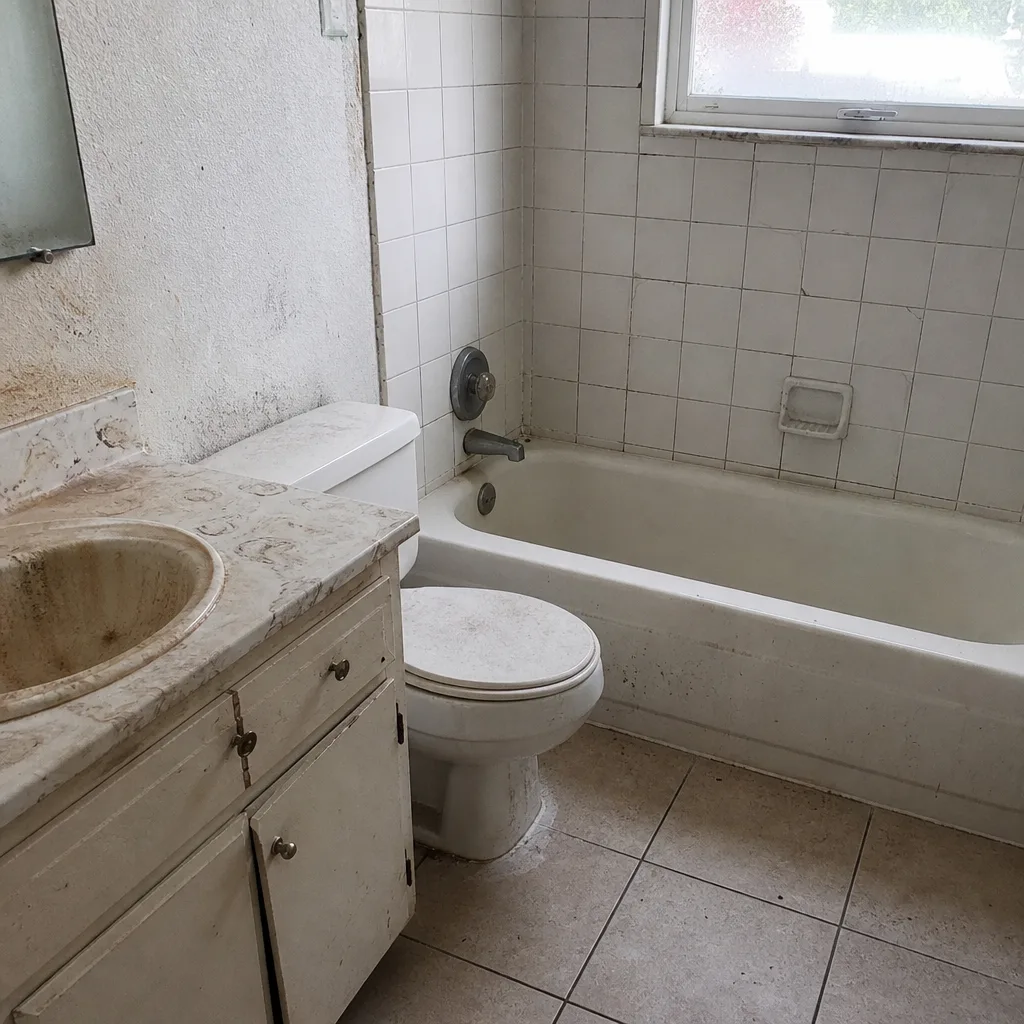 Before
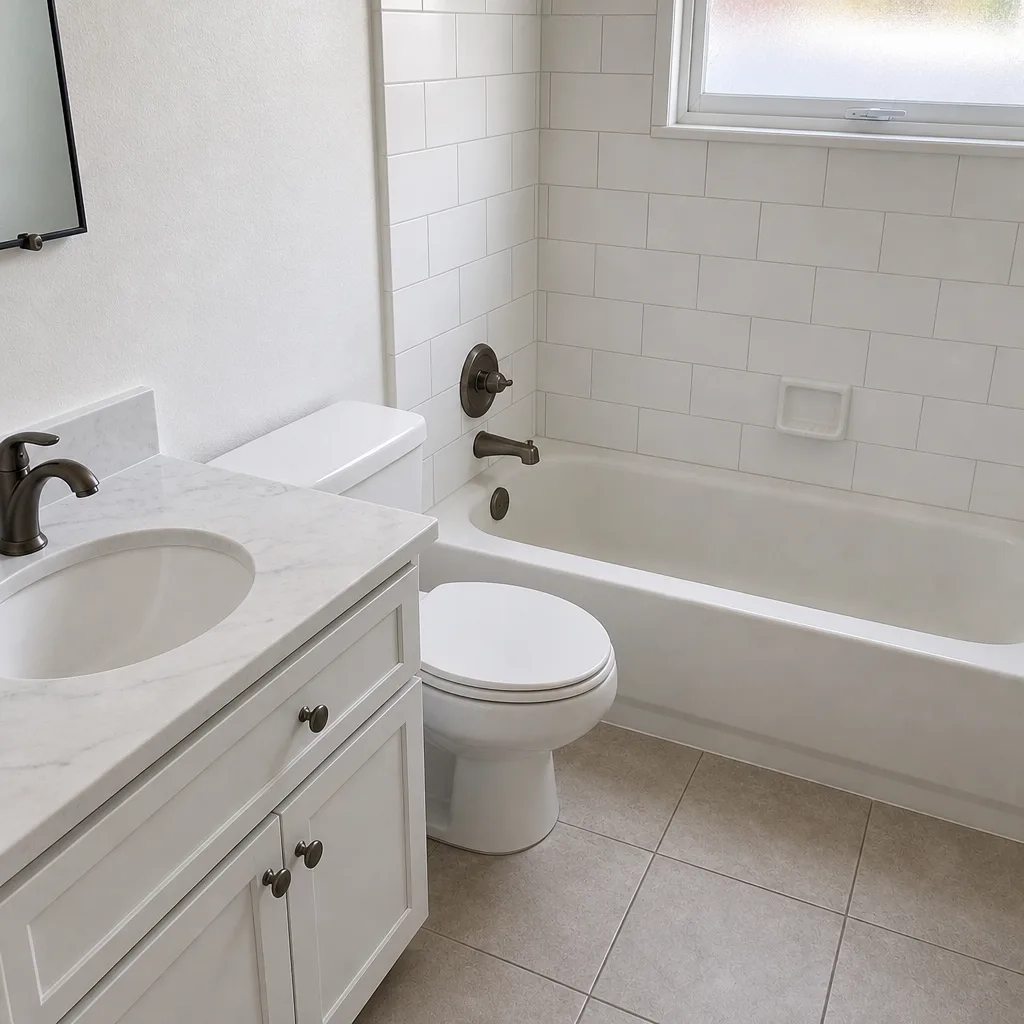 After
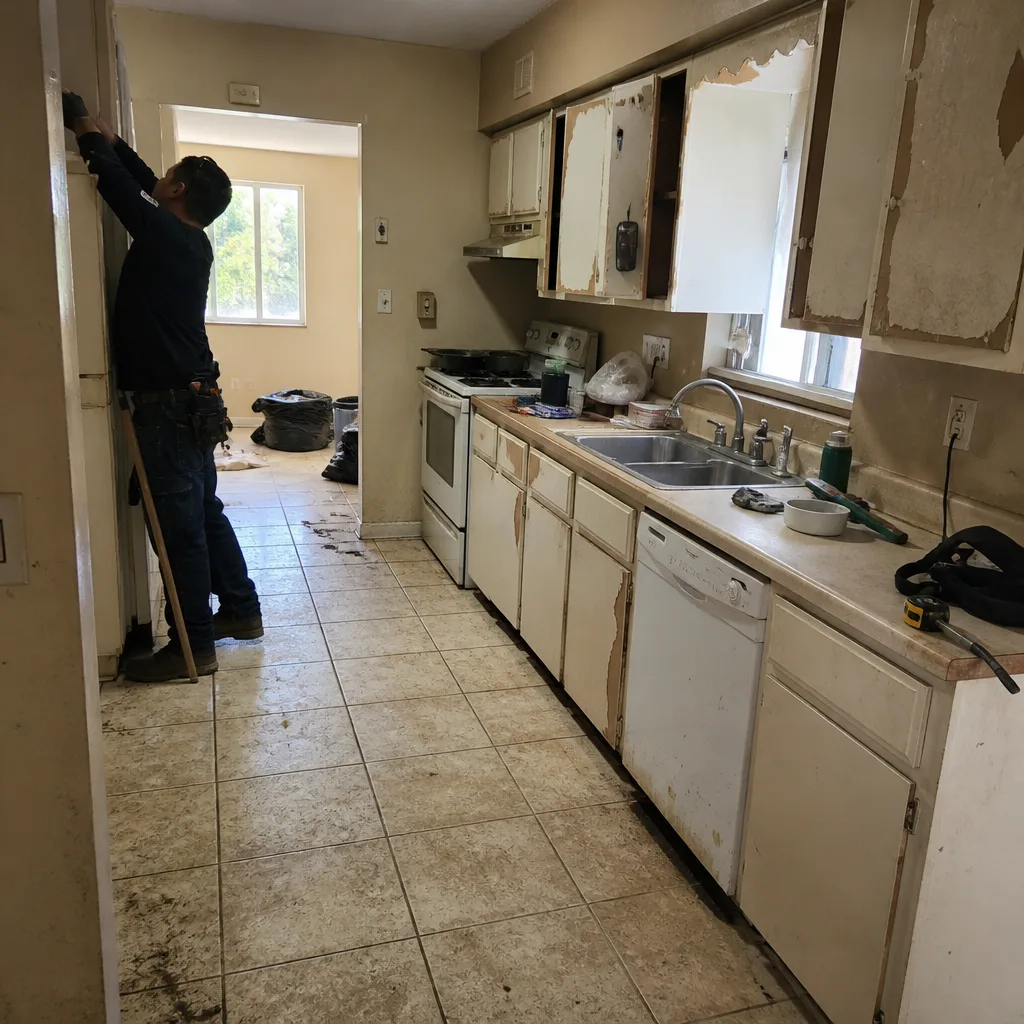 Before
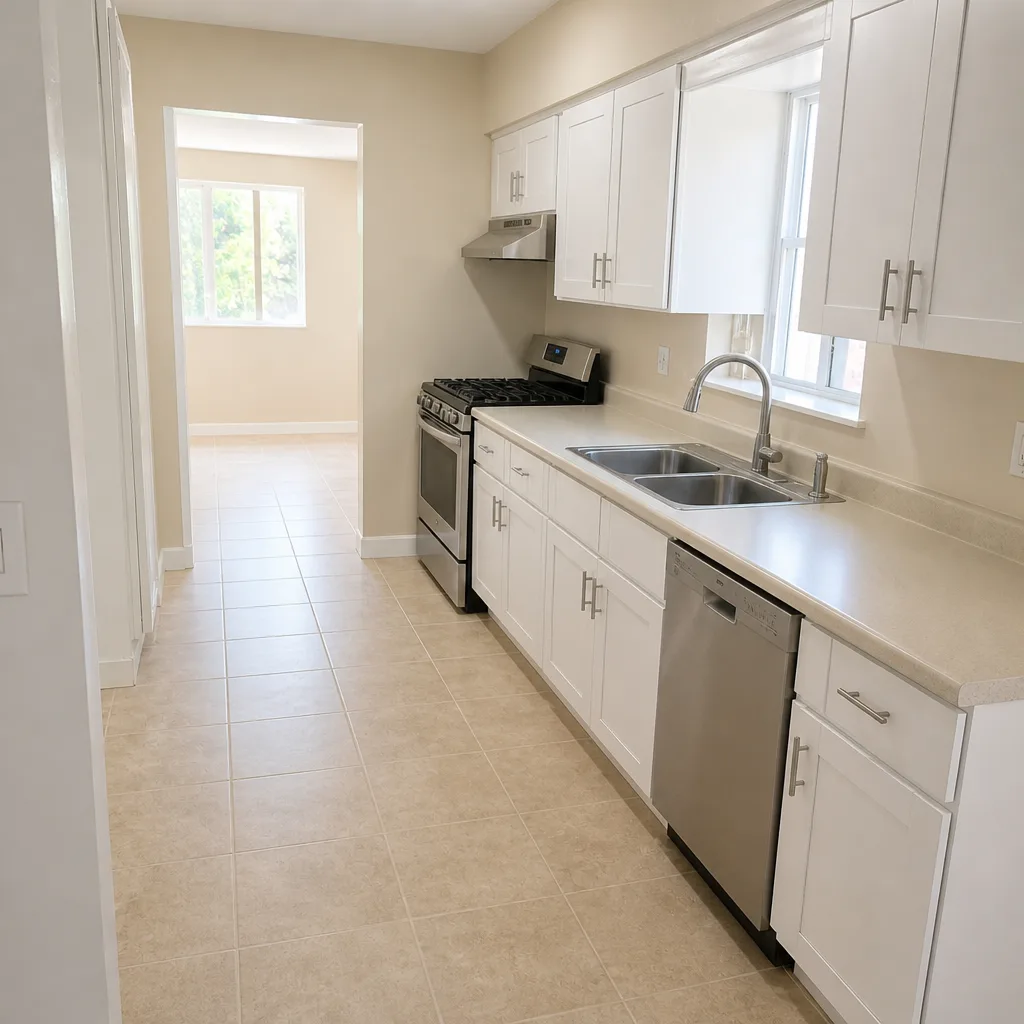 After
When to Call a Professional
Some fence projects genuinely need a licensed, insured contractor with HVHZ experience behind them. Call a professional if any of these apply: your fence sits on a corner lot or against a waterway and needs engineered wind-load plans, your HOA requires documentation from a licensed contractor, you don’t have clear property corners, you’re combining a fence with a driveway or a paver path, or you want the permit and inspection handled correctly without rework. A fence that fails inspection costs more than one that’s built right the first time. Groundwork Construction Co. of Kendale Lakes offers free estimates in Kendale Lakes. Call (844) 834-8961 to schedule one.
Frequently Asked Questions
Yes. Fence installation in Kendale Lakes almost always requires a Miami-Dade County building permit, and HVHZ properties require engineered plans documenting post spacing, footing depth, and material wind ratings. Building without one puts the fence at risk of code enforcement action. Call (844) 834-8961 for guidance on what your project needs.
Expect roughly $28 to $65 per linear foot for most residential styles, with block walls running higher, plus survey and permit costs. The number that matters for your lot comes from a written scope based on your sealed plans. Call (844) 834-8961 to schedule a free estimate for your property.
Not if the scope is written correctly. The surprises come from shallow footings discovered after digging, a survey that reveals the fence has to shift, or an HOA requirement the contractor didn’t account for. We price firm with no-hassle upfront pricing, so the number you see is the number you pay. Call (844) 834-8961 to talk through your project.
Plan on four to eight weeks combined, depending on how often your association’s architectural review board meets and how quickly the county reviews your plans. A missed HOA submission deadline can add another month. Building a real timeline into your plan is the single best way to avoid delays.
Aluminum and premium vinyl are the best low-maintenance performers, and CBS block is the most durable and wind-resistant. Wood is warmer on the eyes but needs sealing every couple of years and careful footing detail. What matters most is the product approval and the engineered installation, not the material label alone.
Yes, we handle the permit application, sealed plans, inspections, and HOA submission documentation as part of the project. Every fence project is backed by our 730-Day Done Right Promise, and our technicians have up to 12 years of experience with HVHZ fence work. Call (844) 834-8961 to get started.
The Bottom Line
A fence in Kendale Lakes isn’t a simple weekend project. It’s a wind-load calculation, an HOA negotiation, a Miami-Dade permit, and an insurance document all wrapped into one build. Get the boundary confirmed with a survey or plat, get written HOA approval, submit engineered plans that show real footing depth, and document everything when the job passes inspection. Any shortcut in that sequence costs more to fix than to do right. The companies that build fences here need the material approvals, the permit experience, and the insurance trail to back the work, and no fence should go up without all three.
Contact
If you’re ready to move from planning to pricing, we’re ready to walk your property. Call (844) 834-8961 for a free estimate, live person 24/7. Every project backed by our 730-Day Done Right Promise, no-hassle upfront pricing, and 0% financing for 18 months on approved projects. From foundation to finish line.
Written by the team at Groundwork Construction Co. of Kendale Lakes.