Last updated November 17, 2026




Free written scope consultation - allowances, timeline, and change-order rules on paper before a single trade is scheduled
Home Additions & ADU Maintenance Schedule: What to Do and When
Most addition warranties expire before homeowners ever run their first post-construction maintenance check, and the problems that void those warranties are almost always the ones a 20-minute annual inspection would have caught. We’ve walked into Kendale Lakes additions five years after completion, found the roof-to-wall flashing sealed with nothing but caulk, and watched a homeowner argue with a manufacturer over water damage that a $12 tube of sealant would have prevented. An addition or ADU doesn’t age like the rest of your house. It has its own roof plane, its own utility tie-ins, newer systems, and a transition zone where new construction meets old. This guide gives you the maintenance rhythm that keeps that structure performing at year ten exactly the way it did at year one.
Quick Answer
Run a full inspection at month 3, 6, and 12 after completion, then move to an annual cadence every fall before the wet season. Focus on the four transition zones: roof-to-addition flashing, impact window and door seals, the moisture barrier where new walls meet old, and every new plumbing and electrical connection. Check HVAC filters monthly for the first year and every 60 to 90 days after. Document everything with dated photos and receipts, because that record is what preserves both your warranty and your resale value.
Styles & brands we work with
- Kitchen remodeling
- Bathroom remodeling
- Home additions & ADU
- Roofing
- Windows & doors
- Driveway & pavers
- Fence
Table of Contents
- Your First-Year Month-by-Month Checklist
- The Structure-Transition Zone: Where Problems Actually Happen
- Annual Inspection Protocol for South Florida Weather Exposure
- HVAC and Mini-Split Maintenance for New Square Footage
- ADU Rental-Unit Maintenance That Keeps You Code-Compliant
- Documenting Maintenance for Warranty and Resale
- The Kendale Lakes Seasonal Maintenance Calendar
- Common Mistakes to Avoid
Your First-Year Month-by-Month Checklist
New construction moves. Lumber shrinks as it dries, concrete cures, caulk lines flex, and soil settles around new footings. That movement is normal, and it’s the reason the first twelve months need more attention than any year that follows. Here is the cadence we recommend to every homeowner after we turn over an addition.
Month 3: The Settlement Check
- Walk the perimeter and look for cracks in the slab or stucco wider than a credit card’s edge. Hairline cracks are expected; wider openings need a look.
- Open and close every new window and exterior door. If a door catches on the frame, the structure has shifted and the manufacturer’s alignment warranty may not cover neglect.
- Check the base of every new wall for soft drywall or discoloration. That’s the first sign of a moisture barrier issue.
- Look at the ground where the new roofline meets the old. Any ponding or soil erosion means the drainage isn’t working.
Month 6: The Wet-Season Check
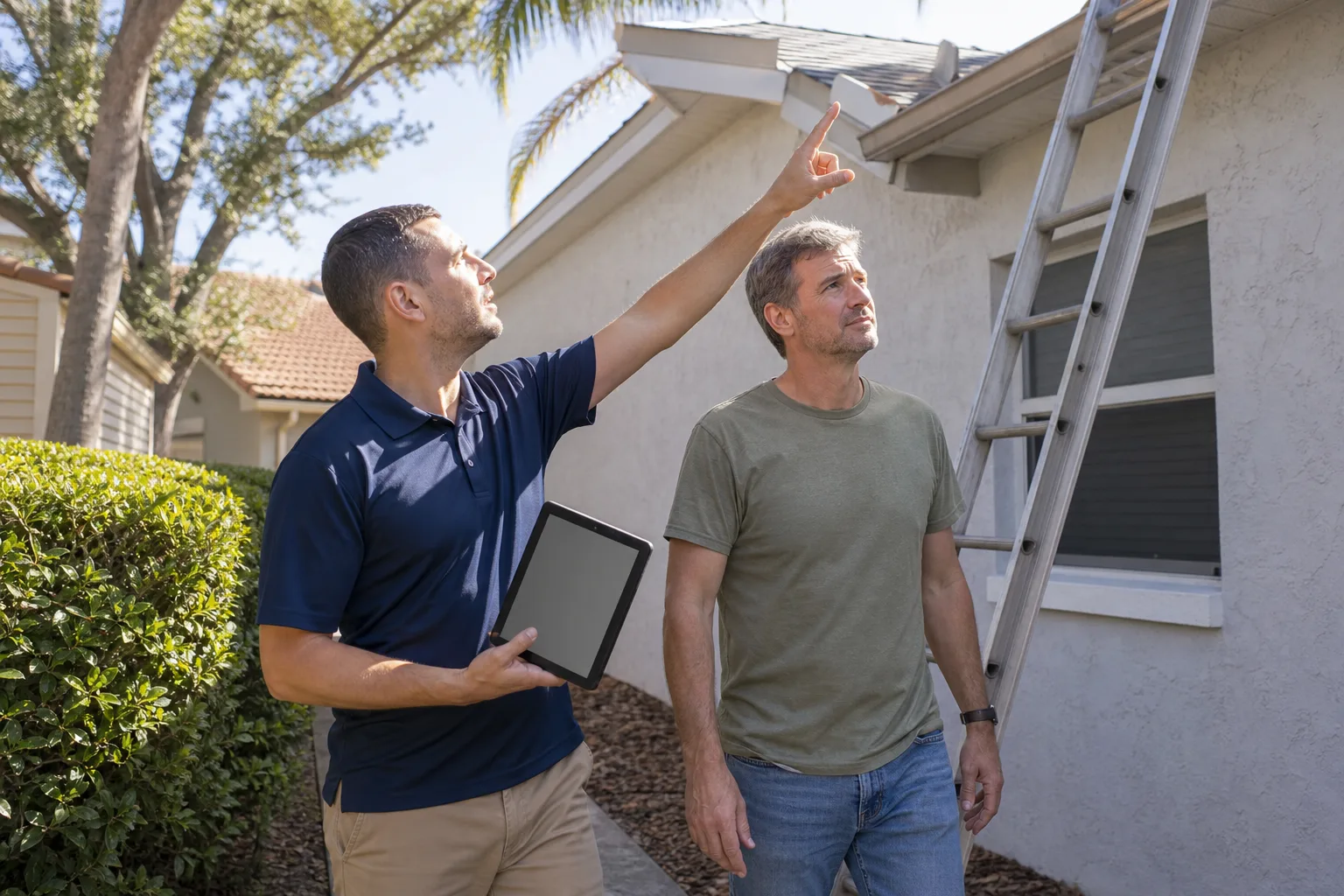
By month six in Kendale Lakes, your addition has been through a few serious rain events. After a heavy storm, get up into the attic (or have someone who can safely do it go up) and look for water staining on the underside of the new roof decking. Look at the flashing where the addition roof ties into the existing house. If you can see daylight through the roof-to-wall junction, you have a problem that needs a professional. Do not climb onto a wet roof yourself; falls are the leading cause of home-injury deaths and a licensed roofer carries the insurance for that work for a reason.
Month 12: The Full Warranty Review
Month twelve is when you do a complete walkthrough and write down anything that concerns you, then submit it in writing before your one-year builder warranty expires. Even with a longer workmanship guarantee, the one-year mark is when you flag it. Touch up caulk lines at windows and doors, re-seal any grout in new bathrooms, and change the HVAC filter one more time. Photograph everything with a date visible.
The Structure-Transition Zone: Where Problems Actually Happen
We’ve inspected hundreds of additions across Kendale Lakes, and the failures almost never happen in the middle of the new work. They happen where new meets old. The existing house has settled for decades; the addition has settled for months. They move at different rates, and any joint between them is under constant stress.
Roof-to-Additions Flashing
This is the single most failure-prone detail on any addition. The flashing should be a continuous metal piece, properly lapped, sealed with the correct sealant, and covered by the roofing membrane, not just surface-caulked. Surface caulk fails within two to three years in Florida sun. Check it annually, especially after the first wet season, and any time you see staining on a ceiling below it. If your addition roofline meets your original roof at a valley, that valley needs to be cleaned of debris at least twice a year because Kendale Lakes’ live oak and palm debris collects there fast.
Impact Window and Door Seals
Impact-rated windows and doors from manufacturers like PGT are only as good as their installation and their seals. The gaskets compress over time, and the perimeter caulk on the exterior needs to be inspected every year. Look for shrinkage, cracking, or gaps. A failed window seal doesn’t just leak; it lets humidity into the wall cavity where it can feed mold for months before you notice a stain. Slide new impact doors on their tracks once a month and clean the tracks quarterly.
The Moisture Barrier at the Wall Joint
Where a new exterior wall meets the old one, there should be a continuous weather-resistive barrier behind the siding or stucco, lapped correctly so water runs out, not in. You can’t see the barrier, but you can see its failures: bubbling stucco, peeling paint concentrated along the joint line, or a soft spot when you press on the wall near the base. If you see any of these, get a professional out to do a moisture reading. Catching this early is inexpensive; catching it after ten years of slow leak is a rebuild.
Annual Inspection Protocol for South Florida Weather Exposure
Kendale Lakes sits in a high-humidity, high-UV, hurricane-exposed climate, and that combination is genuinely harder on additions than most of the country. UV degrades sealants and plastics fast. Humidity drives moisture into every gap. Wind-driven rain finds weak points during storm season, which peaks from June through November. If you came from a drier climate, don’t assume your old maintenance habits transfer.
The Annual Fall Inspection (Before the Wet Season)
Run this every October, before hurricane season does its worst, or every May if you prefer a pre-season check:
- Clear the roof. Remove all debris from the addition’s roof and gutters. Do not climb a pitched roof during weather; hire a professional, because a fall from a two-story roof is a life-altering injury.
- Inspect flashing and valleys. Walk the perimeter from the ground with binoculars. Look for lifted flashing, missing sealant, or loose shingles. On steep or high roof sections, a licensed roofer should do this work.
- Test impact windows’ seals. Check perimeter caulk on every new window and sliding door for cracking or pulling away.
- Check the stucco joints. Run your hand and a flashlight along the transition line where the addition’s exterior meets the existing house.
- Verify grading and drainage. The soil should slope away from the addition at roughly a quarter-inch per foot for the first six feet. If you see settling, add fill and re-grade.
- Inspect the moisture barrier. Look for any soft stucco, bubbling paint, or dark staining near the wall base.
- Confirm exterior electrical and lighting are sealed. Every exterior outlet and fixture on the new addition should have a weatherproof gasket and cover.
After Every Named Storm
Within 48 hours of a tropical storm or hurricane passing near Kendale Lakes, do a quick visual walk. Look for lifted roof shingles, cracked window seals, water staining at ceilings, and standing water against the addition’s slab. Photograph anything that looks off, because homeowner’s insurance claims are decided on documentation, and the sooner you photograph the better. Do not attempt roof repairs yourself after a storm.
HVAC and Mini-Split Maintenance for New Square Footage
Adding square footage means adding load to your HVAC system, or adding a dedicated system entirely. Either way, the new equipment is the part of your addition most likely to fail quietly and cost you in ways you won’t notice until your electric bill doubles. We see this constantly in Kendale Lakes additions, where homeowners add a 400-square-foot bedroom and assume the existing air handler will handle it.
Filter Cadence
- First year: Change or clean the filter every 30 days. New construction releases dust, drywall particles, and off-gassing for months.
- After year one: Change monthly during the cooling season (May through October), every 60 to 90 days during winter. Kendale Lakes humidity keeps systems running nearly year-round, so err on the shorter side.
- Mini-splits: Clean the washable filter on each wall or ceiling unit every two to four weeks during cooling season. These units are prone to developing a musty smell if neglected in Florida’s humidity.
Ductwork and Coils
New ducts should be inspected at the one-year mark for proper sealing at every joint and for any sign of condensation (a sign of insufficient insulation in a humid climate). Have the indoor and outdoor coils cleaned professionally once a year. In a high-humidity climate, the condensate drain line is the piece that quietly clogs. Pour a cup of vinegar down the drain line every season and check that the condensate pan is dry, because a clogged condensate line will flood your new addition before you notice a stain.
Mini-Split Annual Service
For an ADU or addition with a dedicated mini-split, have a professional service it once a year: clean the blower wheel, check refrigerant charge, and flush the condensate drain. Skipping this in a humid climate can turn an inexpensive annual service into a compressor replacement.
ADU Rental-Unit Maintenance That Keeps You Code-Compliant
If your ADU in Kendale Lakes is a rental unit, your maintenance obligation is heavier than your own house’s, because habitability is a legal standard, not a preference. A missed filter change is inconvenient in your own home. In a rented ADU, it can expose you as a landlord to habitability complaints and liability, and it’s one of the top reasons we see ADU owners end up in disputes.
The Rental-Unit Protocol
- Document a baseline. Photograph every room, every appliance, and every smoke and carbon monoxide detector the day a tenant moves in.
- Schedule quarterly inspections. Every three months, walk the unit and check the HVAC filter, the smoke detectors, water under every sink, and any sign of water intrusion.
- Keep a maintenance log. Log every filter change, every repair, and every tenant report in a dated file.
- Verify safety systems annually. Test smoke and CO detectors, check that any bedroom has two means of egress, and make sure window operators work.
- Re-seal exterior caulk every 18 to 24 months. Florida sun cracks caulk at the windows and doors faster than tenants will report.
- Inspect after every storm. A quick tenant check-in after storms catches water intrusion before it becomes mold.
Habitability, Not Just Comfort
Under Florida residential law, a landlord must keep the unit in a habitable condition; working air conditioning, plumbing, weathertightness, and functioning smoke detectors are the essentials. When you’re the owner of an ADU in Kendale Lakes, the fastest defense against a habitability claim is a maintenance log you can hand over showing you checked. If your ADU was built by a licensed contractor, keep the construction paperwork alongside the maintenance log, because you may need it for permitting and resale disclosures. If your addition was permitted and inspected properly the first time, that paperwork is also the answer to a buyer’s question years down the line.
Documenting Maintenance for Warranty and Resale
Two things ride on your maintenance record: your warranty and your eventual sale price. Most workmanship warranties, including ours, honor claims from owners who can show they’ve maintained the work. And that same record is a powerful tool at resale, when buyers’ inspectors and appraisers ask for it. Our Home Additions & ADU in Kendale Lakes clients hear this from us at turnover: the best asset in an addition is a well-kept binder.
What to Keep
- Approved permits and all final inspection sign-offs
- Construction contracts and change orders
- Warranty documents from every manufacturer, including roofing, windows, HVAC, and appliances
- Dated photos from the first-year inspections and every storm walk
- Receipts or invoices for every professional service and repair
- The ongoing maintenance log for your own year-round checks
Where to Keep It
Keep one paper binder in the home (the kitchen drawer or a filing cabinet is fine) and one complete digital backup in a cloud folder with dated filenames. Name the photos by date and location (“2026-10-12-roof-addition-flashing”) so you can find them in seconds when a warranty or insurance issue comes up. Update it the same day you do the work. It takes two minutes and saves you a world of argument later.
The Kendale Lakes Seasonal Maintenance Calendar
Kendale Lakes’ climate gives you a rhythm to work with, and syncing your checklist to it makes the whole job easier to remember. Here is the calendar we hand to every homeowner after turnover.
Spring (March – May): Pre-Wet-Season
- Clear roof and gutters
- Inspect roof-to-addition flashing and window seals
- Service the HVAC system
- Check grading and drainage
Summer (June – August): Storm Season Watch
- Change HVAC filters monthly
- Clean mini-split filters every 2 – 3 weeks
- Inspect after every named storm
- Clear drains and condensate lines
Fall (September – November): Post-Season Repair
- Patch and re-seal any storm-related caulk or sealant failures
- Clean the roof valleys again after the leaf drop from Kendale Lakes’ trees
- Have the HVAC coils cleaned after a heavy cooling season
- Photograph everything you fixed for your warranty record
Winter (December – February): The Annual Walkthrough
- Full annual inspection across all four transition zones
- Verify smoke and CO detectors (great time to change batteries)
- Review the maintenance log and warranty dates
- Schedule any professional service for the coming year
Common Mistakes to Avoid
- Relying on surface caulk. Caulk on a roof-to-wall joint fails within two or three years in Florida sun, so repeat caulk-only fixes hide the fact that you need proper flashing. Fix the underlying detail, not the symptom.
- Ignoring the first wet season. We regularly see Kendale Lakes additions where the flashing leaked through the first August and the homeowner never went into the attic to check. By the time staining appears inside, the damage has been running for months.
- Skipping the annual window seal check. Impact windows and doors from makers like PGT and CGI are excellent systems, but their perimeter seals need yearly attention in this climate.
- Assuming a bigger HVAC system is fine. Many additions end up with undersized or wrongly ducted air handlers, which overwork and fail early. Have a professional verify the load calculation at year one.
- Not documenting anything. An undocumented addition warranty is often a warranty you can’t collect on when the claim actually matters.
- Treating a rental ADU like a home you live in. Rental units need a formal inspection cadence and a log, or you risk habitability complaints and liability.
- Climbing a roof for DIY inspections. Falls off roofs send people to the hospital. Leave roof work to licensed roofers who carry their own insurance.
See the difference
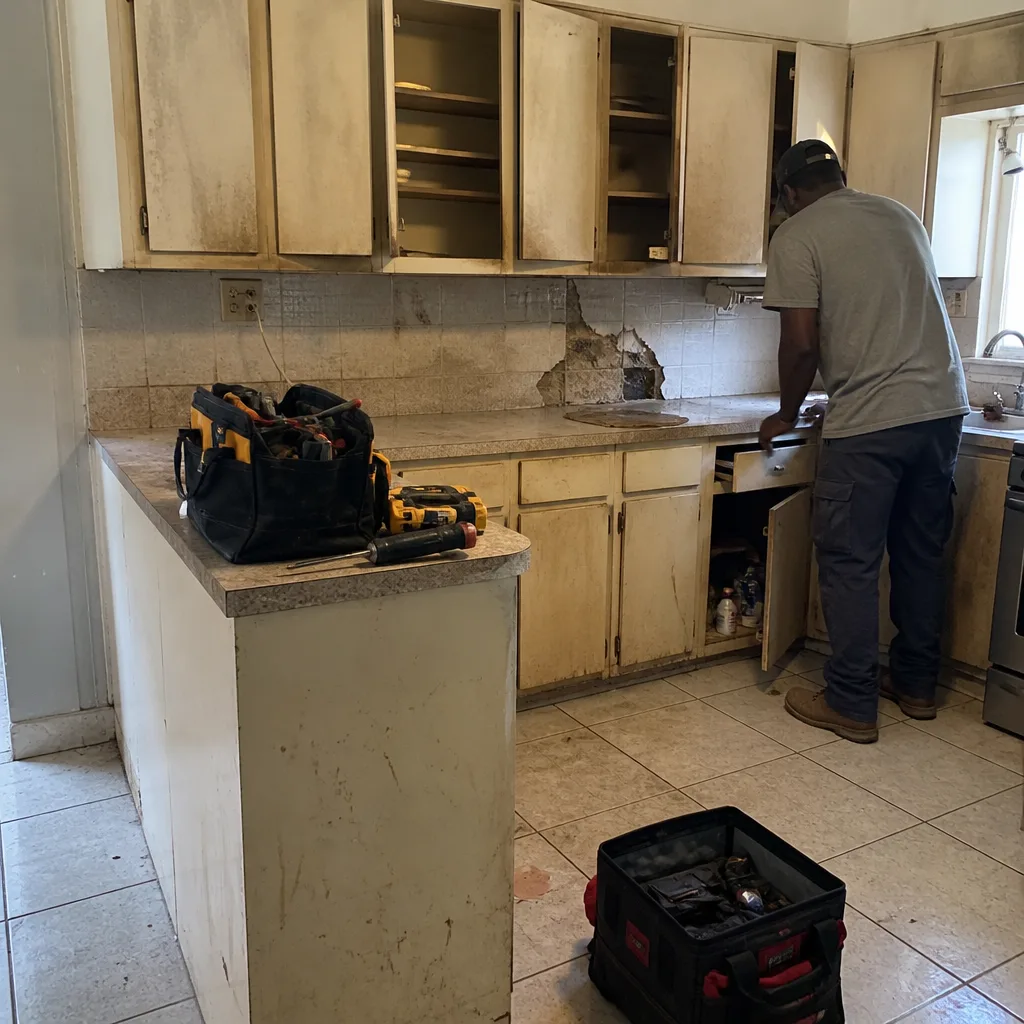 Before
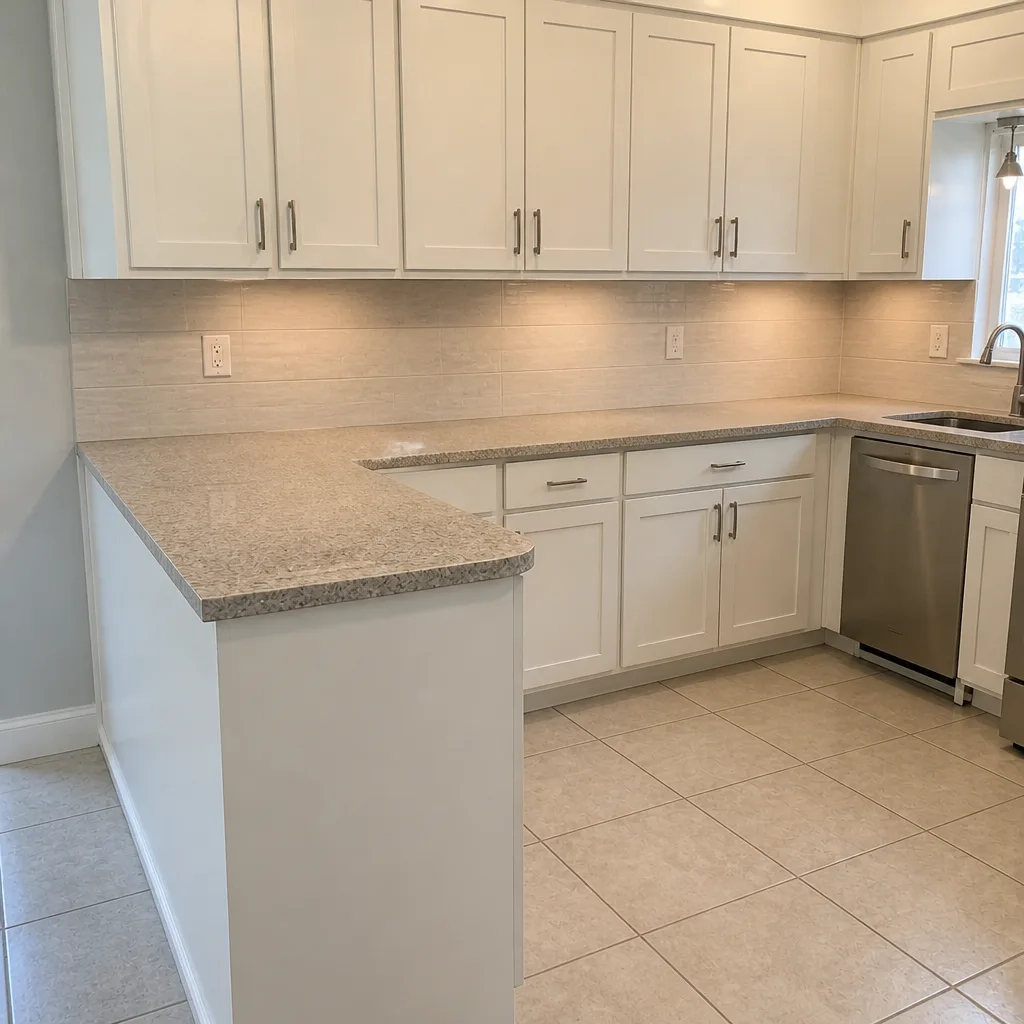 After
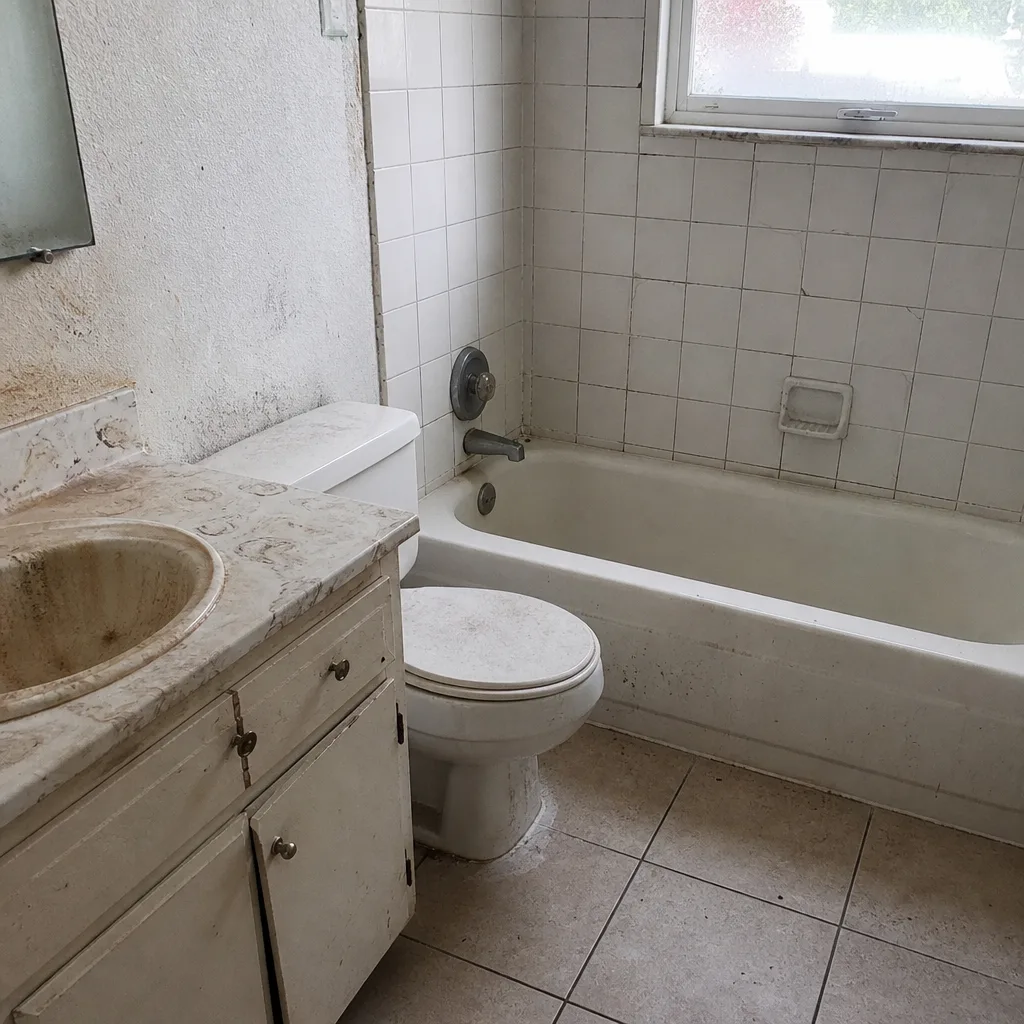 Before
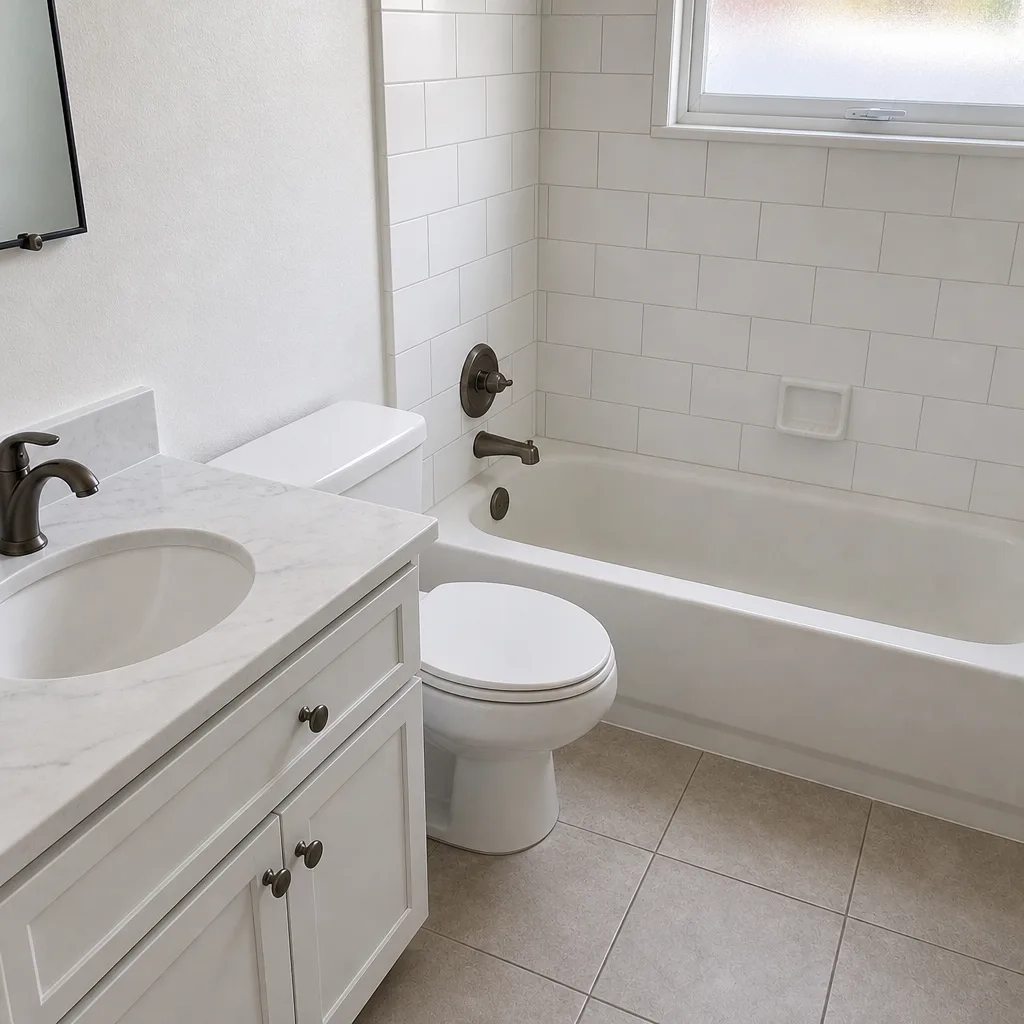 After
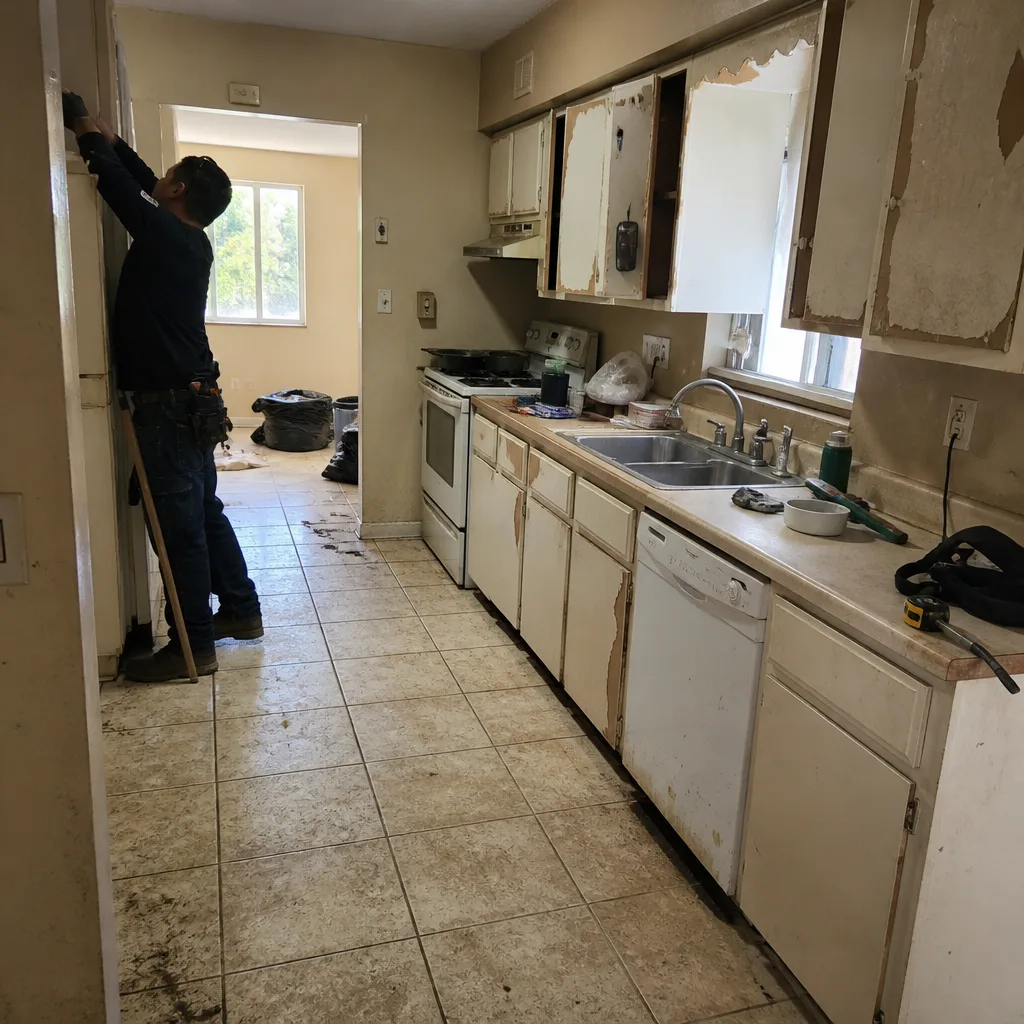 Before
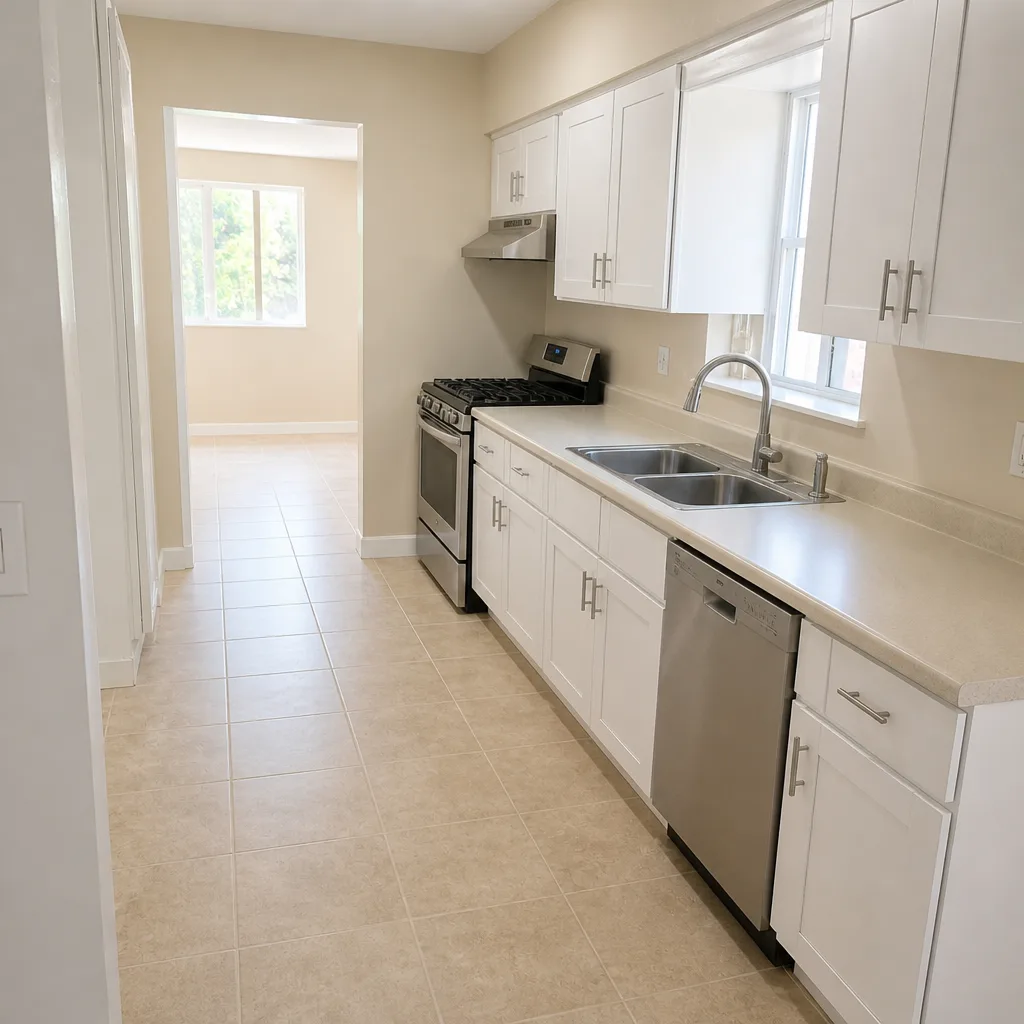 After
When to Call a Professional
Some things are do-it-yourself inspection; some things aren’t. Call a professional the moment you see ceiling stains, soft wall base, or bubbling stucco anywhere along the addition’s transition zone, because moisture intrusion hides for months and a professional moisture reading takes twenty minutes and tells you whether to worry. Call if your HVAC wasn’t load-sized at construction or if your electric bill jumped after the addition. Call for any roof inspection, for flashing repair, and for anything you can’t see clearly from the ground. If your flashing is failing, we can point you to the right roofer; for ground-level waterproofing and exterior trim, our Driveway & Pavers in Kendale Lakes and Fence Installation in Kendale Lakes crews also handle exterior waterproofing around the addition’s base. Groundwork Construction Co. of Kendale Lakes offers free estimates in Kendale Lakes – call (844) 834-8961.
Frequently Asked Questions
Inspect thoroughly at month 3, 6, and 12 after completion, then move to a full annual inspection every fall before the wet season, plus a quick visual walk after every named storm. The first-year cadence catches construction settling and warranty items while they’re still covered.
The roof-to-addition flashing. It’s the joint most exposed to wind-driven rain and most likely to have been surface-caulked instead of properly installed. Check it annually, after storms, and any time you see staining below it. If it’s leaking, call (844) 834-8961 for a free estimate before you do anything else.
Document everything. Keep dated photos, receipts, and a written maintenance log for every professional service and repair. Most workmanship warranties, including Groundwork’s 730-Day Done Right Promise, honor claims from owners who can show they maintained the work. Store a paper copy and a cloud backup.
You can do the ground-level and visual checks yourself; you should not climb the roof. Roof inspection, flashing repair, and anything requiring a ladder above head height belongs to a licensed professional, because falls from roofs are one of the most common causes of serious home injury. For ground-level checks, a professional moisture reading takes about twenty minutes and gives you peace of mind. Call (844) 834-8961 for a free estimate on any inspection or repair work.
Monthly during the first year, monthly during cooling season (May – October) after that, and every 60 to 90 days in winter. Mini-splits need their washable filters cleaned every 2 – 4 weeks in summer. Florida humidity keeps systems running nearly year-round, so err on the shorter side.
Do quarterly inspections, keep a dated maintenance log, test smoke and CO detectors annually, and re-seal exterior caulk every 18 to 24 months. If something breaks, fix it fast, because habitability is a legal standard in Florida, not a courtesy. Call (844) 834-8961 for a free estimate on any ADU repair or maintenance work.
The Bottom Line
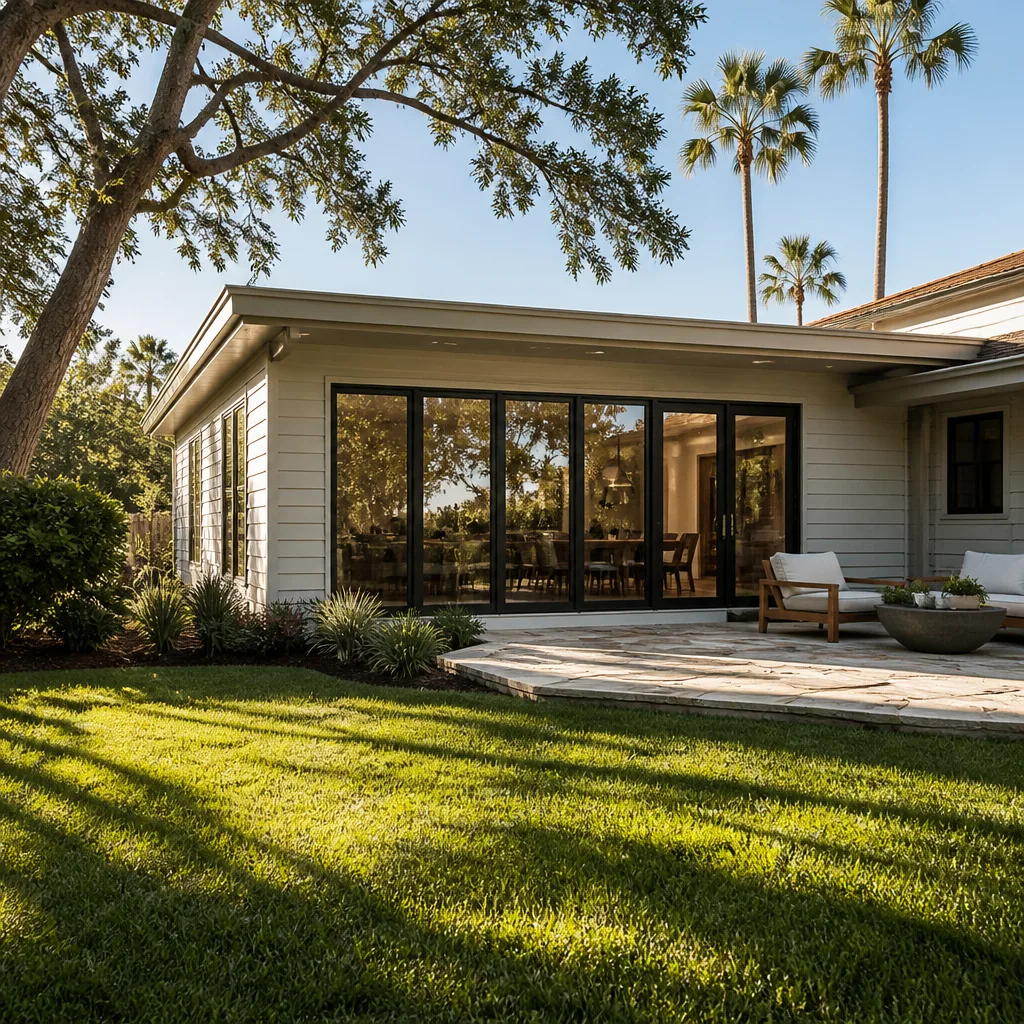
An addition or ADU is a different kind of maintenance job than the rest of your house. It has a transition zone, newer systems, and specific South Florida weather exposure that rewards a disciplined rhythm: month 3, 6, and 12 in the first year; annual inspections every fall after that; monthly filter changes during cooling season; quarterly checks on any rental unit. Document everything, in a paper binder and a cloud folder, because that record is what preserves your warranty and protects your resale price. When something looks wrong, especially in the roof-to-addition flashing or the moisture barrier at the wall joint, call a professional. If you’re getting ready for a new addition or ADU project, start with our Groundwork Construction Co. of Kendale Lakes home and see how we work, or call (844) 834-8961 to schedule your free estimate and design consult. Upfront pricing, no surprises, and everything backed by our 730-Day Done Right Promise – built to last, backed in writing.
Written by the team at Groundwork Construction Co. of Kendale Lakes.