
Free written scope consultation - allowances, timeline, and change-order rules on paper before a single trade is scheduled
Styles & brands we work with
- Kitchen remodeling
- Bathroom remodeling
- Home additions & ADU
- Roofing
- Windows & doors
- Driveway & pavers
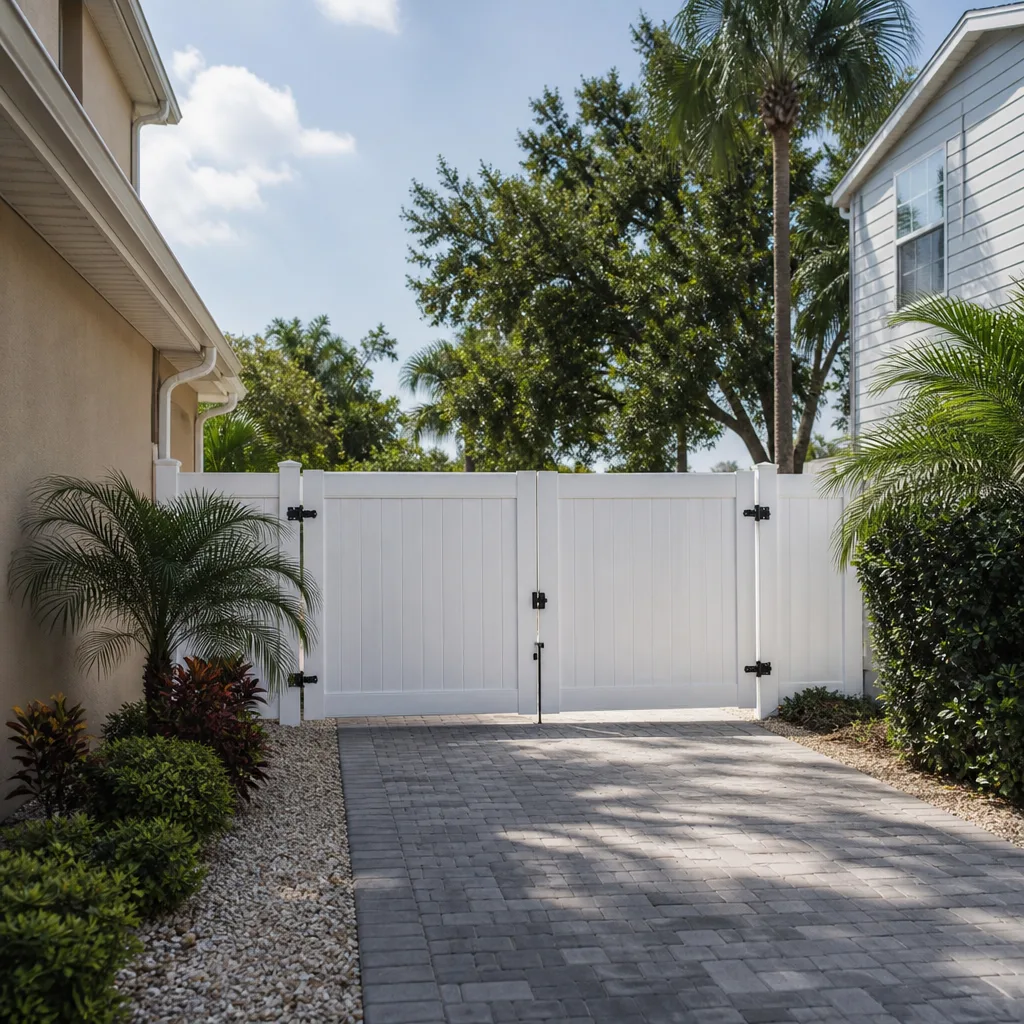
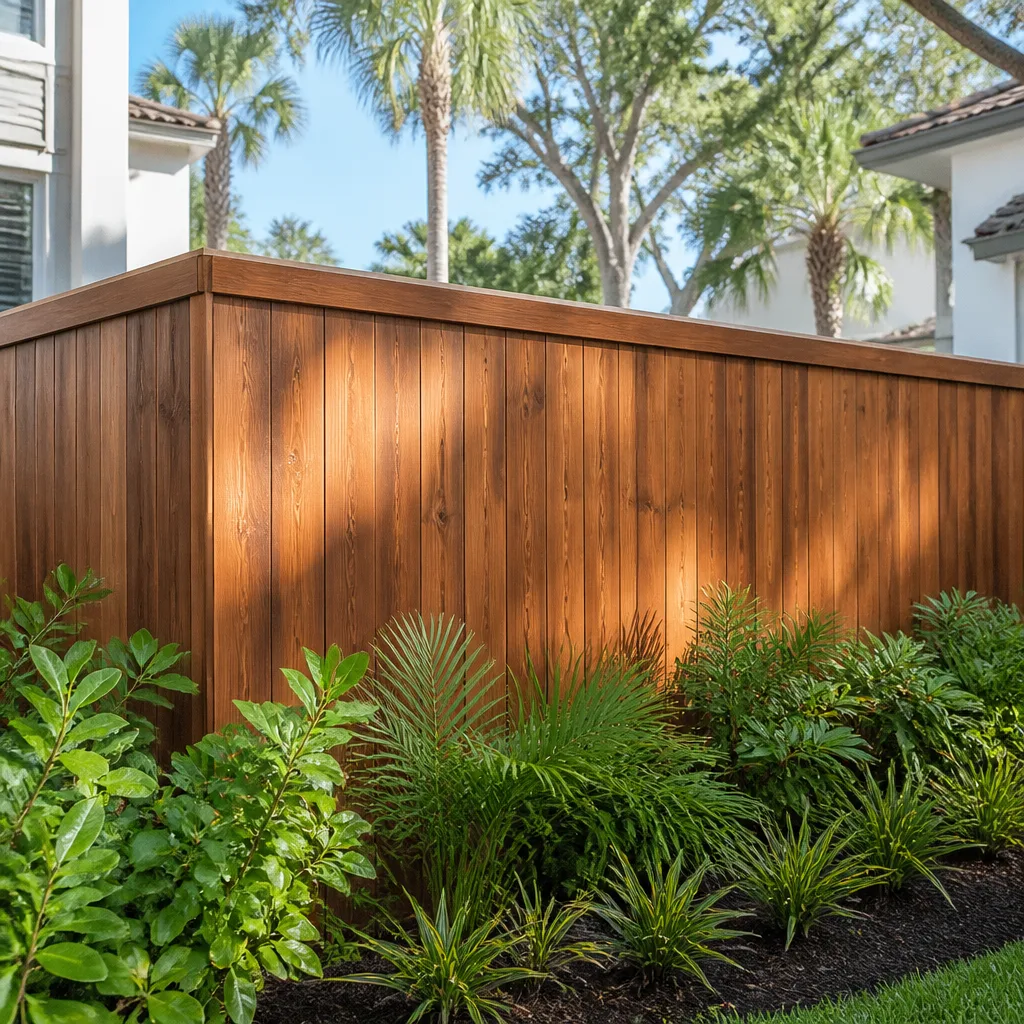
- Fence
See the difference
 Before
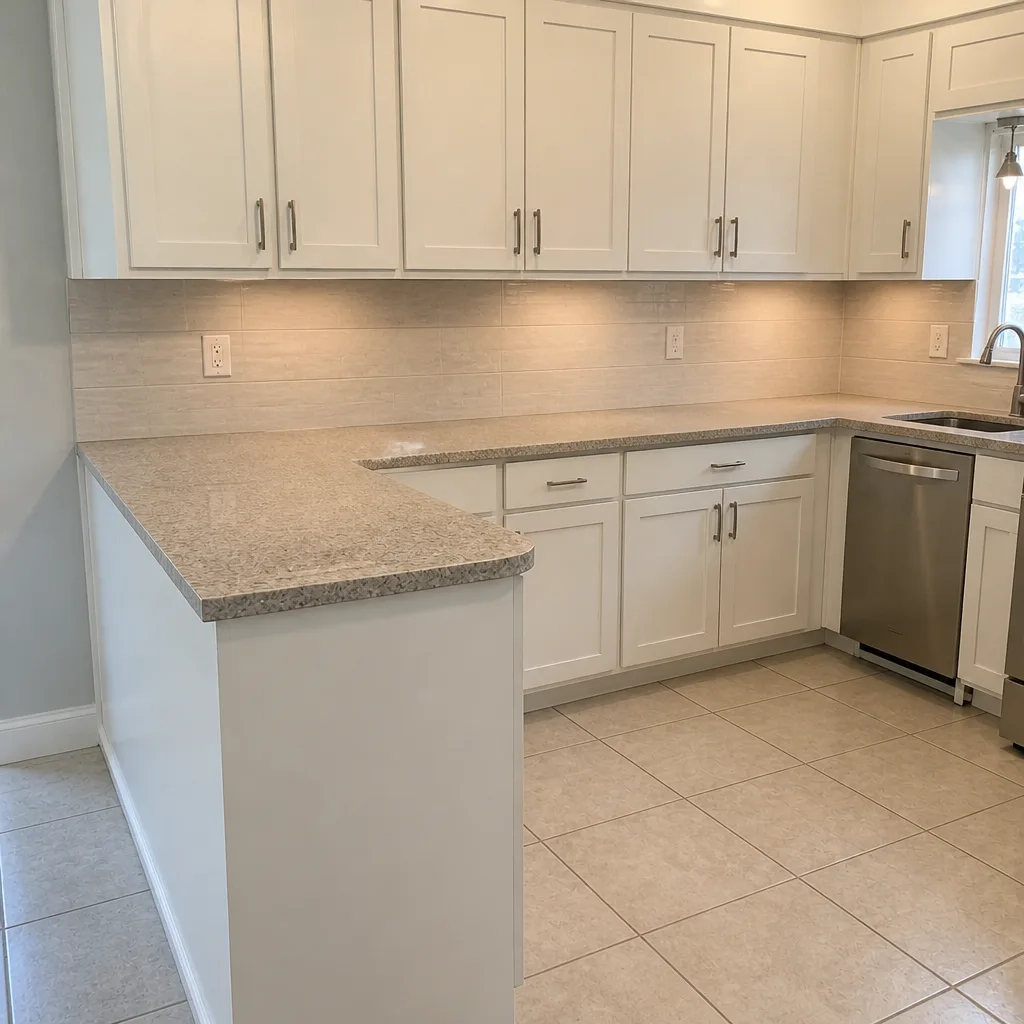 After
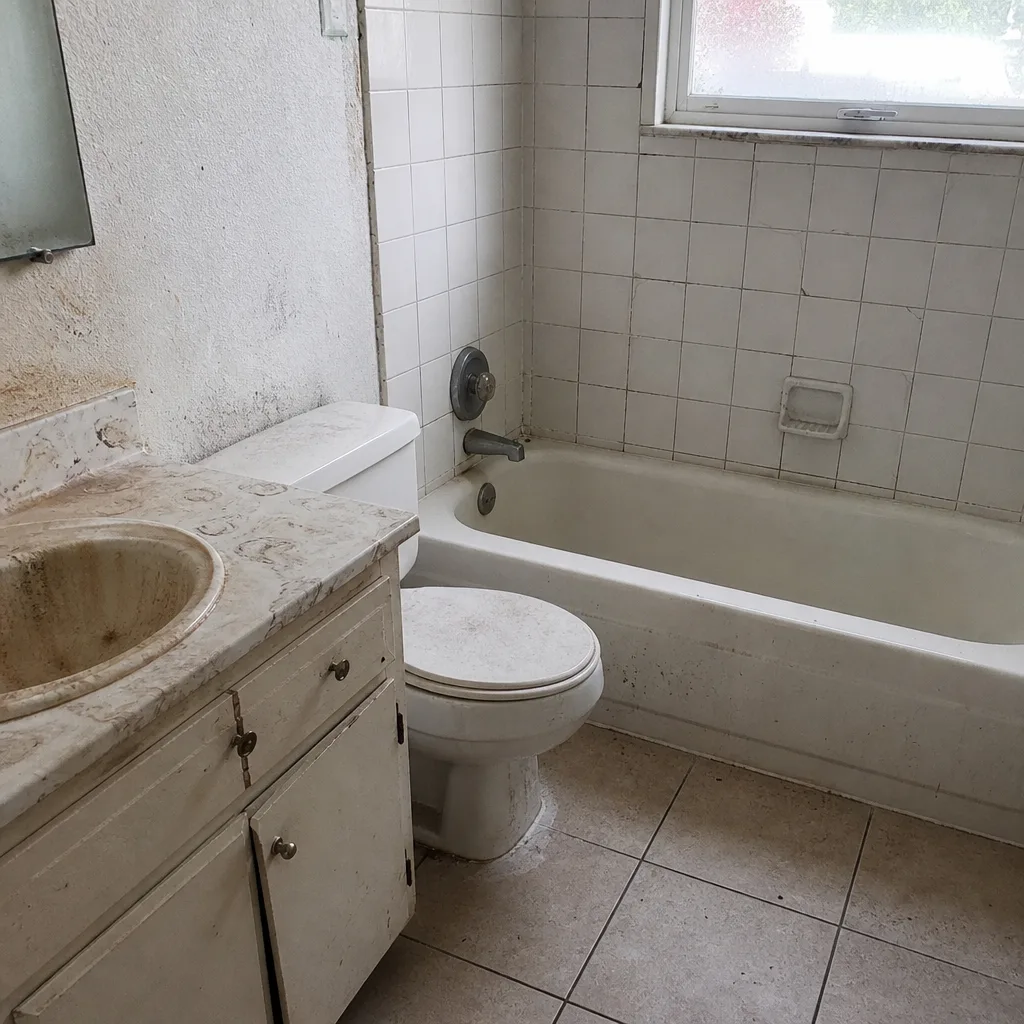 Before
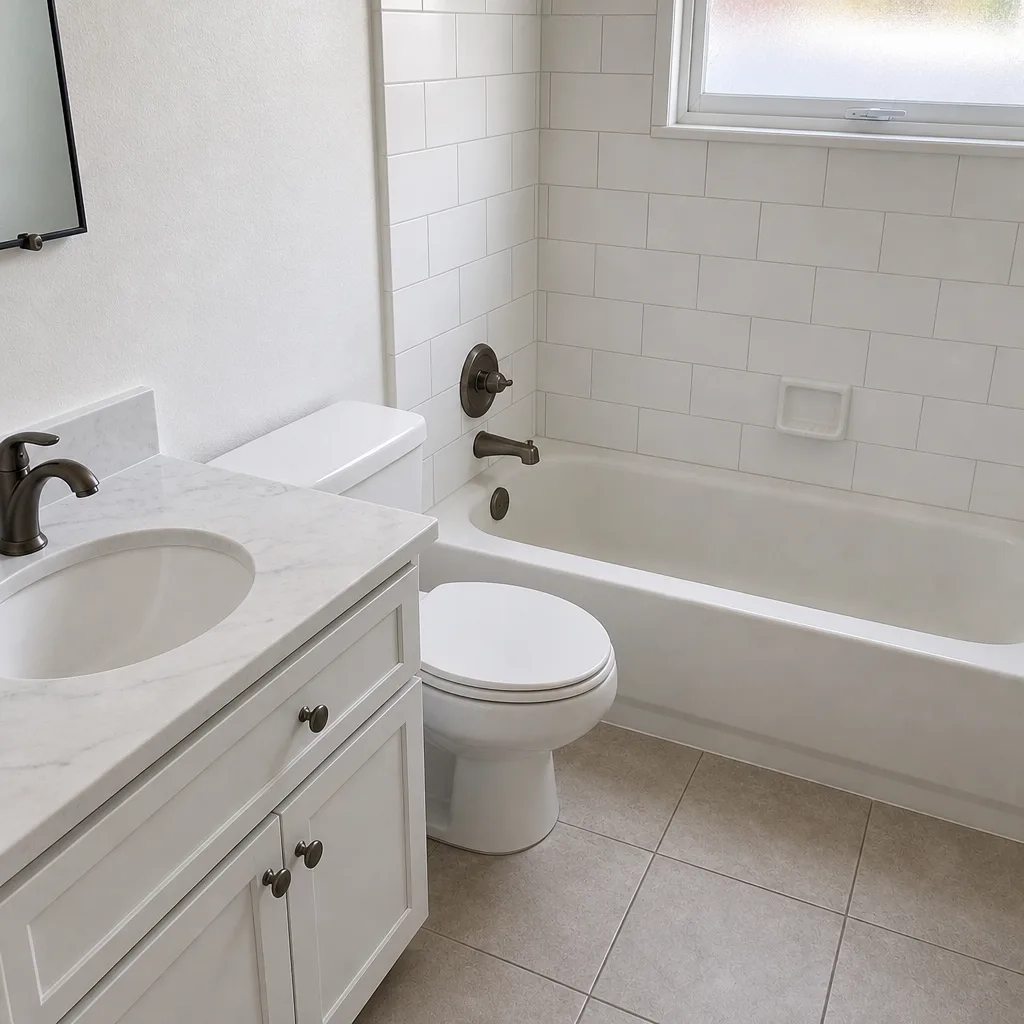 After
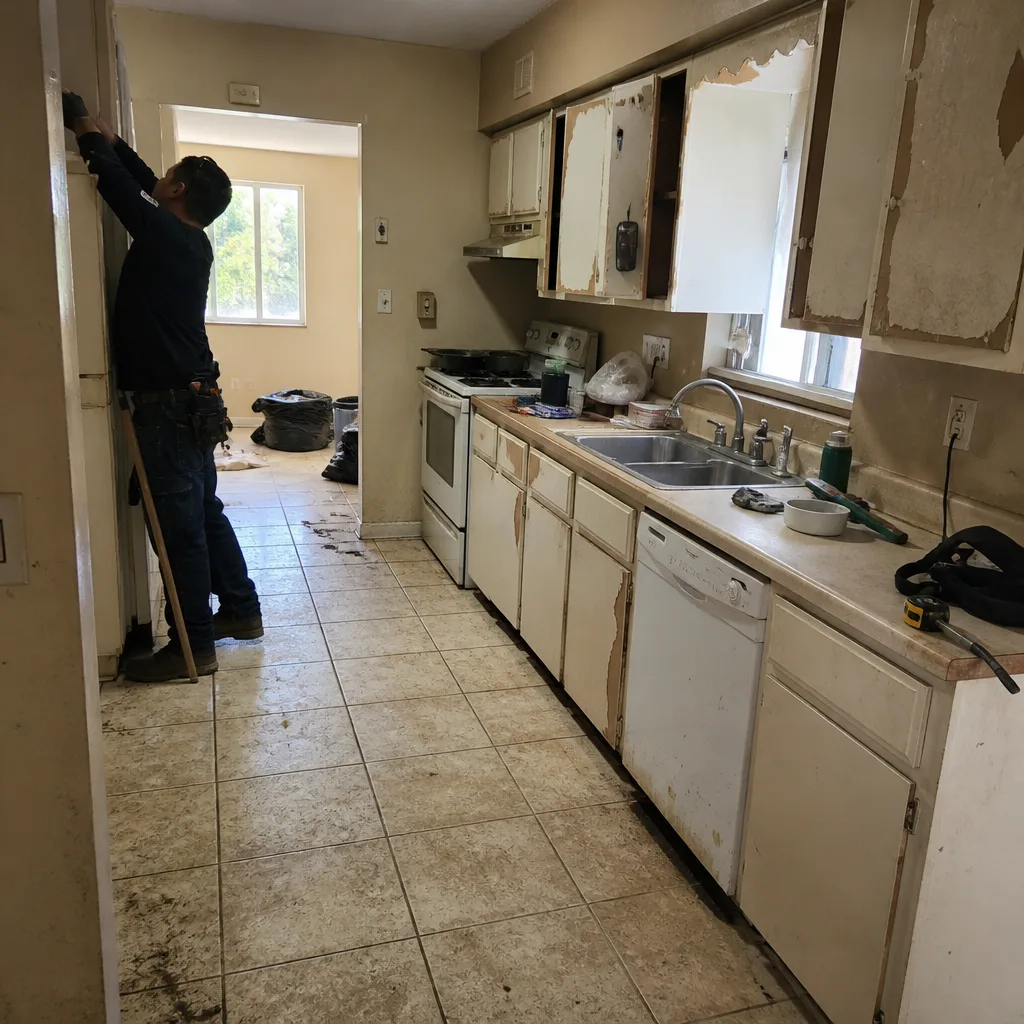 Before
 After
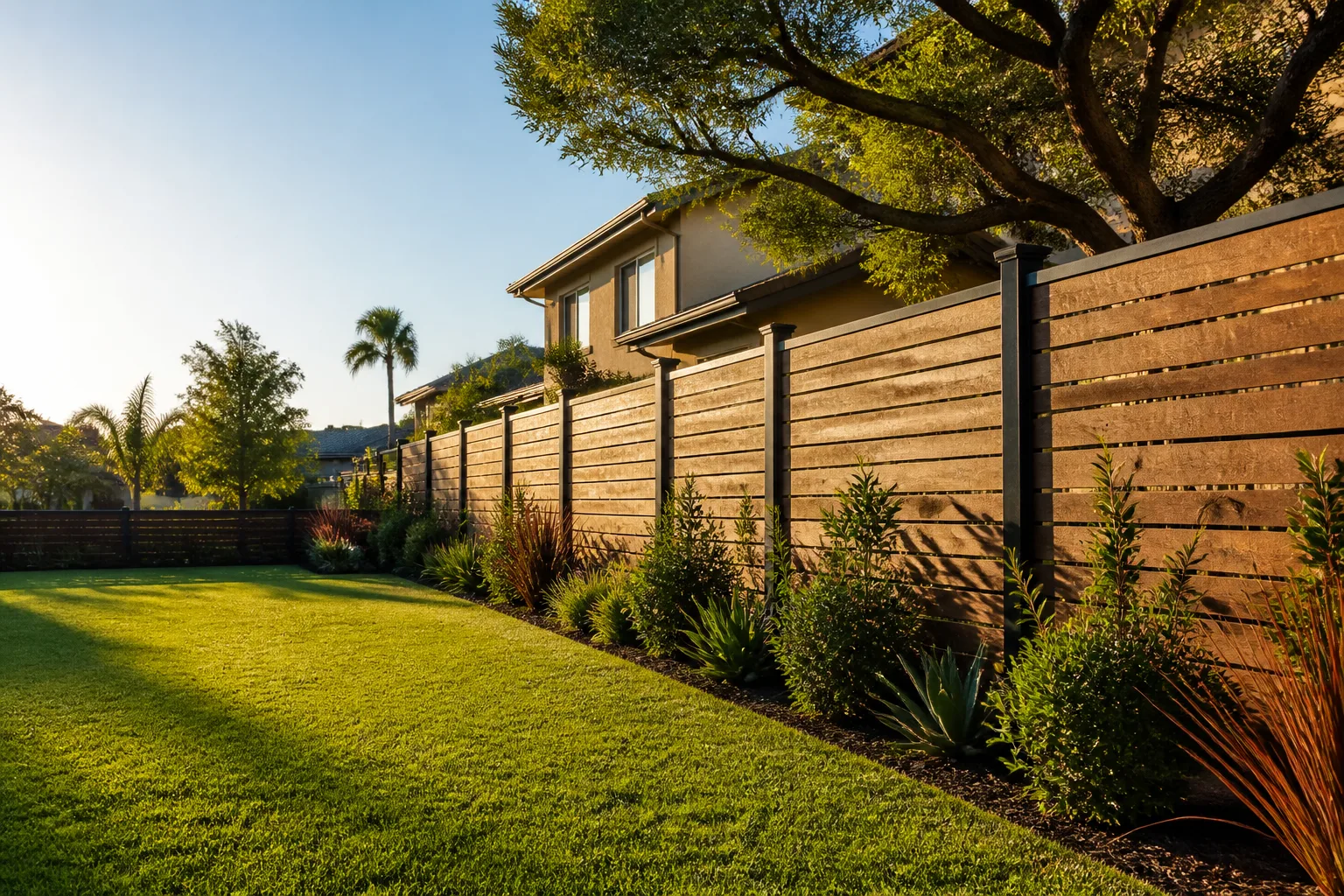
How Deep Should Fence Posts Be in Kendale Lakes, FL?
The short answer: not 1/3 of post height. In Kendale Lakes and the rest of Miami-Dade’s High Velocity Hurricane Zone, your posts need to be engineered to survive wind loading and saturated soil, not a national average. Call (844) 834-8961 if you’d rather have someone who understands this look at your property directly.
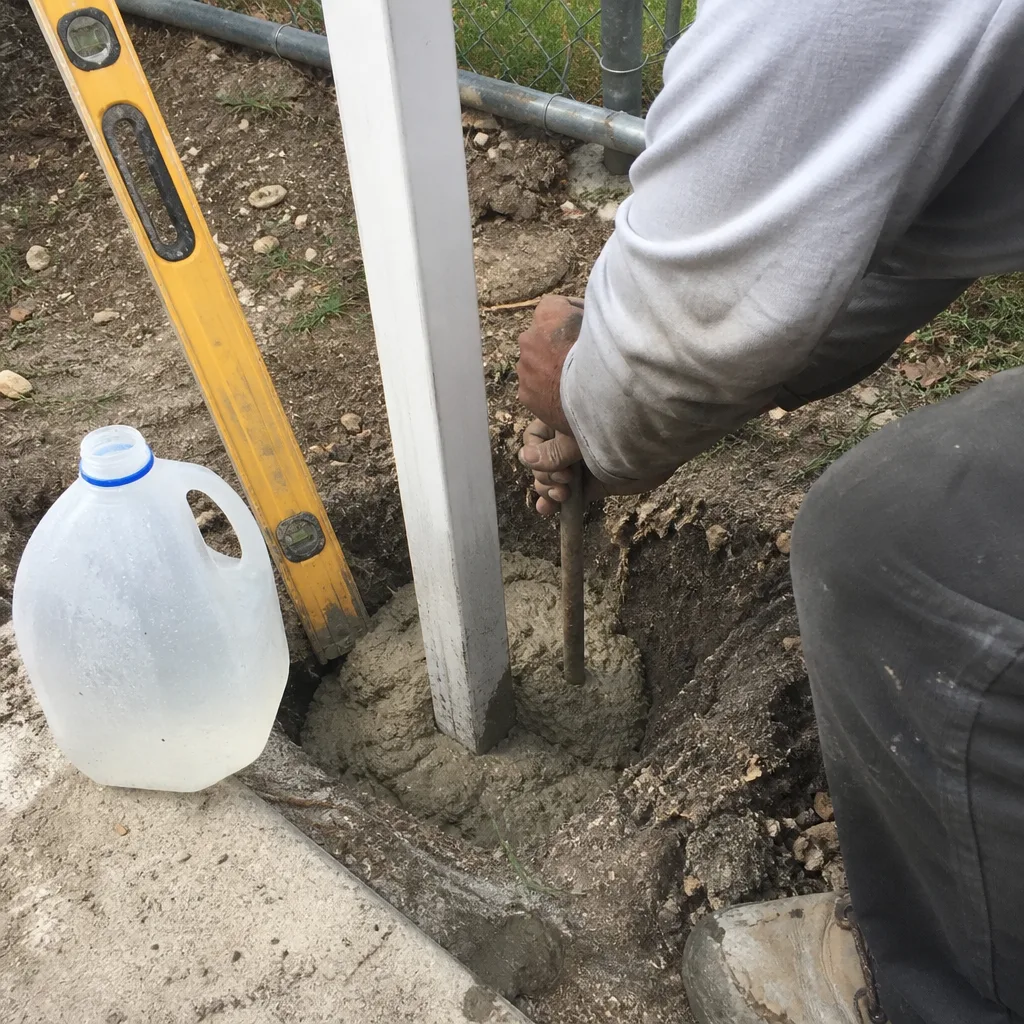
Here’s what that means in practice. The standard “1/3 of post height” rule will get you through a weekend project in Ohio. It won’t get you through a Kendale Lakes hurricane season. The HVHZ requirements and your water table don’t care about national averages. Most homeowners in Kendale Lakes learn this the hard way after a storm, not before. We’d rather you learn it now.
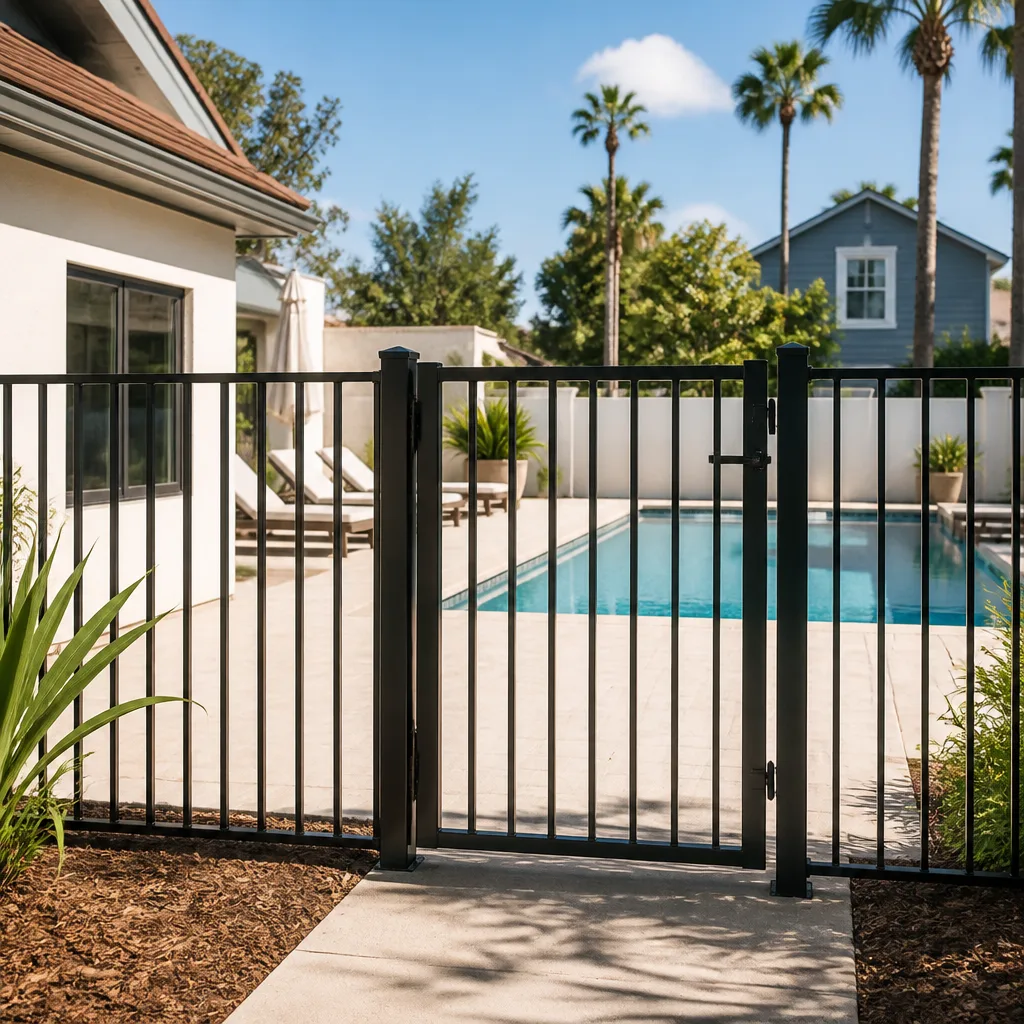
Why the 1/3 Rule Fails in Miami-Dade’s HVHZ
The 1/3 formula assumes ordinary wind loading. Miami-Dade is not an ordinary climate. Under Miami-Dade’s HVHZ code, fences are treated as structures that must resist specific wind loads, which typically means minimum embedment depths that exceed what the generic rule produces, plus a concrete collar around the base to lock the post against lateral movement during a storm.
Product approval is the other piece most DIY guides skip. HVHZ-compliant materials carry a Miami-Dade product approval number, and mixing components that aren’t approved for the zone can fail inspection or void insurance coverage on damage a storm causes. When we spec a fence – whether it’s a Tuff Shed-adjacent utility enclosure or a standard property-line run – the approved components come first, then the depth calculations follow.
That changes the labor estimate. Concrete collars alone add materials and cure time. That’s why fence installation in Kendale Lakes typically runs $3,500-$9,000 for a standard residential run, and why a properly engineered HVHZ fence costs more than a weekend-project version.
Your Soil Is the Real Problem: Sandy Fill Over Oolitic Limestone
Kendale Lakes sits in western Miami-Dade, where the soil profile is sandy fill over oolitic limestone. That matters more than any generic depth formula.
On most properties here, post holes hit rock at 18 to 24 inches. That’s not a warning sign. It’s a decision point. Going deeper requires hammer-drilling or core boring, which adds labor and equipment to the job. Skipping it and stopping at the rock line means your post is sitting on a ledge instead of being anchored in substrate.
The community is a large, build-out 1970s-80s planned subdivision, so almost every fence job here runs along a property line against existing concrete-block homes and HOA-governed lots. Small yards, no vacant ground to work with, and neighbors close on both sides. That doesn’t change the depth math, but it does raise the cost of a mistake – a leaning fence line in a Kendale Lakes backyard is visible from three properties, not just yours.
If your fence runs a longer span or you’re replacing an older run, a free estimate will tell you whether the old posts are set at the right depth or whether the whole line needs to be reset. Either way, you’ll know before anyone touches a shovel.

The Water Table Issue Nobody Warns You About
Miami-Dade’s high water table means saturated soil for most of the year. A post set in saturated ground without a properly sloped concrete crown will wick moisture upward, and that accelerates rot at the base. This is the number-one failure mode on Kendale Lakes lots – and it has nothing to do with how deep the post was set.
Setting the post deep enough and protecting it against moisture are two separate problems. Both have to be solved at the same time, or you’ll have a 6-inch deeper post rotting two years later.
For wood fences specifically:
- Ground-contact rated wood only – non-rated lumber rots faster at the base and in our experience fails first at the soil line, not the top
- Properly sloped concrete crown to shed water away from the base
- Post depth that accounts for the saturated/unsaturated cycle, not just the post height
- Regular moisture protection reapplied more often than in dryer climates
Post Depth by Fence Material
Depth requirements vary by material. Wood needs the deepest embedment because the post itself is the structural member going into the ground. Aluminum and vinyl systems with engineered surface-mount bases change the equation.
| Material | Approach | Considerations in Kendale Lakes |
|---|---|---|
| Ground-contact wood | Deep embedment with concrete collar, HVHZ-approved | Deepest footings, moisture-wicking risk at base |
| Vinyl with surface-mount base | Engineered surface-mount base, HVHZ-approved | Avoids soil-moisture problem at base; needs correct anchor spec |
| Aluminum with surface-mount base | Engineered surface-mount base, HVHZ-approved | Same advantage; confirm product approval number |
| Concrete or masonry post | Core-bored where limestone is hit | Most labor-intensive; best long-term durability |
For vinyl fence installation in Kendale Lakes ($3,500-$9,000) and aluminum fence installation ($4,000-$10,000), the surface-mount base approach often sidesteps the water table problem entirely. On a lot where an auger hits limestone every 20 feet, that can mean the difference between a full-day install and a two-day job with core boring. If your neighbor’s fence is already leaning after a wet summer, that’s usually the same soil condition showing up on their side of the property line.
Getting the material choice wrong for your lot is more expensive than getting it right the first time. The 730-Day Done Right Promise exists because we’d rather make it right in year one than defend a shortcut in year three.
Who’s Making the Embedment Decision on Your Property
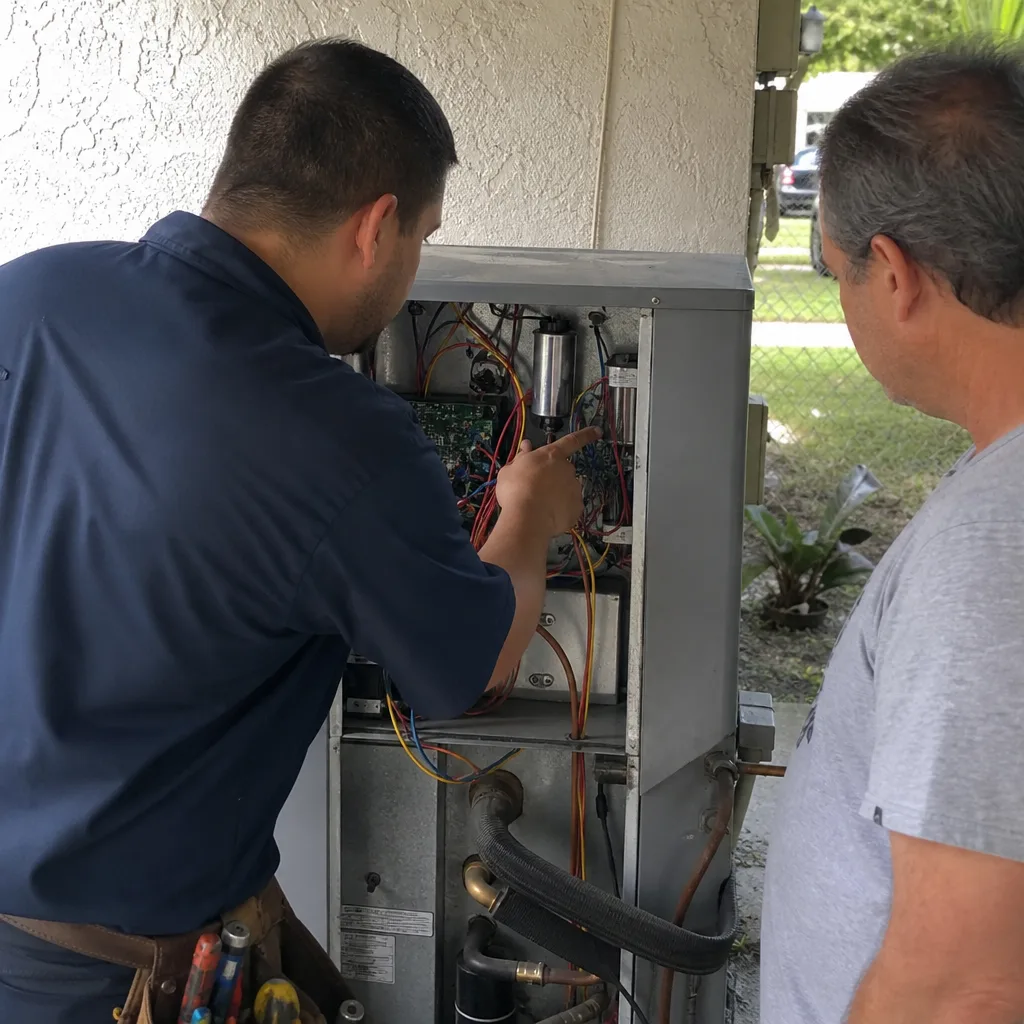
The consequences of a post set 6 inches too shallow won’t appear until a storm hits, and by then a fly-by-night crew is long gone. That’s the reason to know who’s on your property making that decision. Our technicians are background-checked and arrive in uniform, and they’ve got up to 12 years of experience reading soil and matching embedment depth to material and HVHZ approval. Every job comes with the 730-Day Done Right Promise, so if something’s off in year one or year two, the fix is on us.
Key Takeaways
- The 1/3 rule is a minimum for calm-climate use. Kendale Lakes sits in Miami-Dade’s HVHZ, which requires deeper embedment, concrete collars, and approved components.
- Soil here is sandy fill over oolitic limestone. Some posts hit rock at 18-24 inches and require hammer-drilling or core boring – a cost most guides never mention.
- The water table is the failure mode most homeowners aren’t warned about. Saturated soil wicks up a post without a properly sloped concrete crown. Wood needs the deepest embedment; vinyl and aluminum surface-mount systems often skip the fight entirely.
FAQs
Deeper than the 1/3-of-post-height rule suggests, and the specific depth depends on your material and the soil under your lot. In Miami-Dade’s HVHZ, embedment depth is set by wind-load requirements and product approval, not by a generic formula. Call (844) 834-8961 for an exact figure for your property – estimates are free.
Not if you want it to pass inspection or stand up to hurricane season in Kendale Lakes. Miami-Dade’s HVHZ requirements call for proper anchoring, and concrete collars are the standard method for wood posts. Surface-mount systems for vinyl and aluminum use engineered bases instead, but they still need to be HVHZ-approved. The short version: no shortcuts that fail a wind-load check.
Most residential fence installations in Kendale Lakes run $3,500-$9,000 for vinyl and $4,000-$10,000 for aluminum. On lots where a post hole hits limestone at 18-24 inches, expect additional labor for hammer-drilling or core boring. Upfront pricing means you see the number before anyone starts – call (844) 834-8961 for a free estimate.
Vinyl or aluminum on an engineered surface-mount base often holds up better in Kendale Lakes because it sidesteps the water table and moisture-wicking problem that shortens wood fence life here. Wood can work – it just needs ground-contact rated lumber, deeper embedment, and a properly sloped concrete crown. HOA review in the planned sections of Kendale Lakes may also limit your material options, so check before you order.
If you’d rather have it looked at, Groundwork Construction Co. of Kendale Lakes offers a no-pressure assessment in Kendale Lakes – call (844) 834-8961. We’ll walk the property line, check your soil and existing posts, and tell you what your fence actually needs – no guessing at depth, no surprises on the invoice.
Written by the team at Groundwork Construction Co. of Kendale Lakes, serving Kendale Lakes, FL.