





Free written scope consultation - allowances, timeline, and change-order rules on paper before a single trade is scheduled
Styles & brands we work with
- Kitchen remodeling
- Bathroom remodeling
- Home additions & ADU
- Roofing
- Windows & doors
- Driveway & pavers
- Fence
See the difference
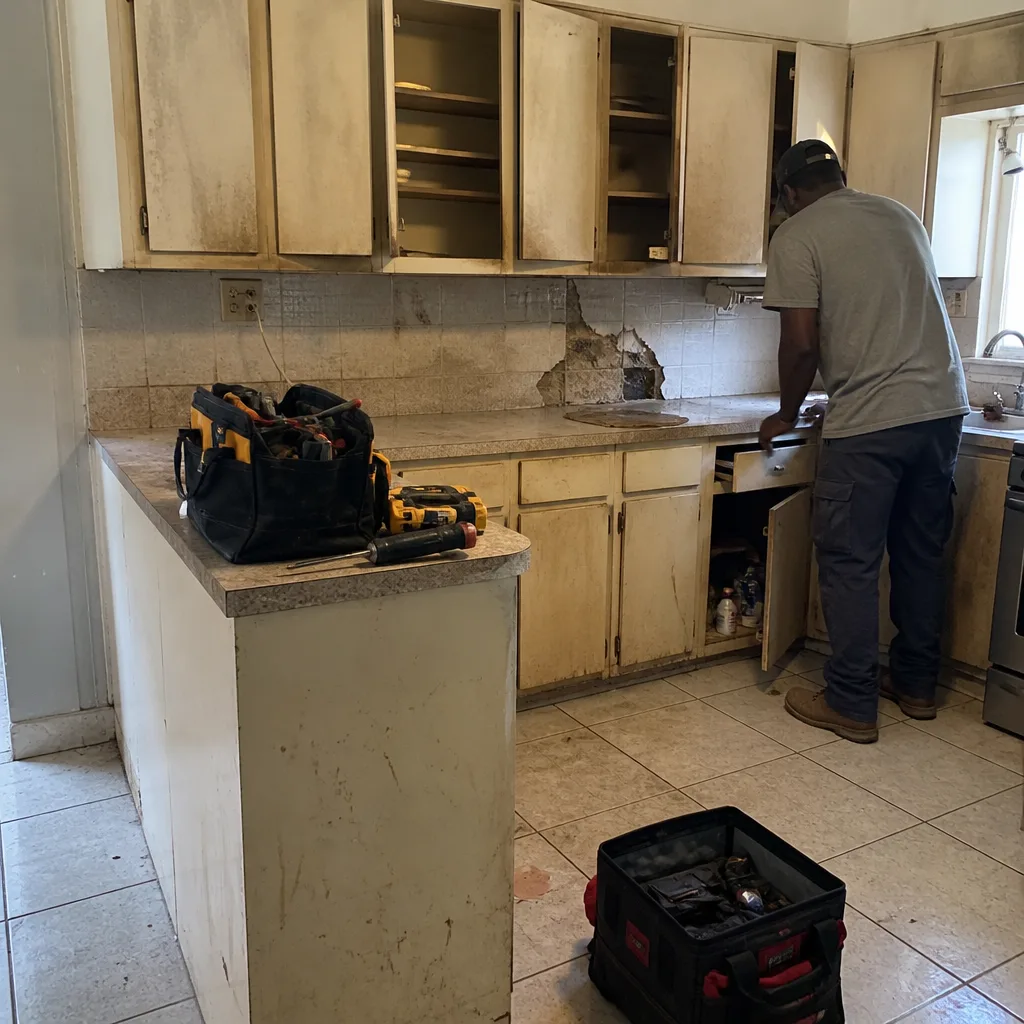 Before
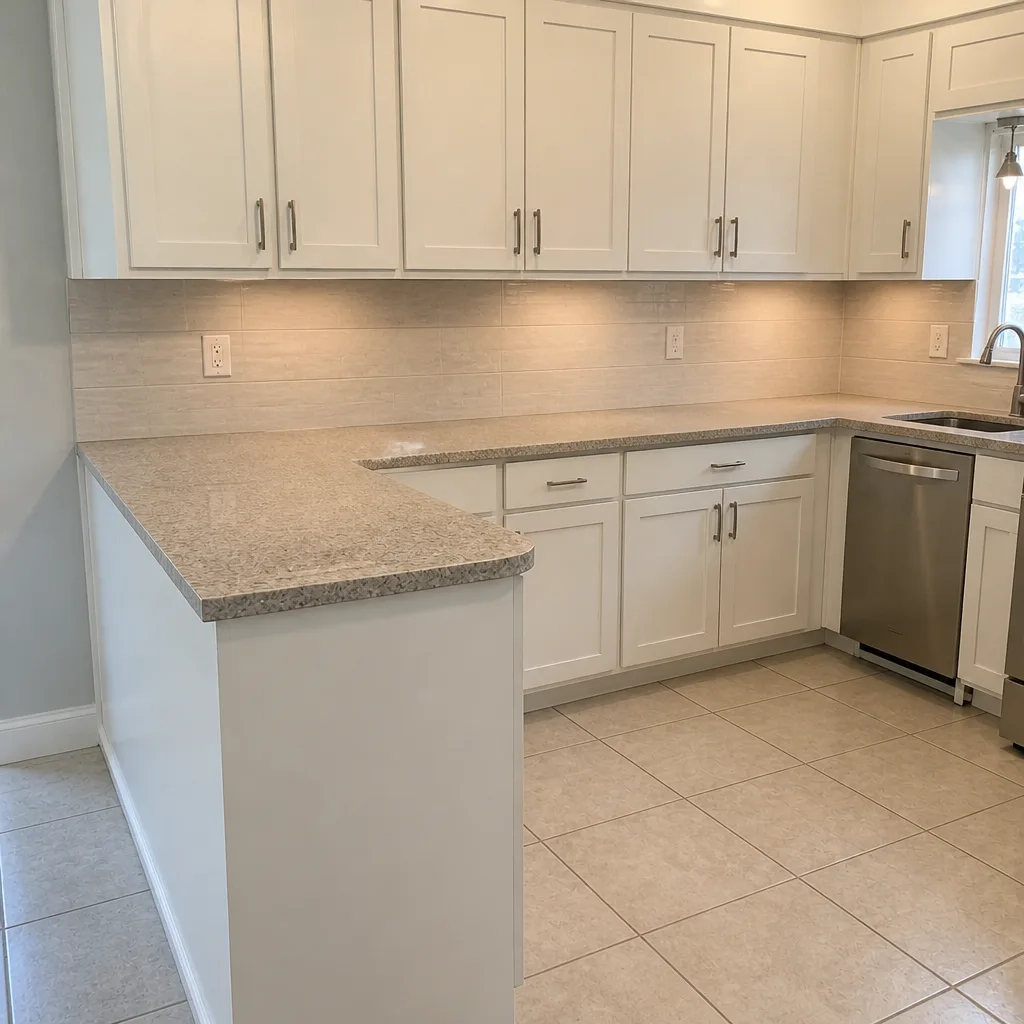 After
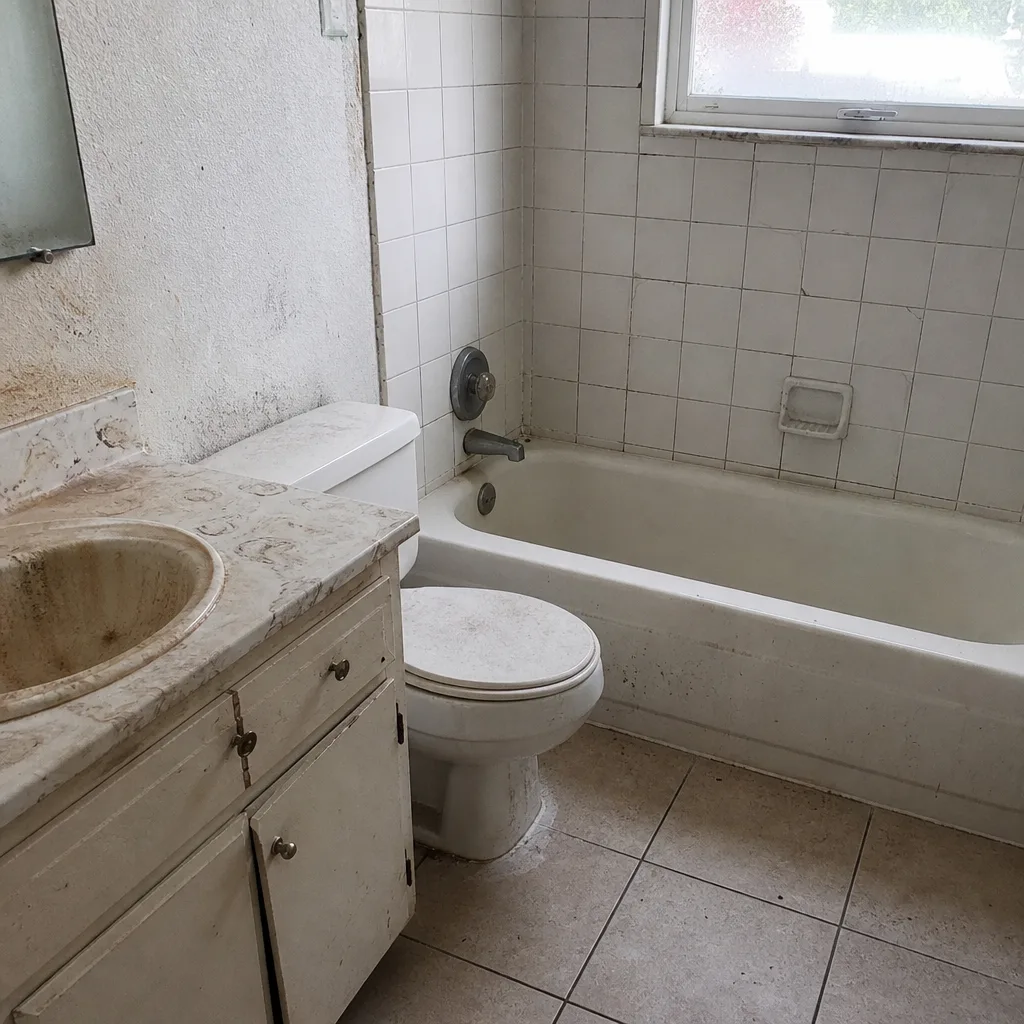 Before
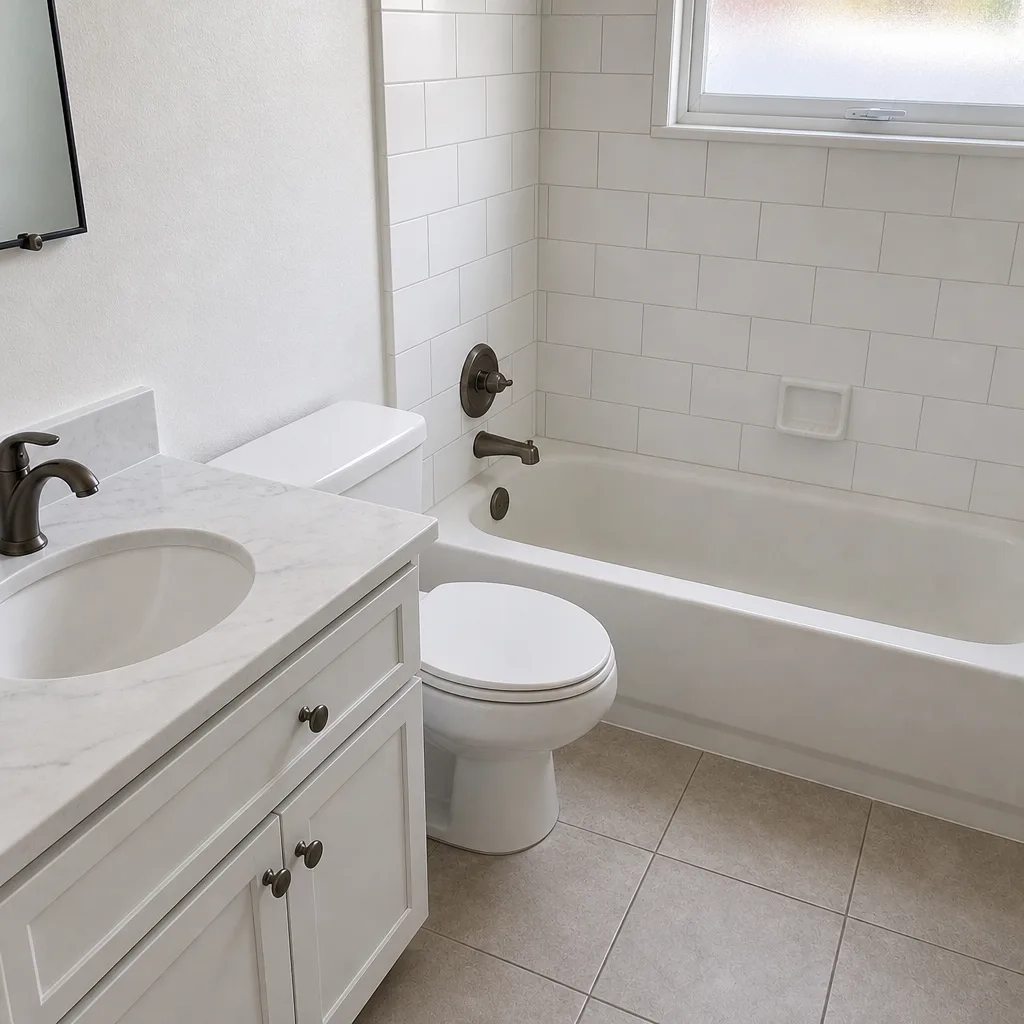 After
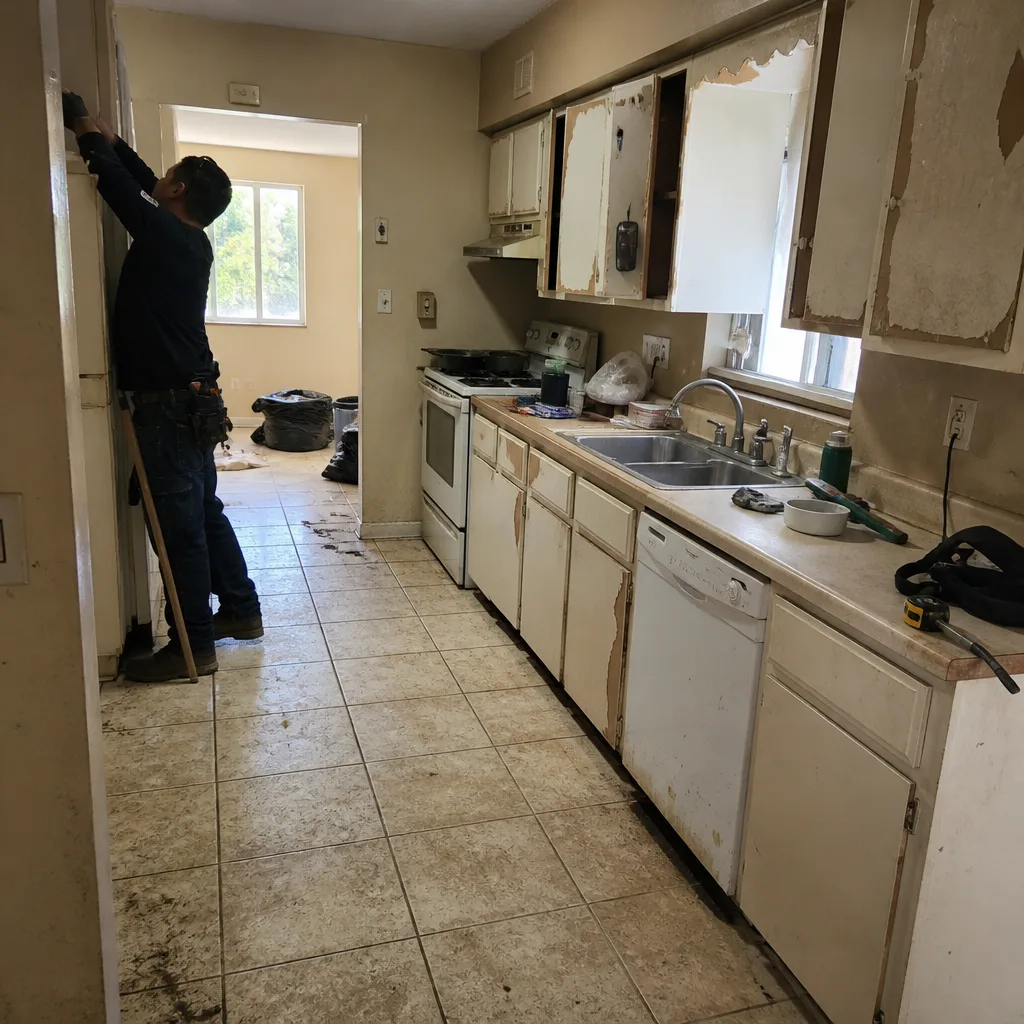 Before
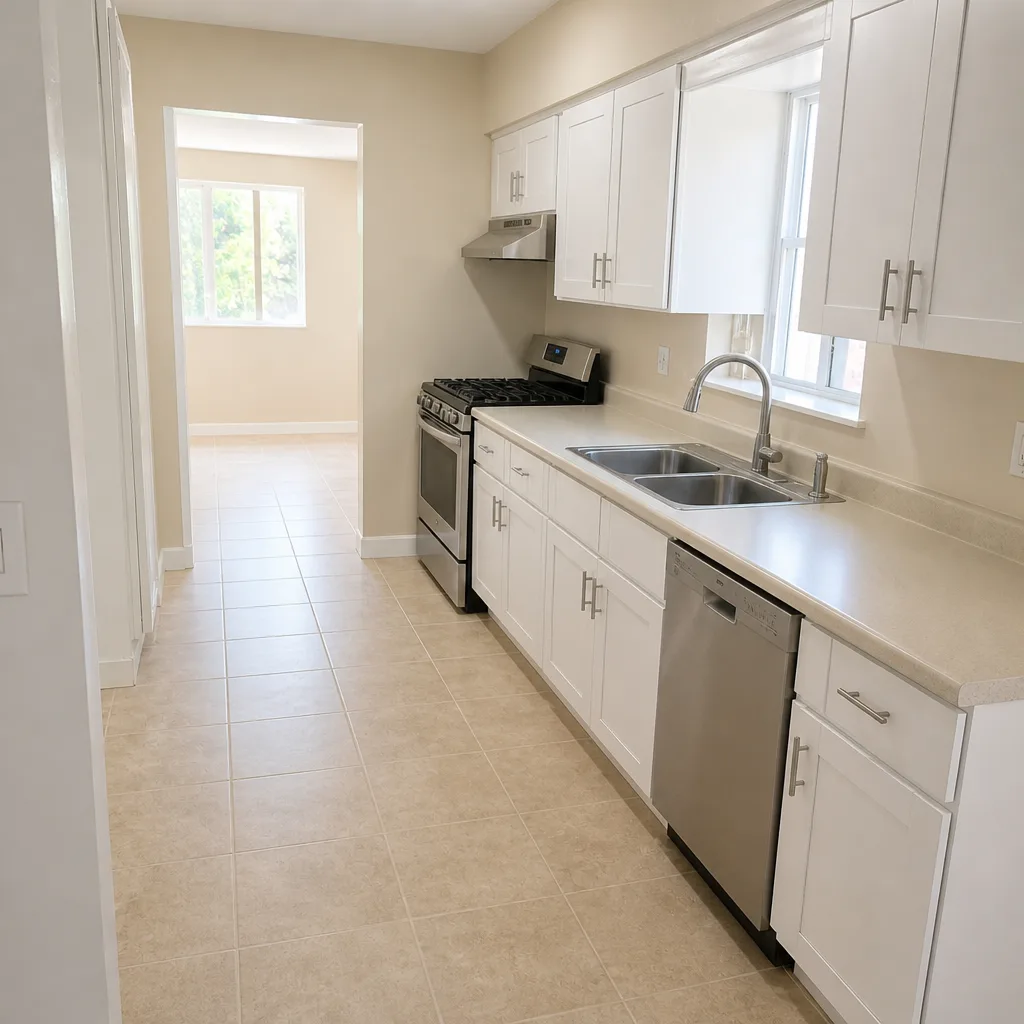 After
Roof Hail Damage Signs in Kendale Lakes: What to Look For Before the Leak Finds You
Hail damage on a Kendale Lakes roof most often shows up as: circular dimples on soft metal (gutters, downspout elbows, HVAC condenser fins, aluminum fascia), spider-web fractures radiating from the crown of concrete tiles, and bruising that knocks granules loose on shingles to expose the asphalt mat underneath. The trouble is these signs are hard to read from the ground, and South Florida owners assume hail isn’t their problem until a ceiling stain appears months later. If a July storm rolled through your block, call (844) 834-8961 for a documented inspection before the next rainy season hides the evidence.
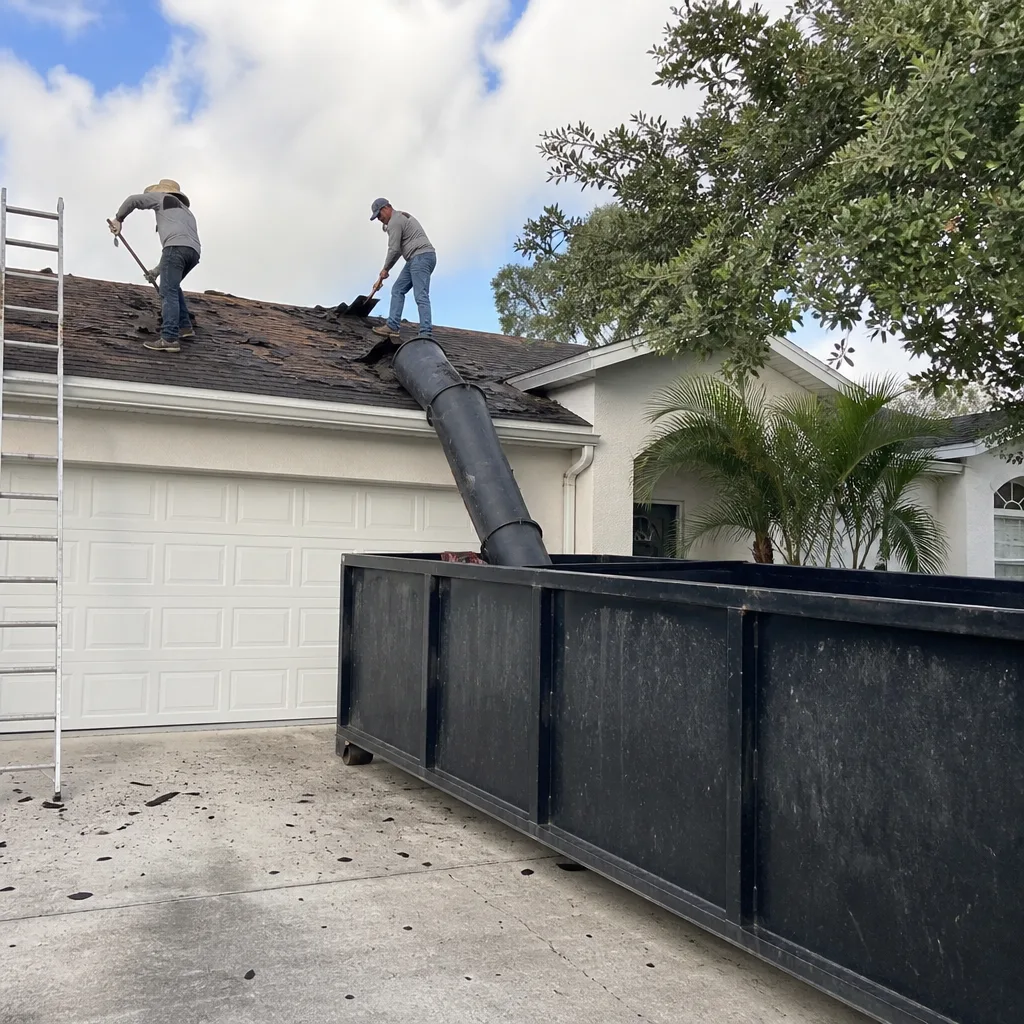
Here’s what most homeowners miss. Miami-Dade doesn’t get the baseball-sized stones they see on the news out of Oklahoma. What it does get, several times each summer, is marble-to-golf-ball hail out of convective afternoon thunderstorms - and that’s plenty to destroy a self-adhered underlayment or split a 40-year-old concrete tile in a way that doesn’t leak for a year. Kendale Lakes is a fully built-out 1970s-80s planned subdivision west of the Turnpike, so nearly every roof here is sitting on a concrete-block tract home built to pre-Andrew or early-Andrew standards. Those roofs are at the heart of this problem.
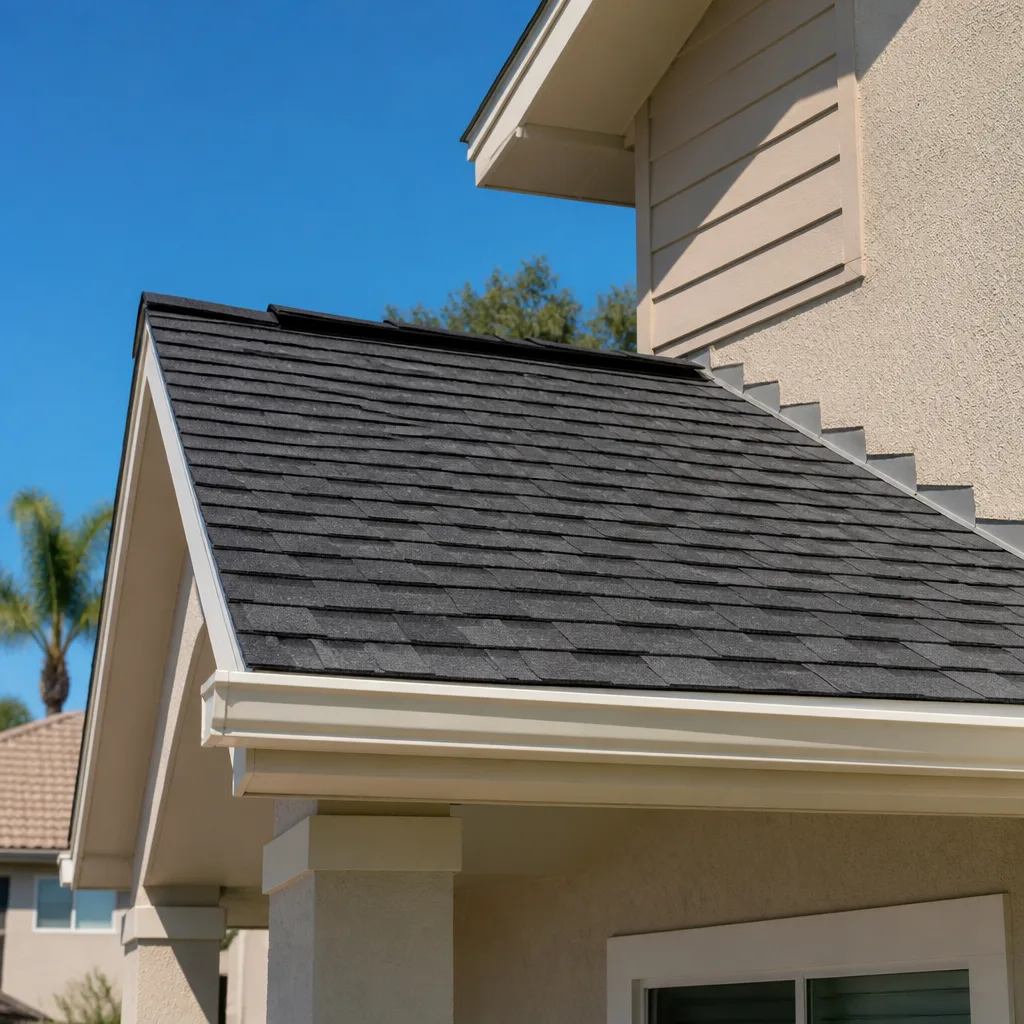
Why Kendale Lakes Hail Damage Hides So Well
Kendale Lakes is dominated by one- and two-story CBS homes with stucco walls and flat or low-pitch tile and shingle roofs. The pitch is gentle, which means hailstones hit at a shallower angle than they would on a steep northern roof - but they still carry enough kinetic energy to crack tile and pummel shingle mat. The real issue isn’t the visible damage. It’s the layer underneath.
Miami-Dade’s High Velocity Hurricane Zone code requires a self-adhered or similar continuous underlayment beneath your tile and shingle. That membrane is your actual waterproofing. Hail that splits a tile, or bruises a shingle enough to compromise the seal, can puncture or stress that underlayment. Wind-driven rain then finds the deck even though the roof looks intact from the driveway. You won’t see this without lifting tile. That’s why a post-storm roof inspection here isn’t cosmetic - it’s a structural check on your code-required waterproofing.
Two more local wrinkles worth knowing:
- HOA review can slow you down. The planned sections of Kendale Lakes are HOA-heavy. If your inspection turns up damage serious enough to warrant replacement, architectural review for the new roof material and color can add approval steps before a crew is on site. Get the inspection report in hand early.
- Decking and straps ride along. These homes were built across the pre- to post-Andrew code transition. A simple re-roof often reveals roof-to-wall tie-downs and deck attachment that need upgrading to current HVHZ standards. A good inspection flags that up front so it’s not a surprise mid-project.
Hail Cracks vs. Foot-Traffic Cracks: Telling Them Apart
This is the detail roofers rarely explain, and it’s the one that matters most when you’re deciding whether to file a claim. Concrete tile cracks from hail and concrete tile cracks from foot traffic look different if you know the pattern.
Hail cracks tend to form a spider-web radial fracture - multiple cracks radiating outward from a center point, usually on the crown or high point of the tile. That center point is where the stone struck.
Foot-traffic cracks run linear, following the length of the tile, and often show as a single crack or a pair running parallel. There’s no impact center.
You can distinguish these from the ground with a decent pair of binoculars after a storm. Scan the roof face, starting with the slopes that take the most weather. Look for the radial pattern and note roughly where you see it. When a Miami-Dade insurer is reviewing your claim, a photo of a radial fracture centered on a tile crown is far stronger evidence than a photo of a crack with no context.
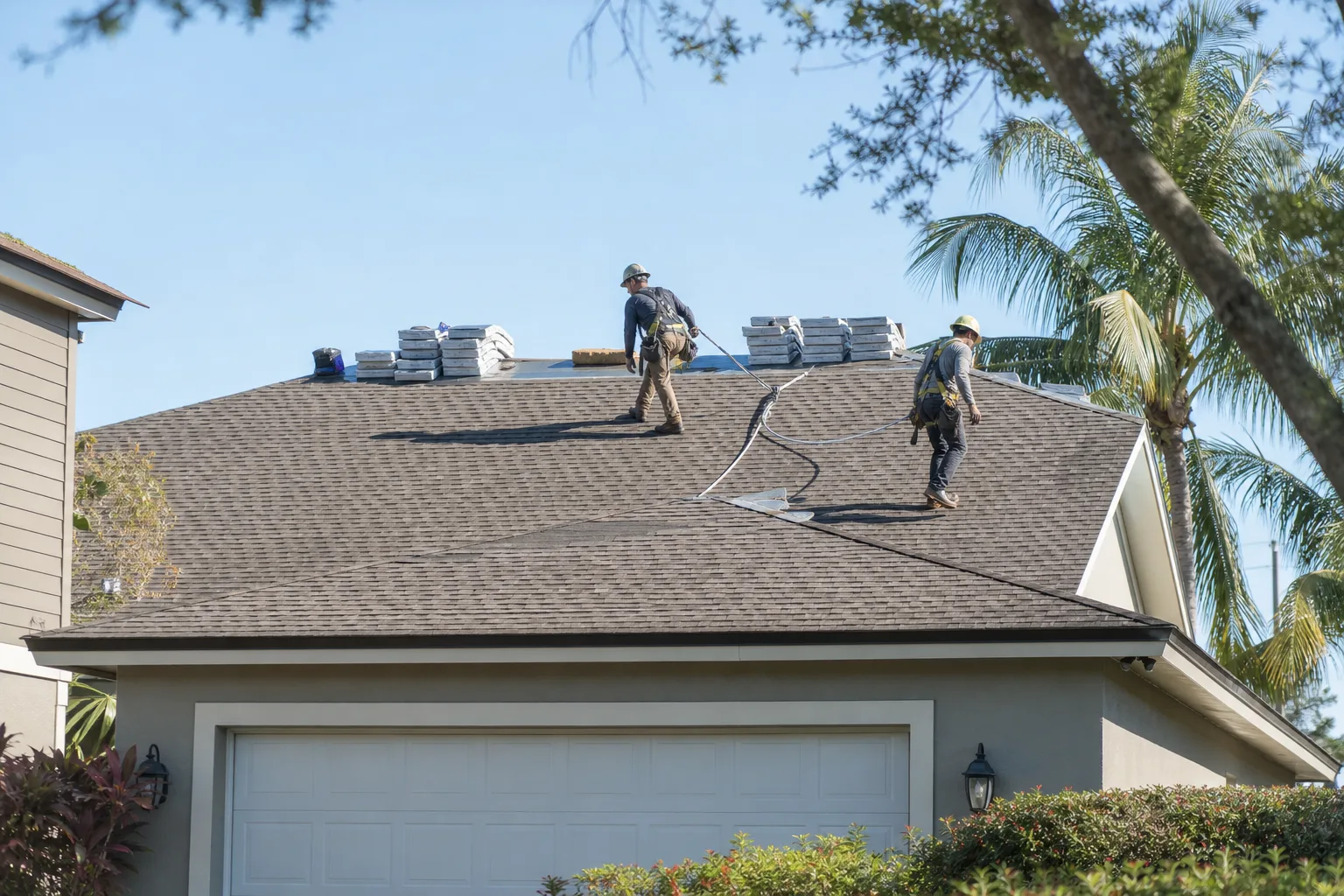
On Aging Shingles, the Damage Is Often Invisible From Below
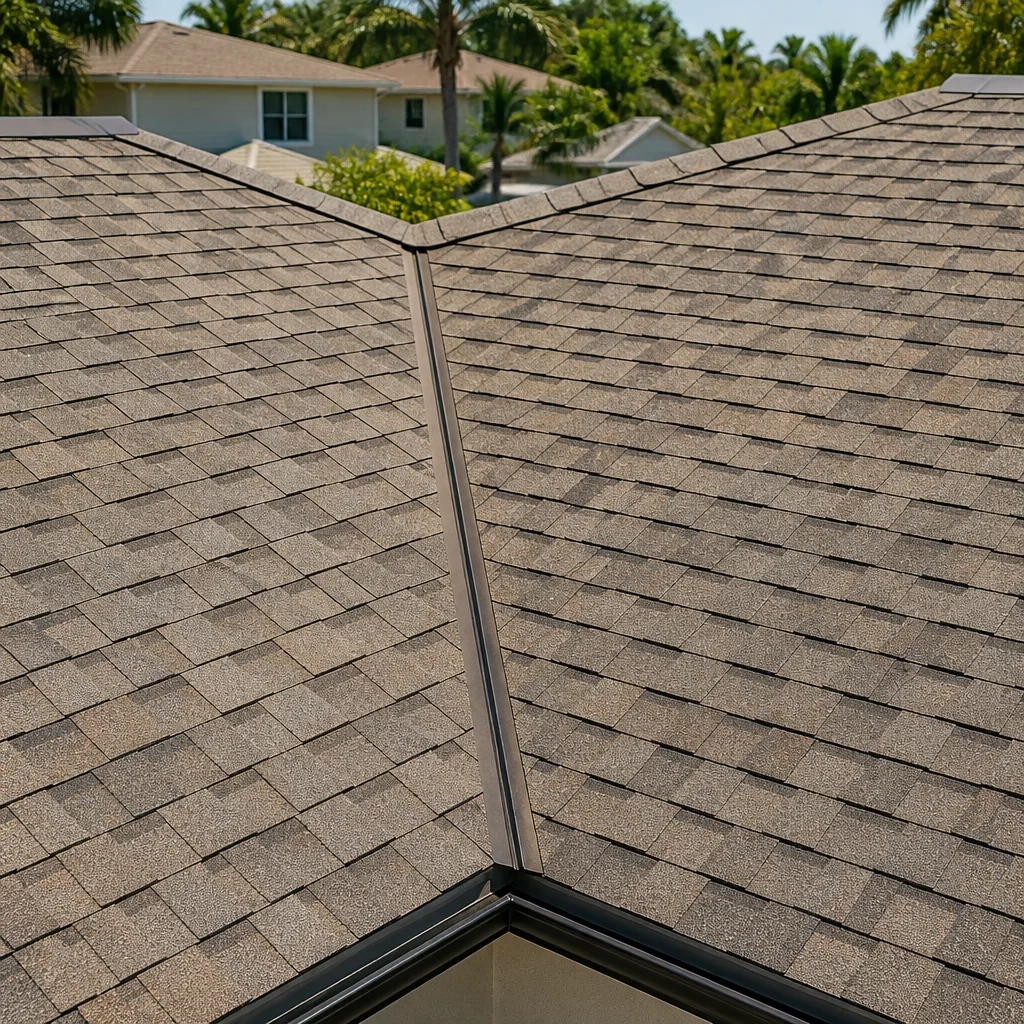
Plenty of Kendale Lakes homes still carry 1980s and 1990s shingle roofs, and hail on aging shingles behaves differently than most owners expect. The impact accelerates granule displacement and exposes the asphalt mat. But HVHZ-rated shingles have a heavier mat weight than standard shingles, so the roof can absorb the strike and show you very little from the ground. The damage is a bruise pattern - soft spots and displaced granules you find by hand and eye up close, not by squinting from the lawn.
That’s the case for a close inspection after a hail event rather than a visual scan. A trained eye walking the roof and checking the field of each slope will find bruises a homeowner never could. If you’re scheduling that inspection anyway, it’s worth having us confirm the whole roof assembly while we’re up there - our Roofing team handles both the diagnosis and the repair if something’s found.
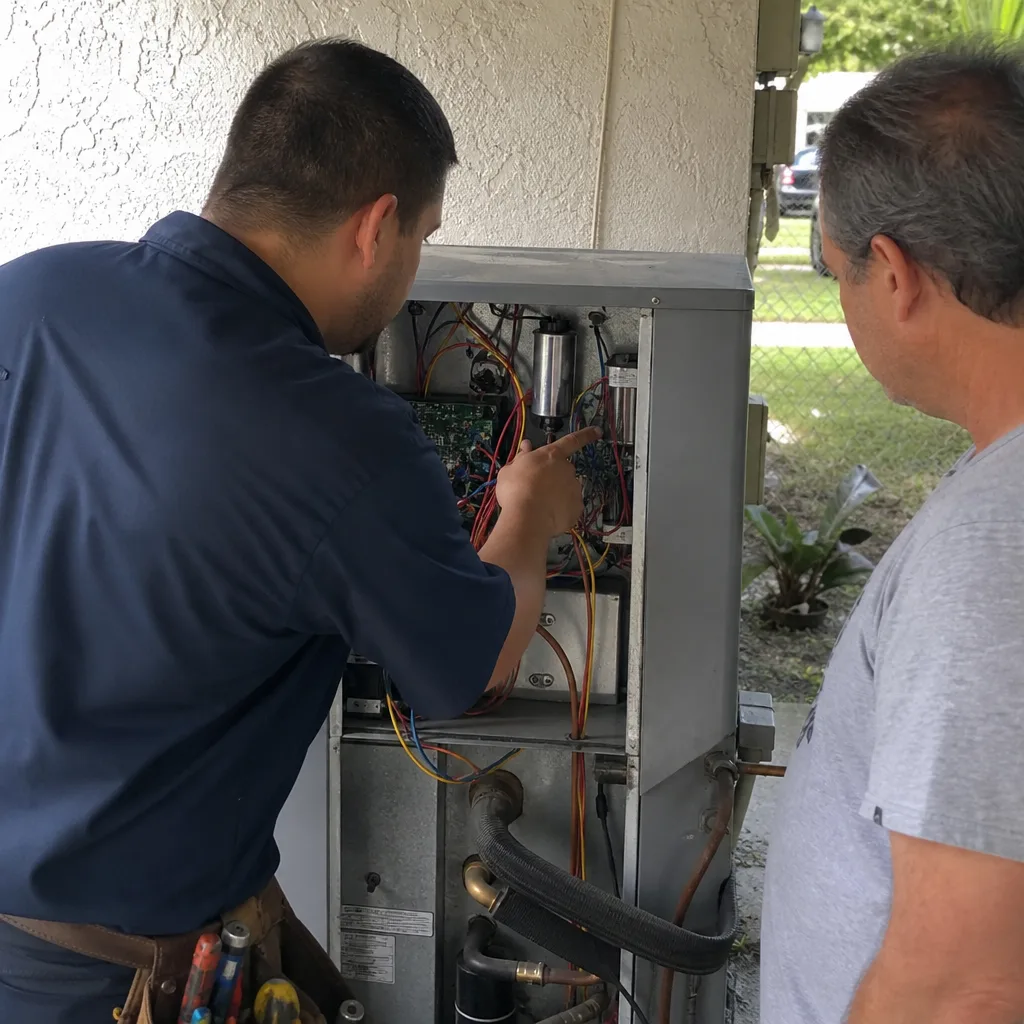
Soft-Metal Indicators: The Fastest Ground-Level Confirmation
Before you pay anyone to climb up, check the soft metals. Hail leaves its signature on materials that dent easily, and those dents confirm the storm was strong enough to warrant a roof inspection.
- Gutters and downspout elbows - look for circular dimples on the top surface and on the elbow joints
- HVAC condenser fins - the thin aluminum fins on your outdoor unit bruise easily and hold the evidence
- Aluminum fascia and window wraps - check the fascia boards and any wrapped trim for impact dents
If your gutters are dimpled and your condenser fins are bruised, the hail event was significant. That’s your cue to get the roof inspected - the metal tells you the story the roof is hiding.
What a Post-Storm Inspection Should Include
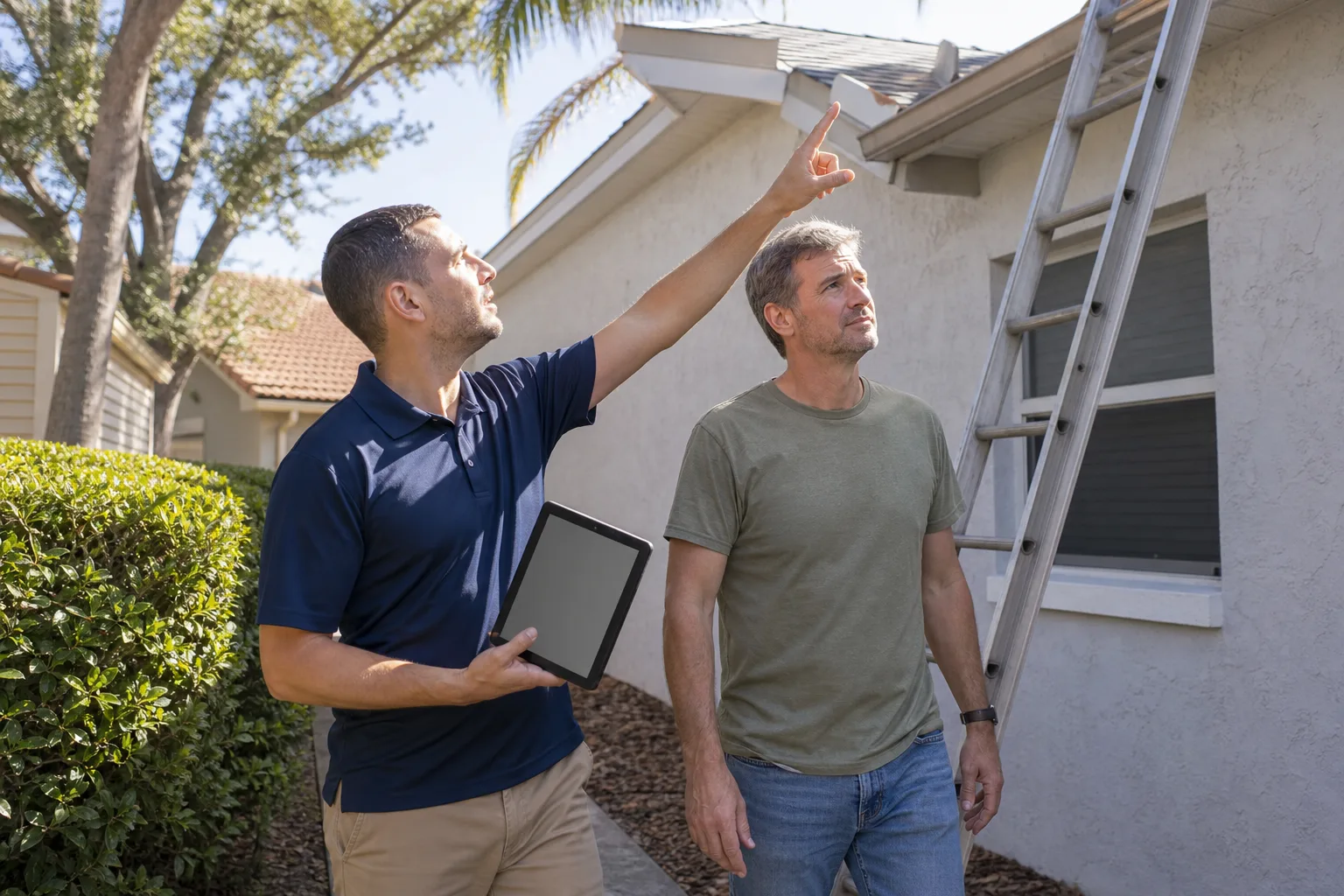
Not every inspection is useful. What you want after a hail event is documentation formatted for insurance submission, because a claim lives or dies on the evidence. When Groundwork Construction Co. of Kendale Lakes inspects a roof in Kendale Lakes, our background-checked, uniformed technicians walk the roof, photograph the damage with scale references, note the tile crack patterns and shingle bruising, check the soft metals, and assemble the findings into a report you can hand straight to your insurer. Our technicians have up to 12 years of experience reading South Florida roofs, and every project we take on is covered by our 730-Day Done Right Promise.
If damage turns into a replacement, you’re dealing with premium materials - we work with GAF and Owens Corning on roof systems - and upfront pricing, no surprises. No-hassle estimates are free, and for projects over $10,000 you get $1,000 off plus 0% financing for 18 months. Here’s what typical repair and replacement work runs in Kendale Lakes:
| Service | Typical Range |
|---|---|
| Roof Repair | $400-$1,800 |
| Tile Roof Repair | $600-$2,500 |
| Roof Replacement | $8,000-$20,000 |
| Metal Roof Installation | $15,000-$40,000 |
Those are real ranges for this market, not teaser numbers. The number you see is the number you pay - and if you’d rather understand the full picture of what we handle, our Kendale Lakes service area page lays it out, or start at our home page.
Key Takeaways
- Hail rarely leaks immediately - damage often surfaces as ceiling stains 6-18 months later
- Radial “spider-web” cracks centered on a tile crown = hail; linear cracks along the tile length = foot traffic
- Bruised gutters, condenser fins, and fascia confirm the storm was strong enough to inspect the roof
- HVHZ-rated shingles hide bruising; only a close inspection finds it
- Underlayment punctures are the hidden failure - invisible without lifting tile
FAQs
Roof repair in Kendale Lakes typically runs $400-$1,800, and tile-specific repair runs $600-$2,500. If the damage is widespread enough to require replacement, a full roof runs $8,000-$20,000. Call (844) 834-8961 for an exact quote - estimates are free, and upfront pricing means no surprises.
Yes - hail damage often shows up as ceiling stains 6-18 months after the event. The reason is that the visible tile or shingle damage doesn’t leak right away; the failure is the compromised underlayment underneath, which lets wind-driven rain reach the deck over time. If your neighborhood took a hail storm last summer, it’s worth an inspection now, before your ceiling tells you.
Hail damage is generally covered under standard homeowner’s policies, but a Miami-Dade insurer will want documented evidence linking the damage to a specific storm event. That’s why a photo-documented inspection report formatted for claim submission matters - it gives the adjuster something concrete to review. Call (844) 834-8961 to schedule a documented post-storm inspection.
Often, yes - with binoculars you can spot the radial spider-web pattern that marks a hail strike versus the linear cracks foot traffic leaves. That said, ground-level viewing can’t confirm whether the underlayment is compromised. A close inspection by a trained technician is the only way to know for certain. Call (844) 834-8961 to get one scheduled.
If you’d rather have it looked at, Groundwork Construction Co. of Kendale Lakes offers a no-pressure assessment in Kendale Lakes - call (844) 834-8961. We answer with a live person 24/7, and our uniformed, background-checked technicians document what they find so you can file with confidence or skip the claim entirely.
Written by the team at Groundwork Construction Co. of Kendale Lakes, serving Kendale Lakes, FL.