



Free written scope consultation - allowances, timeline, and change-order rules on paper before a single trade is scheduled
Styles & brands we work with
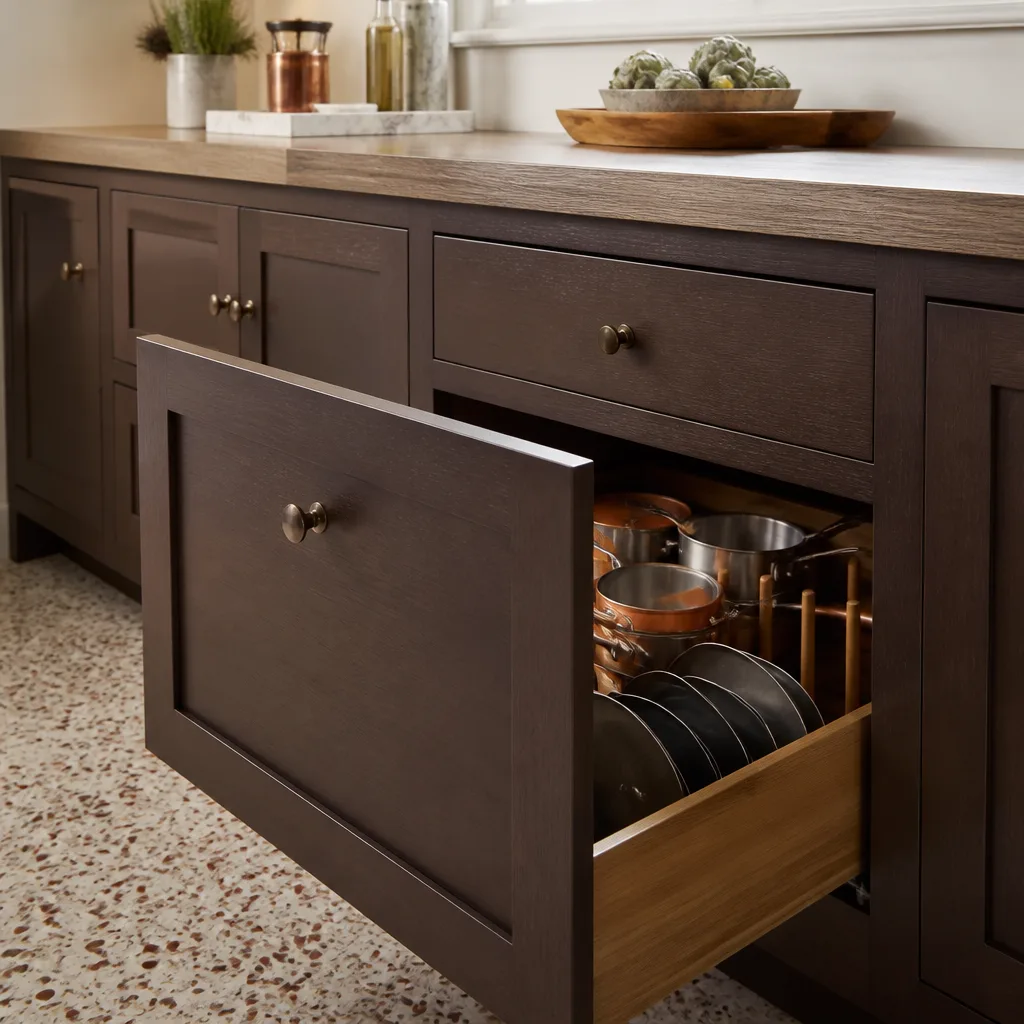
- Kitchen remodeling
- Bathroom remodeling
- Home additions & ADU
- Roofing
- Windows & doors
- Driveway & pavers
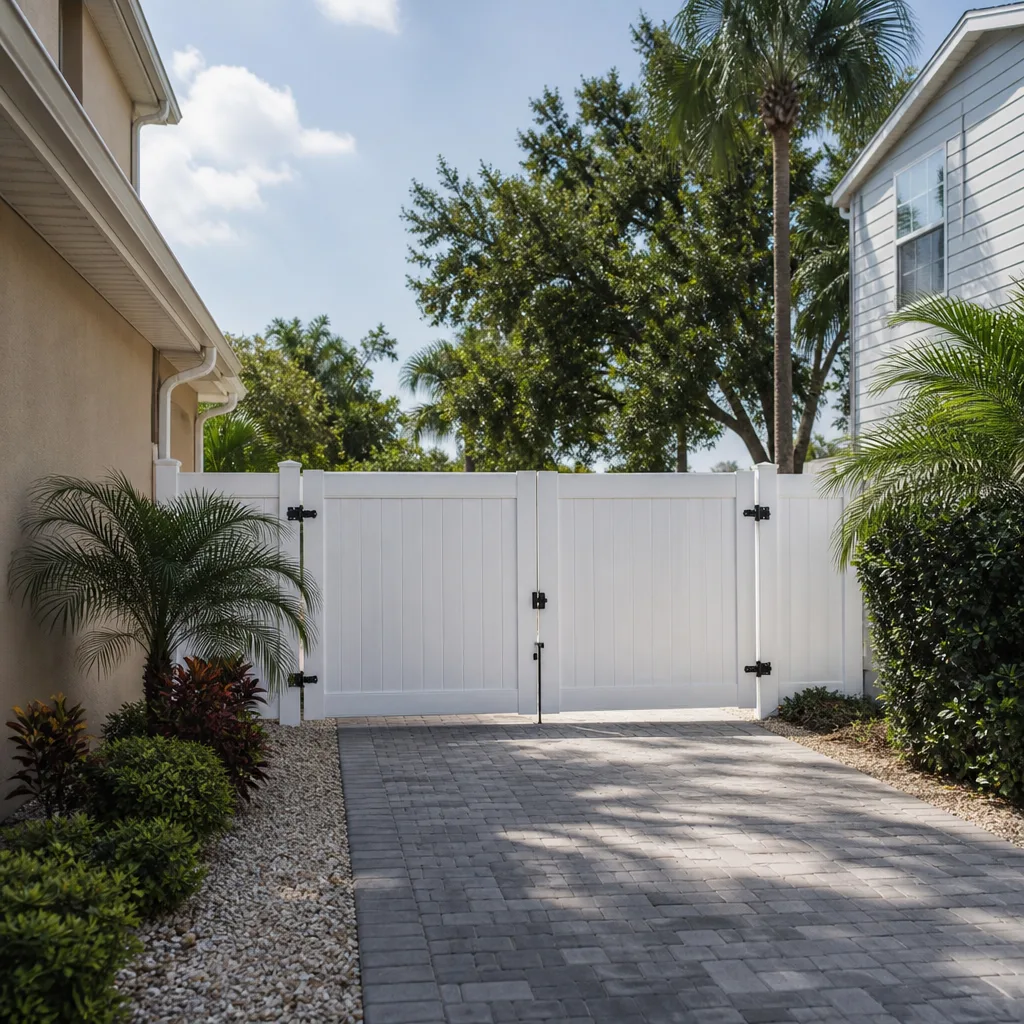
- Fence
See the difference
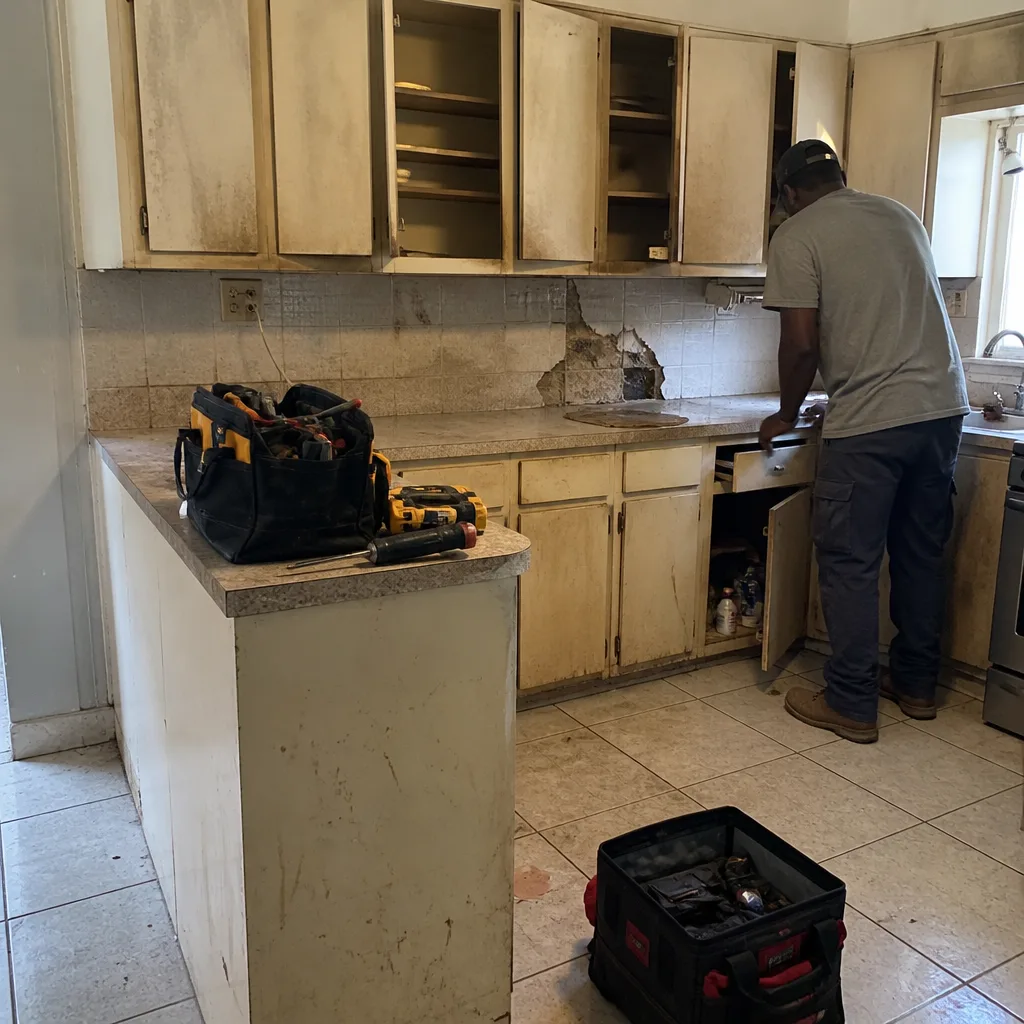 Before
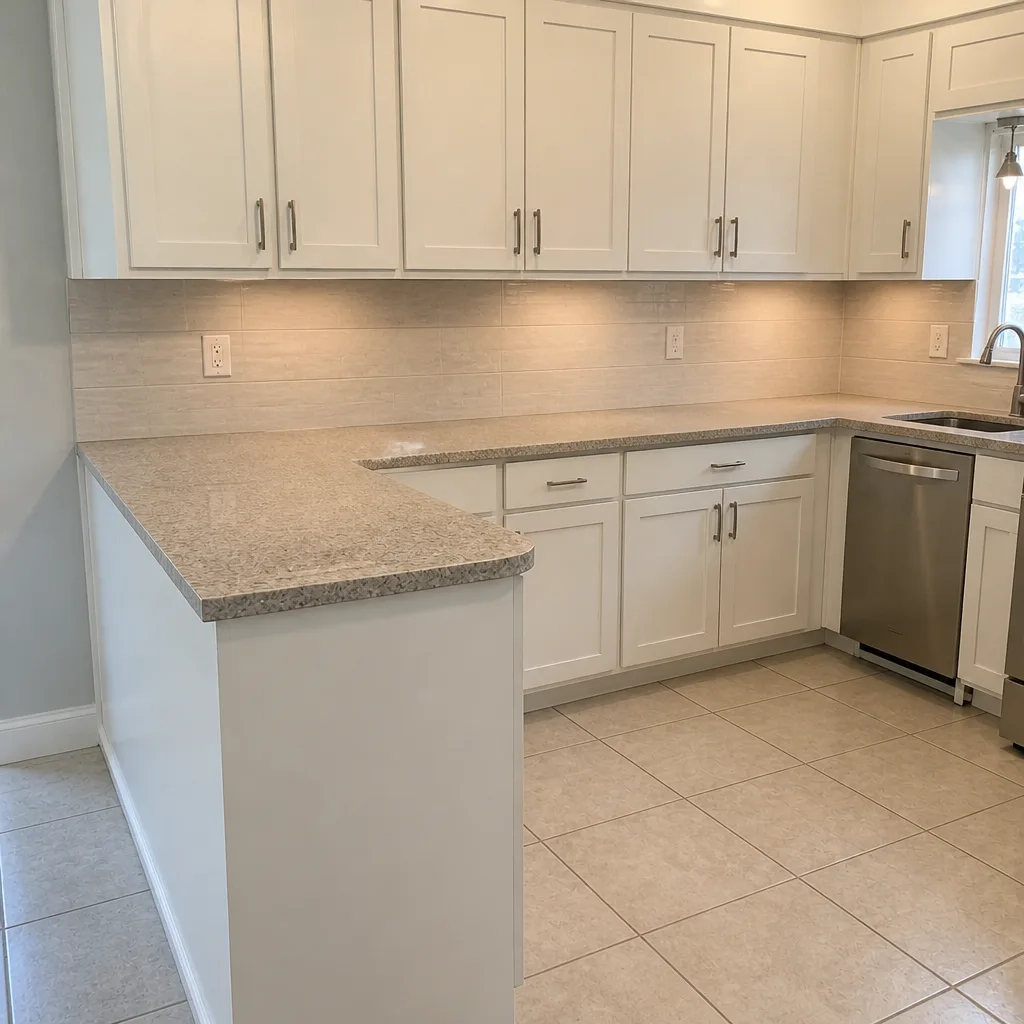 After
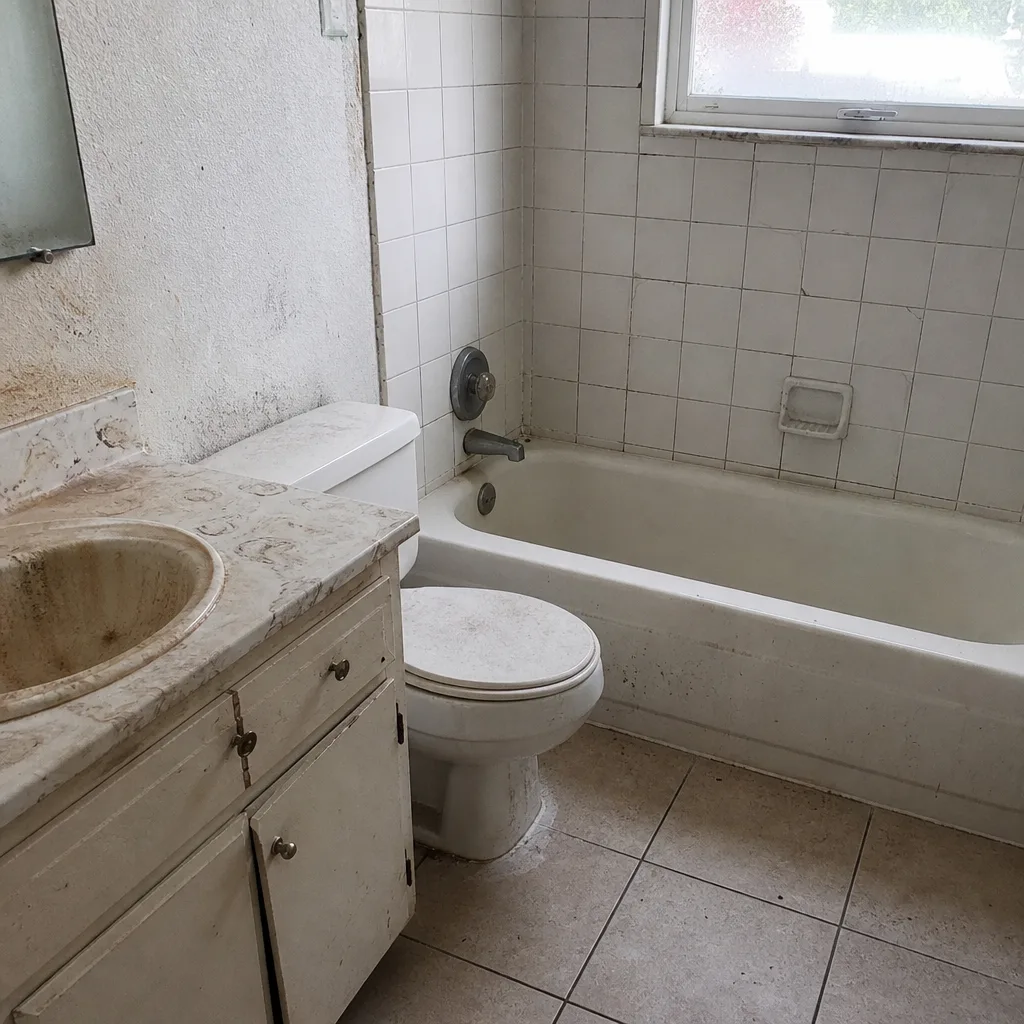 Before
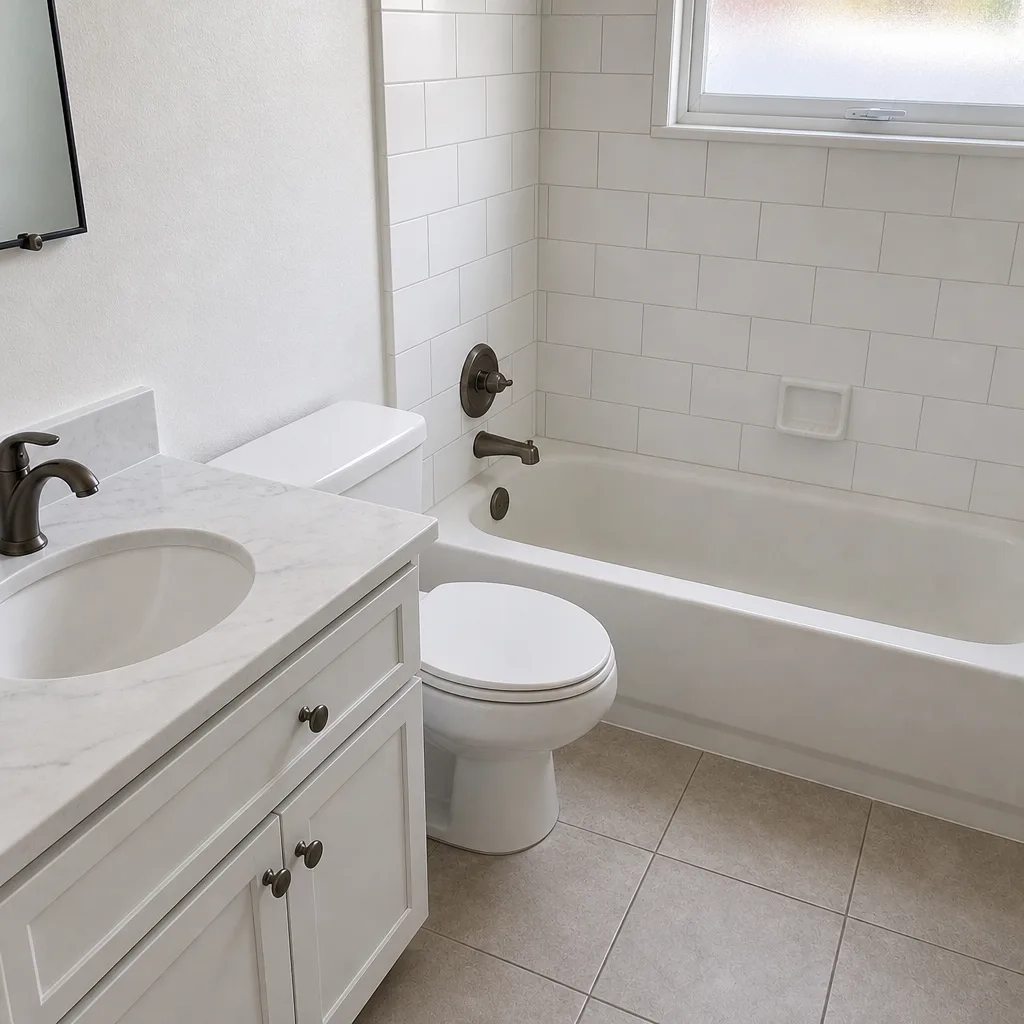 After
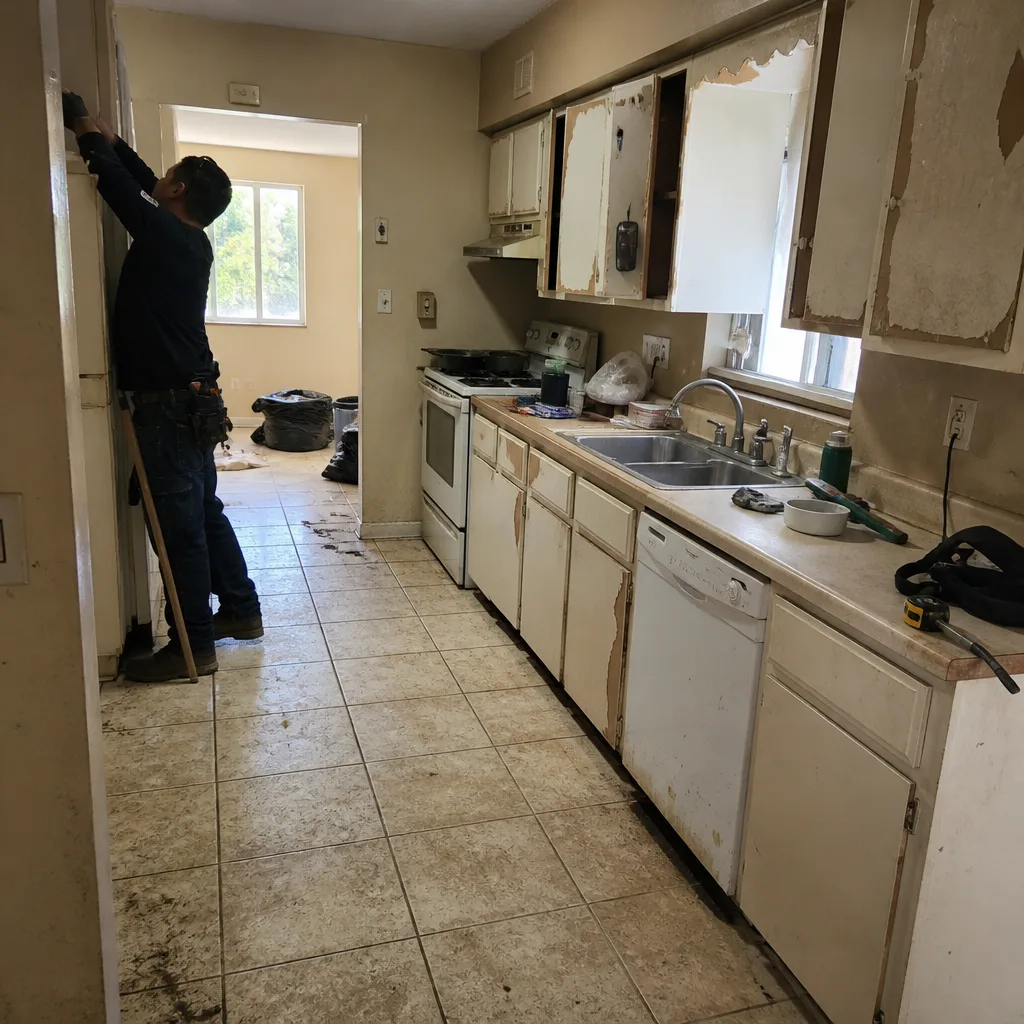 Before
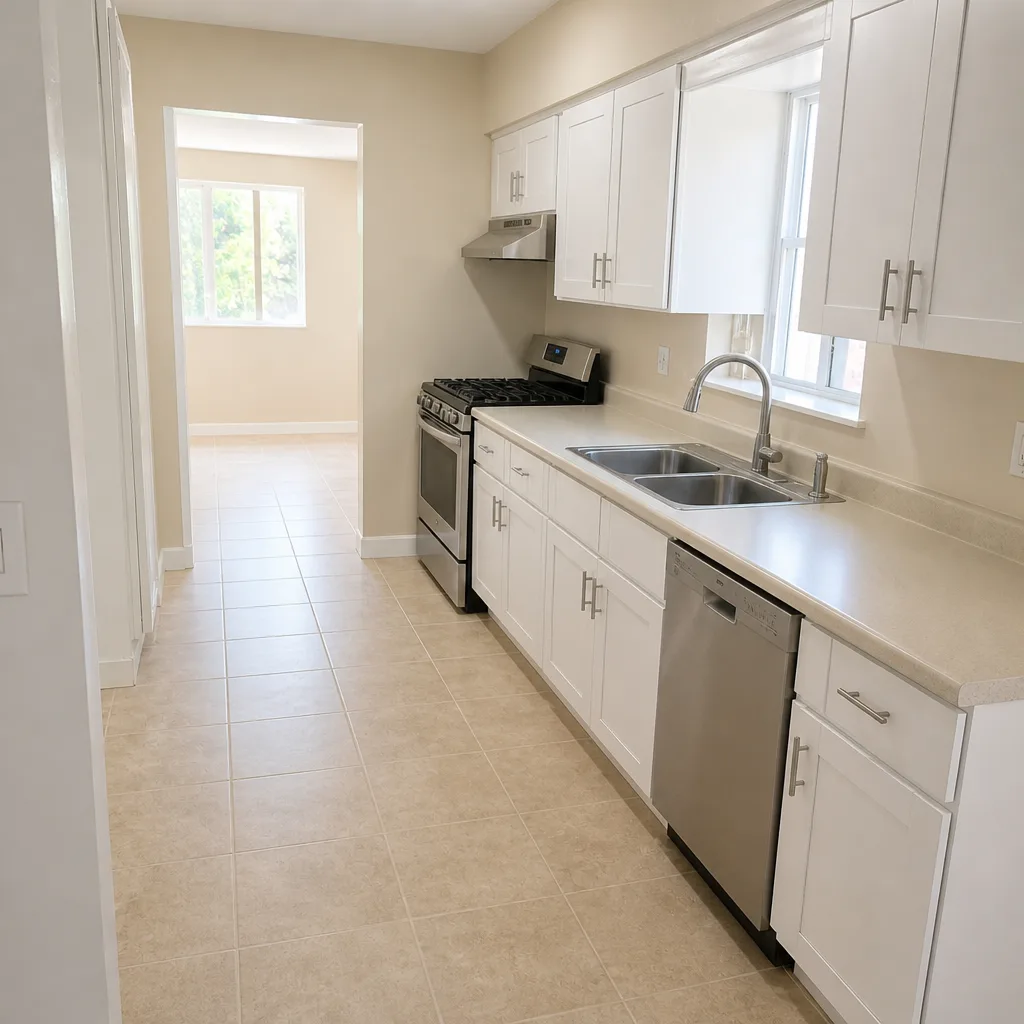 After
What Causes Roof Leaks in Kendale Lakes, FL: The Mortar Bed Problem Nobody Warns You About
The most common cause of roof leaks in Kendale Lakes, FL is a failed mortar bed under concrete tile, not a missing shingle. On the 1970s and 1980s CBS homes that fill this subdivision, mortar-set tile systems have a functional life of about 25 to 35 years. When that mortar gives way, water travels sideways under the tile field and shows up as a ceiling stain in a room far from where it actually entered. A water stain in a hallway closet and a leak above the garage can trace back to the same failed ridge, and figuring out which is which decides whether you’re looking at a $400 repair or a full re-roof in the $8,000 to $20,000 range. Call (844) 834-8961 if you want a trained eye on it.
Why Kendale Lakes Roofs Leak Differently Than the Guides Say
Most leak guides were written for cold-climate gable roofs with asphalt shingles and a basement. Kendale Lakes isn’t that. This is a build-out planned subdivision west of the Turnpike, mostly one- and two-story concrete block and stucco homes with flat or low-pitch tile roofs, all sitting under Miami-Dade’s High Velocity Hurricane Zone code. There’s no new construction happening here. Every job touches an existing structure built to pre-Andrew or early-Andrew standards. The failure mechanisms follow the housing stock, and they come in a recognizable order.
The mortar bed comes first
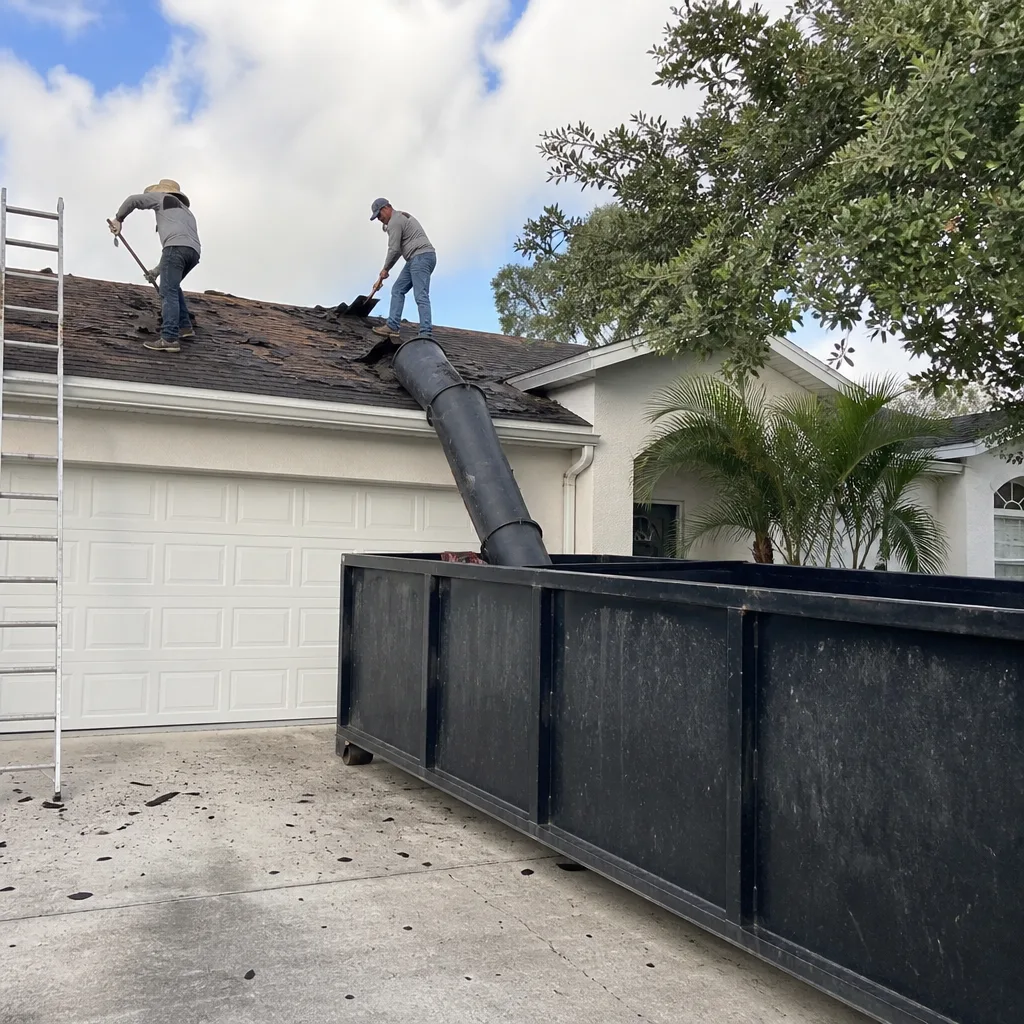
Concrete tile on these homes was laid into a thick mortar bed rather than mechanically fastened. That mortar is the real roof; the tile just sheds the bulk of the rain. After three or four decades of South Florida sun and daily thermal cycling, the bed cracks along the hips and ridges and along the perimeter. Water gets in, then migrates downslope laterally beneath the tiles. By the time you see an interior stain, the actual entry point is usually 10 to 20 feet away. This is why we spend so much time tracing leaks backward instead of patching the spot where the ceiling dripped.
Wind-driven rain is the second cause, and the one people misread
During a named storm or a strong summer squall, rain arrives at 100+ mph driven nearly horizontal. Static rainfall falls down; wind-driven rain gets pushed up and under lifting tile edges, into ridge vent gaps, and behind the underlayment. A roof that looks perfectly intact can leak in a hurricane because the system lacks enough uplift resistance and edge securement, not because anything is visibly broken. That distinction matters. It’s not storm damage you can photograph and hand to an insurer; it’s an aging assembly that no longer holds water the way it did in 1985. This is why a post-storm leak often means the whole system needs evaluating, not spot-sealing.
Stucco at the roof-to-wall transition
Second on the list after mortar failure: stucco cracks where the roof meets the wall. CBS walls and the roof deck expand and contract at different rates in the subtropical heat, and the joint works itself loose over time. Wind-driven rain finds those hairline cracks, gets behind the stucco, and travels down inside the wall cavity before it ever shows as a stain inside. People spend weeks hunting a ceiling leak that’s really a wall transition problem. Resealing that joint properly is one of the fixes that most often gets skipped on a cheap patch job.
Penetrations and degraded sealants fail first on an otherwise sound roof
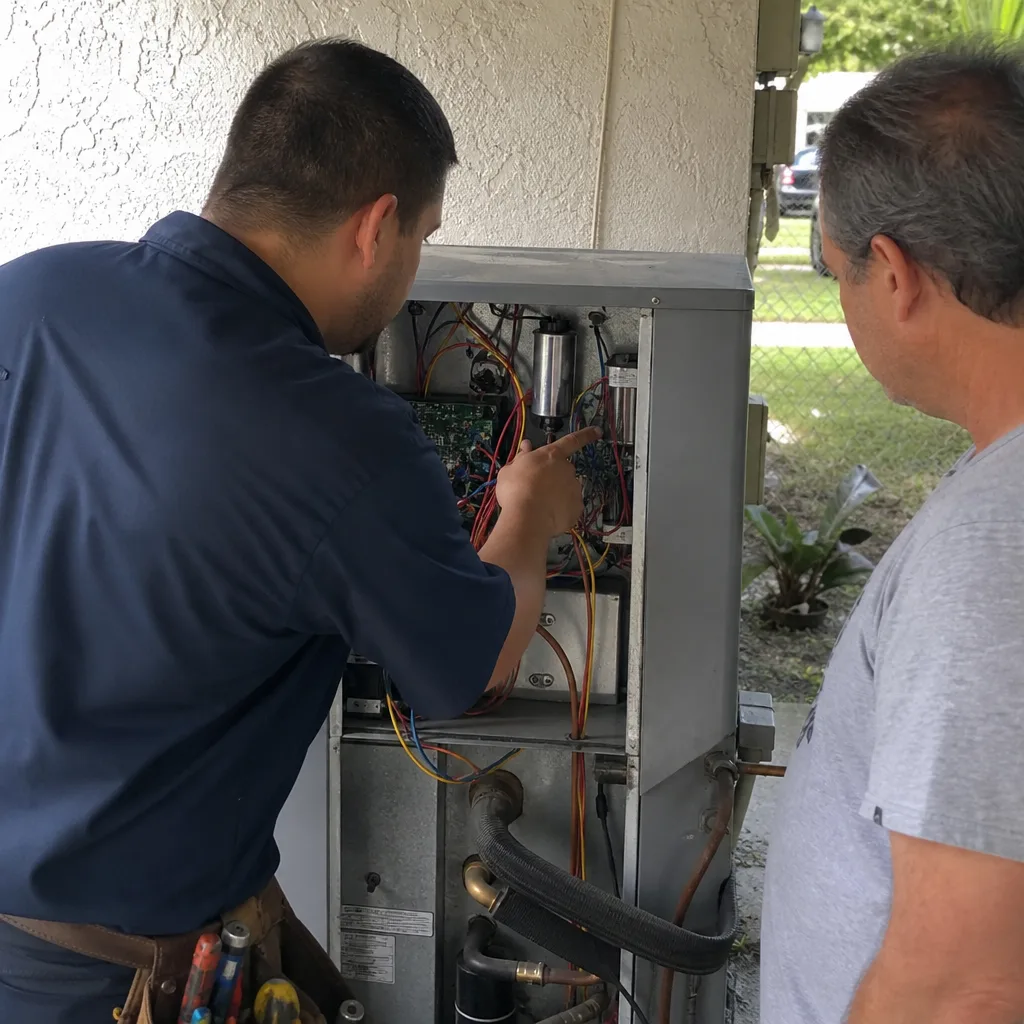
Look at any roof that’s otherwise intact and the first leak is almost always at a penetration: an HVAC curb flashing, a condensate drain line, or an electrical conduit boot. The original builders sealed these with polyurethane foam and mastic. Under full South Florida UV exposure, those sealants degrade in 10 to 15 years. Foam goes chalky and cracks; mastic pulls away from the pipe collar and leaves a gap you can slip a putty knife under. On a 40-year-old roof here, the sealant around your AC curb has likely been redone two or three times already, or it should have been. These are the highest-probability leak points and the easiest to check.
Which Cause Is It? A Quick Diagnostic Table
Knowing roughly which failure you’re dealing with tells you what the repair should cost, and keeps you from paying for a re-roof when a repair would do. Here’s how the causes map to pricing in the Kendale Lakes market.
| Cause | Typical sign | Kendale Lakes cost range |
|---|---|---|
| Failed mortar bed | Stain far from entry, loose tile, crumbling ridge mortar | Tile roof repair: $600 – $2,500; full re-roof: $8,000 – $20,000 |
| Wind-driven rain intrusion | Leaks only during storms, intact-looking roof | Roof repair: $400 – $1,800; system upgrade to re-roof if widespread |
| Stucco crack at roof-to-wall joint | Wall cavity moisture, stain low on a wall | Roof repair: $400 – $1,800 |
| Degraded penetration sealant | Leak near AC unit, pipe, or conduit | Roof repair: $400 – $1,800 |
When the mortar bed and underlayment are both shot across a large area, patching stops making sense and Roofing replacement becomes the honest answer. We tell homeowners which side of that line they’re on before any work starts, with upfront pricing so the number we quote is the number you pay.
What a Repair Has to Cover to Actually Stop the Leak
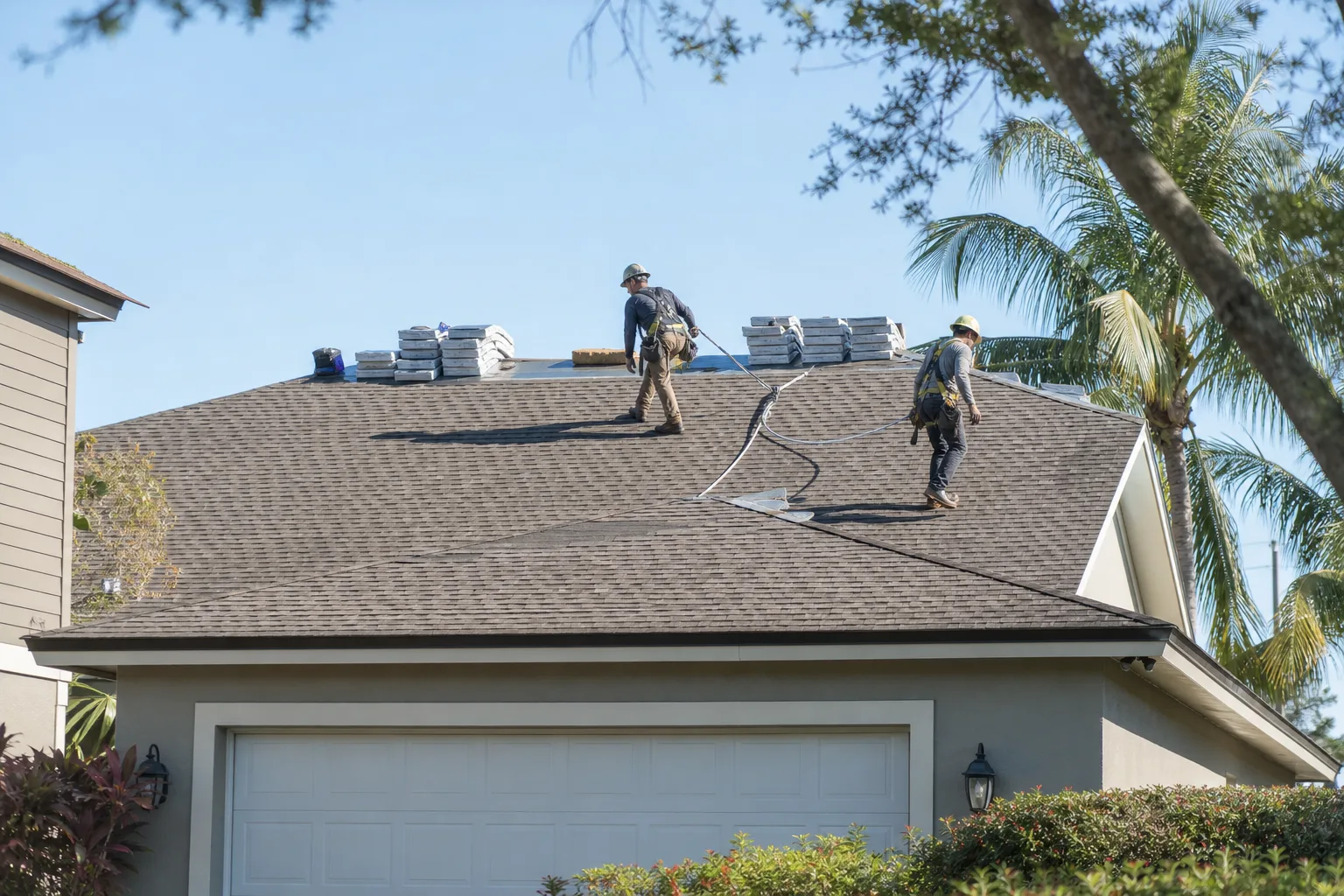
Here’s where most cheap patches lose. A warranty that covers only the field tile or shingle excludes exactly the places leaks start: the flashings, the penetrations, the transitions, the edge metal. That’s a warranty that looks good on paper and pays for nothing when your AC curb is the culprit. Groundwork Construction Co. of Kendale Lakes backs every roofing project with the 730-Day Done Right Promise, and it covers the complete waterproofing system, flashings and penetrations included. If something we touched leaks, we come back and make it right. That’s the difference between a guarantee that matters and one that quietly carves out the failure points. Our technicians have up to 12 years of experience, and we build with GAF and Owens Corning systems rated for HVHZ wind loading.
One more thing about these homes: because they sit at the pre- to post-Andrew code transition, even a straightforward re-roof often means bringing decking attachment, roof-to-wall tie-downs, and secondary water barrier up to current Miami-Dade HVHZ standards. HOA architectural review in the planned sections can add an approval step before work begins. Worth knowing so the schedule doesn’t surprise you. Our Kendale Lakes service area page covers how we handle the local review and permitting process. If you already know you need a full replacement rather than a repair, there’s also roof replacement guidance, tile roof repair detail, and roof repair pricing to compare against. And if impact-rated windows and doors are part of the upgrade, they pair naturally with a roof project.
When to Stop Chasing It and Call a Professional
Some leaks are a five-minute look. Others are not, and a bad diagnosis costs more than the repair. Get off the roof and call when any of these apply:
- You’ve patched the same spot twice and it still leaks. The entry point is almost certainly not where the stain is.
- The leak appears only during heavy storms. That points to wind-driven intrusion, which a surface seal won’t fix.
- You see sagging, soft decking, or daylight through the sheathing. This is a structural concern, not a sealing one.
- Any work would put you on a steep or high roof, or you’d be walking a tile field on an aging mortar bed. Tiles crack underfoot and the fall risk is real. A trained, insured technician handles it safely.
Our line is answered by a live person 24/7, so you’re not leaving a voicemail at 9 p.m. after a storm.
FAQs About Roof Leaks in Kendale Lakes
Because the leak is caused by wind-driven rain getting pushed up and under tile edges or ridge gaps, not by static rainfall coming down. An intact-looking roof can leak in a named storm when the assembly lacks uplift resistance on an aging system, so the fix is usually a flashing and edge upgrade rather than a visible patch. Call (844) 834-8961 for an assessment; estimates are free.
Most roof leak repairs here run $400 to $1,800, while tile roof repair specifically runs $600 to $2,500, and a full re-roof runs $8,000 to $20,000. The price depends on whether the mortar bed, underlayment, or a penetration is the actual source, and a stain far from the entry often hides the real work. Call (844) 834-8961 for an exact quote under our upfront pricing.
Repair is cheaper when the failure is isolated to a penetration or a stucco transition; replacement wins when the mortar bed and underlayment are both failing across the tile field. A 40-year-old Kendale Lakes roof with widespread mortar failure usually costs more to keep patching than to replace once you add up repeat visits. Call (844) 834-8961 and we’ll tell you which side you’re on before any work begins.
In many cases yes. Leaks are time-sensitive and a ceiling stain spreading by the hour warrants a visit, so our live phone line runs 24/7 for exactly this reason. Call (844) 834-8961 and we’ll get a trained technician scheduled as quickly as we can.
Let’s Find the Real Cause
If you’d rather have it looked at than keep guessing, Groundwork Construction Co. of Kendale Lakes offers a no-pressure assessment in Kendale Lakes. We trace the leak to its real entry point, tell you whether it’s a repair or a re-roof, and back the work with the 730-Day Done Right Promise. Call (844) 834-8961 for a free estimate.
Written by the team at Groundwork Construction Co. of Kendale Lakes, serving Kendale Lakes, FL.