Last updated November 17, 2026





Free written scope consultation - allowances, timeline, and change-order rules on paper before a single trade is scheduled
Construction Permits, Codes & Inspections in FL: What You Need to Know
Here’s a number that surprises almost every homeowner we talk to in Kendale Lakes: a finished addition or remodel that fails final inspection can cost more to tear out and rebuild than the original permit would have cost to pull ten times over. Unpermitted work in Florida doesn’t just risk a fine. It can void your homeowner’s insurance, block your home sale at closing, and in the worst cases require demolition of work you already paid for. It happens in Miami-Dade more often than any real estate agent will tell you upfront. This guide walks you through the actual permit system – the Florida Building Code, the High-Velocity Hurricane Zone, Miami-Dade’s local permit types, the Notice of Commencement, what inspectors check and when, and how to resolve unpermitted work that already exists on your property.
Quick Answer
Most structural, electrical, plumbing, mechanical, and roofing work in Miami-Dade County requires a local building permit issued through Miami-Dade County’s Building Department, and work in the High-Velocity Hurricane Zone also requires products with Miami-Dade Product Control approval (or a state approval that specifically covers HVHZ use). A state-issued permit does not substitute for a county permit on residential construction. Inspections happen at defined phases, and skips or failed inspections can void your insurance and stall a sale years later. Skipping the permit never saves money. It defers the cost to the worst possible moment.
Styles & brands we work with
- Kitchen remodeling
- Bathroom remodeling
- Home additions & ADU
- Roofing
- Windows & doors
- Driveway & pavers
- Fence
Table of Contents
- Why Florida’s Permit System Looks Different From the Rest of the Country
- The High-Velocity Hurricane Zone: A Second Layer Most States Don’t Have
- Miami-Dade Permit Types vs. State Permits: What Actually Applies to Your Job
- The Notice of Commencement: The Document That Protects You From Liens
- How Long Do Permits Take in Miami-Dade?
- What Inspectors Actually Check at Each Phase
- Dealing With Existing Unpermitted Work
- Common Mistakes to Avoid
Why Florida’s Permit System Looks Different From the Rest of the Country
Florida’s building code isn’t written the way most state codes are. It was rebuilt after Hurricane Andrew in 1992 tore through South Miami-Dade and left a path of destruction that exposed how badly pre-Andrew construction held up under wind. The Florida Building Code that came out of that reckoning is one of the most wind-conscious residential codes in the country, and Miami-Dade County enforces the strictest version of it.
What that means for you as a Kendale Lakes homeowner is that the permit system here is designed around wind events first and everything else second. The code cares deeply about how a roof is attached to a truss, how a window is anchored to a wall, how a fence post is embedded in the ground, and whether the hardware that holds it all together carries the right approval. Cosmetic finishes matter too, but the safety framework is the reason your permit costs what it costs.
In our experience working across Kendale Lakes, Kendall, and the surrounding areas, the biggest surprise for homeowners moving here from other states is the volume of documentation. A roof replacement in most of the country needs a permit and a final inspection. A roof replacement in Miami-Dade needs a permit, a product approval packet for every material and fastener used, a Notice of Commencement recorded at the Miami-Dade County Clerk’s office, progress inspections at deck and dry-in, and a final inspection where the inspector verifies the product approvals line-by-line against what’s actually on your roof.
Three structural realities make Florida different:
- Wind-driven code. Roof-to-wall connections, impact glazing, and fastening schedules are engineered rather than generalized. The code specifies hardware, not just performance.
- Product approval regime. Every product used in the HVHZ has to carry a Florida Product Approval number or a Miami-Dade Notice of Acceptance. Inspectors check the numbers.
- Local enforcement. Miami-Dade operates its own building department with its own forms, its own inspectors, and its own timelines. A permit issued in Broward or Palm Beach doesn’t apply in Miami-Dade.
The result is a system with more moving parts than most homeowners expect, and a smaller margin for error if you skip any of them.
The High-Velocity Hurricane Zone: A Second Layer Most States Don’t Have
The High-Velocity Hurricane Zone (HVHZ) is a geographic designation in the Florida Building Code that covers all of Miami-Dade and Broward Counties. Inside the HVHZ, products used for exterior envelope work – roofing, windows, doors, shutters, and structural connections – must meet stricter standards than the same products used anywhere else in Florida.
What that means in practice:
- Your roofing underlayment, shingles, tile adhesive, and fasteners each need a Miami-Dade Product Control approval or a Florida Product Approval specifically rated for HVHZ use.
- Windows and doors need impact ratings and approved anchoring systems that match the opening they’re installed in.
- Certain product families approved for use in, say, Orlando are not legal in Kendale Lakes – even if the manufacturer sells them in a Miami-Dade warehouse.
We’ve seen permit plans get rejected in Miami-Dade because the roofing manufacturer’s spec sheet listed a statewide approval number but not the HVHZ-specific one. The fix is usually a call to the supplier for the correct documentation, but it costs days on the permit timeline and can push a job’s start date by a week or more.
For roofing specifically, working with a manufacturer whose product line is fully HVHZ-compliant saves a lot of back-and-forth. CertainTeed, Owens Corning, and IKO all maintain HVHZ-rated lines, but you have to confirm the specific product and the specific approval number before the permit is submitted, not after. This is also why, when we plan a Groundwork Construction Co. of Kendale Lakes home project, the product approval packet comes together before the permit application – not alongside it.
For homeowners, the practical takeaway is simple: any contractor who says “the brand is fine, don’t worry about the paperwork” doesn’t understand HVHZ code, and you should proceed carefully. The approval number matters as much as the shingle.
Miami-Dade Permit Types vs. State Permits: What Actually Applies to Your Job
One of the most common errors we see from out-of-area contractors working in Kendale Lakes is conflating a state permit with a county permit. They’re separate systems, and residential construction in Miami-Dade is governed by the county building department, not Tallahassee.
Here’s how to think about the two:
- Miami-Dade County permits cover residential building, electrical, plumbing, mechanical, roofing, and site work within the county. Applications are filed with Miami-Dade County’s Building Department (through the county’s online portal), inspected by county inspectors, and closed out with county-issued Certificates of Completion or final inspection records.
- State permits (issued through the Florida Department of Business and Professional Regulation or the Department of Environmental Protection) cover specific scopes – typically environmental, dock and seawall work, or certain statewide specialty work – but they don’t replace a county building permit for the structural, electrical, and mechanical work on a house.
The practical upshot: if you’re building a Home Additions & ADU in Kendale Lakes, or replacing a roof, or doing a kitchen remodel with electrical and plumbing moved, the permit you need is a Miami-Dade County permit. Full stop. A state permit doesn’t cover it.
Within the county permit system, most residential jobs fall into one of these categories:
- Building permit – structural work, additions, roof replacements, window and door replacements, fences over the height threshold, driveway and hardscape work that affects drainage or right-of-way.
- Electrical permit – new circuits, panel changes, generator installs, and any electrical work inside the wall.
- Plumbing permit – fixtures, drains, water heaters, gas lines, and any work that touches the supply or waste system.
- Mechanical permit – HVAC replacements, duct modifications, and any work on the air conditioning system.
- Roofing permit – separate from the general building permit in Miami-Dade, with its own product approval requirements.
A real renovation often needs three or four of these running in parallel. That’s normal. What isn’t normal is a contractor pulling only the building permit and “handling” the electrical and plumbing under it. That’s a code violation, and it will surface at inspection.
The Notice of Commencement: The Document That Protects You From Liens
The Notice of Commencement (NOC) is a one-page form that has to be recorded at the Miami-Dade County Clerk’s office before work begins on most permitted projects over $2,500. Its purpose is simple and important: it tells the world – subcontractors, suppliers, and the county – that work is starting on your property, and it establishes the deadline for anyone who wants to file a mechanic’s lien against your home.
Skipping the NOC or filling it out incorrectly is one of the costliest mistakes homeowners make, and it’s almost always the homeowner’s problem, not the contractor’s. If the NOC isn’t recorded properly, a subcontractor or supplier who hasn’t been paid by your general contractor can file a lien against your property even though you paid the general contractor in full. That’s the mechanism the NOC exists to prevent.
The steps for handling it correctly:
- Your contractor prepares the NOC and provides it to you (the homeowner) before work starts.
- You sign it and have it recorded at the Miami-Dade County Clerk’s office (or the contractor does so on your behalf with your signed copy).
- A copy of the recorded NOC must be posted on the job site and provided to any subcontractor or supplier who asks.
- If your project includes a lender, the lender’s information goes on the NOC too.
- Keep a copy of the recorded NOC with your permit documents. You’ll need it again at final inspection and closing.
When we run a project in Kendale Lakes, we walk homeowners through the NOC in person before it goes to the Clerk. Homeowners should never sign one they don’t understand, and they should never let a contractor start work without one in place. If a contractor tells you the NOC is optional, that contractor either doesn’t understand Florida lien law or is hoping you won’t ask.
How Long Do Permits Take in Miami-Dade?
Permit timelines vary by scope and by how complete the submittal is. What we see on typical Kendale Lakes residential jobs:
- Simple roofing permit: 2-4 weeks from submittal to issuance when product approvals are correct and complete.
- Window and door replacement: 3-6 weeks, longer if impact ratings or anchoring documentation need clarification.
- Kitchen or bathroom remodel with relocated plumbing and electrical: 4-8 weeks, depending on plan review comments and how quickly revisions come back.
- Home addition or ADU: 8-16 weeks, sometimes longer if the project touches setbacks, lot coverage, or requires a zoning review before building review even begins.
Two things push timelines out fast: incomplete product approvals (the HVHZ issue above) and zoning questions that surface after submittal. If you’re adding square footage, we always recommend confirming setback and lot coverage requirements with the county before finalizing design, so the permit doesn’t stall on a zoning comment.
Permits don’t get faster with pressure. They get faster with completeness. The single best way to shorten your timeline is to have the documentation set right the first time – product approvals, site plans, engineering if required, and a contractor who submits clean packages. A slightly higher upfront cost for a contractor who knows the Miami-Dade system saves weeks on the back end, and this is a big reason the Driveway & Pavers in Kendale Lakes work we do typically moves through permitting more smoothly than jobs we see from contractors who treat the permit as an afterthought.
What Inspectors Actually Check at Each Phase
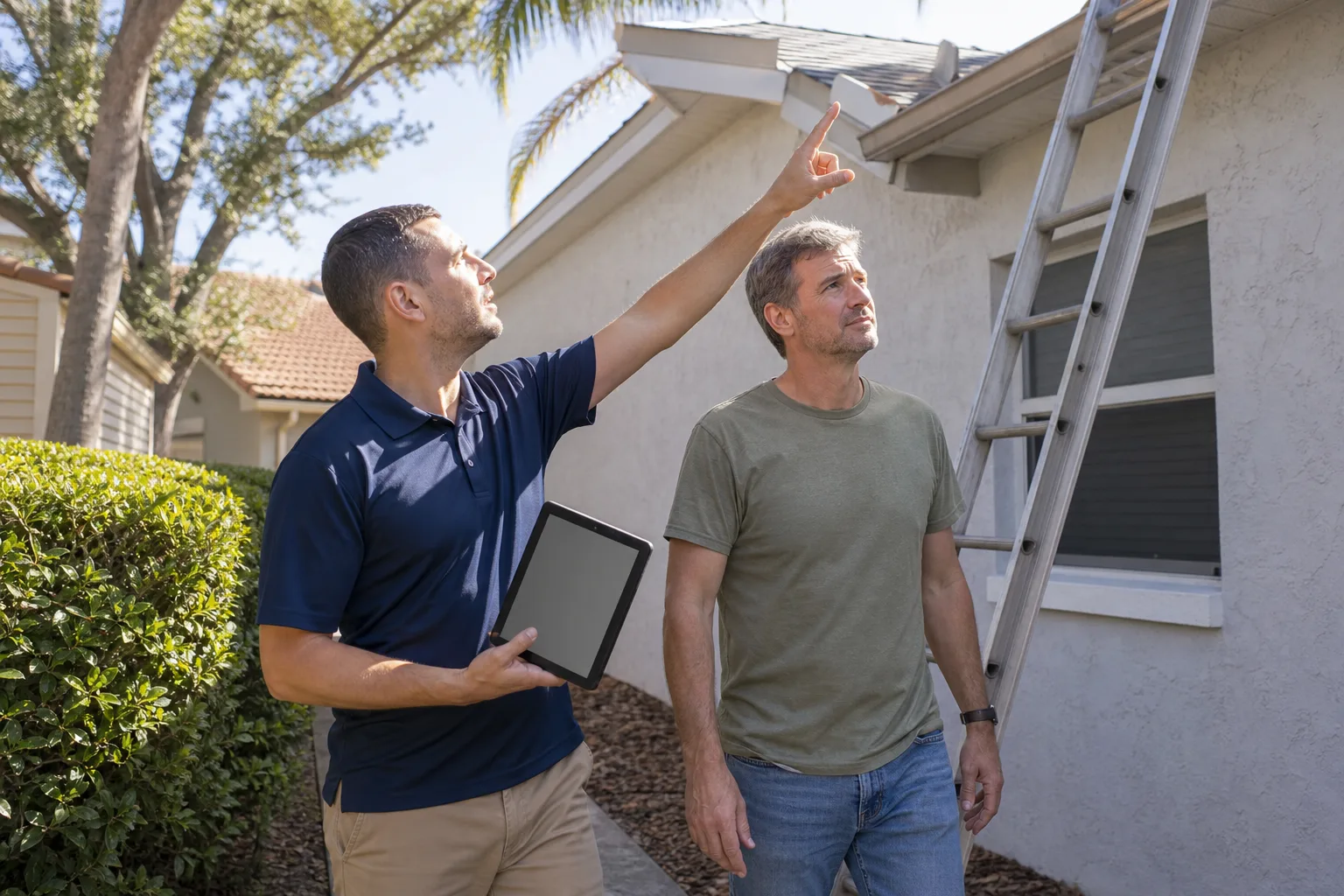
Most residential projects in Kendale Lakes go through 3-6 inspections depending on scope. Every inspection has a specific purpose, and understanding what the inspector is looking for is the difference between passing clean and getting a re-inspection delay.
Rough-in / framing inspection. This is where the inspector verifies the structure before it’s closed in. Looking at: framing spacing and fastening, header sizes, anchor bolts and straps, alignment with the approved plans, and rough electrical and plumbing placement. Prepare by having the approved plans on site, all nailing visible, and any engineering letters or truss drawings available.
Electrical rough-in. The inspector verifies wire gauge, box placement, grounding, and panel layout. Nothing covered, nothing hidden. Have all boxes and panels accessible.
Plumbing rough-in. Water lines, drain lines, and vent routing, with lines under pressure test. The inspector may run a water test on the drainage lines. Prepare by having caps on all open lines and pressure gauges visible.
Mechanical rough-in. Ductwork sizing, equipment placement, and refrigerant line routing. If HVAC equipment has changed location or been resized, that needs to match the permit.
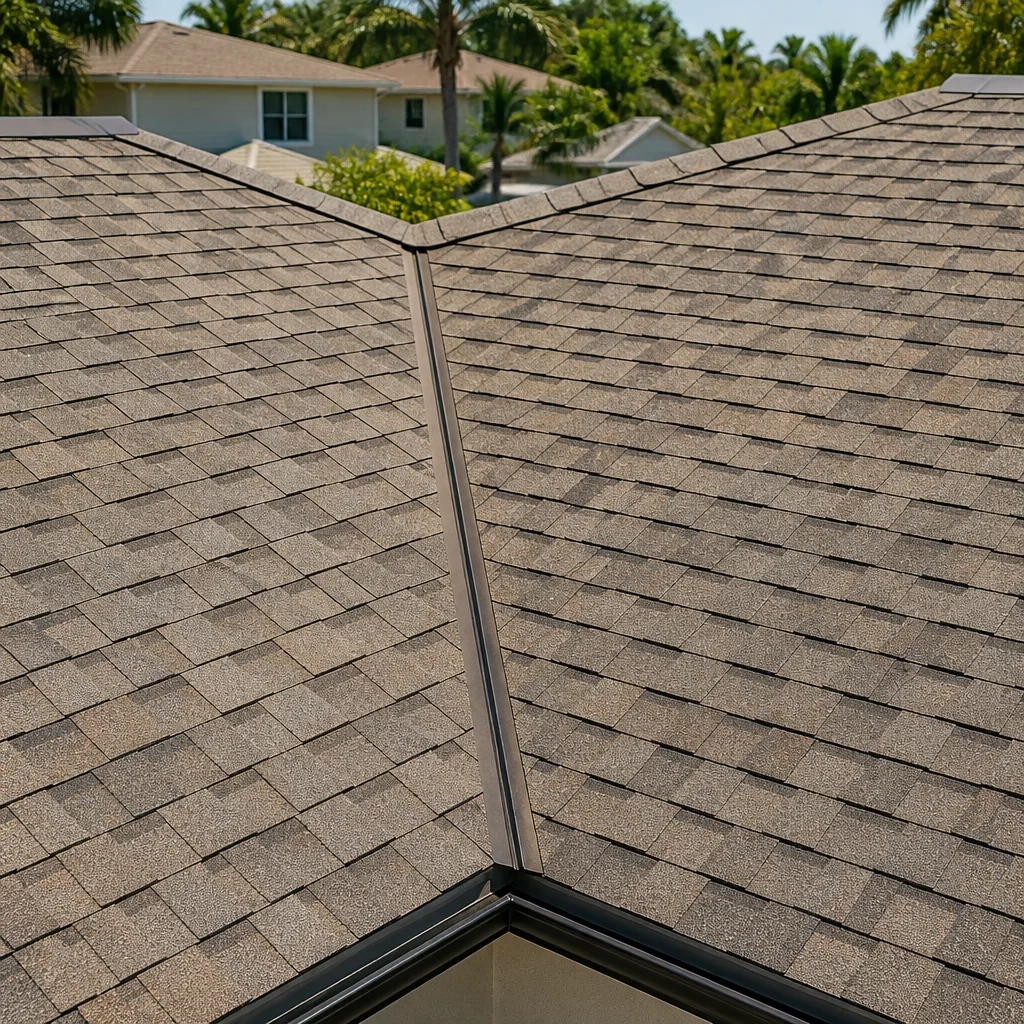
Roofing deck and dry-in inspections. In HVHZ areas, the inspector will confirm underlayment product and attachment, and specifically verify that the product approval numbers on the roof match the ones on the permit. Missing this costs days.
Final inspection. Completed work, functional systems, product approvals in place, and a clean site. Final inspection is also where unpermitted work that’s been tacked on alongside the permitted work tends to surface. That’s not a good day for anyone.
Three habits that save the most time on inspections:
- Have a copy of the approved permit plans on the job site every day, not just on inspection days.
- Photograph every rough-in before it gets covered. If there’s a dispute later, photos resolve it.
- Confirm the inspector’s check pattern before the inspection – call the county, ask what they want accessible, and get it ready.
Dealing With Existing Unpermitted Work
You bought a Kendale Lakes house that came with a finished garage conversion the seller “forgot to mention” on the disclosure, or the previous owner added a screened patio that never got a permit. It happens constantly across Miami-Dade, and the question we hear most often is whether to disclose it voluntarily or hope it never comes up.
Hope is not a strategy here, and the reason is timing. Unpermitted work doesn’t usually surface during your ownership – it surfaces at the worst possible moment: a home sale, an insurance claim after a storm, or a refinance appraisal. At that point, the buyer’s lender requires a permit history that doesn’t exist, and you’re negotiating from a position of weakness. The cost of resolution nearly always exceeds the cost of doing it right the first time.
The path to resolution depends on the work:
- Voluntary disclosure and permitting after the fact. For work that’s still accessible and meets code, a permit can be pulled “after the fact” and the work brought up to code with inspections. This is the cheapest and fastest path when the work itself is compliant.
- Corrective permitting with modification. For work that doesn’t meet current code – a garage conversion without proper egress, a patio enclosure without wind-rated framing – the permit will include the changes needed to bring it up.
- Removal and rebuild. When the work can’t be documented or brought into compliance, removal is sometimes the only path. This is the worst-case scenario and it’s more common than it should be for enclosed patios and garage conversions in the older parts of Miami-Dade.
In our experience, voluntary disclosure is almost always the smarter financial move. The county isn’t looking for you. But a buyer’s title search, a bank appraisal, or an insurance adjuster will find the issue eventually, and the cost goes up at each of those moments. Getting ahead of it with a Fence Installation in Kendale Lakes project’s worth of documentation – or a full property permit audit – is a small expense compared to what an unpermitted structure can cost at sale.
Common Mistakes to Avoid
- Skipping the Notice of Commencement. Homeowners often assume their contractor handles it, and sometimes the contractor does – but only when the homeowner has signed it and confirmed it was recorded at the Miami-Dade County Clerk’s office. Without that record, a subcontractor or supplier can file a lien against your property even after you’ve paid the general contractor in full.
- Assuming the state permit covers the county permit. They’re separate systems, and a state permit never substitutes for a Miami-Dade County building permit on residential structural, electrical, plumbing, or mechanical work. Conflating them is a common out-of-area contractor error, and it’s the homeowner who pays the price at inspection.
- Using products without HVHZ approval. A roof, window, or door that carries a Florida state approval number but not an HVHZ-specific approval is not legal in Kendale Lakes. The inspector checks product approval numbers at dry-in, and a mismatch stops the job until the correct materials are on site.
- Starting work before the permit is issued. This is the single most common unpermitted-work scenario in Kendale Lakes, usually the result of a contractor pushing timelines. Any work done before permit issuance has to be either re-permitted after the fact or removed, and the homeowner carries the exposure even after the contractor walks.
- Ignoring zoning before plan submittal. Setbacks and lot coverage rules in Miami-Dade can surprise homeowners building additions. Confirming those before the design is finalized avoids the failure mode of a permit that gets through plan review only to stall on a zoning comment weeks later.
- Letting a final inspection pass without pulling the product documentation. Final inspection is where the inspector verifies that what was installed matches what was permitted. Keep copies of every product approval, every engineering letter, and every inspection record in one folder from the start.
- Buying a home with unpermitted work and assuming it’ll never come up. It surfaces at sale, at insurance claim, or at refinance. The cheapest time to resolve unpermitted work is always before someone else requires you to.
See the difference
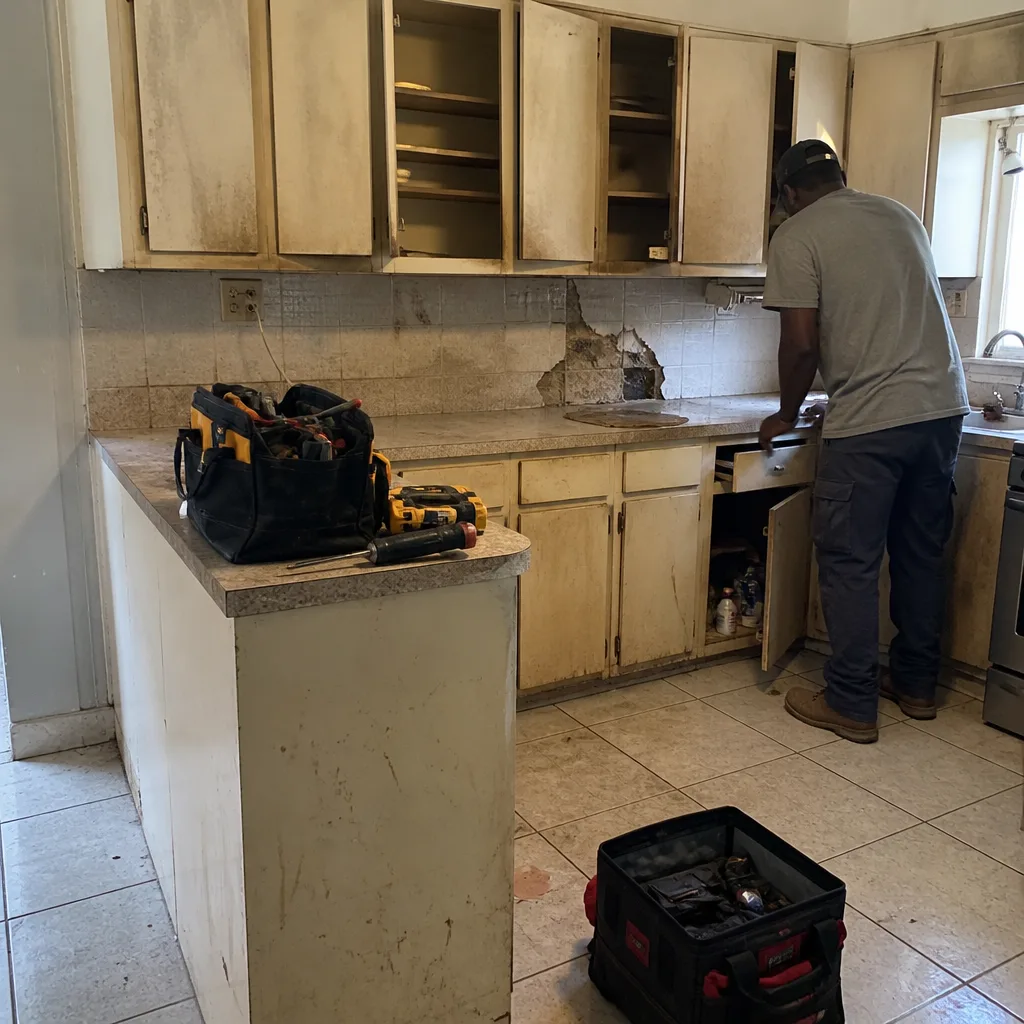 Before
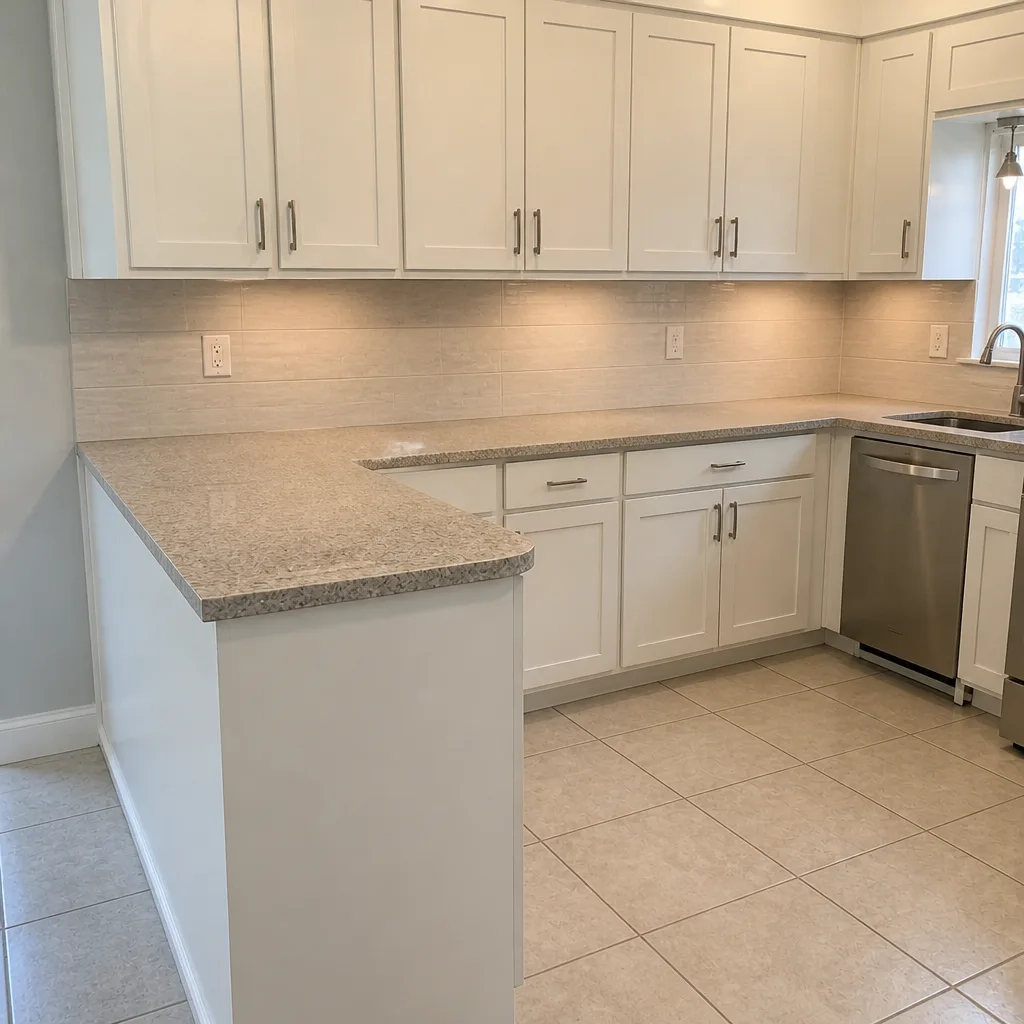 After
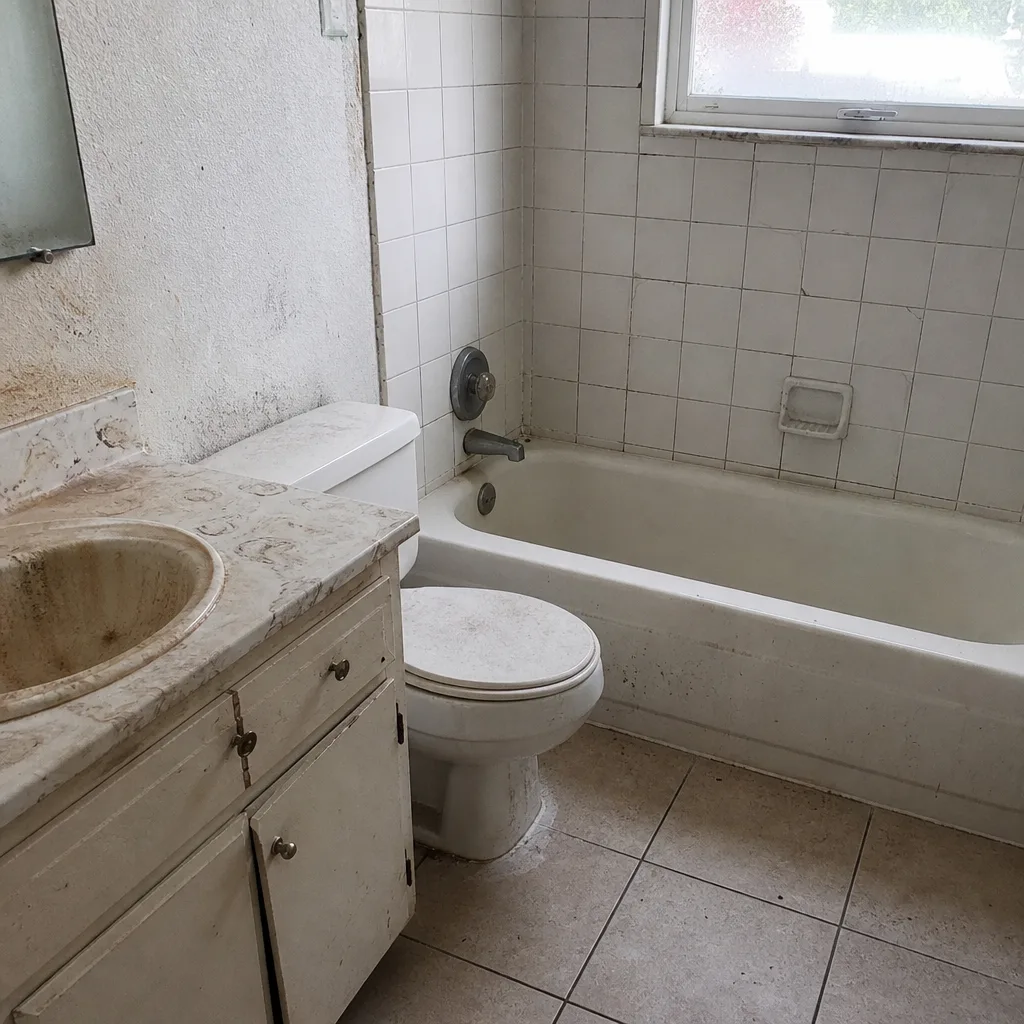 Before
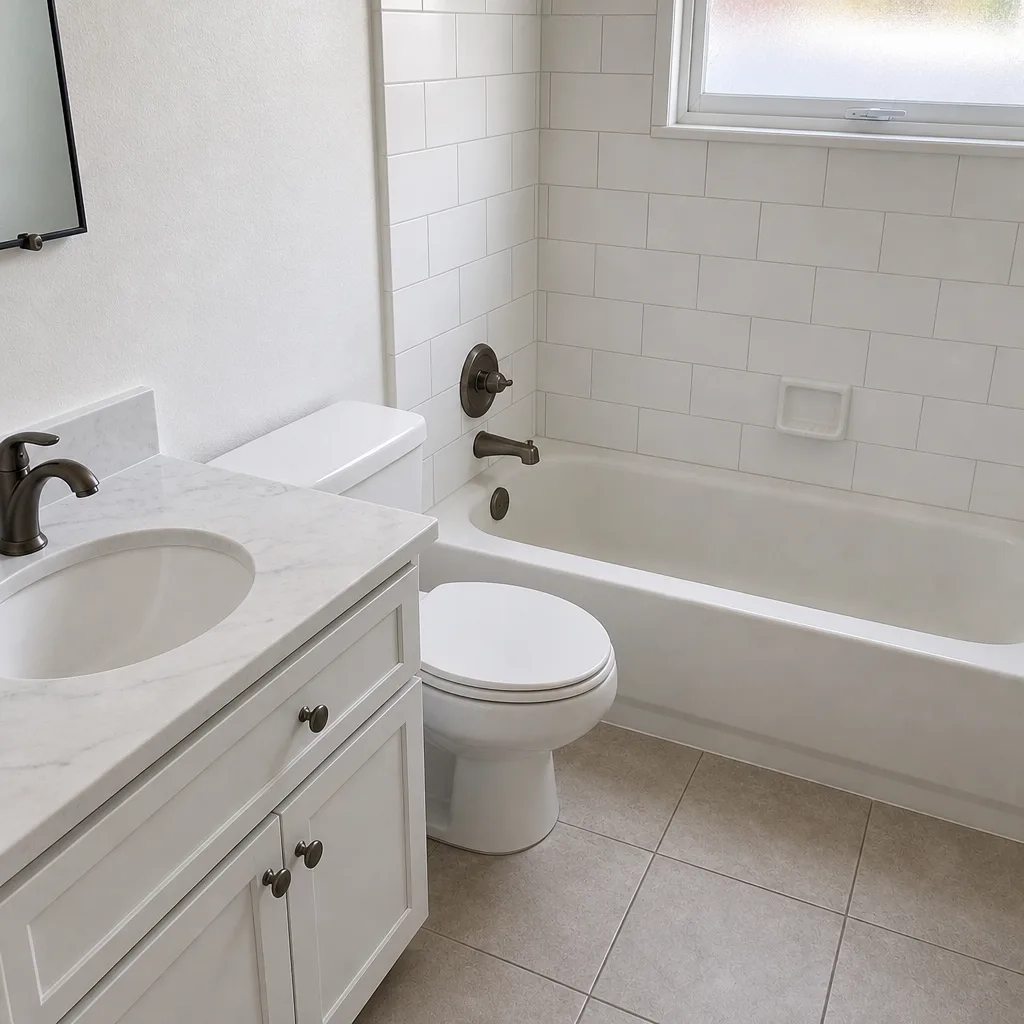 After
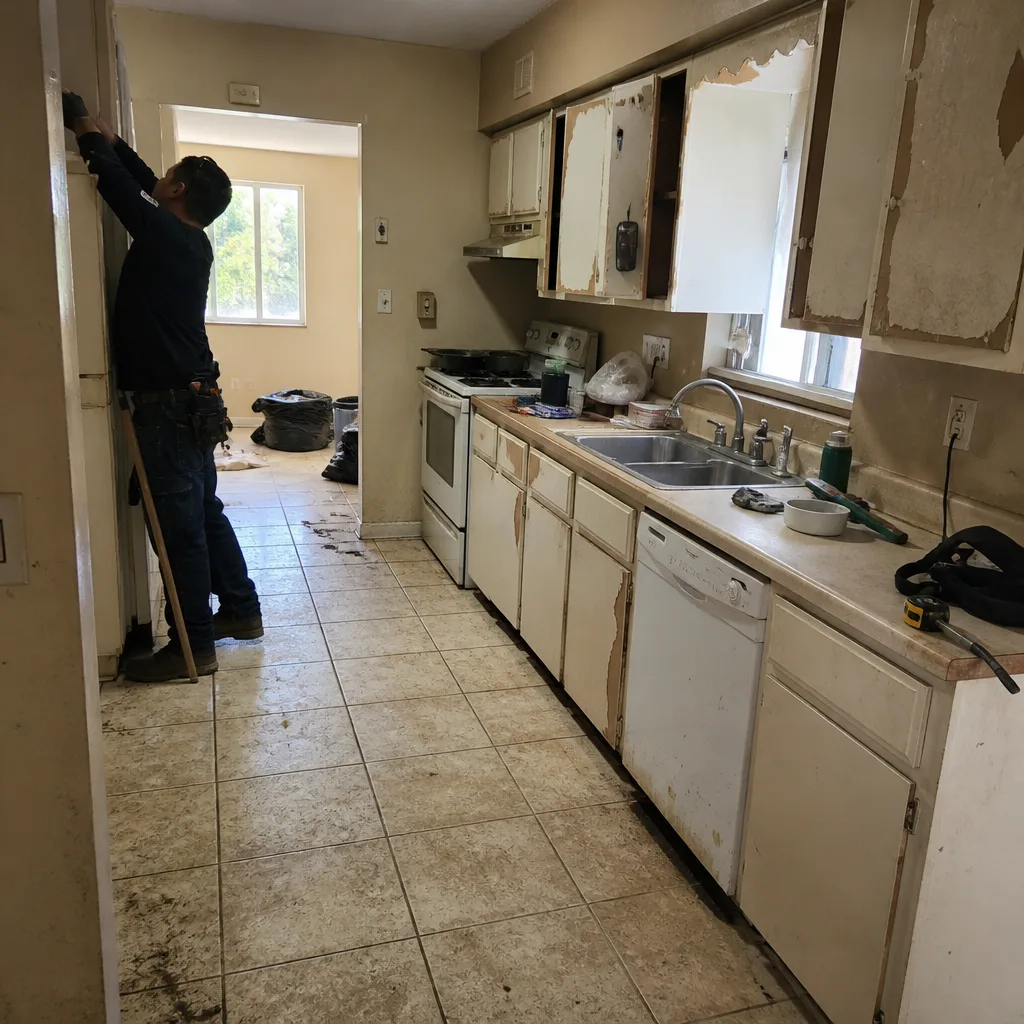 Before
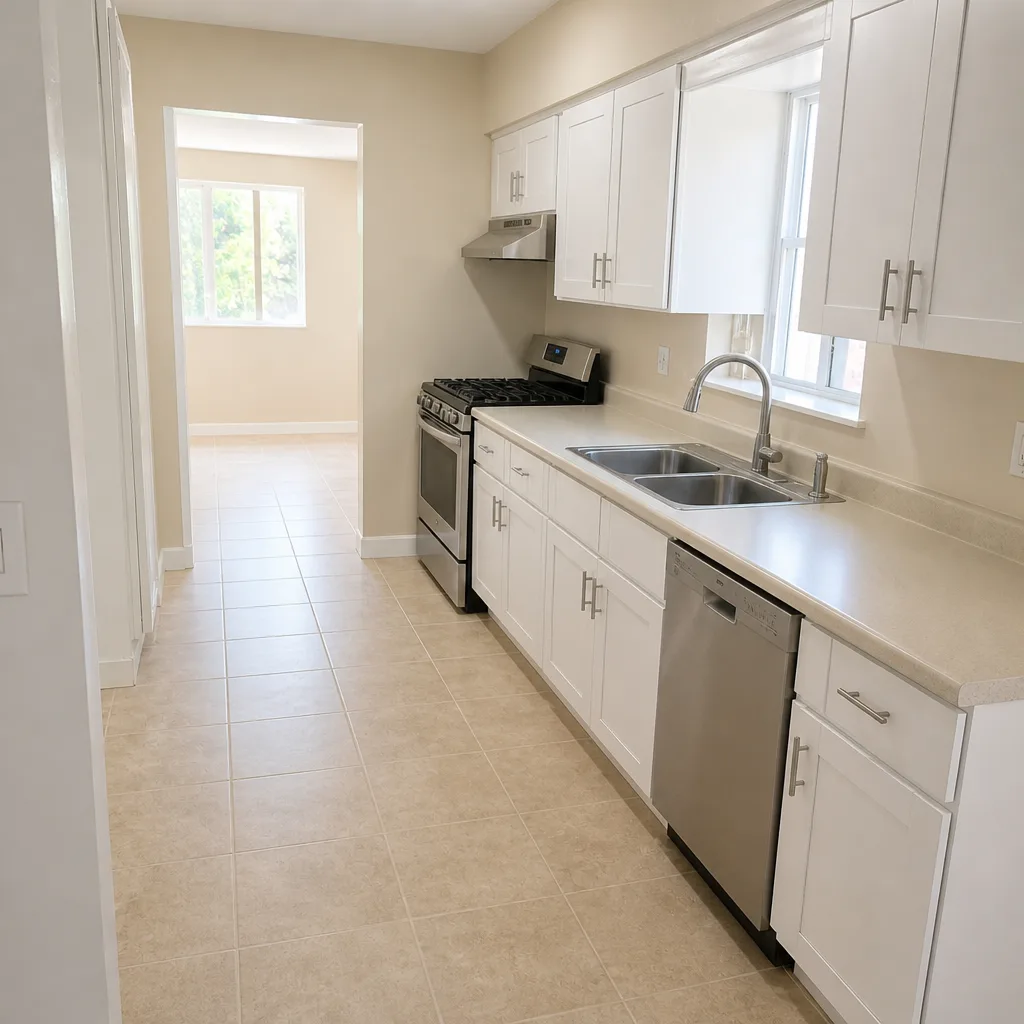 After
When to Call a Professional
Pull in a licensed contractor the moment your project involves anything structural, anything inside a wall, anything on the exterior envelope, or anything related to the home’s electrical, plumbing, or HVAC service. Those are exactly the areas where the permit requirements and inspection sequence get complicated. Interior paint, tile replacement, cabinetry swaps, and decorative finishes typically don’t need a permit on their own, but they frequently trigger one when they touch wiring, plumbing, or the exterior shell. If you’ve inherited unpermitted work – garage conversions, enclosed patios, converted carports – or you’re planning a home addition, ADU, or roof replacement, get a contractor involved before you make any design decisions, because the permit path shapes the design. Groundwork Construction Co. of Kendale Lakes offers free estimates in Kendale Lakes – call (844) 834-8961 to schedule one.
Frequently Asked Questions
Yes. Roof replacements in Miami-Dade County require a roofing permit, and every material used – underlayment, shingles, tile adhesive, and fasteners – must carry an HVHZ-compliant product approval number that matches what’s on the permit application. The inspection process includes at least a deck and dry-in inspection plus a final, and skipping the permit leaves the roof uninsured in most policies. Call (844) 834-8961 for a free estimate that includes the permit scope.
Permit fees in Miami-Dade are calculated as a percentage of the project’s construction value, plus separate fees for electrical, plumbing, mechanical, and roofing sub-permits. A straightforward roof replacement typically runs a few hundred dollars in permit fees; a kitchen remodel with moved plumbing and electrical can run into the low four figures. The exact number varies by scope, and any contractor quoting you a permit fee before seeing the scope is guessing. Get a written estimate. Call (844) 834-8961 – estimates are free.
You can, but the cost of resolution goes up at each milestone. At sale, a buyer’s lender will require a permit history, and if the work shows up as unpermitted, you’ll either negotiate against a lower price or pay to re-permit. Voluntary disclosure through a corrective permit before you list is almost always cheaper. In Kendale Lakes, we’ve walked homeowners through this exact scenario. Call (844) 834-8961 for a free assessment before you list.
A Miami-Dade County permit is what applies to residential structural, electrical, plumbing, mechanical, and roofing work on your home. A state permit is issued for narrower statewide scopes (environmental, dock and seawall, certain specialty work) and does not substitute for a county building permit on residential construction. If a contractor tells you a state permit covers your roof replacement or addition, that contractor is wrong. Call (844) 834-8961 to get the right permit scope for your project.
The county can require you to stop work, apply for an after-the-fact permit, and bring the work up to current code – or in some cases demolish and rebuild. Insurance carriers can deny claims on unpermitted structures after a storm event, and lenders can refuse to finance a home with unpermitted work. The exposure far exceeds the original permit cost. In Kendale Lakes, we’ve seen this play out at closing more than once. Call (844) 834-8961 to get ahead of it.
Fences over a certain height, fences in a front yard, fences on a corner lot, and fences within a right-of-way typically require a permit in Miami-Dade County. Wood privacy fences and pool enclosure fences in Kendale Lakes need permits more often than homeowners expect. If your fence is going in over an easement or utility line, permitting can be more complicated. Call (844) 834-8961 for a free estimate that covers the permit scope.
The Bottom Line
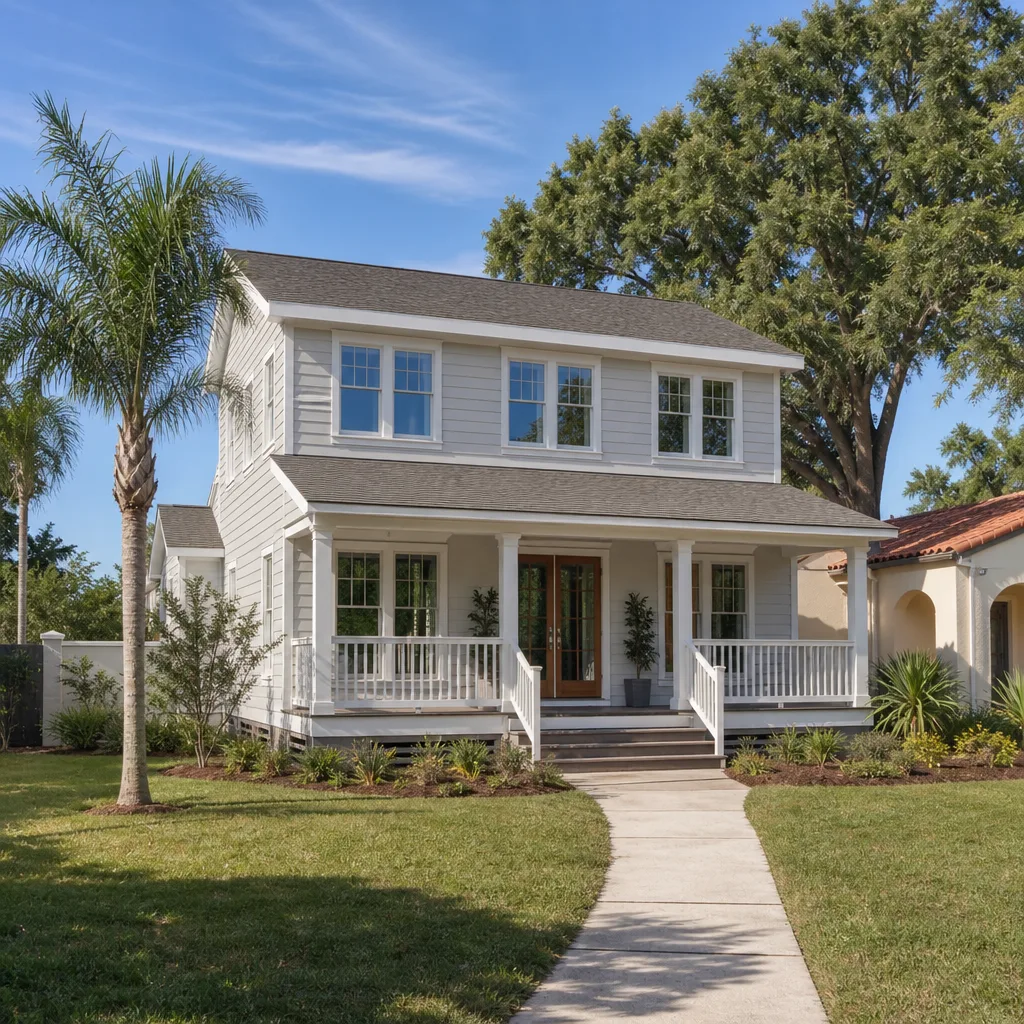
Florida’s permit system is not paperwork for its own sake. It’s a wind-driven safety framework that was rebuilt after Hurricane Andrew, and Miami-Dade enforces it more rigorously than almost any county in the country. For homeowners in Kendale Lakes, that means four things: local permits (not state ones) for residential work, HVHZ-approved products on every exterior component, a properly recorded Notice of Commencement before work begins, and inspections at each phase that check the work against the permitted plans. Skipping any of those steps doesn’t save money – it defers the cost to the worst possible moment, usually a sale or an insurance claim. Do it right the first time, and the permit becomes a planning tool rather than an obstacle.
If you’re planning a project in Kendale Lakes – a Home Additions & ADU in Kendale Lakes, a Fence Installation in Kendale Lakes, a Driveway & Pavers in Kendale Lakes project, a kitchen or bathroom remodel, a roof replacement, or windows and doors – the permit scope belongs in the estimate, not as a surprise line item later. Groundwork Construction Co. of Kendale Lakes pulls the permits, walks homeowners through the Notice of Commencement, and backs the work with the 730-Day Done Right Promise. Our technicians have up to 12 years of experience, and we work with brand partners like CertainTeed, Owens Corning, and IKO on HVHZ-rated exterior work. Upfront pricing, no surprises. Call (844) 834-8961 for a free estimate and design consult – we’re ready to help you scope the project the right way, from the first permit to the final inspection.
Written by the team at Groundwork Construction Co. of Kendale Lakes.