Last updated November 17, 2026


Free written scope consultation - allowances, timeline, and change-order rules on paper before a single trade is scheduled
of Kendale Lakes.
DIY vs Professional Bathroom Remodeling: What’s Safe to Do Yourself
Painting a vanity is DIY. Moving a drain six inches to fit a larger shower is a permitted plumbing job, and in Miami-Dade County, doing it yourself can flag your home during a resale inspection. That’s the hard line most remodeling advice skips. The real question isn’t what you’re physically capable of doing in a bathroom; it’s what work, if done wrong, will cost you three times as much to undo. We’ve watched homeowners in Kendale Lakes save $400 on a tile job and spend $6,000 fixing a shower pan that leaked into the subfloor. This guide draws a clear line between cosmetic DIY wins and the licensed-trade work that Florida code actually requires, so you can plan a remodel that holds up and appraises clean.
Quick Answer
The safe DIY zone in a bathroom remodel is cosmetic: painting, swapping fixtures, replacing a toilet or vanity top, installing trim, and changing hardware. Anything involving new plumbing lines, electrical circuits, structural wall changes, or a full shower pan and wet-area waterproofing legally requires a licensed contractor in Florida. In Kendale Lakes, the line matters because Miami-Dade County permits for plumbing and electrical changes are checked at resale, and unpermitted work can stall a sale. A good rule: if water or wires move, hire a pro; if you’re only changing what’s visible, you can likely handle it.
Styles & brands we work with
- Kitchen remodeling
- Bathroom remodeling
- Home additions & ADU
- Roofing
- Windows & doors
- Driveway & pavers
- Fence
Table of Contents
- The Three Categories: Safe to DIY, Risky Without Experience, Legally Requires a Licensed Contractor
- Miami-Dade Permit Triggers Most Homeowners Don’t Know About
- Real Cost Comparison: DIY Waterproofing Mistakes vs. Professional Waterproofing Upfront
- Why Tile Work Looks Like a DIY Job Until It Becomes a Professional Job
- How to Vet the Parts of a Remodel You Hand Off
- Kendale Lakes Climate, Code, and Market Context
- Common Mistakes to Avoid
- When to Call a Professional
- Frequently Asked Questions
The Three Categories: Safe to DIY, Risky Without Experience, Legally Requires a Licensed Contractor
We break every bathroom remodel task into three buckets. This is the clearest way to decide what you keep and what you hand off. The buckets aren’t about your confidence or your YouTube history; they’re about what happens when something fails six months later.
1. Safe to DIY (cosmetic, reversible, no permits)
- Painting walls, ceiling, and a dated vanity cabinet
- Replacing a faucet, showerhead, or toilet (same location, no line changes)
- Swapping a vanity top and sink without moving supply or drain lines
- Installing a frameless mirror, floating shelves, or trim
- New towel bars, cabinet pulls, and lighting that plugs in
- Regrouting existing tile (not rebuilding a shower)
- Recaulking a tub or shower perimeter with a quality silicone
These tasks are reversible. If you get bored of the color or botch the caulk line, you redo it on a Saturday and no one’s the wiser. No government agency needs to know.
2. Risky Without Experience (you may handle it, but mistakes are expensive)
- Setting tile on a floor or a dry wall (not a wet area)
- Hanging a new vanity cabinet in a new spot
- Replacing a bathroom exhaust fan (the electrical tie-in is where people get stuck)
- Installing a glass shower enclosure on an existing, proven shower pan
- Framing a small soffit or trim-out for a new niche
These can go right, but each carries a specific failure mode: a tile floor that sounds hollow because the thinset wasn’t spread evenly, a fan that trips a breaker because the wiring wasn’t matched, a glass panel that leaks because the pan wasn’t level. If you’re not sure you can hit the standard, this bucket is where a pro earns the fee.
3. Legally Requires a Licensed Contractor in Florida
- Any new plumbing line or relocation of a drain, supply, or vent
- Any new electrical circuit, GFCI in a wet area, or panel work
- Moving or removing a load-bearing wall
- Rebuilding a shower pan, changing a tub to a shower, or any wet-area waterproofing
- Adding a bathroom where none existed (this is an addition, not a remodel)
- Changing a window in a wet wall or enlarging one in a structural wall
This isn’t a suggestion. Florida Statute 489 requires licensed contractors for plumbing and electrical work, and Miami-Dade County enforces it through the permitting process. Skip it and the work exists; the permit doesn’t. That gap follows the house.
Miami-Dade Permit Triggers Most Homeowners Don’t Know About
We get calls every month from Kendale Lakes homeowners who didn’t realize their project needed a permit until a neighbor’s inspector flagged it or their insurance company asked. Here are the triggers that catch people off guard.
Plumbing Triggers
- Moving a toilet, sink, or shower drain even a few inches
- Converting a tub to a walk-in shower (the drain location and waterproofing change)
- Replacing a vanity with one that relocates supply or drain lines
- Adding a second sink to a vanity (new supply and drain)
A straight “swap” of a toilet or faucet in the same spot generally doesn’t need a permit. The moment the footprint moves, it usually does.
Electrical Triggers
- Adding a GFCI outlet in a wet area (required by code, and permitted work)
- Installing a new exhaust fan on a new circuit
- Adding a heated towel rack, in-floor heat, or a lighted mirror with a hardwired connection
- Any work inside the electrical panel
Structural Triggers
- Removing or widening a wall to expand the bathroom
- Enlarging a window in a load-bearing wall
- Adding a niche into an exterior wall
Kendale Lakes has a lot of 1970s and 1980s CBS (concrete block and stucco) homes. Structural changes in these walls require an engineer’s review and a stamped plan, not just a permit application. That’s a hard stop for a DIY weekend. If your project is really about adding square footage rather than reworking existing space, that’s a different scope entirely; see our Home Additions & ADU in Kendale Lakes guide for how that process works.
Real Cost Comparison: DIY Waterproofing Mistakes vs. Professional Waterproofing Upfront
This is where we see the most expensive gap between what people think they’ll save and what they actually pay. Waterproofing isn’t visible, which makes it easy to shortchange. It’s also the one failure that damages everything above and below it.
Here’s a realistic cost breakdown for a standard tub-to-shower conversion in a Kendale Lakes bathroom. All ranges are estimates; actual numbers vary with size, materials, and condition.
Doing the Shower Pan and Waterproofing Yourself
- Materials (pan liner, cement board, thinset, sealant): $300 – $600
- Time investment: 3 – 5 weekends if you’re learning as you go
- Risk of a failed pan: high for a first-timer, and failures often don’t show up for 6 – 18 months
When a pan fails, here’s what remediation typically costs:
- Tear-out of tile and pan: $600 – $1,200
- Subfloor repair (rot, mold remediation): $800 – $3,000
- Reframing and re-waterproofing to code: $1,000 – $2,500
- New tile and fixtures: $1,500 – $4,000
- Possible ceiling repair in the room below: $400 – $1,500
- Total remediation: $4,300 – $12,200
And that’s the best case. If the leak reaches the home’s framing or electrical, the number climbs and the timeline stretches.
Professional Waterproofing Upfront
- Licensed shower pan and waterproofing to code, including permit: $1,800 – $3,500
- No remediation risk from the pan
- Covered by our 730-Day Done Right Promise
On paper, the DIY route looks like a $400 save. In practice, it’s a $4,000-to-$12,000 gamble on a system that has to be right the first time. We’ve seen this play out in Kendale Lakes more than once. The homeowners who come to us after a failed pan almost always say the same thing: they wish they’d known how unforgiving a wet area is.
Why Tile Work Looks Like a DIY Job Until It Becomes a Professional Job
Tile is the great deceiver of bathroom remodeling. On a dry floor or a backsplash, tile is genuinely forgiving. Spacing is a bit off? Grout hides it. Slight lippage? A dry area won’t leak. That’s why so many homeowners successfully tile a bathroom floor and then decide to tackle the shower.
A wet area is a different job. Here’s what changes the moment a shower pan or wet wall is involved.
The Slope Problem
A shower pan has to slope toward the drain at the correct rate, in every direction, with no flat spots. A flat spot collects water. Standing water under tile eventually becomes mold, and mold under tile means a rebuild. Getting the slope right is a small, precise piece of work that most people only learn by doing it wrong once.
The Membrane Problem
Waterproofing membranes have to be continuous and lapped in the right direction. A single pinhole, a corner that wasn’t sealed, or a nail that punched through during cement board install creates a path for water. That path is invisible until the subfloor is already damaged.
The Curb Problem
A shower curb looks simple. It’s not. It has to be level on top, plumb on the sides, and tied into the pan liner and the waterproofing on all sides. A curb that fails sends water to the subfloor under the bathroom door.
Here’s the test for whether tile work is professional work: does water touch it? If yes, treat it as a licensed-trade job. If it’s a dry floor or a wainscot on a non-wet wall, it’s fair game for a skilled DIYer. This same logic applies outside the house, which is why we recommend pros for wet-weather exterior work too, from Driveway & Pavers in Kendale Lakes to Fence Installation in Kendale Lakes. Water finds every gap.
How to Vet the Parts of a Remodel You Hand Off
Handing off the licensed work doesn’t mean handing off the whole project. You can absolutely keep the cosmetic parts and the finish work and bring in a pro for the trades. Here’s how to do it without creating a mess of responsibility.
Questions to Ask a Contractor About the Work You Kept
- Who is responsible if my work fails and it affects yours? You want a clear answer in writing. Example: if you tile the shower and the pan fails, is the contractor on the hook for re-tiling? Usually no, and the contract should spell it out.
- What’s the sequencing plan between my tasks and yours? A pro will give you a schedule that shows when the waterproofing cures, when tile can be set, when fixtures can be installed. If the answer is vague, that’s a flag.
- Will you inspect the substrate before I tile? A good contractor wants to verify the pan, the framing, and the waterproofing before finish work goes on top. If they don’t ask, ask them to.
- Do you pull the permits for your scope? If the contractor pulls the permit for their work, the inspection protects everyone. If they ask you to pull a homeowner permit for licensed-trade work, walk.
- What does your warranty cover and what voids it? Our 730-Day Done Right Promise covers our work; it doesn’t cover a joist somebody moved. Ask the question so you know the boundaries.
- Can I see the line-item schedule of values? You want to see what the licensed scope costs separately from your DIY scope. Upfront pricing, no surprises, on both sides.
What to Keep as DIY
- Demo (with clear safety instructions and a pro review of what’s structural)
- Painting and finish prep
- Vanity top swap, backsplash tile, dry-floor tile
- Trim, shelving, and hardware
- Final touch-up and cleanup
What to Hand Off
- Any plumbing line move or wet-area waterproofing
- Any new electrical circuit or wet-area GFCI install
- Structural wall changes
- Shower pan, tub-to-shower conversion, or any wet-area rebuild
- Permit-required work of any kind
Kendale Lakes Climate, Code, and Market Context
Kendale Lakes has its own set of conditions that shape a bathroom remodel, and they’re different from what you’d plan for in a drier climate. If you’re comparing DIY vs professional bathroom remodeling from a Kendale Lakes address, here’s what to keep in mind.
Humidity and Ventilation
Miami-Dade humidity is a constant, not a seasonal annoyance. A bathroom that’s vented to a poorly-sized exhaust fan will grow mold under the paint and behind the vanity within a single wet season. Code requires a properly sized fan vented to the exterior. If you’re remodeling a bathroom in a 1970s Kendale Lakes home and the existing fan is the original builder-grade unit, plan to replace it; a $40 fan isn’t worth the mold it invites.
Salt Air and Exterior Walls
Homes closer to the coast (like parts of Kendall and the western blocks of Kendale Lakes) see faster exterior trim degradation and faster corrosion on plumbing and fixtures. If your bathroom sits on an exterior wall, look closely at the condition of the framing behind the drywall, especially in older homes. We’ve opened walls in Kendale Lakes that look fine on the bathroom side and reveal rusted brackets and softened sill plates on the exterior side.
Concrete Block Construction
A lot of Kendale Lakes homes are CBS, meaning the interior walls are often block with furring strips or drywall. This changes the plan for plumbing relocation: cutting into a block wall is a different trade than framing a wall. If your designer or contractor proposes moving a shower into a wall that’s structural block, that plan needs a licensed plumber and a permit, full stop.
Resale and Inspection
Miami-Dade resale inspections flag unpermitted work. A moved drain without a permit, a swapped electrical panel, a bathroom addition done on the cheap: these show up on an inspection report and can cost you a sale, a price concession, or a remediation bill after closing. Kendale Lakes is a value-conscious market, and buyers review the permit history before they sign. A couple of hundred dollars in permits protects tens of thousands in resale value. For more on how we approach full-scope work, including the trades that touch plumbing and structure, visit our Groundwork Construction Co. of Kendale Lakes home page.
See the difference
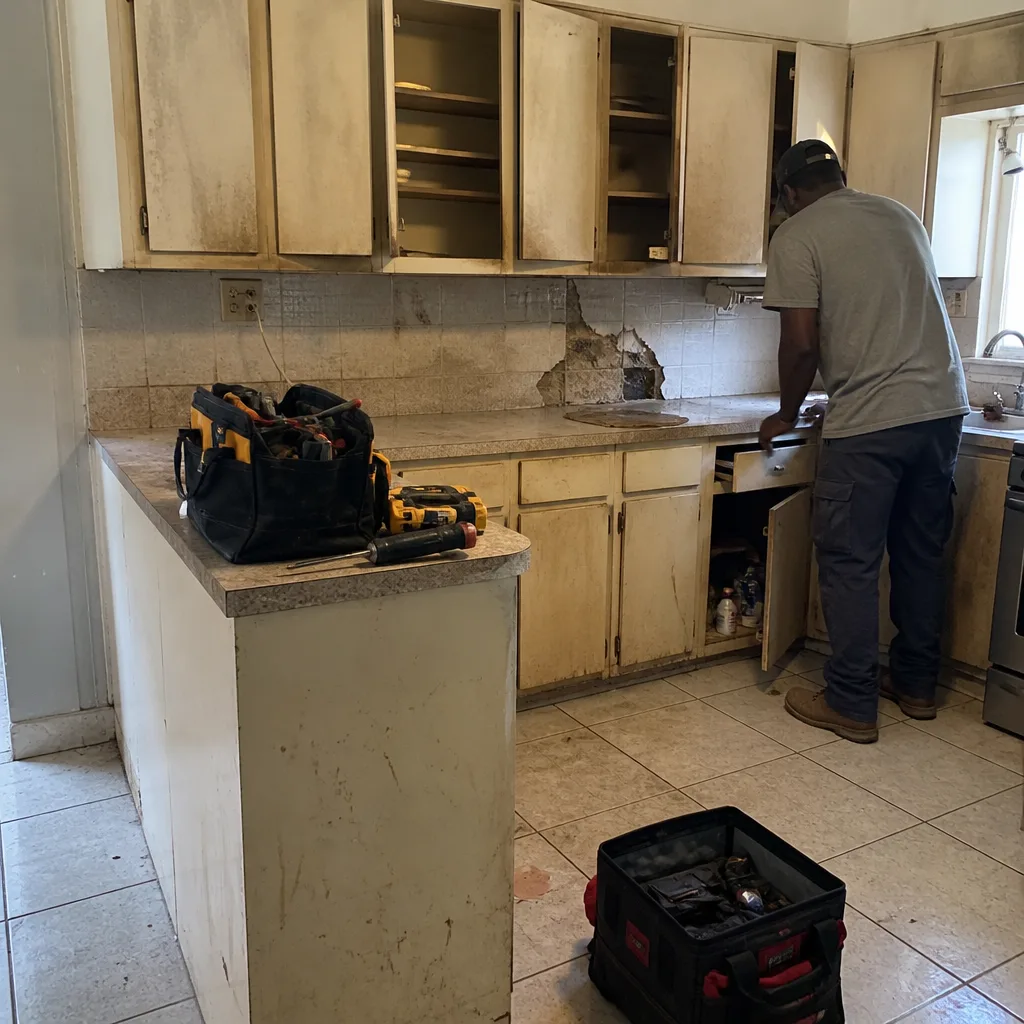 Before
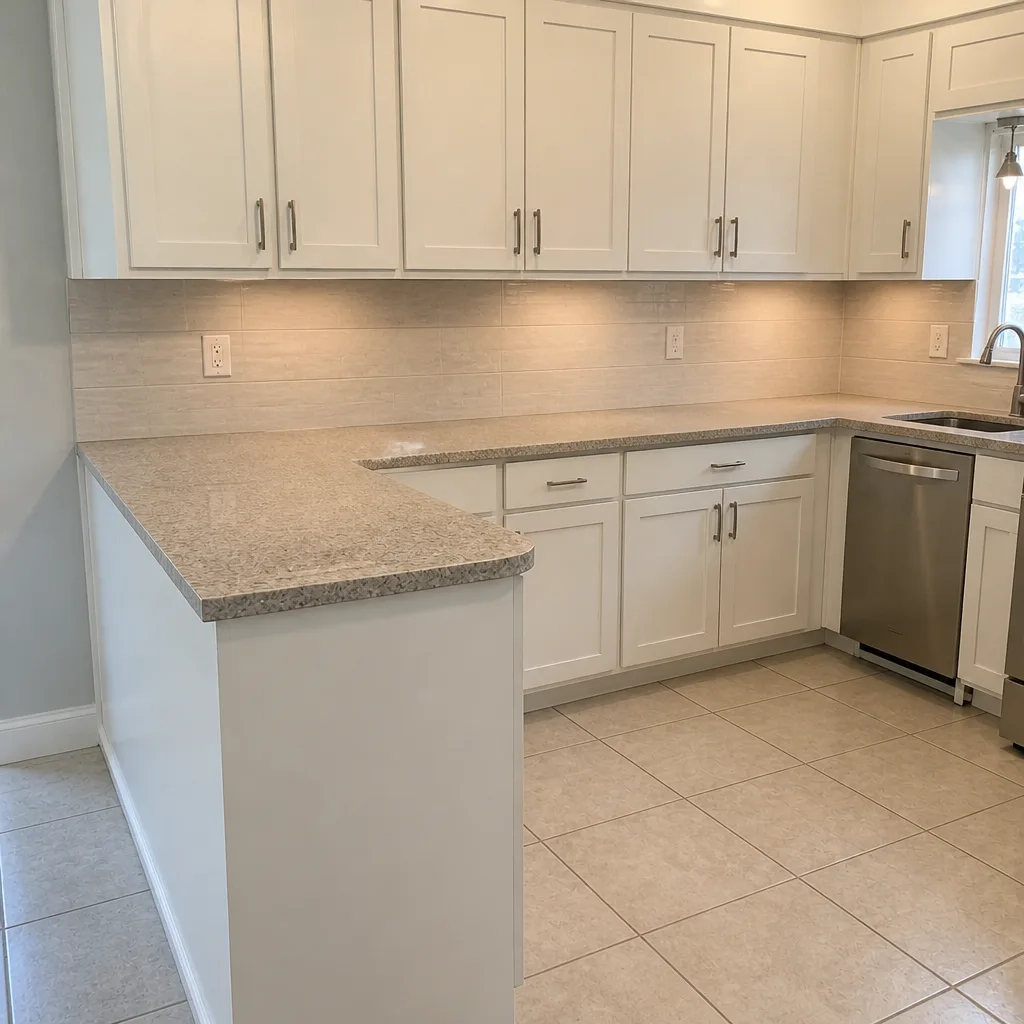 After
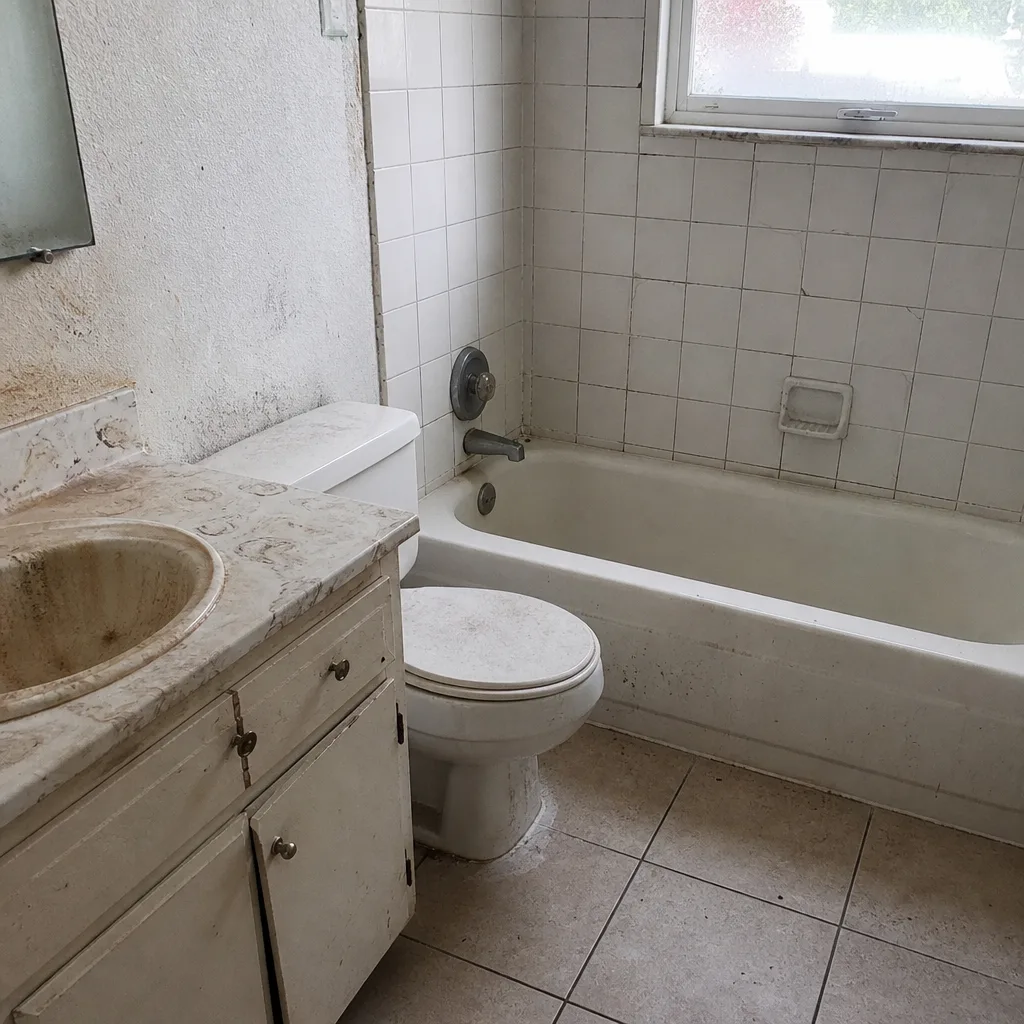 Before
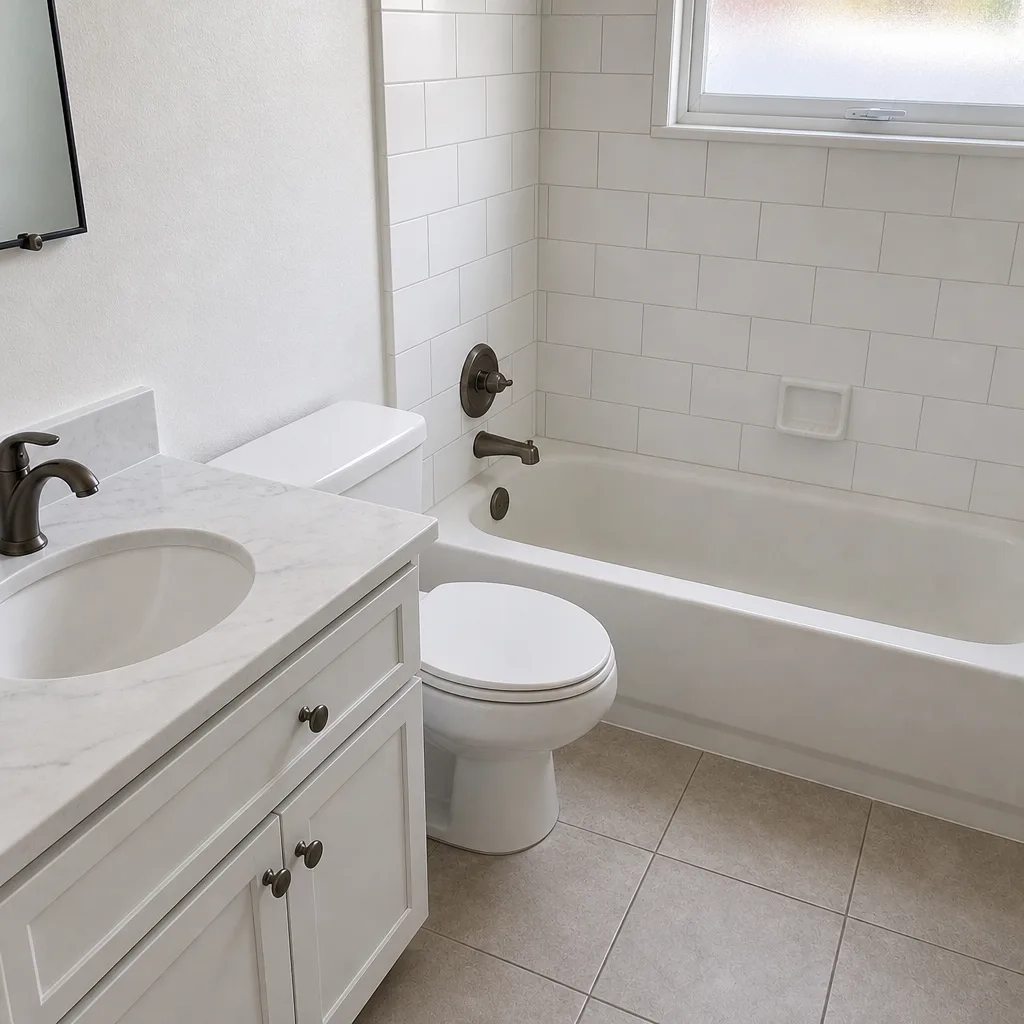 After
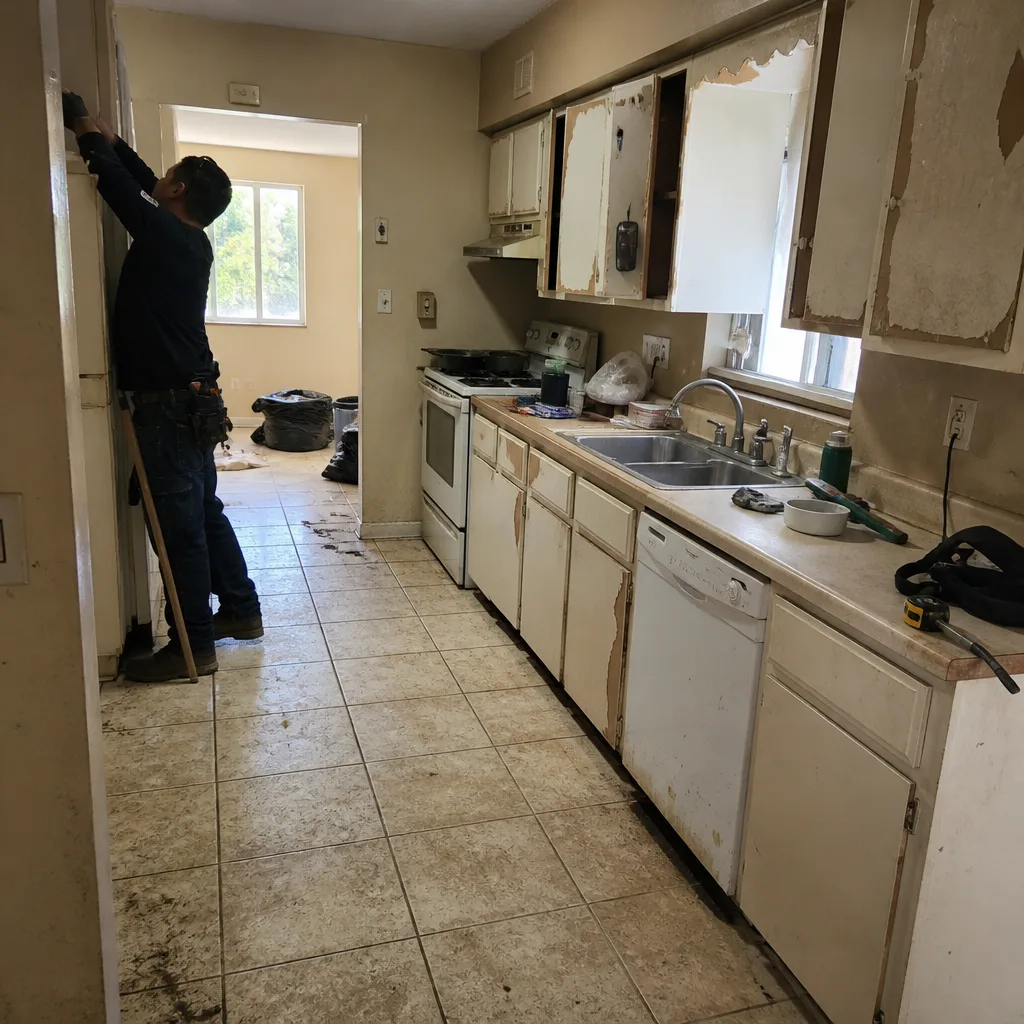 Before
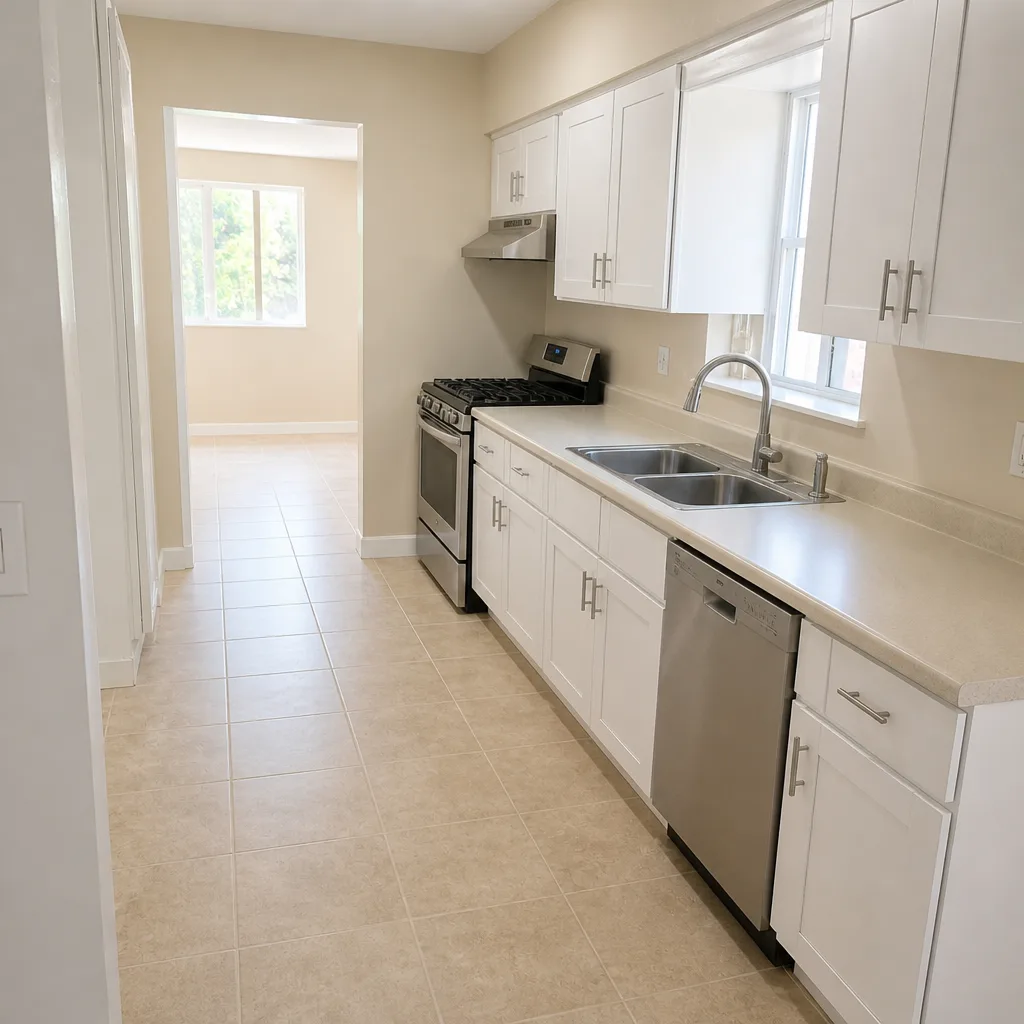 After
Your Bathroom Is More Than a Bathroom
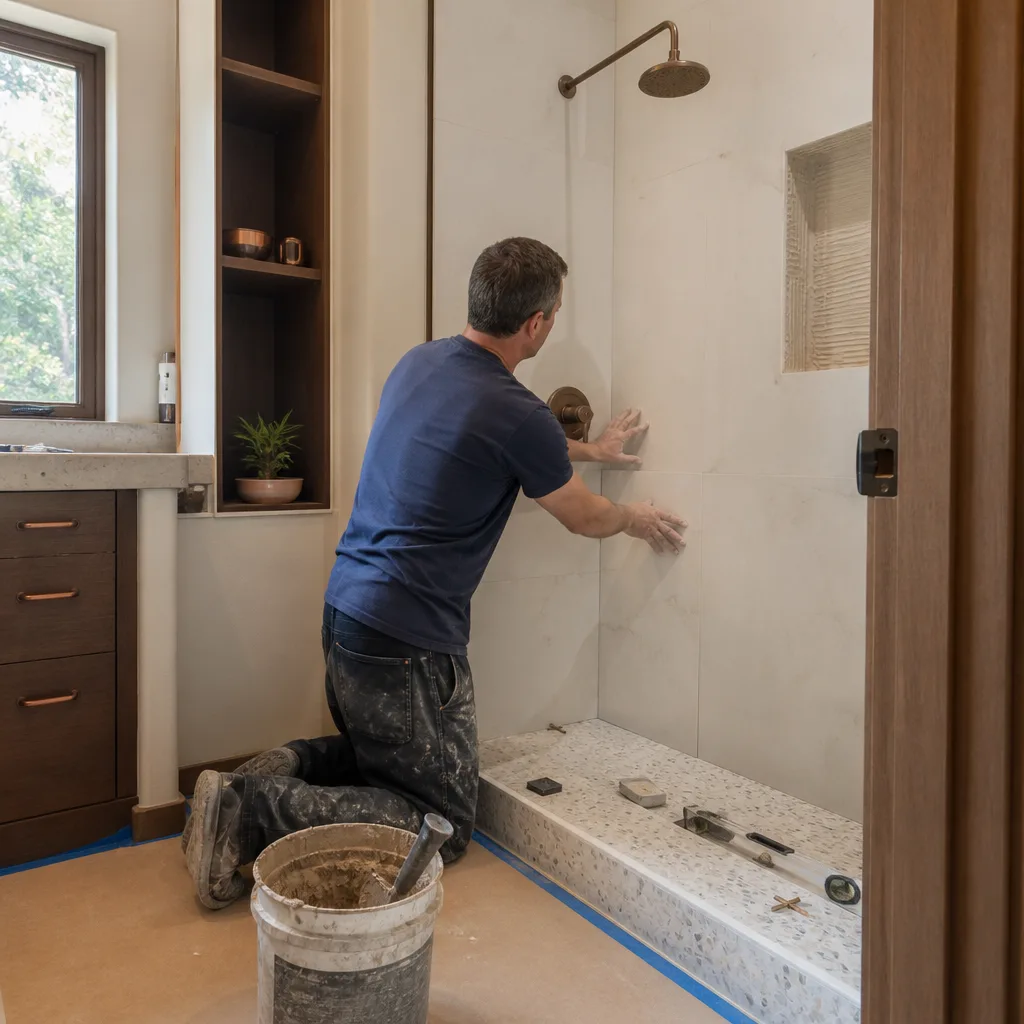
Every bathroom remodel is a small, high-stakes piece of construction. It’s also the room with the most concentrated mix of plumbing, electrical, waterproofing, and finish work in the house. If you’re keeping part of the project and handing off the rest, our team can walk you through the sequencing, pulls the permits for the licensed scope, and puts the warranty in writing. Estimates are free. Calls are answered by a live person, 24/7. The number is (844) 834-8961.
Common Mistakes to Avoid
- Starting demo before the plan is set. A homeowner in Kendale Lakes tore out a tub, then discovered the drain line was blocked into the slab and required emergency plumbing. Know the plan before the first swing of the hammer.
- Skipping the permit to “save time.” Miami-Dade permit rejection at resale costs far more time than the permit ever would. And it’s not a maybe; it’s a when.
- Buying the shower pan and tile before the waterproofing is designed. Tile and pan have to be engineered together. Buying tile first and designing the pan second often forces a rebuild.
- Installing a bathroom fan vented to the attic, not the exterior. This is common in older Kendale Lakes homes, and it turns an attic into a mold farm over one Florida summer.
- Waterproofing a shower with drywall and a coat of paint. Greenboard is drywall with a green face paper and it is not a waterproofing system. Don’t let anyone tell you otherwise.
- Moving a toilet drain without a permit because “it’s just a few inches.” Inches are irrelevant. The permit is triggered by the move, not the distance.
- Hiring the first bid without a written scope. A one-page estimate that says “bathroom remodel: $18,000” isn’t a bid. Ask for a line-item schedule of values so you know what the licensed scope costs separately from your DIY work.
When to Call a Professional
Call a pro when work moves water, moves wires, or moves a wall. In a bathroom, that covers about half the project. The specific scenarios that should send you to the phone:
- Any shower pan or wet-area waterproofing (including a tub-to-shower conversion)
- Any drain, supply, or vent relocation
- New electrical circuits, GFCI installation, or exhaust fan replacement with new wiring
- Any structural wall removal, opening, or window enlargement
- Any permit-required work
- Any project in a 1970s or 1980s Kendale Lakes home where you suspect the walls behind the tile haven’t been opened in decades
Groundwork Construction Co. of Kendale Lakes offers free estimates in Kendale Lakes. Call (844) 834-8961. Upfront pricing, no surprises. All work covered by the 730-Day Done Right Promise. Background-checked, uniformed technicians on every project.
Frequently Asked Questions
You can do the cosmetic parts yourself, but any licensed-trade work (plumbing line moves, new electrical circuits, structural changes, wet-area waterproofing) legally requires a licensed contractor in Florida. Miami-Dade County enforces this through the permit process. The safest approach is to keep the finishing work and hand off the trades. Call (844) 834-8961 for a free estimate on the parts you want to hand off.
Yes. Any relocation of a toilet, sink, or shower drain requires a plumbing permit, no matter how small the move. The permitted scope covers the drain and supply line changes. Call (844) 834-8961 to schedule a free estimate; we pull the permits for the licensed scope.
A failed shower pan typically costs $4,300 – $12,200 to remediate, including tear-out, subfloor repair, mold remediation, reframing, new tile, and fixtures. The range depends on how long the leak ran before being discovered and whether it reached the framing below. Professional waterproofing upfront is $1,800 – $3,500, which is why we recommend it on any wet-area project. Call (844) 834-8961 for a free estimate on waterproofing your bathroom.
Painting, hardware, trim, dry-floor tile, a vanity top swap in the same location, and fixtures not requiring line moves are all safe to keep as DIY work. Demo is also fair game if you’ve confirmed what’s structural and what’s not. The parts to hand off are anything involving plumbing, electrical, structural, or wet-area waterproofing. Call (844) 834-8961 for a free estimate on the parts you want to hand off.
Yes. Miami-Dade resale inspections flag unpermitted plumbing, electrical, and structural work, and buyers often negotiate a price reduction or require remediation. In a value-conscious market like Kendale Lakes, permit history is part of what gets checked before closing. Pull the permits, pass the inspections, and the resale conversation doesn’t happen. Call (844) 834-8961 to schedule a free estimate; we handle the permitting.
A straight replacement in the same spot generally doesn’t need a permit, but if the new vanity relocates the supply or drain lines, it does. The permit is triggered by the plumbing change, not the vanity itself. If you’re not sure which side of that line your project sits on, call (844) 834-8961 for a free estimate; we’ll tell you in plain language what needs permitting and what doesn’t.
The Bottom Line
DIY vs professional bathroom remodeling isn’t a question of what you can physically do. It’s a question of what work, if done wrong, costs three times as much to undo. The cosmetic layer is yours. The plumbing, electrical, structural, and wet-area waterproofing layer is where a licensed contractor earns their fee. In Kendale Lakes, that line also matters at resale, where unpermitted work follows the house and can cost you a sale. Keep the reversible work. Hand off the rest. Get the permit, pass the inspection, and put the warranty in writing. Our team is here when you’re ready to price the licensed scope.
Ready to talk through your project? Call Groundwork Construction Co. of Kendale Lakes at (844) 834-8961 for a free estimate. Calls are answered by a live person, 24/7. Upfront pricing, no surprises. $1,000 off projects over $10,000, 0% financing for 18 months, and every job backed by the 730-Day Done Right Promise.
Written by the team at Groundwork Construction Co. of Kendale Lakes.