Last updated November 17, 2026



Free written scope consultation - allowances, timeline, and change-order rules on paper before a single trade is scheduled
Construction Warning Signs: A Kendale Lakes Homeowner’s Reference Guide
In our experience across Kendale Lakes, cosmetic cracks are the number one issue homeowners ask us to look at, and the first thing we’d warn against ignoring. Here’s the counterintuitive part: the crack that looks worst is rarely the one that’s been there for years. The dangerous cracks are often the ones that appeared six weeks ago and grew quietly through the wet season. That’s because Kendale Lakes sits on the edge of the Everglades drainage basin, where muck and limestone sit beneath a veneer of fill, and the soil swells and shrinks with every rain cycle. By the end of this guide, you’ll know which signals are normal aging, which ones point to a structural or envelope problem, and which ones mean you should stop what you’re doing and get a professional out to look.
Quick Answer
Construction warning signs in Kendale Lakes homes fall into four categories: foundation movement (stair-step cracks in block walls, doors that stop latching, cracks wider than 1/4 inch that keep growing), roof envelope failure (granule loss, soffit staining, fascia rot), stucco breach (cracks that appear after a dry spell and widen with rain), and drainage-driven settlement (pooling at the driveway edge, separated paver joints, water standing against the slab). If a crack is wider than a nickel, appeared recently, or is accompanied by a sticking door or window, it deserves an inspection. Cracks under a hairline that haven’t moved in years are usually cosmetic.
Styles & brands we work with
- Kitchen remodeling
- Bathroom remodeling
- Home additions & ADU
- Roofing
- Windows & doors
- Driveway & pavers
- Fence
Table of Contents
- How to Tell Settlement Cracks From Structural Cracks
- South Florida Roofing Signals That Precede a Leak
- What Stucco Cracks in Kendale Lakes Actually Mean
- Reading Your Driveway and Patio for Drainage Problems
- Humidity and Mold: Ventilation Problem or Envelope Failure?
- Storm-Season Report Card: What to Check Before and After
- What a Professional Inspection Actually Covers
- Common Mistakes to Avoid
- When to Call a Professional
- Frequently Asked Questions
How to Tell Settlement Cracks From Structural Cracks
Settlement cracks run in clean, near-vertical lines, are typically hairline to 1/16 inch wide, and stop moving after the first two to three years of a home’s life. Structural cracks run diagonally (often in a stair-step pattern following the mortar joints of concrete block), widen as they go, and keep growing with every wet season. That second pattern is the one that needs eyes on it.
In Kendale Lakes we see the stair-step pattern most often on the west and south-facing walls of homes built between the 1970s and the 1990s. Those walls take the most afternoon sun, dry out fastest, and are the first to show the movement that occurs when the soil under one corner of a slab shrinks while the soil under another corner stays saturated. The crack that appears behind the front walk is usually benign. The crack that starts at the corner of a window and runs diagonally toward the roofline is not.
Here’s how we walk a homeowner through the distinction:
- Measure with a straightedge. Hold a ruler perpendicular to the crack. Anything over 1/8 inch wide is worth watching; over 1/4 inch is a call-right-now situation.
- Mark the ends of the crack with pencil. Write the date next to each mark. Check back every 60 days during the rainy season (May through October). If the crack has extended past either mark, it’s moving.
- Check the doors and windows in the same wall. A square, plumb door that suddenly stops latching at the top left corner is telling you the wall has shifted. Latching problems that develop within weeks of a crack appearing are a strong signal.
- Look at the interior side of the same wall. If the crack goes all the way through the block and shows on the interior drywall in the same shape, it’s a wall movement problem, not a paint problem.
- Note the timing. Cracks that widen after heavy rain (the July and August pattern in Kendale Lakes) point to soil expansion; cracks that widen in the dry spring point to soil shrinkage and foundation settlement.
One more thing we tell every homeowner: buy a cheap crack gauge (a plastic ruler that bridges the two sides of a crack) for about $15 at any hardware store. That tool will tell you more in 90 days than any amount of staring at the wall.
South Florida Roofing Signals That Precede a Leak
A leak never starts the day you see the brown ceiling ring. It starts months or years earlier, and there are at least five visible warning signs that show up long before water finds its way inside. Kendale Lakes sits in one of the heaviest afternoon-storm corridors in the country, with roughly 60 inches of rain a year, so the envelope takes more punishment here than almost anywhere in the continental United States.
The five signals that matter most in this climate:
- Granule accumulation in gutters and at downspout outlets. Shingle granules are your roof’s UV armor. Once you’re sweeping a coffee can of granules off the driveway after a storm, the shingles are near end of life. A shingle in its productive life sheds granules slowly, not noticeably.
- Soffit staining, especially dark streaks running inward from the fascia line. A shaded, permanent water mark on the soffit plywood or vinyl is almost always a sign of water tracking behind the fascia and into the roof deck. Look up at the soffit from the yard after a heavy rain. If it’s dark and damp, something is getting in.
- Fascia board rot or softness. Poke the fascia with a screwdriver at the corner of the house. If it sinks, the wood is compromised and the drip edge or flashing is failing behind it.
- Cupping or lifted shingle edges along a single plane. A continuous row of lifted shingles usually indicates a ventilation or decking problem, not normal wear.
- Attic moisture or smell. A damp, musty attic smell in a Kendale Lakes home usually means warm humid air is condensing on the underside of the roof deck. That’s either a ventilation balance problem or an actual roof leak.
We pull on GAF and Owens Corning materials for most replacement work in this area because both systems carry tested accessory lines (ridge vent, underlayment, drip edge) that need to be matched to the shingle. Mixing brands is where most roof calls go wrong.
What Stucco Cracks in Kendale Lakes Actually Mean
Stucco cracks because it has no choice. The material has a low but real coefficient of expansion, and in a climate where a wall face can go from 65°F at dawn to 145°F in direct afternoon sun, that expansion has to show up somewhere. The great majority of stucco cracks in this area are thermal, and thermal cracks are usually 1/64 to 1/32 inch wide, run in irregular patterns, and don’t change much across seasons.
What we look for instead:
Three stucco patterns that deserve a closer look
- Map cracking – a spiderweb pattern of interconnected short cracks. This often indicates a deficient mix or improper curing during application, and it lets moisture in through hundreds of small entry points. Map cracking on a wall facing the prevailing storm side will lead to moisture in the wall cavity within a few seasons.
- Vertical or horizontal cracks at wall transitions – the corners, window openings, door frames, and where an addition meets the original wall. These are the cracks where water gets behind the stucco and starts to compromise lath, housewrap, or block.
- Cracks that darken after a rain and appear to dry from the inside out – a sign that moisture is migrating from the wall cavity back through the stucco surface. If you see a dark ghost of a crack even when it hasn’t rained in two days, that’s a wet cavity.
A useful test: tap the stucco with the plastic handle of a screwdriver. Firm, bright taps are dry, sound stucco. Dull, hollow thumps indicate delamination, which means the stucco has separated from the block underneath. Delaminated areas need to be removed and re-applied, not just painted over.
When we’re called in on a stucco issue that’s already caused visible water damage on the interior drywall, we treat it as an envelope repair first and a cosmetic job second. Patch work without fixing the water pathway is money lit on fire.
Reading Your Driveway and Patio for Drainage Problems
Your hardscape is the cheapest structural diagnostic tool you own. Concrete slabs and pavers sit on top of the same soil that supports your foundation, so the way they move, pool, and crack is a preview of what’s happening under the house. In Kendale Lakes, with its flat terrain and near-sea-level water table, drainage failures show up in driveway and patio patterns faster than almost anywhere else in Florida.
The specific patterns we look for:
- Pooling within 10 feet of the house foundation after a storm, still standing 24 hours later. Slope should be a minimum 1 inch per foot away from the house for the first 6 feet. If water is standing against the slab, the ground is either holding water (poor soil or a blocked drain) or has settled.
- Joint separation greater than 1/4 inch in a paver driveway. Joints are the expansion buffer. When they widen, the base beneath has shifted. In older Kendale Lakes homes, this often means the original base was sand and it’s been migrating.
- Paver heaving near a tree or palmetto cluster. Roots lift pavers, and lifted pavers reveal that they’re holding less base than they should. On some Kendale Lakes lots, royal palm root systems run within 3 feet of the driveway edge, and the damage begins two to three years after planting.
- Concrete slabs with a step fault of more than 1/4 inch between adjacent sections. Two sections that used to be flush but aren’t anymore means one section has dropped. Check whether the drop is at the house side (foundation movement) or the yard side (fill settlement).
- Staining at the joint between the driveway and the house slab. A dark line where the driveway meets the garage floor is often a water pathway, not a stain from car tires.
If you’re already looking at foundation drainage as part of a larger project, our team handles Driveway & Pavers in Kendale Lakes with attention to base preparation and slope, because a paver install that ignores the drainage is a paver install that will be redone in five years.
Humidity and Mold: Ventilation Problem or Envelope Failure?
Every Kendale Lakes home has humidity. The annual average relative humidity in this part of Miami-Dade runs near 75%, and air conditioning handles most of it. When you’re getting mold growth in a home that’s kept at 74°F with a working AC, the question becomes: is the moisture coming from inside (ventilation and behavior) or outside (envelope)? They call for different fixes.
Here’s our basic triage:
- Map the pattern. Mold concentrated near bathroom fans, kitchen hoods, laundry closets, and windows is almost always a ventilation problem. Mold concentrated in a vertical stripe, in a closet corner, or along the base of an exterior wall is often an envelope problem.
- Check the exterior of that wall for cracks or failed caulk. Nine times out of ten, the interior moisture in a Kendale Lakes home traces back to a stucco crack, an unsealed window frame, or a roof/hurricane-strap penetration on the same area of exterior wall.
- Look at the trim and baseboard paint. Paint that peels in a vertical pattern (not the bottom-of-wall scuff pattern) means water is migrating up from the slab or in from the wall cavity. Paint peeling at the baseboard is usually a rising-damp or slab-moisture issue; peeling at window sill level is an envelope issue.
- Smell tells you a lot. A musty smell that’s strongest in one room, especially after rain, is envelope. A musty smell that’s uniform throughout the house is likely an AC or ventilation issue – undersized returns, a clogged condensate drain, or oversized equipment cycling too short to dehumidify.
- Test the AC’s dehumidification. In the dry season (November through April), a well-performing AC in this climate should keep interior humidity at 45-55%. If you’re measuring 60% or above on a properly sized unit, the issue may be a leaky duct system pulling humid attic air.
Mold is never a “just wipe it with bleach” problem in South Florida. If it comes back within 90 days, the moisture source hasn’t been addressed, and no amount of cleaning will fix it.
Storm-Season Report Card: What to Check Before and After
Kendale Lakes sits in hurricane territory, and the buildings in this community have been through a lot of named storms. The thing about storm damage is that the visible damage (a missing shingle, a bent fence, a fallen tree) is the easy part. The hidden damage – the roof underlayment that got soaked, the stucco that cracked and let water in, the driveway that shifted when the water table rose – is what costs money over the following 18 months.
We recommend a five-point check before the June 1 start of storm season and again after any named storm passes:
- Walk the roof edge from the ground. Look for lifted shingles, missing tabs, and dark areas at the drip edge. Don’t get on the roof yourself.
- Inspect the fence attachment points. Post-to-rail brackets and post-to-footing connections are the failure points. A fence that survived one storm can fail in the next if the posts have loosened in the ground.
- Check window and door caulk. A bead of caulk at the window perimeter that’s cracked means water will find it. Re-caulk on a dry day, not a rainy one.
- Water-test the driveway. Run a hose for 10 minutes at the top of the driveway slope. If water is running toward the house instead of away from it, that needs to be addressed before the wet season, not after.
- Photograph everything with a dated phone photo. If you ever need to make a claim, a set of dated photos from before the storm is worth thousands of dollars. Take them every year.
On the fence side, we install Jerith aluminum, Bufftech vinyl, and ActiveYards systems because all three have tested high-wind options that actually hold up to named storms, not just to the “high-wind rated” marketing language. Our crew handles Fence Installation in Kendale Lakes with hurricane-zone-appropriate anchoring as standard, not as an upgrade.
What a Professional Inspection Actually Covers
A real inspection is a working document, not a checkbox. When we walk a Kendale Lakes property, we’re looking at the building as a system: how the roof sheds water, how the walls keep it out, how the slab sits on the soil, and how the site drains. If any of those systems is out of balance, the whole house is under stress, and the cosmetic signs are just the surface.
A thorough scope should include:
- Foundation and slab readings. An elevation survey using a laser level or water level to detect slab tilt and differential settlement across the footprint.
- Roof system inspection. Shingle condition, flashing, underlayment function (via attic-side inspection), soffit staining, fascia integrity, and ridge vent function.
- Envelope assessment. Stucco soundness by tap testing, window and door perimeter seals, and visible wall-cavity moisture via a pin-type moisture meter.
- Site drainage observation. The way water moves off the roof, through the gutters, across the hardscape, and away from the house.
- Photographic documentation. A written report with photos, so you can compare conditions next year and see exactly what’s changed.
If the inspection turns up real work to be done, our team at Groundwork Construction Co. of Kendale Lakes home can handle the repair or replacement across every scope in one contract. We’re one of the few contractors in Kendale Lakes who can move from a roof repair straight into a kitchen remodel without handing you off to a second company. For larger structural repairs – particularly home additions and ADU tie-ins – the sequencing gets complicated fast, and having one contractor run the whole job is where most of the cost savings come from. We handle Home Additions & ADU in Kendale Lakes with that integration as a starting point.
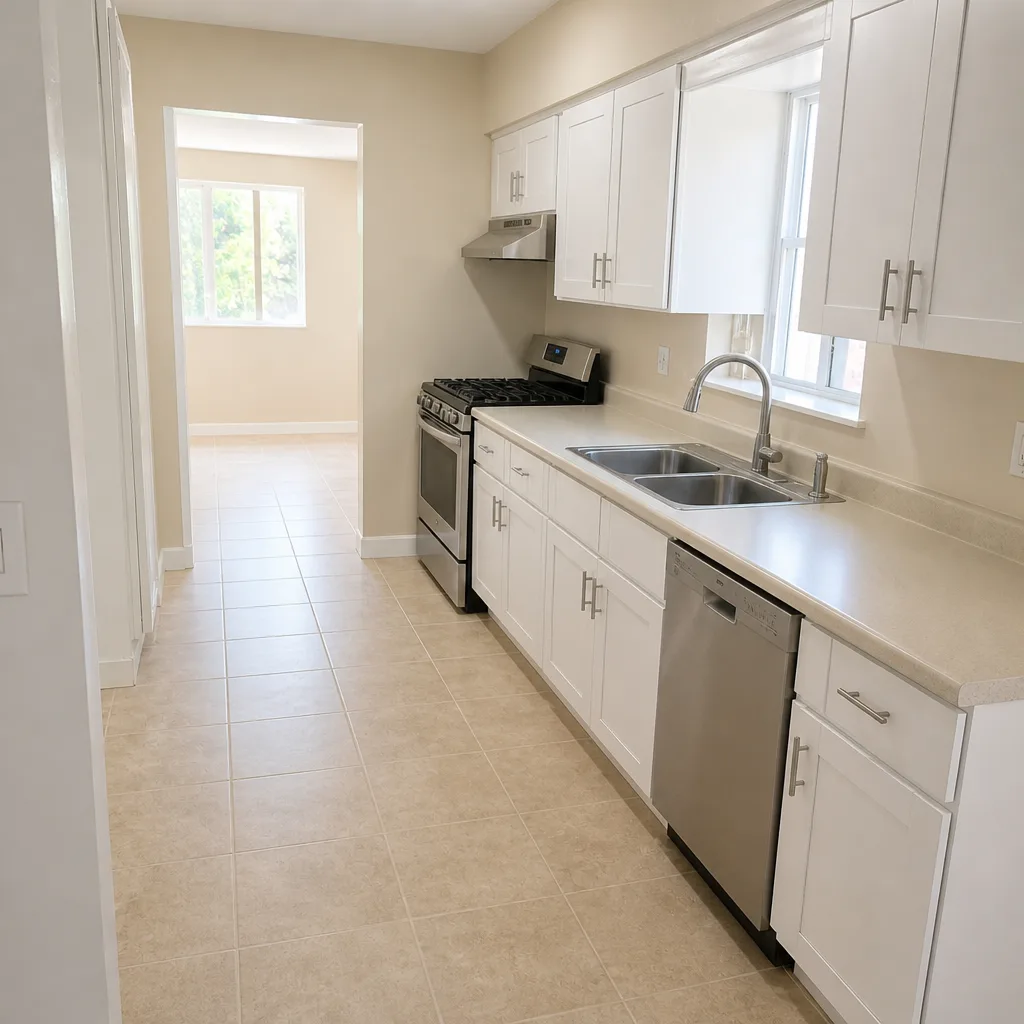
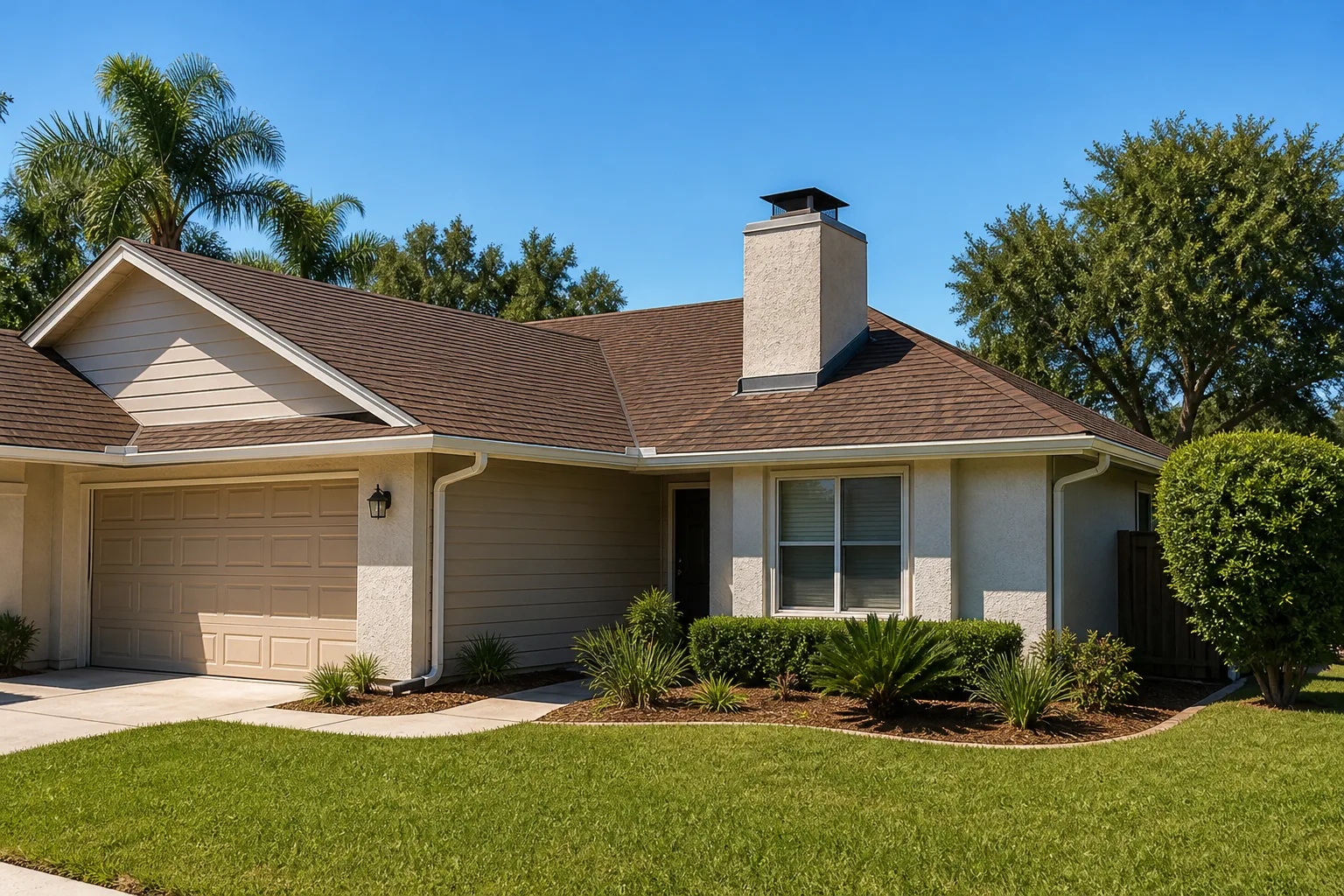
See the difference
 Before
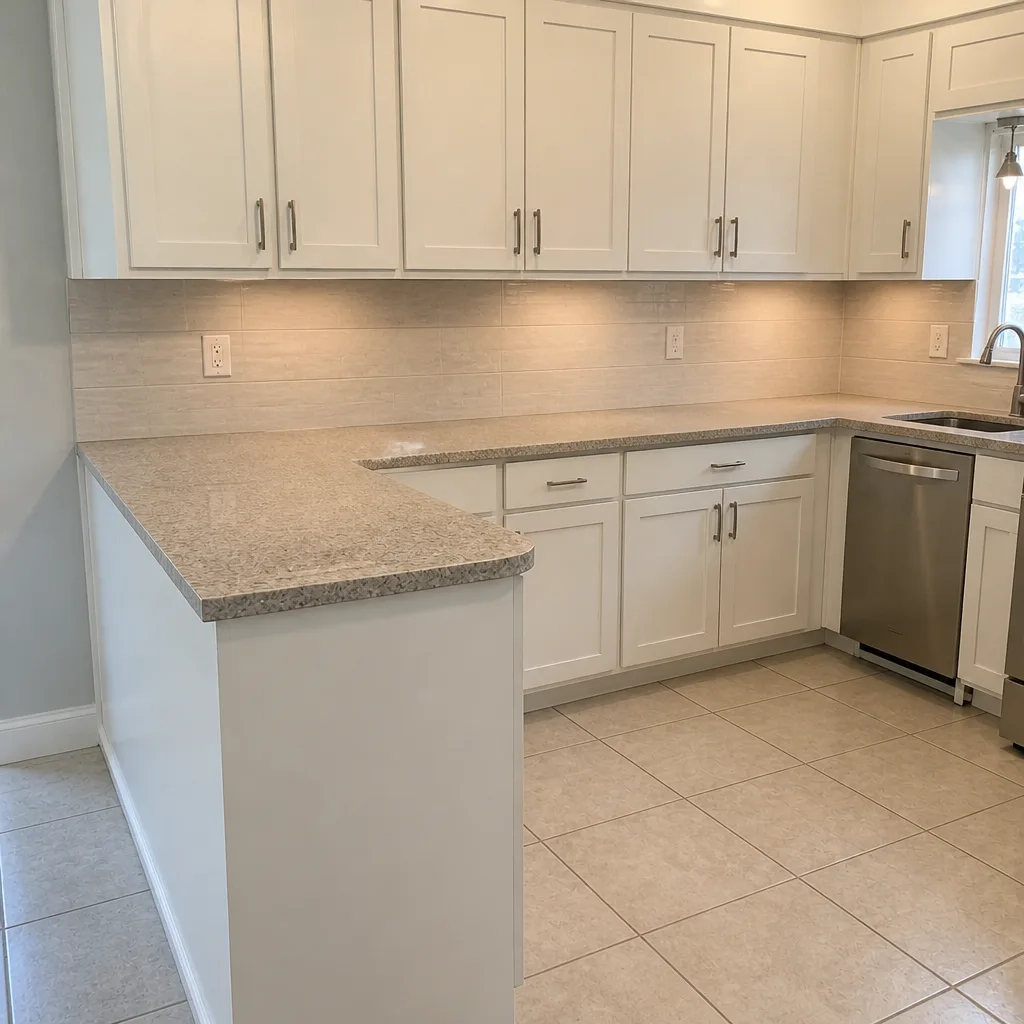 After
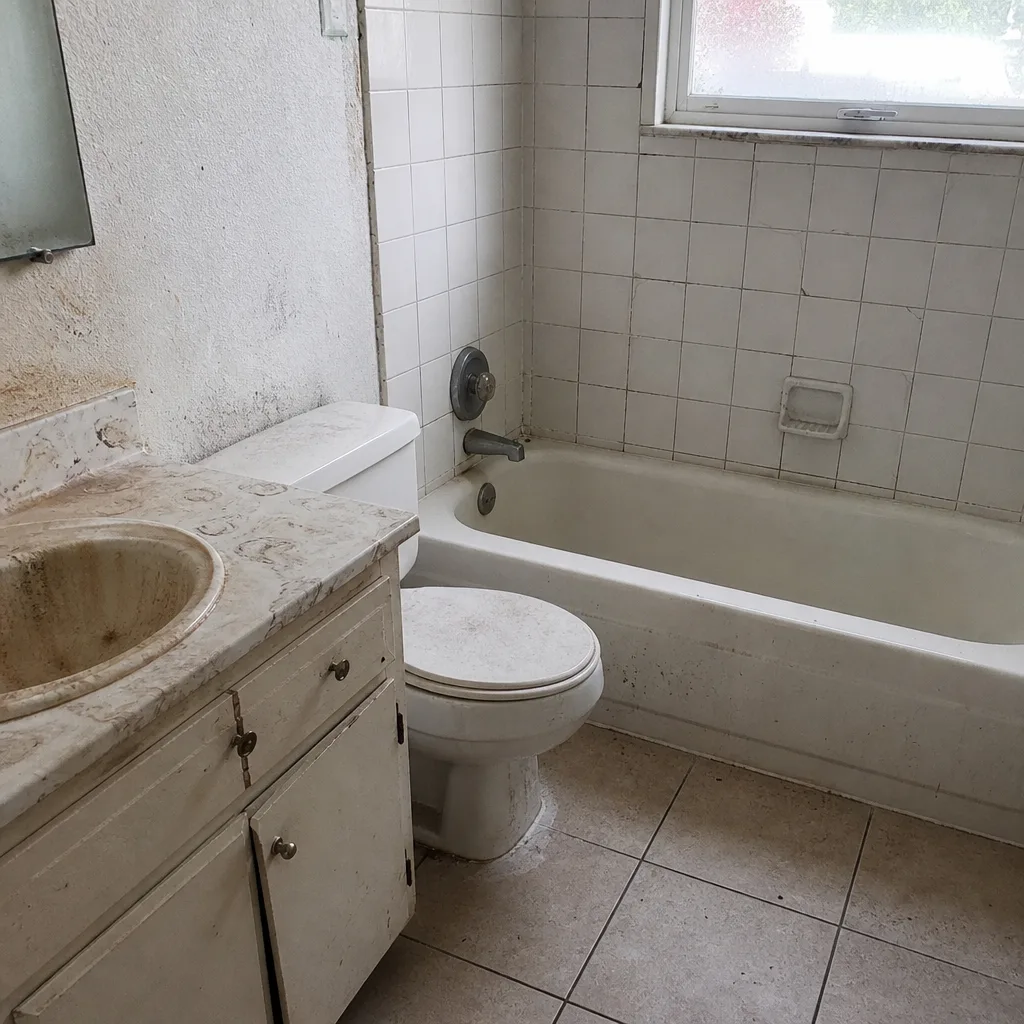 Before
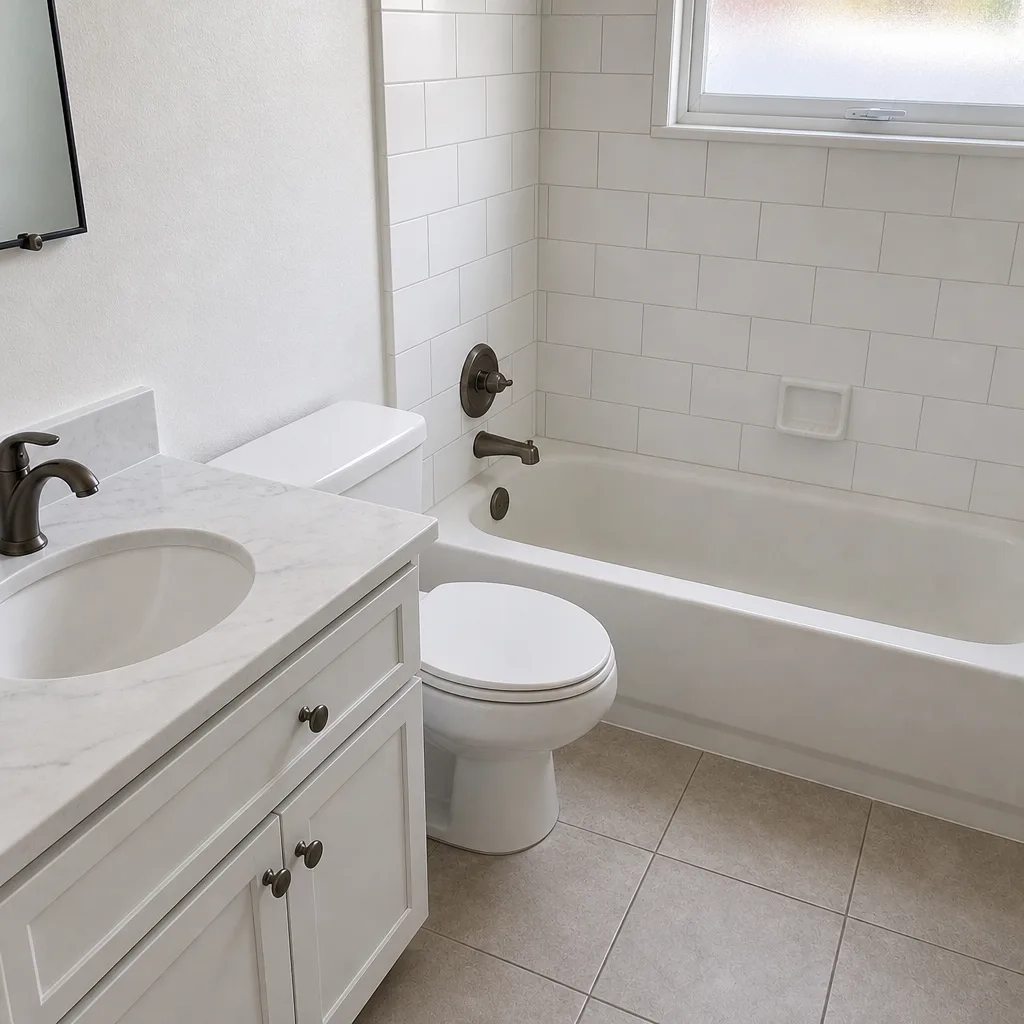 After
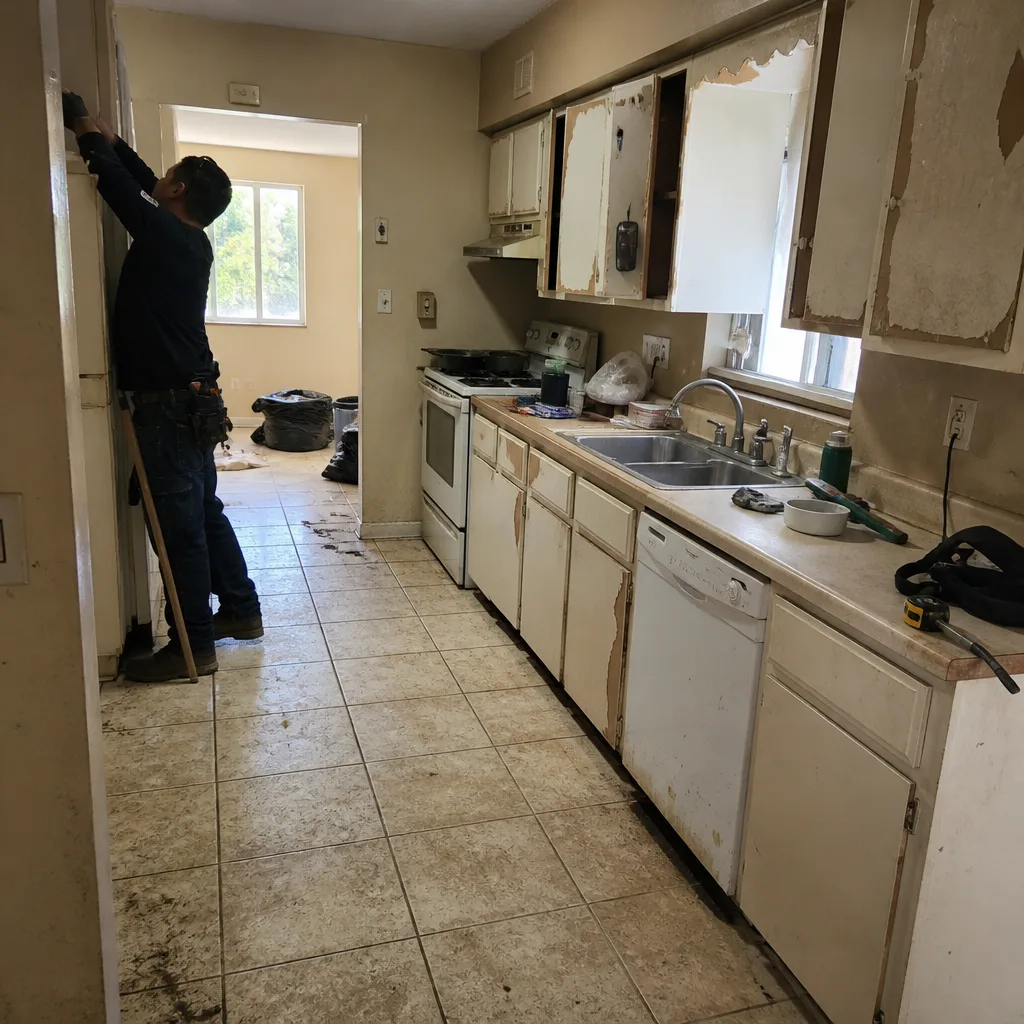 Before
 After
Common Mistakes to Avoid
- Patching cracks without diagnosing them. Filling a crack with caulk before you know whether it’s moving is like painting over a check-engine light. It removes the diagnostic information and delays the real fix by 12-24 months, which is exactly the window when the repair would have been cheapest.
- Bleaching mold without finding the moisture. Bleach kills surface mold; it doesn’t fix the wall cavity, the AC condensate drain, or the stucco breach that keeps feeding it. If you’re cleaning the same spot twice in one year, stop cleaning and start looking.
- Ignoring the soffit because the ceiling isn’t leaking. In this climate, soffit staining is a leading indicator by 12 to 36 months. By the time the ceiling shows, you’re replacing drywall and insulation, not just the flashing.
- Assuming a “recently renovated” Kendale Lakes home is problem-free. Flip renovations in this market sometimes hide exactly the issues we’ve described behind fresh paint and new flooring. Get a professional inspection on any home purchased in the last 5 years before you finalize the purchase.
- Letting a fence become a drainage dam. A solid fence panel across a low swale in the yard turns a minor drainage issue into a pool. Panels should break at drain points, not block them.
- Skipping the driveway slope check during a paver install. The single most common cause of paver failure in Kendale Lakes is a base that wasn’t sloped to drain. If water is standing on a new install after the first storm, the base is wrong.
- Waiting for a hurricane warning to address a known weakness. The week before a named storm is not the time to book a roofer. If a signal has been showing for six months, fix it in the dry season, when the crew has time and the material is in stock.
When to Call a Professional
Call us when a crack is wider than 1/4 inch, when a crack has moved since you marked it, when a door or window has stopped latching within weeks of a wall symptom, when the soffit is staining, when the attic smells musty after rain, or when water is standing against the house slab after every storm. Also call when you’re planning a project – a remodel, a roof replacement, a fence, an addition – and you’ve seen any of these warning signs on the wall that project will touch. We’ve seen too many Kendale Lakes kitchen remodels run into a hidden envelope problem that should have been caught before demo started. Groundwork Construction Co. of Kendale Lakes offers free estimates in Kendale Lakes – call (844) 834-8961. A live person answers 24/7, and every estimate is a written, line-item scope so you know exactly what you’re getting and exactly what it costs.
Frequently Asked Questions
Foundation inspections in the Kendale Lakes area typically run $350-$800 for a residential property, depending on the number of elevation readings and whether the inspector includes envelope and roof assessment in the same visit. Full structural engineering reports with stamped letters run $900-$1,500. Call (844) 834-8961 for a free site walk before you commit to a paid inspection – many of the signals we’ve covered here can be triaged in a short visit.
A 1/4-inch-wide stucco crack is serious and should be evaluated. That width is well past thermal movement, which rarely exceeds 1/32 inch. A crack that wide usually indicates a wall movement issue, an inadequate stucco mix, or a moisture pathway that’s already active. Call (844) 834-8961 for a free evaluation – the earlier we see it, the fewer materials we have to replace.
Pooling within 10 feet of the garage slab almost always means the driveway slope isn’t draining away from the house, the soil under the slab has settled, or a joint has opened enough to divert water toward the structure. In older Kendale Lakes neighborhoods, the original sand base under many driveways has migrated over decades, which changes the slope. Call (844) 834-8961 for a free assessment of the drainage and slope.
A focused stucco envelope repair on a typical Kendale Lakes home runs 3-7 working days, depending on how much area is delaminated, whether the wall cavity has gotten wet, and whether the underlying lath needs replacement. Larger wall sections – or repairs where the block itself has cracked – run longer. We provide a written timeline before we start so there are no surprises mid-job. Call (844) 834-8961 for a free estimate with a real timeline.
Most stucco repairs over a small square footage don’t require a permit in Miami-Dade, but any roof replacement and any structural wall repair does, and the permit pull matters for insurance and resale. We pull permits on every scope that requires one and pass the inspection before we call the job done. Call (844) 834-8961 and we’ll walk you through exactly what’s required for your project.
Sometimes. If the pooling is under 1 inch deep and limited to one area, a spot repair with a re-sloped section or a new trench drain can solve the problem without replacement. If the base has failed across more than 25% of the surface, spot repairs tend to re-fail within two years and full replacement is the better money. Call (844) 834-8961 for a free assessment – we’ll tell you honestly which one your driveway needs.
The Bottom Line
The warning signs that matter most in a Kendale Lakes home are the ones with a trajectory. A crack that hasn’t moved in three years is a curiosity. A crack that moved 1/8 inch last month is a message, and the earlier you read it, the cheaper the fix. Watch the four systems – foundation, roof envelope, stucco walls, and site drainage – because they tell you what the house is doing before the damage shows up inside. If something on your property matches a pattern we’ve described, get it looked at. Groundwork Construction Co. of Kendale Lakes handles the whole scope from a stucco patch to a full roof replacement under the 730-Day Done Right Promise, with live-person service around the clock and written, upfront pricing so you know exactly what’s involved before anyone picks up a tool. Call (844) 834-8961 to schedule your free estimate.
Written by the team at Groundwork Construction Co. of Kendale Lakes.