Last updated November 17, 2026




Free written scope consultation - allowances, timeline, and change-order rules on paper before a single trade is scheduled
Construction Emergency Preparedness Guide for Kendale Lakes Homes
When a hurricane makes landfall near Kendale Lakes, the difference between a manageable repair and a full structural loss often comes down to decisions made in the 72 hours before impact, not the cleanup after. Most homeowners spend their storm prep on water bottles and plywood and none of it on the building itself: the flashing that peels back at 90 mph, the soffit that pulls loose, the garage door that fails and lets the pressure in. Kendale Lakes sits in a pocket of Miami-Dade that has been built out for decades, which means thousands of homes here are carrying original roofs, original windows, and original fasteners that were never engineered for the storms we get now. This guide walks through the specific failures that hit Kendale Lakes homes, what to harden before a named storm, how to assess structural damage safely after one, and how to protect an insurance claim when contractor timelines stretch into months.
Quick Answer
Construction emergency preparedness in Kendale Lakes means hardening the roof, openings, and attachments of your home before hurricane season peaks in August and September, knowing which post-storm damage you can safely evaluate yourself versus what requires a licensed engineer, and documenting everything with dated photos and a written contractor estimate within days, not weeks. The work that prevents the worst damage (roof-to-wall connections, impact-rated openings, proper flashing) is planned work you schedule in the dry months, not emergency work performed during a storm.
Styles & brands we work with
- Kitchen remodeling
- Bathroom remodeling
- Home additions & ADU
- Roofing
- Windows & doors
- Driveway & pavers
- Fence
Table of Contents
- Why Kendale Lakes Homes Face Specific Construction Risks
- Pre-Storm Construction Hardening Checklist
- The Annual Prep Window: What Contractors Should Do Before June
- Post-Storm Structural Assessment: What You Can Check and What You Can’t
- Emergency Tarping and Water Intrusion Containment
- Documenting Damage for Insurance Claims
- Vetting Emergency Contractors in a Post-Disaster Market
- Common Mistakes to Avoid
- When to Call a Professional
- Frequently Asked Questions
Why Kendale Lakes Homes Face Specific Construction Risks
Kendale Lakes was developed largely in the 1970s and 1980s, which puts a lot of the housing stock in the 40 to 50 year old range. That matters more than most homeowners realize. Roof sheathing from that era was often installed with 8d nails spaced wider than modern code allows. The Florida Building Code changed dramatically after Hurricane Andrew in 1992, and the wind-borne debris regions of Miami-Dade got the strictest opening protections in the country. Homes built before those changes are grandfathered, not retrofitted. A 45-year-old roof in Kendale Lakes is not truly built to the same standard as a home finished in 2010, and it will behave differently in a storm.
The geography compounds it. This part of Miami-Dade sits roughly 15 miles inland from Biscayne Bay, which sounds protective until you consider that inland homes here still see Category 1 and 2 wind loads, and the water table is high enough that any roof breach leads to interior flooding fast. The flat terrain also means water pools and stays. A tile roof that loses its underlayment in a storm takes on water through the whole field, not just at the missing tiles. We’ve seen homes in the Kendale Lakes area take on tens of thousands of dollars in interior damage from a single failed ridge vent because the water had nowhere to go and the ceiling held it until the drywall gave out.
Subtropical weather is the third factor. Year-round humidity and heat stress every sealant, gasket, and fastener on the exterior of a home. Caulk lines at windows fail in three to five years here, not the eight to ten you might expect in a drier climate. Hurricane straps corrode. Exterior trim takes on moisture. So by the time a named storm arrives, your building envelope has already been weakened by a dozen small failures that nobody looked at. Pre-storm hardening in Kendale Lakes is really about addressing all of those at once in the spring, before the system gets tested.
Pre-Storm Construction Hardening Checklist
The single most important 72 hours before a named storm is not the time to install hurricane straps or replace windows. That work cannot be done in three days. What you can do in those final three days is secure the envelope, move anything that could become a projectile, and make sure water has a clear path away from the house.
- Close and lock every opening. Impact-rated windows and doors should be closed and latched, not left cracked. Garage doors fail far more often than people expect; a garage door that blows in pressurizes the house and can lift the roof. If your garage door is not rated for wind, brace it from the inside with a manufactured brace kit, not scrap lumber.
- Clear the yard completely. Patio furniture, pool equipment covers, potted plants, barbecue grills, and trash cans become missiles. Anything you can’t bring inside goes in the pool or gets strapped down. In a Kendale Lakes development with tight lot lines, your neighbor’s loose items are also your problem.
- Check gutters and downspouts for flow. Standing water in gutters overhangs the fascia and rots the soffit. Make sure downspouts discharge at least four feet from the foundation wall.
- Trim dead limbs back 10 feet from the roof. This is a job for a tree service, not a homeowner with a pole saw. Dead palms drop fronds that damage roofs and start as projectiles.
- Photograph everything. Walk every room, every wall, every ceiling, every appliance. A five-minute video tour of each room recorded before the storm is the single most valuable claim document you’ll own afterward. Keep it stored on your phone and in the cloud.
- Board or secure windows that are not impact-rated. Use labeled plywood cut to fit and installed with screws into the wall, not into the window frame. Keep the hardware with the panels so you’re not hunting for it under a deadline.
- Move valuables off the floor on the ground level. If the roof fails or a window goes, water spreads fast. Anything below 18 inches on the first floor gets lifted.
If your home has older windows, an aging roof, or an original garage door, none of that final-week work compensates for what’s underneath. The permanent fixes belong in the spring prep window below. When the structural work is done right, you can spend the week before a storm on the checklist instead of scrambling. That is the seasonal rhythm for any home in Kendale Lakes.
The Annual Prep Window: What Contractors Should Do Before June
Hurricane season runs June 1 through November 30, and the busiest period for Kendale Lakes is mid-August through late September. That gives you a clean window from January through May to schedule the work that actually protects the structure. If you wait until the forecast turns, you’re queueing behind every other homeowner in Miami-Dade.
The work that belongs in the annual prep window is the work that prevents catastrophic failure in the first place. Here’s what actually gets addressed by contractors during that window in this market:
- Roof-to-deck attachments. Inspect and reinforce where the sheathing meets the trusses. Modern code calls for a specific nail pattern and often a thinner strap. Older roofs fail at these connections first, and reinforcement as part of a scheduled Groundwork Construction Co. of Kendale Lakes home-based remodel is far cheaper than a full teardown after a storm.
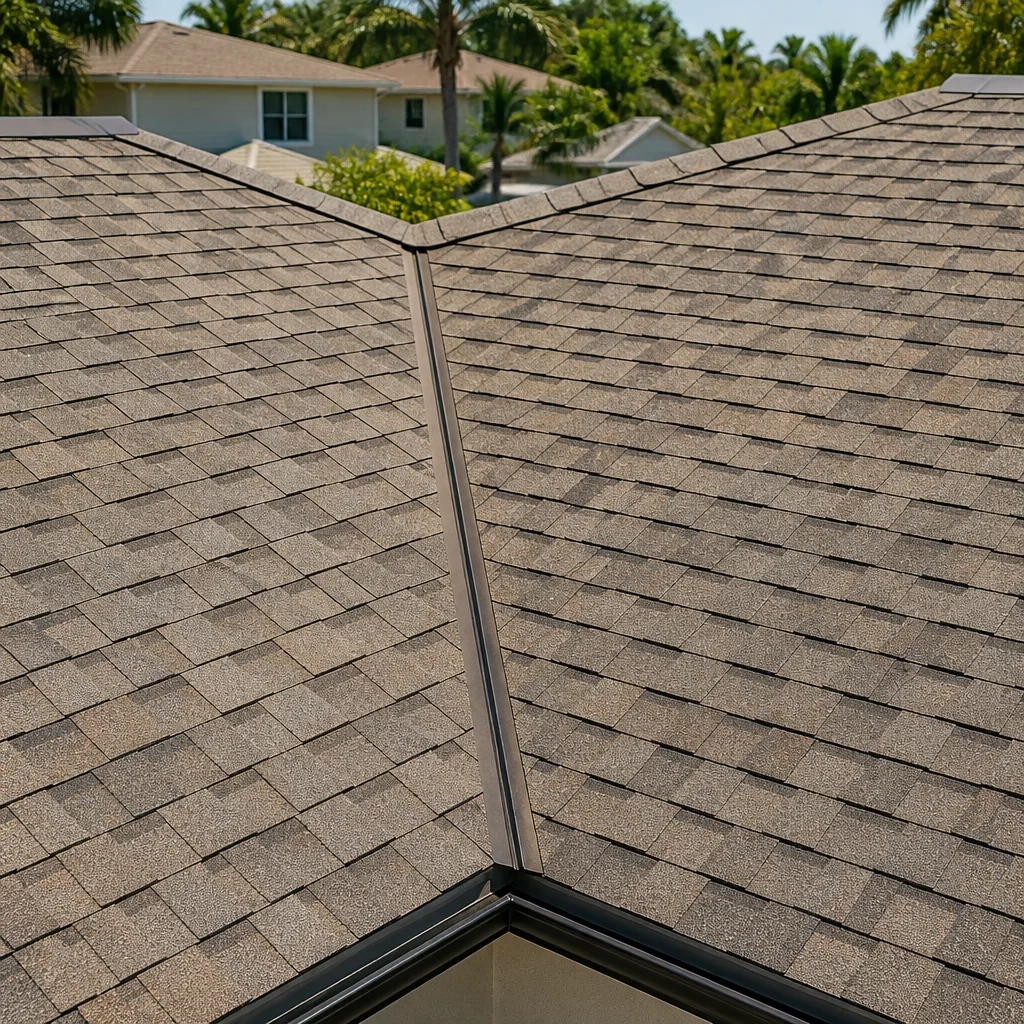
- Secondary water barrier retrofit. A peel-and-stick underlayment under tile and shingle roofs adds a layer of protection between the tiles and the deck. It buys you hours against wind-driven rain when a few tiles peel off.
- Impact-rated window and door upgrades. Full replacement during a calmer season is the right answer for older homes. The brands we work with, including Andersen and Pella, offer specific wind zone ratings for our region, and going through a window replacement while the building is dry and de-bugged is a totally different project than a post-storm emergency install.
- Garage door replacement or bracing. A rated garage door with proper fasteners is one of the highest-return hardening items on any home.
- Sealant and flashing refresh. Every exterior penetration gets resealed with a product rated for humidity and UV. This is small work that prevents million-dollar leaks.
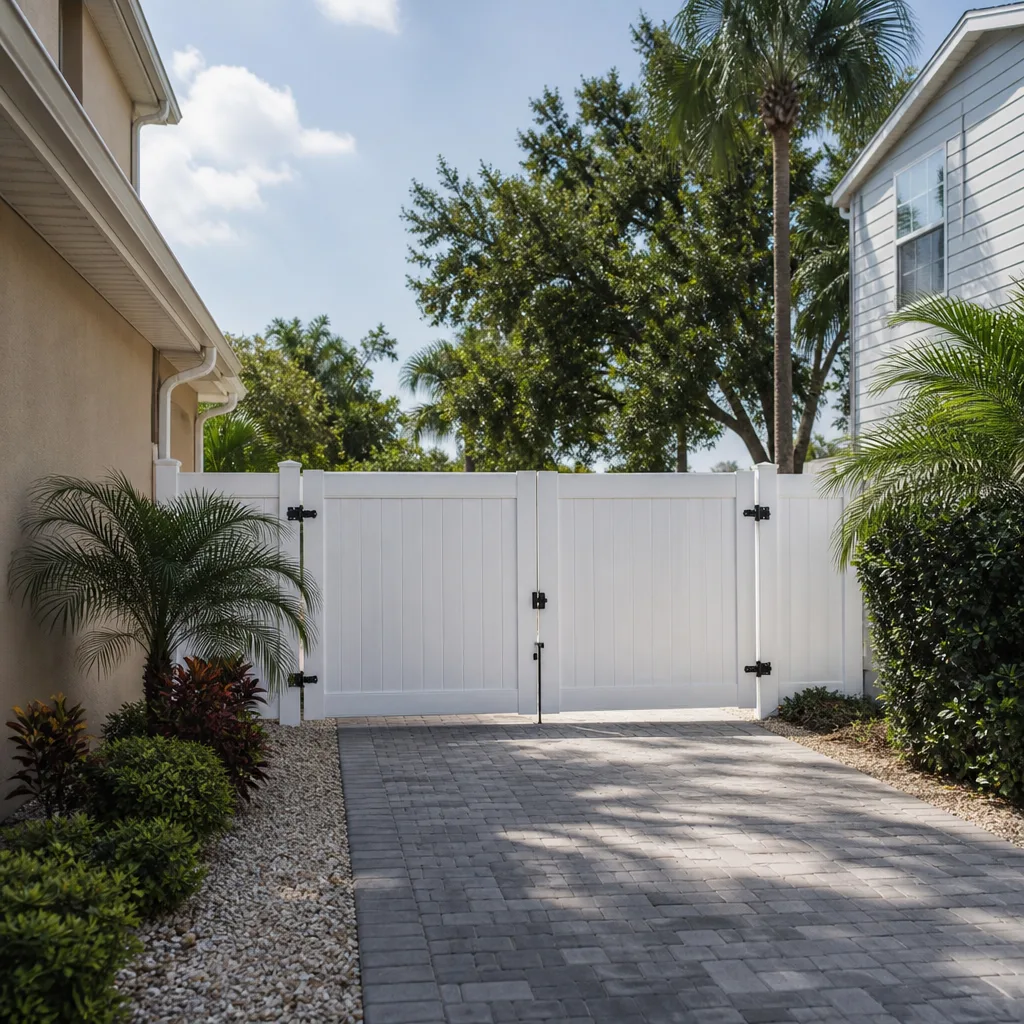
- Fencing and exterior attachment checks. Storm-damaged fences become projectiles. That work goes well in a dry month, with materials from brands like Bufftech and ActiveYards that carry real wind ratings rather than generic stockade panels.
- Driveway and paver surface prep. Settled or heaved pavers admit water against the slab. Re-laying and re-sealing before the rainy season matters, and we’ve handled enough of these in the Kendale Lakes area to know which local soil conditions cause the worst settlement.
Reach out for a free estimate in February or March of any given year, and the work will be scheduled, permitted, and finished before Memorial Day. Reach out in late July and the honest answer is that some of it will not get done before the first storm threatens. Both Driveway & Pavers in Kendale Lakes and Fence Installation in Kendale Lakes are typical prep-window projects, and planning them alongside a larger roof or window project gets the whole house to the same standard at once.
Post-Storm Structural Assessment: What You Can Check and What You Can’t
The hours right after a storm are the riskiest for homeowners who want to walk the property. Injuries after hurricanes overwhelmingly happen during the “checking things over” phase, not the storm itself. The distinction that matters is between what you can safely see and evaluate from the ground, and what requires a licensed professional before anyone reenters.
What Homeowners Can Evaluate Safely
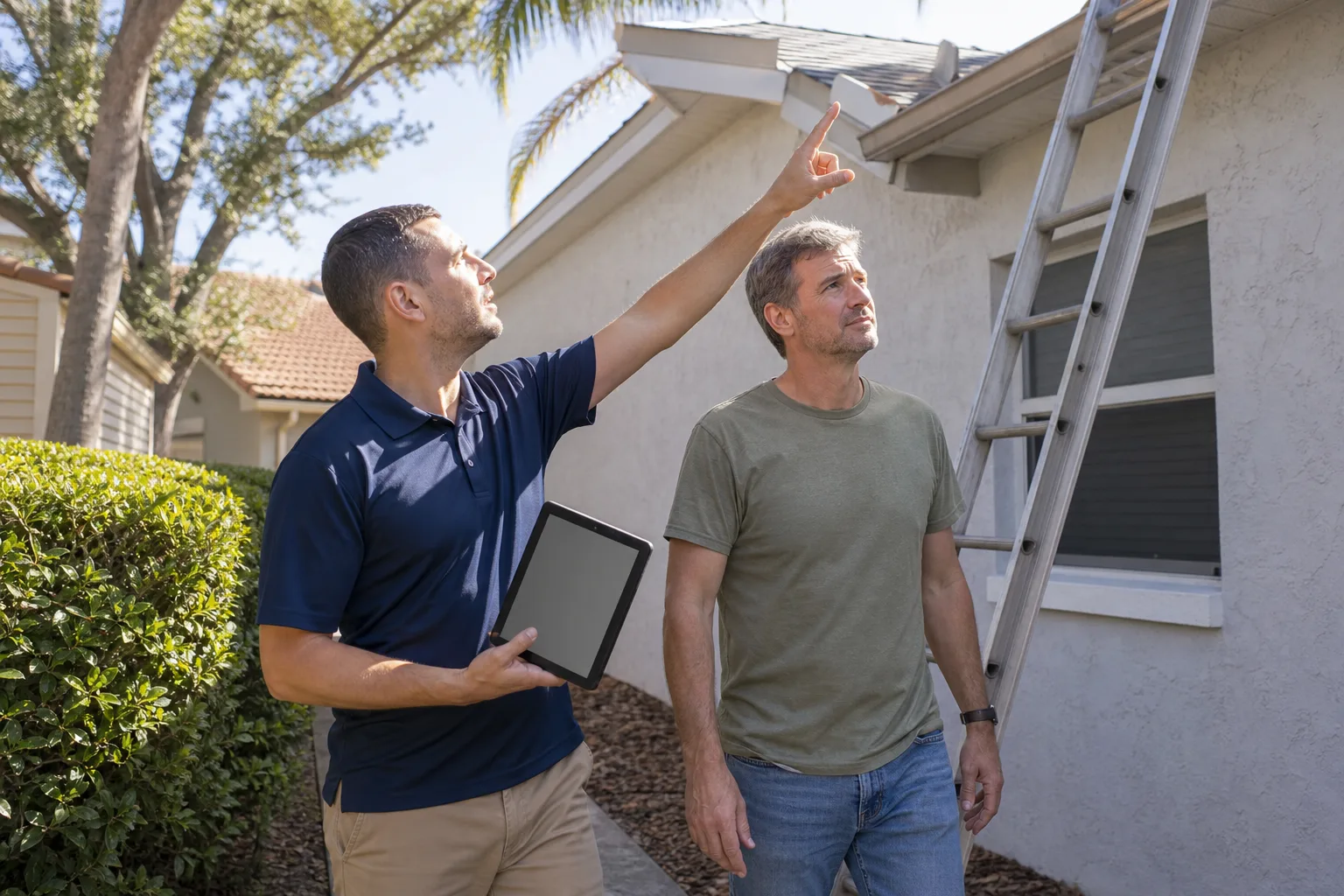
- Roof from the ground only. Use binoculars. Look for missing shingles, exposed underlayment, or a tarp flap. Do not get on a ladder or the roof. Steep, wet roofs with hidden soft spots are where most post-storm accidents happen.
- Exterior walls and attachments. Walk the perimeter. Note cracked stucco, water staining, or loose fascia. A ceiling with a fresh stain inside is a sign of water migrating from above; find the entry point before moisture settles in.
- Windows and doors. Look for cracked glass, pulled seals, and frames out of square. A window that no longer latches may indicate shifting that needs professional review.
- Utility connections. Smell for gas near the water heater and meter. If you smell gas, leave and call the utility, not us. Do not reset breakers or pull the meter.
- Water intrusion mapping. Walk every room and note new water stains on ceilings, walls, and floors. Feel for soft spots in drywall with a pencil eraser. If you find one, mark it with painter’s tape and photograph it in place before anyone disturbs it.
What Requires a Licensed Engineer or Contractor Before Reentry
Get out of the house and call a professional immediately if any of these are present:
- Any sagging ceiling or roof line. A bowed ceiling means the deck is compromised or the truss is overloaded. Drywall can come down without warning.
- Cracks in exterior walls wider than a credit card. Structural cracks, not cosmetic stucco hairlines, are signs the load path is compromised.
- Doors that no longer close straight in their frames. This can signal that the house has shifted on its foundation, especially after a storm with significant flooding. That’s a licensed engineer call, not a handyman call.
- Standing water under the house or visible foundation exposure. On a slab home here, the water table is high enough that foundation issues after prolonged flooding are real. Someone qualified needs to look at the soil-to-slab interface.
- Trusses or rafters you can’t fully see. If any part of the roof structure is hidden by ceiling drywall or insulation that shifted, you can’t assess it from inside. An engineer can.
When we do post-storm work in Kendale Lakes, we photograph every interior room and every exterior face before a single nail is pulled. That protects the family and it protects the claim. The section below walks through the documentation process in detail. If a licensed engineer needs to come out first, that cost is typically small compared to the structural report it produces for the insurance file.
Emergency Tarping and Water Intrusion Containment
The short version: tarping the roof within the first 48 to 72 hours after a storm, before significant rain returns, is the highest-value action on the property. In our climate, the second rain event usually hits within a week, and a small roof breach becomes a wet-insulation, ruined-drywall, mold-in-the-walls problem. That escalation is where claims turn from manageable to massive.
How Emergency Tarping Works
- Photograph before tarping. Every damaged area, from every angle, with the date visible. Get the tarps in place after that documentation, not before. Your insurance needs the “before” image to establish the loss.
- Use poly tarps rated for the job. A standard blue 6-mil tarp is appropriate for a first 30 to 60 days. It should overhang the damaged area by at least 3 feet on all sides. Long-run layers go on so water runs downhill and doesn’t back up under the lap.
- Secure without damaging the roof further. Use weighted ballast (sand bags, not bricks) at the edges and furring-strip fastening only where the tile and deck allow. Nailing through a compromised roof can drive water inside.
- Layer up at ridges and valleys. These are the places where failure cascades. A tarp edge at a valley can trap water and funnel it down into the ceiling below. A roofer who knows what they’re doing will orient the tarp so water short-circuits to the ground, not into it.
- Distribute interior containment. Place a bucket or drip pan under every active leak point, and use a 6-mil plastic sheet under the leak path to direct water into the pan. Move anything of value off the floor. Cut the ceiling (or open it) where water is pooling above. This is a real step that prevents a much bigger repair later.
- Run dehumidifiers to prevent mold. Miami-Dade mold growth in wet drywall starts in 24 to 48 hours in our climate. That’s an extreme time pressure; running a dehumidifier and floor fans in every wet room if power is available buys time even without a contractor on site.
Containing Water Where the Roof Failed
If water is actively running down a wall cavity, the goal is to keep it from spreading into adjacent bedrooms and closets. A sheet of 6-mil poly, cut to size and taped just below the ceiling inside the affected room, directs water down a single wall face and into a bucket. It’s a temporary fix, but it’s the difference between one ruined wall and four. When we send technicians into Kendale Lakes after a storm, they arrive with containment materials and can do the same thing professionally in about half an hour.
Do not attempt to tarp a roof yourself on a second story, on a steep pitch, or on any roof where the tiles are visibly loose. Fall injuries are the leading cause of post-storm homeowner hospital visits, and no tarp is worth that. Call a professional. Our technicians arrive background-checked and uniformed, with the right equipment to reach a roof safely.
Documenting Damage for Insurance Claims
Underpayment on hurricane claims usually has one root cause: insufficient documentation. The insurer’s adjuster sees what you show them, and if you show them a few phone photos of a leak and a verbal description, the claim will reflect that. The homeowner who shows up with a room-by-room photographic record, a written contractor estimate, and a clear timeline of when each item appeared tends to get paid for the whole loss, including the parts the insurer can’t see.
The Photo Protocol That Maximizes Coverage
- Shoot wide, then close. For every damaged area, take one wide shot that shows context (which room, which wall, which exterior face) and one close shot that shows the specific damage. Adjusters need both.
- Include something for scale and time. A disposable tape measure or a coin next to the damage; a visible date in every frame. Modern phone cameras embed GPS and timestamp data; leave that enabled.
- Photograph the pre-storm state as your baseline. This is why the pre-storm video tour matters. Without the “before,” every stain looks like it might be preexisting, and the insurer will treat it that way.
- Document the parts you can’t see. Photograph the interior of any wall cavity that’s been opened, the underside of any sheathing exposed by roof repair, and any moisture meter readings. A moisture meter reading in a wet wall is more persuasive than any description.
- Photograph everything you throw away. Damaged drywall, ruined furniture, soiled carpet. Nothing leaves the property before its photo has been taken. Underpayment fraud on the insurer’s side is real, but so is legitimate underpayment due to “no evidence of damage.”
- Keep timestamped receipts for hotel, meals, and any mitigation materials. These belong in the same claim file.
The Contractor Estimate Timing Strategy
Get a written contractor estimate within the first two weeks if possible, before the insurance company’s own adjuster arrives. The two estimates tell a story: the contractor’s view of the full scope versus the insurance company’s initial read. When those two are close, the claim moves fast. When they diverge, the contractor’s written scope report becomes the document that pushes back. A contractor who has documented thousands of Kendale Lakes storm claims knows to photograph and specify the same way the adjuster thinks, which is why the report tends to align.
Schedule the estimate as soon as the storm passes, even if the damage seems modest. Our free project estimate and design consult gets you a written, itemized scope with photographs attached, which is what you hand to the insurance company to start the discussion. That report is a big part of why our customers tend to get paid for the full loss rather than a fraction of it. Upfront pricing, no surprises, on the estimate as well as the build.
Vetting Emergency Contractors in a Post-Disaster Market
Within about 72 hours of any major Miami-Dade storm, out-of-state contractors with out-of-state trucks and out-of-state licenses start showing up at front doors and text messages across Kendale Lakes. Some are legitimate and experienced. Many are not. The single most important filter is state credentials, and it’s a five-minute check that most homeowners skip in the stress of the moment.
What a Legitimate Emergency Contractor Looks Like
- Florida license, verifiable. Every legitimate contractor in the state carries a Florida DBPR license number you can look up online in minutes. Ask for it in writing. A license from another state is not a license in Florida.
- Local address and local references. Not a hotel number, not a PO box. Ask for the name and address of two recent local projects they’ve completed, ideally in Kendale Lakes or a neighboring community in Miami-Dade. Then go look at those projects.
- Insurance certificate in their own name. General liability and workers’ comp, both naming the correct business entity. Not “we’re licensed and insured” as a verbal claim. A certificate with the entity name and policy number matches the made-in-Florida business on the contract.
- Written scope of work with itemized costs before work begins. No legitimate contractor asks for a large deposit before providing a written scope. Never pay more than a modest initial deposit and never in cash.
- Uniformed, background-checked crews. This is one of the easiest visual cues in a post-storm market: uniformed technicians arriving in a business vehicle with the company name, not an unmarked pickup that showed up off the street.
- A written workmanship warranty with defined terms. Ours is the 730-Day Done Right Promise. If it’s not done right, we make it right, for two full years. Out-of-state crews typically offer no workmanship warranty at all, because they won’t be here to honor it.
Red Flags to Walk Away From
- Cash-only deals and pressure to “sign today because we’re booked solid tomorrow.”
- Licenses or insurance certificates that never arrive, or arrive with a different name than the contract.
- Pricing dramatically under the local market. In a post-storm market, low bids usually mean the contractor plans to disappear after the deposit.
- No address on the truck, no website, no business phone, no BBB or state license listing.
- Any contractor who claims they can do the work without a permit. Every structural repair in Miami-Dade after a storm requires a permit, and skipping it will cost you at resale and at the next insurance renewal.
One more local note: pay attention to storm-chasers who specifically target neighborhoods with a lot of older homes. Kendale Lakes has plenty of them, and they know it. A homeowner whose home is in that age range is exactly the customer the bad actors want. When we do the work in Kendale Lakes, the crew is background-checked and uniformed, and the office answers the phone with a live person 24 hours a day, seven days a week. That’s a real number, not an answering service, and it’s one of the ways you tell a local operator from a fly-by-night.
Common Mistakes to Avoid
- Waiting until a storm is named to schedule the prep work. Every roof, window, and garage door contractor in Miami-Dade is booked within 48 hours of a named storm. The work that actually protects your Kendale Lakes home has to be scheduled in the spring prep window, not the final week before landfall.
- Only documenting damage, not the pre-storm state. Insurance pays far less when there’s no recorded “before.” The monthly house walk-through video takes five minutes and saves thousands.
- Walking on the roof to inspect after a storm. This is the leading cause of post-storm homeowner injury in South Florida. Binoculars from the yard only. Professionals handle the roof.
- Signing an out-of-state post-storm contractor without checking the license. A DBPR license lookup takes five minutes. A bad contract in a disaster market turns into months of disputes with the state and no recourse against a business that’s left the state.
- Letting a small leak go until the next rain. In Kendale Lakes, the next rain is a week away at most. A wet ceiling becomes moldy drywall within 48 hours, and that mold remediation is a separate bill.
- Paying the full contract price upfront. Legitimate contractors stage payments against completed milestones. Any contractor who demands the whole job cost as a deposit and cites “material costs” is a red flag.
- Letting the insurer’s first estimate stand. The initial adjuster estimate is a starting point, not a settlement. Your contractor’s written scope is what aligns the two, and it has to be produced within weeks, not months.
When to Call a Professional
Call a professional immediately if there’s any sign of ceiling sag, wall cracks wide enough to admit a coin, water actively running inside the wall cavities, or a roof system you can’t fully see from inside. Post-storm, call before you tarp if you’re not confident in the roof access, and definitely before you reenter if the structure has shifted enough to bend door frames. Pre-storm, call if your home is older than about 30 years and you have never had a roofer or structural contractor look at roof-to-deck attachments, window ratings, or garage door bracing. That assessment is not expensive relative to the cost of failure, and it’s the sort of thing that photographs well for insurance.
Groundwork Construction Co. of Kendale Lakes offers free estimates in Kendale Lakes. Call (844) 834-8961. Our technicians have up to 12 years of experience, the work is backed by the 730-Day Done Right Promise, and our phone is answered by a live person 24 hours a day, seven days a week. For larger projects, we offer 0% financing for 18 months and $1,000 off projects over $10,000, with upfront pricing where the number you see is the number you pay.
Frequently Asked Questions
A typical pre-season hardening package for a Kendale Lakes home runs from a few thousand dollars on the low end (sealant refreshing, roof inspection, garage door bracing, gutter maintenance) up to $25,000 to $45,000 for full window and door replacement with impact-rated products plus a roof reinforcement retrofit. The big drivers are window count and roof complexity; a two-story with a hip roof and many openings costs materially more than a single-story ranch. Call (844) 834-8961 for a free estimate, and we’ll produce an itemized, written scope you can take to your insurer, since many of these improvements qualify for wind mitigation credits that pay back part of the cost.
Only if the roof is single-story, low-pitch, and fully dry at the surface, and only with a spotter. If any of those conditions fail, don’t. The far safer approach is to contain water inside with buckets, plastic sheeting, and fans, then schedule a professional tarp install within the first 48 to 72 hours. In Kendale Lakes, the second rain event is typically within a week, so this is genuinely time-sensitive work. Call (844) 834-8961 and we can advise on next steps; our technicians are background-checked and arrive uniformed, with the right equipment to tarp safely.
You can assess visible damage: missing shingles, fresh water stains, cracked stucco, cracked glass, window seals. You can’t safely assess any of the load-bearing components. Ceiling sag, wall cracks wide enough for a coin, door frames out of square, or any roof structure hidden behind drywall requires a licensed professional. After a major storm in Kendale Lakes, if you’re unsure, treat it as “when in doubt, get out” and call a professional. There’s no upside to a homeowner walking on a compromised roof.
Yes, for anything structural. Roof repairs, wall repairs, window replacements, and structural reinforcements in Miami-Dade after a named storm require a permit through the county building department, under the Florida Building Code. Cosmetic repairs (painting, drywall patching, replacing a screen door) generally don’t. Any contractor who tells you permits aren’t needed for a roof or window replacement is telling you not to hire them. We pull the permits and pass the inspections for our customers as a matter of course.
Check the Florida DBPR license lookup online, ask for a certificate of insurance with the business entity named, and get two recent local project addresses you can go see. A real contractor will hand you all three without hesitation. Out-of-state storm chasers can’t pass any of those checks. And if they arrive in an unmarked truck, refuse to put anything in writing, or demand a large cash deposit, walk away. Our office answers with a live person 24 hours a day, seven days a week, and the 730-Day Done Right Promise is in writing on every project for a full two years after the build.
Within the first two weeks if possible. The insurance claim process moves faster when your contractor’s written estimate is on file before or alongside the insurer’s own adjuster visit. The two documents together establish the full scope of the loss, and the contractor’s photographic report is what protects against underpayment. Waiting months makes it much harder to separate storm damage from wear and tear. Call (844) 834-8961 to schedule a free estimate and we’ll have a written report with photos for you to hand to your insurer.
The Bottom Line
Construction emergencies in Kendale Lakes are predictable. The failures that turn a manageable repair into a catastrophic loss happen in a known sequence: small envelope weaknesses, an unhardened opening, a missed roof attachment, a delay in the prep window. Address the hardening work in the spring, keep a five-minute video tour of every room on your phone as your pre-storm baseline, know the difference between what you can safely assess and what requires a professional after the storm, and document the damage with the speed and thoroughness an adjuster needs. Hire local, licensed contractors who answer the phone and offer a written warranty. That combination is what separates a homeowner with a repair bill from a homeowner with a disaster.
Ready to Schedule Your Pre-Season Inspection?
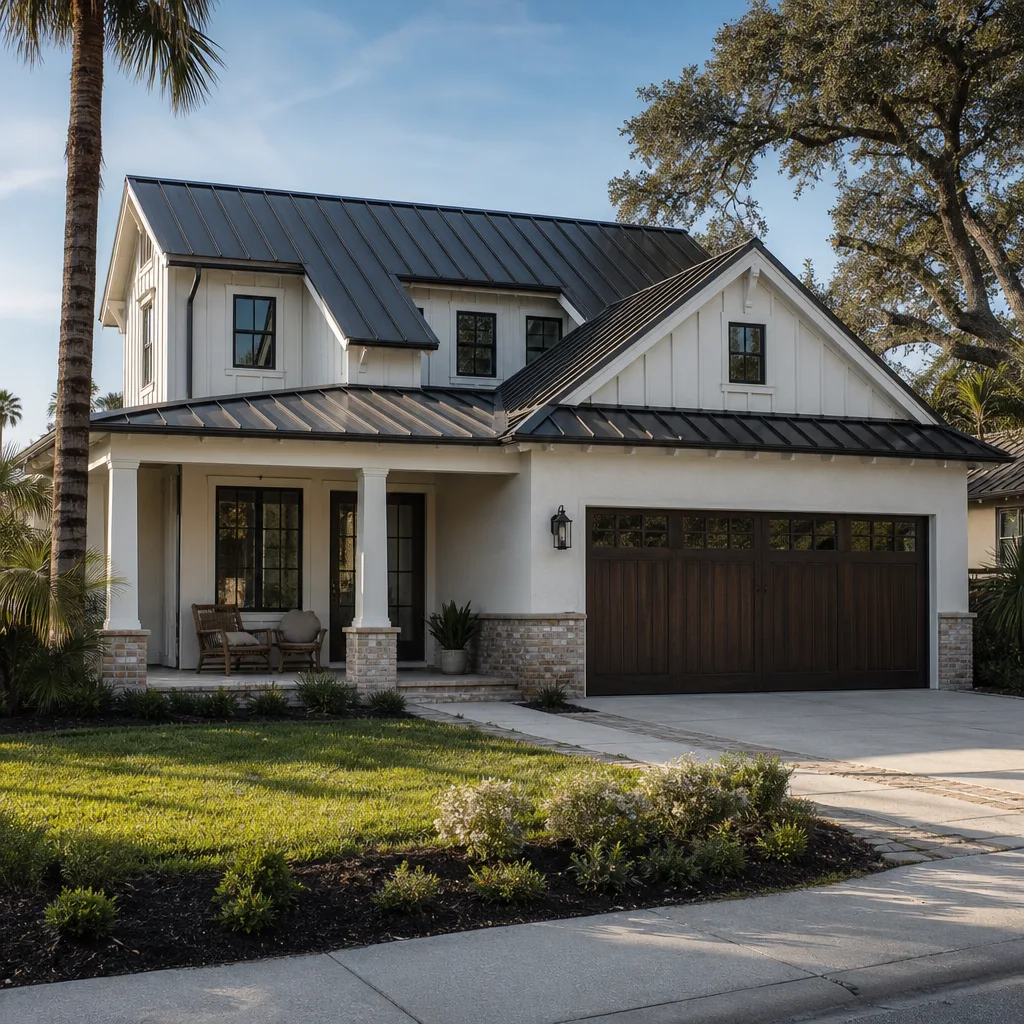
Whether you’re planning a roof, window, or Home Additions & ADU in Kendale Lakes project, or you need a structural assessment after a storm, Groundwork Construction Co. of Kendale Lakes offers free estimates across Kendale Lakes and the surrounding Miami-Dade communities. Call (844) 834-8961 to schedule your free estimate. A live person answers 24 hours a day, seven days a week. Our technicians have up to 12 years of experience, all projects are backed by the 730-Day Done Right Promise, and you’ll get a written, itemized scope with no surprises. If it’s not done right, we make it right. From foundation to finish line, built to last, backed in writing.
Written by the team at Groundwork Construction Co. of Kendale Lakes.
See the difference
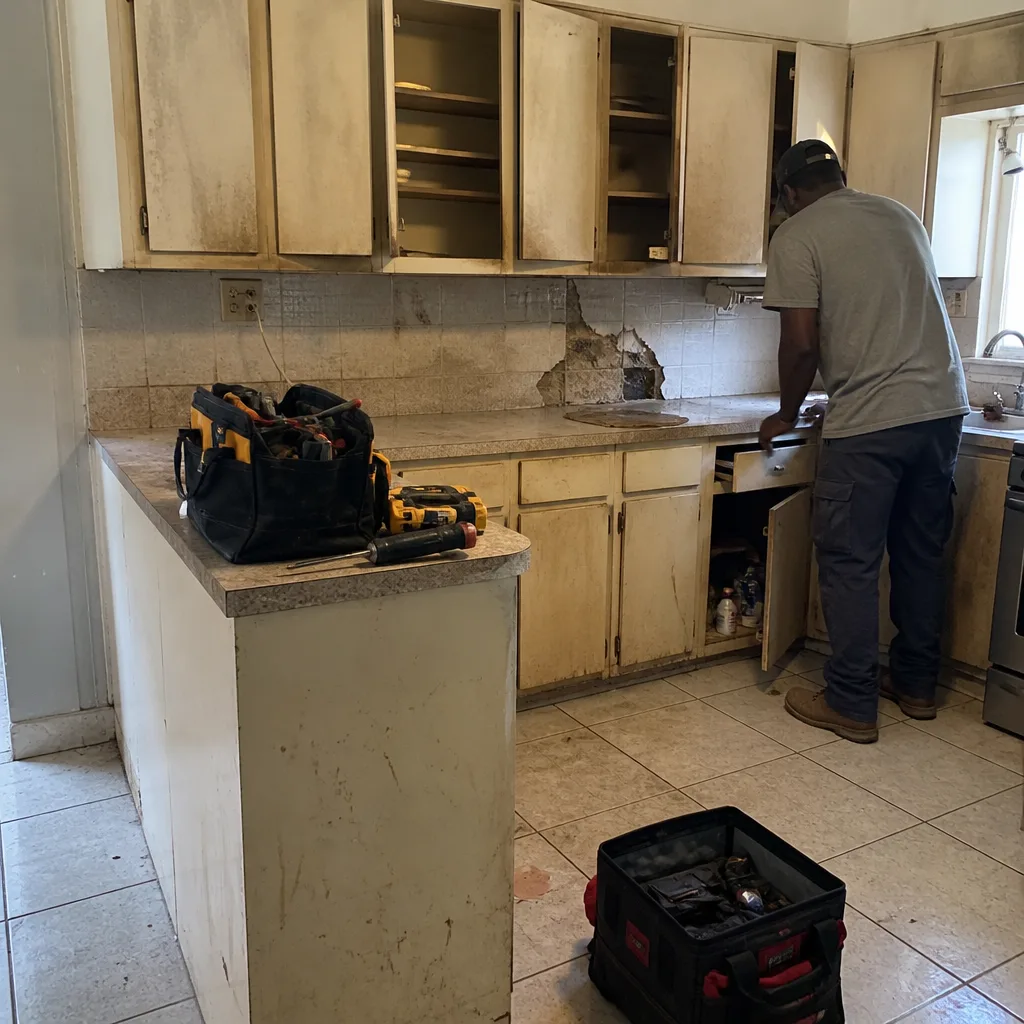 Before
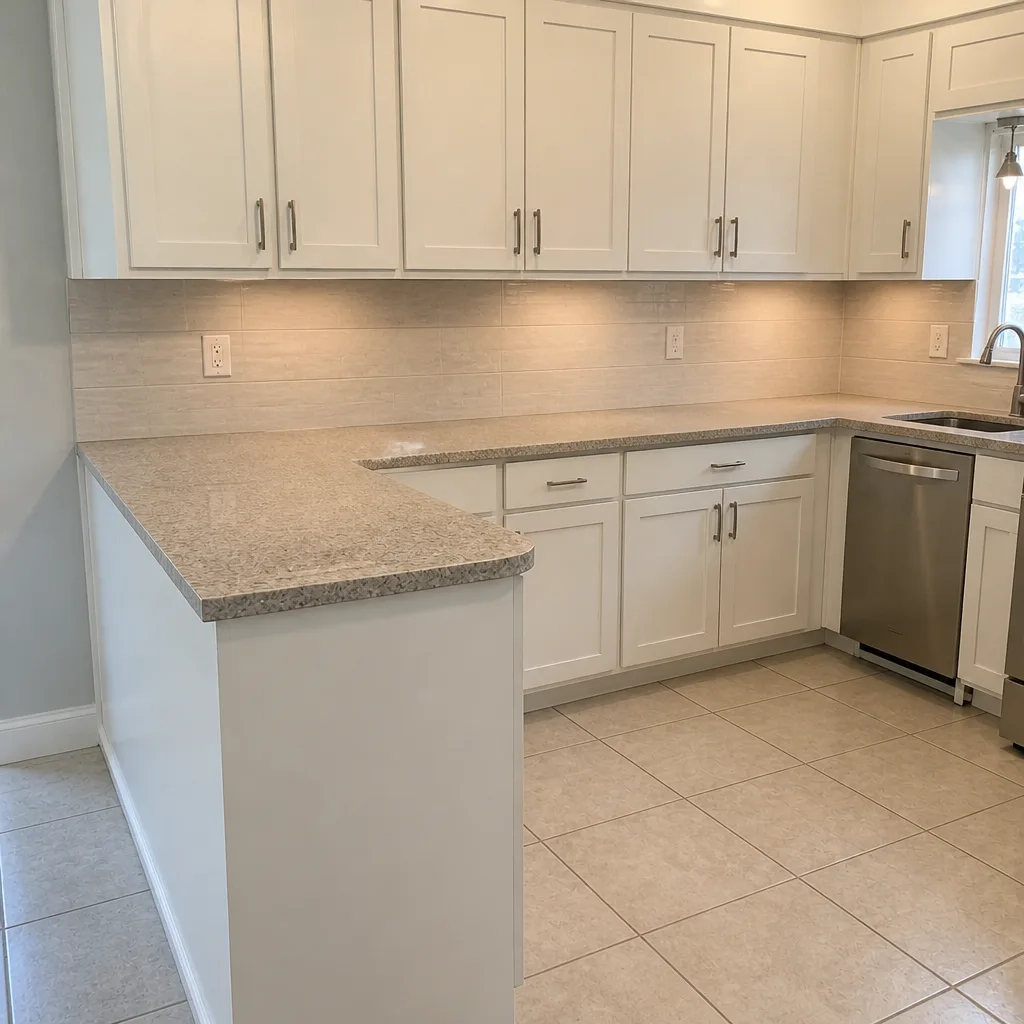 After
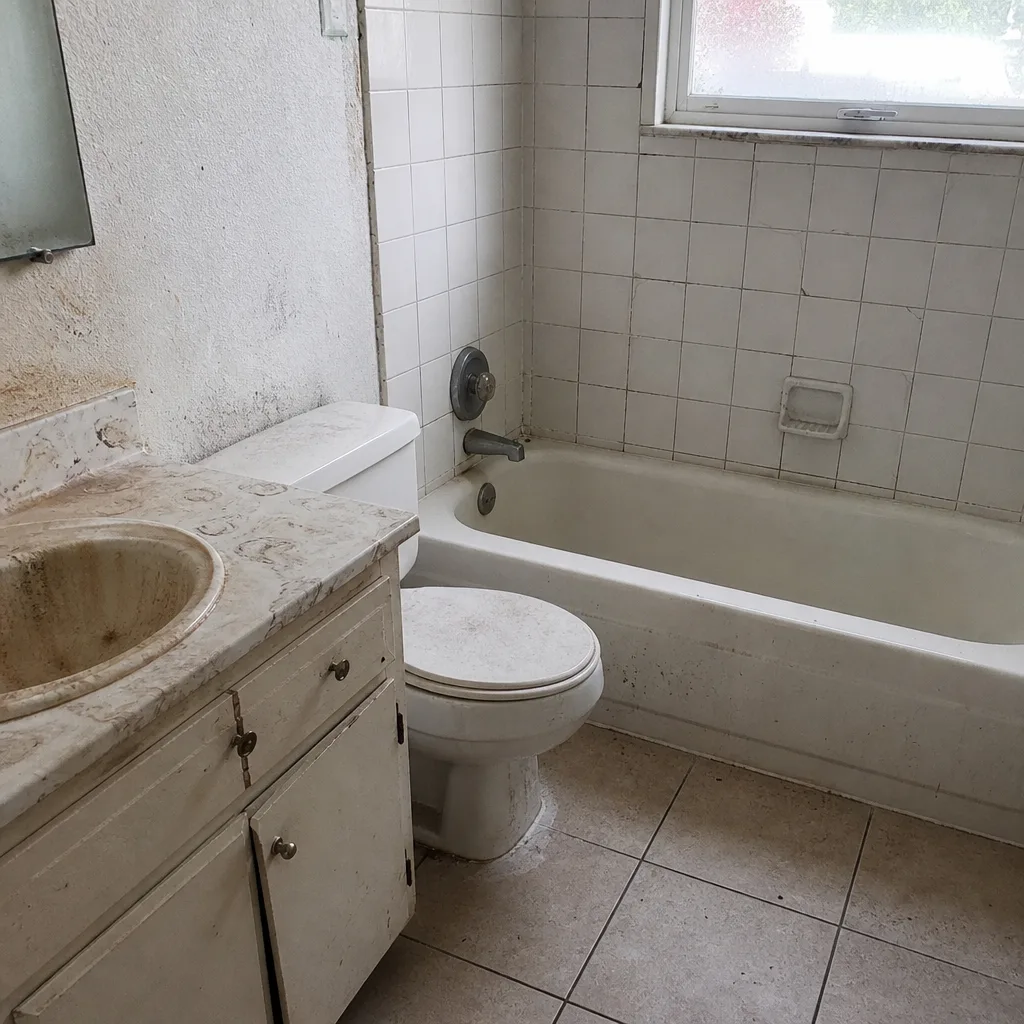 Before
 After
 Before
 After