Last updated November 17, 2026




Free written scope consultation - allowances, timeline, and change-order rules on paper before a single trade is scheduled
Home Additions & ADU Warning Signs Every Homeowner Should Know
A home addition that gets framed without a posted permit isn’t a paperwork technicality. It’s a structure Miami-Dade inspectors can order demolished down to the foundation, and it happens more often than any contractor will tell you upfront. Here’s the part almost nobody explains: the warning signs of a failing addition rarely show up in the framing or the drywall. They show up in the paperwork, the permit trail, and the crew’s behavior on site weeks before anything looks visibly wrong. This guide teaches you to read those signals early, while you still have leverage and money left to protect. We wrote it for homeowners across Kendale Lakes who are about to sign a five- or six-figure addition contract and want to spot trouble before the first inspection.
Quick Answer
The biggest warning signs of a failing home addition or ADU project are a permit that isn’t actually posted and active, a contractor who works ahead of approved inspection phases, a payment schedule that front-loads most of the money before work exists, and any sign of unpaid subcontractors or lien activity on your property. In our experience, these paperwork and behavioral signals appear weeks before structural problems do. Catching them early, before the drywall goes up, is the difference between a fixable issue and a demolition order.
Styles & brands we work with
- Kitchen remodeling
- Bathroom remodeling
- Home additions & ADU
- Roofing
- Windows & doors
- Driveway & pavers
- Fence
Table of Contents
- How to Verify Your Addition Permit Is Real, Posted, and Active
- On-Site Behavioral Red Flags You Can Spot This Week
- Structural Warning Signs to Catch Before the Drywall
- Financial Red Flags That Predict Project Abandonment
- ADU-Specific Problems in Kendale Lakes
- Your Florida Homeowner Rights Mid-Project
- Common Mistakes to Avoid
- Frequently Asked Questions
How to Verify Your Addition Permit Is Real, Posted, and Active
A permit in a contractor’s folder is not a permit. What matters is a permit that’s been issued by Miami-Dade County, is currently active in the public record, and matches the scope of work actually happening on your lot. In Kendale Lakes, additions and ADUs fall under Miami-Dade County building rules, and the permit history for your address is public. You can pull it yourself in minutes. Do that before you sign, and again the week framing starts.
Here’s the verification sequence we recommend every homeowner run through:
- Look for the posted permit card. Florida requires the permit to be visible on site during active work. If the crew is framing and there’s no card in the window or on a post, stop and ask. A missing card is the single most common early warning sign.
- Confirm the record is active, not expired. Expired permits get closed out and the work becomes unpermitted by default. An active status means inspections are still being tracked.
- Match the scope to the work. A permit for a screen enclosure doesn’t cover a 600-square-foot addition with a bathroom. If the approved drawings don’t match what’s being built, that’s a mismatch that can cost you the whole project.
- Check the named contractor. The permit should list the actual licensed contractor doing the work. If a different company shows up, the permit may not cover them.
- Track the inspection schedule. Every phase has required inspections (foundation, framing, rough-in, final). Confirm each one is being called and passed, not skipped.
In our experience across Kendale Lakes, permit problems almost never announce themselves. They surface at resale, at refinance, or when a neighbor files a complaint and an inspector shows up with a demolition order you didn’t see coming. The county doesn’t care that you paid a contractor in good faith. The structure either has a valid paper trail or it doesn’t.
On-Site Behavioral Red Flags You Can Spot This Week
You don’t need to read blueprints to know something’s wrong. Site behavior tells you more, faster. A contractor who respects the inspection process behaves differently from one who’s cutting corners, and the difference shows up in small, observable things. Below are the patterns we’ve learned to flag. If you see two or more at once, that’s a signal worth acting on.
- Working ahead of approved phases. If framing starts before the foundation inspection passes, or drywall goes up before the framing inspection is signed off, the crew is racing the inspector. That hides problems instead of fixing them.
- Skipping inspections entirely. Some crews “forget” to call inspections because they know the work won’t pass. Ask for the inspection result, not just the promise that it happened.
- Material substitutions without documentation. If the spec called for a specific window line or structural fastener and a different product shows up, that’s a substitution. Some are fine and some aren’t. The problem is when nobody tells you and nothing gets written down.
- No posted permit and a vague answer when you ask. “It’s being processed” repeated for weeks means it isn’t. Ask for the permit number and look it up.
- Different crews every few days with no continuity. Constant rotation can mean subcontractors aren’t getting paid, which is a financial red flag you’ll read about further down.
- Nobody on site can answer basic questions. A lead who can’t tell you what phase you’re in or what inspection comes next is not running a controlled job.
Kendale Lakes sits in a high-water-table, high-humidity climate, so the wrong material choices (the wrong concrete mix, undersized fasteners, improper flashing) fail earlier here than they would in a drier market. Substitutions that would be questionable elsewhere are actively risky in South Florida. A real contractor documents every one.
Structural Warning Signs to Catch Before the Drywall
Once drywall goes up, you can’t see the framing. Everything that’s wrong gets buried. The window to inspect is during framing, before insulation and drywall, and you can check a surprising amount yourself with no tools and no training. Look for these during a walk-through and photograph anything that looks off:
- Gaps or daylight at the wall-to-roof connection. Light coming through where an addition meets the original house means the tie-in isn’t sealed, and water will find it.
- Uneven or bowed framing. Studs and headers should be straight. Visible bowing in a new wall is a sign of poor lumber or bad assembly.
- Missing or undersized hurricane straps and hardware. South Florida framing requires specific tie-downs. If the connections are missing or don’t match the plan, that’s a code and wind-safety problem, not a cosmetic one.
- Concrete cracking early. Hairline shrinkage cracks are normal. Deep cracks, cracks at corners, or cracks appearing within days suggest a bad mix, bad prep, or a foundation problem.
- Water pooling against the new foundation. Grading that sends water toward the addition instead of away from it will show up as moisture damage within a couple of rainy seasons.
- No inspection stickers or sign-offs at each completed phase. If the work is moving without the paper trail, treat it as unverified until proven otherwise.
We want to be honest with you here: some of these signal a serious structural problem that only a licensed professional should assess. Don’t crawl into a framed addition and start probing connections yourself. Photograph what looks wrong and bring in a qualified inspector or contractor to evaluate it. The point of the walk-through is to learn what to look at, not to fix it yourself.
If you’re early in the process and still choosing a contractor, the same instinct applies. A builder who welcomes your walk-through and shows you the framing before it’s covered is telling you something. So is one who doesn’t. Our Home Additions & ADU in Kendale Lakes page explains how we structure that inspection process from foundation to finish line.
Financial Red Flags That Predict Project Abandonment
The most expensive failures aren’t structural. They’re financial, and they start with the payment schedule. A contractor who’s financially stable doesn’t need your money for work he hasn’t done yet. A contractor living job to job often does. That difference shows in the paperwork before the first shovel hits the dirt, so read it carefully.
- Front-loaded deposits. A large deposit up front is normal for materials. A deposit of most of the contract before work is complete is not. A reasonable schedule pays as milestones are reached, not all at once.
- No lien waivers. When work is done, you should get a signed lien waiver from the contractor and its subcontractors confirming they’ve been paid. Without it, an unpaid plumber or electrician can file a lien against your property even though you paid the general contractor. This is one of the most common ways homeowners get burned.
- Subcontractor complaints. If subs are asking you directly when they’ll be paid, that’s a warning that stops a project cold. Pay attention to side conversations on site.
- Requests to pay subs or suppliers directly. A general contractor who asks you to pay the electrician or the lumber yard themselves is shifting the risk to you. That’s a structural problem in the business, and it becomes your problem.
- Notice of commencement not recorded. Florida expects a notice of commencement to be recorded before work begins. Its absence makes lien disputes messier if they happen.
In our experience, a clear, written payment schedule tied to completed and inspected work, plus signed lien waivers at each milestone, is the strongest financial protection a homeowner has. It’s also the standard we hold ourselves to. Upfront pricing with no surprises means the number on the contract is the number you pay, and the schedule stays tied to what’s actually built.
ADU-Specific Problems in Kendale Lakes
ADUs (accessory dwelling units) carry all the same risks as a home addition plus a few extra, because they add a second dwelling with its own utilities, its own address, and its own code requirements. Miami-Dade County reviews ADUs more closely than a standard addition, and the differences matter in Kendale Lakes specifically.
- Utility connections that weren’t planned. A detached or attached ADU needs separate or extended electrical, water, and sewer service, and those have to be in the approved drawings. A contractor who sells you an ADU without addressing utility capacity is describing a structure, not a finished project.
- Setback and lot-coverage violations. ADUs have to respect lot-line setbacks and lot-coverage limits. A design that ignores them can’t get a permit, or gets one and fails final inspection.
- Zoning approval beyond the building permit. A building permit alone doesn’t always cover ADU-specific zoning rules. Verify the full approval trail, not just the framing permit.
- Drainage and elevation. Kendale Lakes sits on flat, low ground. An ADU pad that doesn’t account for the wet-season water table can fail or flood. That’s a design and drainage issue, and it’s caught at permitting, not after.
- Impact windows and wind load. South Florida requires specific impact-rated openings and wind-load design for new construction. Watch that the specified products match what’s actually installed. If your ADU is being outfitted with a brand like Delta or American Standard for fixtures, confirm the model matches the spec sheet, not just the catalog photo.
The tell on all of this is in the approval trail. A contractor who can show you the complete set of approvals, the drawings that match the work, and the product specs that match the install has done the harder part of the job. One who waves off those questions hasn’t. The Groundwork Construction Co. of Kendale Lakes home page lays out how the full-scope process works for additions and ADUs.
Your Florida Homeowner Rights Mid-Project
If warning signs appear mid-project, you have rights and you have options. Knowing them turns panic into a plan. Florida law and Miami-Dade County rules give homeowners specific remedies, and most of them protect you better than you’d expect. Here’s how to exercise them:
- Stop work and put it in writing. Send a written notice to the contractor that you’re pausing work pending resolution. Email or a written letter with a date protects you. Verbal warnings don’t.
- Document everything. Photograph the site, collect the permit record, save every invoice and payment receipt, and keep a dated log of what happened and when. This record becomes the backbone of any dispute.
- Pull the permit yourself. Confirm which inspections have passed and which are missing. If the contractor won’t give you the number, you can still look up your address in the county record.
- Demand lien waivers in writing. Get signed waivers from the contractor and every subcontractor before you release the next payment.
- File a complaint with Miami-Dade County Consumer Protection or the county building department. They investigate and can act on unpermitted work and unlicensed activity.
- File a licensing complaint with the Florida DBPR (the Department of Business and Professional Regulation). A complaint against a licensed contractor’s license is one of the strongest tools you have.
- Get a second opinion from a licensed professional. An independent inspection documents the condition of the work and gives you leverage in a dispute.
If a contractor won’t produce the permit, the inspection records, or the lien waivers when asked, that’s your answer. A trustworthy builder produces them without being pushed, because he knows the process protects the homeowner and the company equally. This is also why we put our work in writing. The Home Additions & ADU in Kendale Lakes page covers how our 730-Day Done Right Promise fits the addition process, and why a long workmanship guarantee only makes sense when the work is done correctly the first time.
Common Mistakes to Avoid
- Paying for work that hasn’t been inspected. Some homeowners release money as soon as a phase visually looks done, before the inspection passes. That leaves you with no leverage if the phase fails. Pay on inspected milestones, not on looks.
- Trusting a permit that’s just “being processed.” In Kendale Lakes, permit processing is a documented, trackable process. If the answer is vague for more than a week or two, get the number and check it. “Being processed” that never becomes “issued” is a real warning sign.
- Skipping the lien waiver because it feels unnecessary. The single most expensive mistake in addition projects is paying the general contractor while an unpaid electrician files a lien against your property. Always get waivers in writing at each milestone.
- Tolerating material substitutions without documentation. Swapping a specified product for a cheaper one may look identical. Write in the contract that no substitution happens without a written approval, or you’ll find out at the final walkthrough.
- Not walking the site before drywall. Framing is where problems are visible and fixable. If you don’t walk it before the drywall goes up, you may never know about a hidden problem until leaks show up in Kendale Lakes’ wet season.
- Ignoring a gut feeling about the site crew. A crew that can’t answer questions, keeps changing, or seems to be racing the inspector is telling you something. Pay attention to it instead of dismissing it.
- Not knowing your rights before you need them. Most homeowners learn Florida’s lien rules and complaint process only after a dispute. Read them before you sign. It costs nothing and it changes how carefully you read the contract.
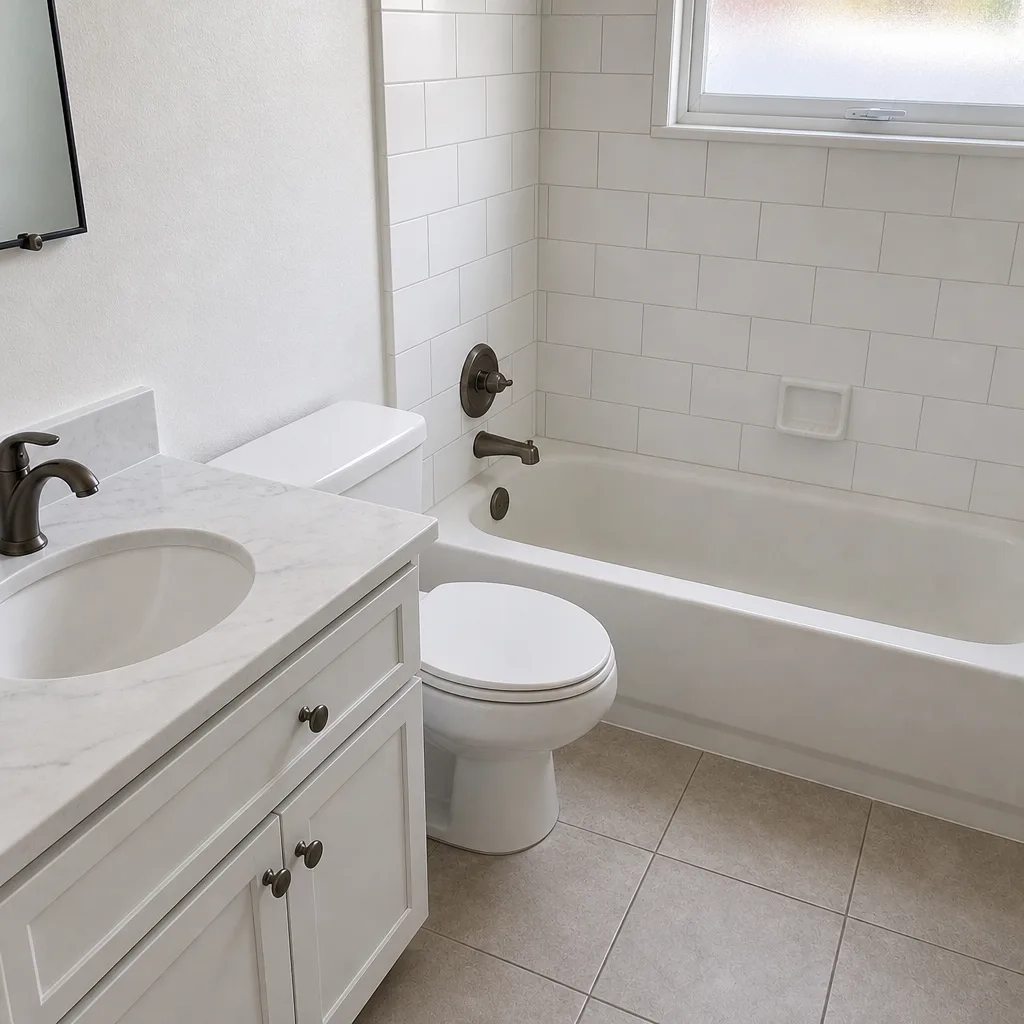
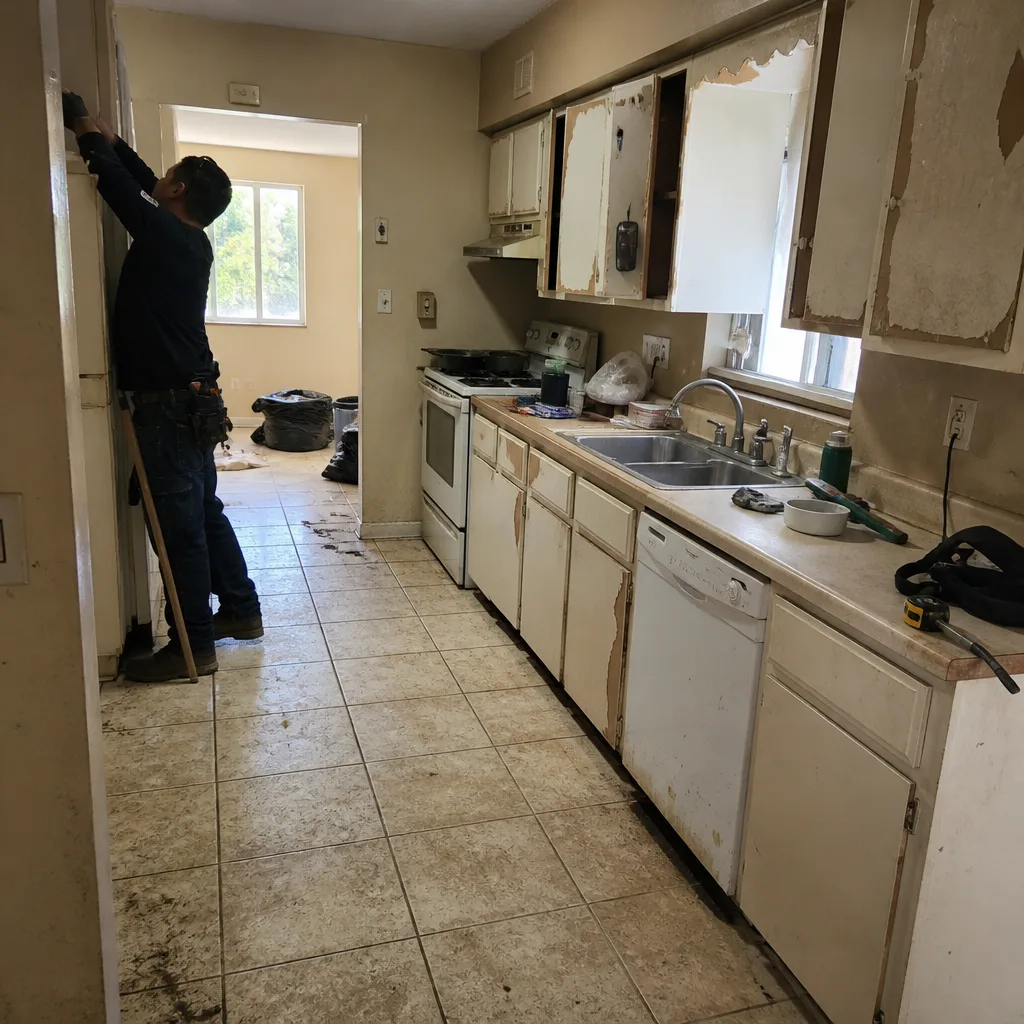
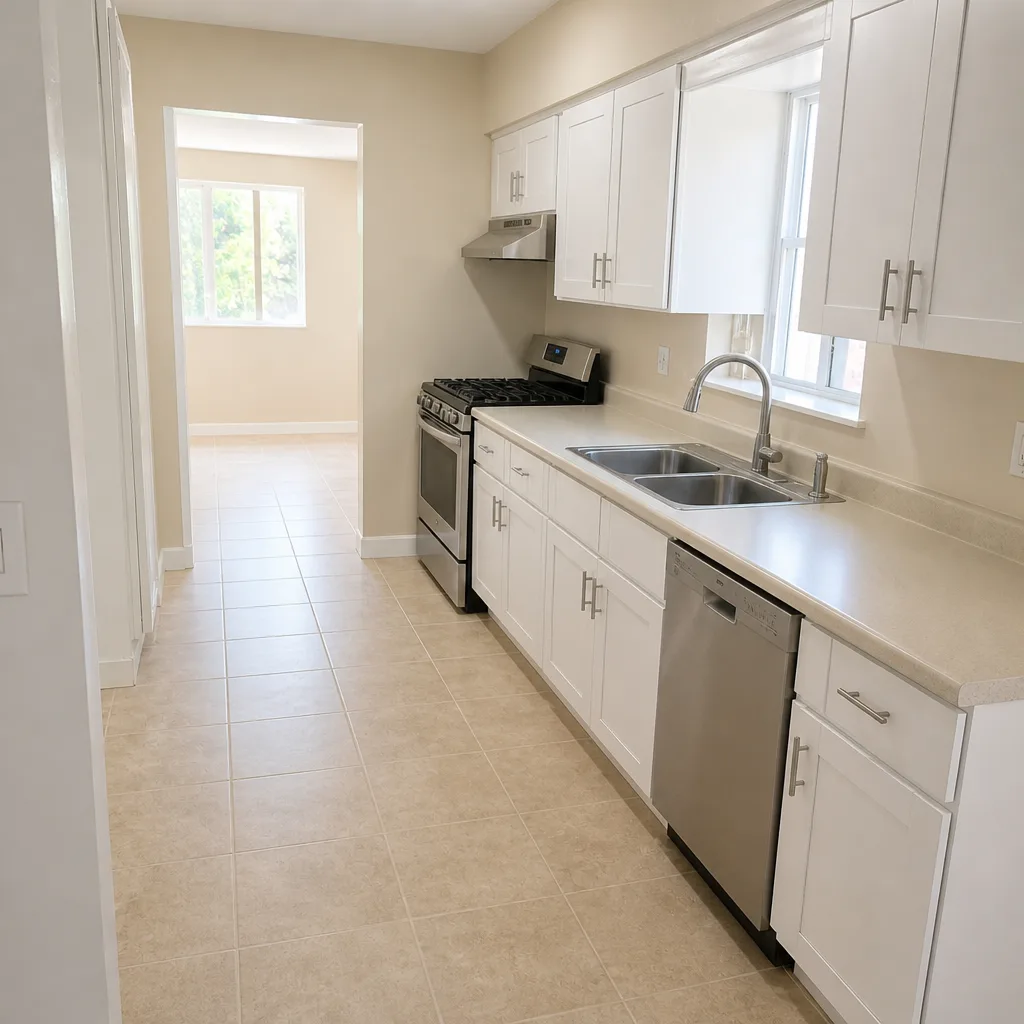
See the difference
 Before
 After
 Before
 After
 Before
 After
When to Call a Professional

Some situations call for an expert now, not later. If framing is being covered and no framing inspection has passed, that’s a call. If a contractor won’t produce the permit number or the inspection record, that’s a call. If a subcontractor asks you directly about payment, that’s a call. And if you’re still choosing a contractor and want an honest read on what a proper addition scope and permit trail look like before you sign, that’s exactly what a free consultation is for. A licensed professional can verify the record, evaluate the structure, and tell you honestly what’s being done correctly versus what needs to be redone. Groundwork Construction Co. of Kendale Lakes offers free estimates in Kendale Lakes – call (844) 834-8961 to schedule a written, line-item consultation, and we’ll walk you through the process from foundation to finish line.
Frequently Asked Questions
You can look up your address in the Miami-Dade County permit record and confirm the permit shows an active status, a named licensed contractor, and an inspection schedule that matches the work. A posted permit card should be visible on site during active work. If the contractor won’t give you the permit number, that’s a warning sign in itself. Call (844) 834-8961 for a free estimate and we can walk through what to look for.
Unpermitted addition work can result in a county stop-work order or, in serious cases, a demolition order for the structure down to the foundation. Even when a demolition order doesn’t follow, unpermitted work creates problems at resale, at refinance, and with your insurance. It’s not a paperwork inconvenience. It’s a financial exposure that can wipe out the value of the whole project. Call (844) 834-8961 for a free estimate on getting your project properly permitted.
Yes. In Florida, a subcontractor who wasn’t paid by the general contractor can file a construction lien against your property, even though you paid in full. The protection is a signed lien waiver from every subcontractor at each payment milestone. Demand them in writing, every time, and don’t release payment without one. Call (844) 834-8961 to ask how a proper payment schedule and lien waiver process protects you.
Look for daylight or gaps where the new addition meets the original house, bowed or uneven framing, missing or undersized hurricane tie-downs, deep early concrete cracks, and water pooling toward the new foundation instead of away from it. Any of these needs a licensed professional’s evaluation; don’t probe them yourself. Call (844) 834-8961 for a free estimate and a walk-through of what your project should look like at each phase.
An ADU adds a second dwelling with its own utility connections, zoning requirements, setbacks, and impact-rated openings, so the approval trail is more involved than a standard addition. In Kendale Lakes, drainage and elevation also matter because the water table is close and the ground is flat. A contractor who addresses the full approval trail and the utility plan is doing the job correctly. Call (844) 834-8961 for a free estimate on your ADU project.
You can stop work in writing, document the site and permit record, demand signed lien waivers, file a complaint with Miami-Dade County Consumer Protection and the Florida DBPR, and get an independent licensed inspection. Keep dated records of everything. If a contractor can’t or won’t produce the permit record, the waivers, or the inspection results, you have solid grounds to act. Call (844) 834-8961 for a free estimate and an honest assessment of where your project stands.
The Bottom Line
The warning signs of a failing home addition almost always show up before the structure does. A missing permit card, a crew racing the inspector, a deposit that’s too big, a subcontractor asking you when they’ll get paid, missing lien waivers – these are the signals that predict a demolition order, a lien, or a half-finished frame weeks before anyone sees a crack in the concrete. In Kendale Lakes, with our water table, our wind-load code, and our active inspection culture, those signals matter even more. Learn to read them, walk the site before the drywall, and put your money behind milestones that pass inspection. If you want a contractor who welcomes that scrutiny, that’s the standard. Built to last, backed in writing. When you’re ready to plan your addition or ADU with someone who treats the permit trail and the paperwork as seriously as the framing, our Home Additions & ADU in Kendale Lakes team is ready to help.
Ready to move forward with a project you can trust? Call (844) 834-8961 to schedule your free project estimate and design consult. Our background-checked, uniformed technicians bring up to 12 years of experience, our pricing is upfront with no surprises, and every project is covered by our 730-Day Done Right Promise. We’re proud to serve Kendale Lakes and the surrounding communities with full-scope construction, from foundation to finish line. And when your addition is finished, our Driveway & Pavers in Kendale Lakes and Fence Installation in Kendale Lakes teams can finish the exterior. Remember: the number you see is the number you pay, we answer the phone live around the clock, and your first estimate is free.
Written by the team at Groundwork Construction Co. of Kendale Lakes.