Last updated November 17, 2026



Free written scope consultation - allowances, timeline, and change-order rules on paper before a single trade is scheduled
DIY vs Professional Fence Installation: What’s Safe to Do Yourself
In Miami-Dade County, an unpermitted fence isn’t just a code violation. It can stall a home sale at the closing table, give your insurer a reason to deny a storm-damage claim, and cost more to tear out than it took to build. We’ve watched that happen to homeowners in Kendale Lakes who did honest, careful work and simply didn’t know the rules existed. This guide draws a hard line between what you can safely handle yourself and what belongs in the hands of a licensed contractor: panel swaps and gate fixes versus post footings, permits, and High-Velocity Hurricane Zone wind compliance. By the end you’ll know exactly where your skill set ends and your legal liability begins.
Quick Answer
You can safely DIY a fence’s cosmetic and maintenance work – replacing individual panels or pickets, adjusting sagging gates, swapping hardware, staining and sealing – but you should not DIY new post installation, structural repair, or anything requiring a Miami-Dade permit. In South Florida, posts must be set at the correct depth with the correct concrete volume to meet wind-load code, and an inspector will check for that. That work belongs to a licensed contractor who pulls the permit in their own name and stands behind it.
Styles & brands we work with
- Kitchen remodeling
- Bathroom remodeling
- Home additions & ADU
- Roofing
- Windows & doors
- Driveway & pavers
- Fence
Table of Contents
- What Fence Work Is Actually Safe to DIY
- Where DIY Crosses Into Structural Territory
- Why South Florida Post Footings Are a Different Animal
- The Miami-Dade Fence Permit Process, Explained
- DIY vs Professional: A Real Cost Comparison
- The One Question That Tells You Everything About a Contractor
- Choosing Materials for Kendale Lakes Conditions
- Common Mistakes to Avoid
What Fence Work Is Actually Safe to DIY
Let’s start with the good news. A large share of fence upkeep is well within reach of a homeowner with ordinary tools and a free Saturday. Replacing a single blown-out vinyl panel after a summer storm, re-hanging a gate that drags on the ground, tightening loose hinges, swapping a broken latch, or rolling on a fresh coat of stain – none of that requires a permit, a license, or a crew. It’s panel-level and surface-level work, and you can do it well.
In our experience across Kendale Lakes, these are the jobs we most often tell homeowners they can handle themselves:
- Panel and picket replacement. If your posts and rails are solid and only one or two boards are cracked or missing, swapping them is straightforward.
- Gate adjustments and hardware swaps. Hinges, latches, drop rods, and self-closing springs are bolt-on parts. Nothing structural is moving.
- Staining and sealing. Especially on wood fences exposed to year-round humidity in Kendale Lakes, refinishing extends life and is a pure finish job.
- Cosmetic fixes. Caps, trim, and decorative pieces that attach to an existing, sound frame.
The rule of thumb: if you’re working on a component that hangs from or attaches to a post that’s already in the ground and structurally sound, you’re in DIY territory. The moment you need to disturb the ground or replace a post, the picture changes entirely. A respected contractor will tell you the same thing – the skill is not the issue, the code is.
Where DIY Crosses Into Structural Territory
A fence is a system held up by posts, and posts are held up by footings. That’s the dividing line. Any job that involves setting a new post, replacing a rotted post, or re-anchoring a post that’s leaning after wind damage is structural work – and in Miami-Dade, structural fence work carries wind-load requirements that go well beyond “dig a hole and drop in some concrete.” That’s what separates a self-installed fence from a professionally engineered one.
These jobs are where we strongly advise hiring a licensed contractor:
- Setting any new post. Depth, diameter, and concrete volume all matter and all get inspected.
- Replacing a storm-leaning post. A post that’s failed is a sign the footing, not just the post, may be undersized.
- Changing fence height or extend a run. New height and length can trigger permit thresholds.
- Switching material systems. A fence panel installation is a whole assembly – rail spacing and anchoring differ from repair.
- Anything in a wind zone near a property line where your fence and your neighbor’s structure interact.
A fence panel replacement is easy; a fence post installation under Florida code is not. That gap – between a component swap and a foundation – is exactly where DIY projects get ordered torn down after the fact. If your job sits on the structural side of that line, the safe move is to price a licensed install, which is why we walk homeowners through the numbers before they ever pick up a shovel.
Why South Florida Post Footings Are a Different Animal
Here’s what most DIY fence content online gets wrong: it’s written for a mild climate. A footer that works fine in the Northeast will fail inspection in Miami-Dade. South Florida sits in the High-Velocity Hurricane Zone (HVHZ), and the Florida Building Code applies wind-load rules to fences and their anchoring that demand a specific footing depth and a specific volume of concrete. Eyeballing it – “I dug about as deep as the post is tall” – is how a fence fails inspection or, worse, comes down on a car during a tropical storm.
Why it matters in everyday conditions here:
- We sit in a hurricane-exposure zone. Wind loads on an 8-foot fence in a 140+ mph design event are not trivial. The post and footing are the load path.
- Our soil is often sandy or mixed fill around newer Kendale Lakes subdivisions, which holds a post differently than the dense clay many online guides assume.
- Bearing depth and diameter are prescribed, not guessed. A code inspector checks concrete volume and embedment. Getting the math right requires knowing the design wind speed for the site, and then doing the footing math for that.
We’re not going to give you a step-by-step for setting an HVHZ-compliant footing, because there isn’t a safe one-day version for a homeowner without the drawings and the inspector sign-off. That’s a load-bearing, code-governed installation and it belongs to a trained, licensed professional. What you should know is that the footing, not the panel, is the part of the fence holding everything to the ground during a storm.
The Miami-Dade Fence Permit Process, Explained
Whether you need a permit depends on the scope. A simple replacement of panels on an existing permitted fence typically doesn’t. Installing a new fence, changing height or material, or replacing structural posts almost always does. In unincorporated Miami-Dade and most municipalities, the permit requirement kicks in with a new fence or a structural change, and skipping it has downstream consequences well beyond the fine.
Here’s roughly how the permit path runs for a new fence in the Kendale Lakes area:
- Pull the permit before any work starts. A licensed contractor pulls it under their own license. A homeowner can pull an owner-builder permit, but it puts all inspection risk on your shoulders and can complicate resale.
- Submit drawings and product specs. You’ll need a site/plot plan showing the fence line and setbacks, plus manufacturer specs showing the fence meets HVHZ wind-load standards.
- Get plan review. The county checks setbacks, height limits, and structural compliance.
- Schedule inspections. Footings and the completed structure are the key inspection points.
- Close the permit. An open permit is a red flag at resale and a problem for insurance.
Hiring a licensed contractor speeds this up in a concrete way: they already know the drawings that get approved, the product specs the county accepts, and the inspection sequence. When a fence installation goes through a crew that does this routinely, plan review and inspection tend to move without the back-and-forth a first-timer runs into. That’s not a sales pitch – it’s simply a shorter learning curve you don’t pay for.
DIY vs Professional: A Real Cost Comparison
The honest math on doing it yourself looks different than the sticker price, because the price of a DIY fence starts with materials and ends with your weekends, tools, and the risk of a failed inspection. Here’s a realistic side-by-side for a typical Kendale Lakes backyard fence run, using approximate local market ranges. These are ballpark figures to help you compare scope, not a quote – pricing varies with footage, material, access, and site conditions, so get a written, line-item estimate for your yard.
| Line Item | DIY (Owner-Builder) | Licensed Contractor |
|---|---|---|
| Materials (fence system, posts, concrete, hardware) | Retail – you pay full markup | Contractor pricing – lower |
| Equipment rental (auger, mixer, saws) | Per-day rental cost | Included |
| Permit & plan review | Your time + fees; you carry inspection risk | Pulled by contractor, in their license |
| Your time (labor) | Weekends/weeks of your own time | One crew, coordinated schedule |
| Inspection & re-inspection risk | On you if it fails | Contractor’s responsibility to pass |
| Workmanship warranty | None | Backed in writing |
DIY usually wins on the pure cash-out-the-door number. It loses on the parts you don’t see in a receipt: a failed inspection that means re-digging footings, the rental cost of an auger that eats a weekend, and having no recourse if a post leans the week after a storm. A licensed contractor quotes an all-in number you can budget against – upfront pricing, no surprises – which is worth pricing side by side before you commit to picking up the shovel.
The One Question That Tells You Everything About a Contractor
If you take one thing from this guide, take this question. Ask any fence contractor: “Will you pull the permit in your license, and will you be on-site for the inspection?” The answer reveals everything. A real professional says yes without flinching – the permit is in their name, and they’re accountable to the inspector. A fly-by-night operator gives you one of three tells: they want you to pull the permit, or they insist no permit is needed, or they deflect with “we handle all that” and can’t show you proof.
Why it matters so much in Kendale Lakes specifically:
- Permit in their name means the inspection lands on their license, not yours. Their reputation is on the line for a passing inspection.
- Being on-site for the inspection means nothing gets “forgotten” and no re-inspection fees slide onto your bill.
- It screens out the “cash and vanish” crews who leave an open permit for you to deal with when you sell the house.
Ask a second question right after: will the work be backed in writing after the job is done? Whoever answers both clearly and in writing is your contractor. Anyone who hesitates is not.
Choosing Materials for Kendale Lakes Conditions
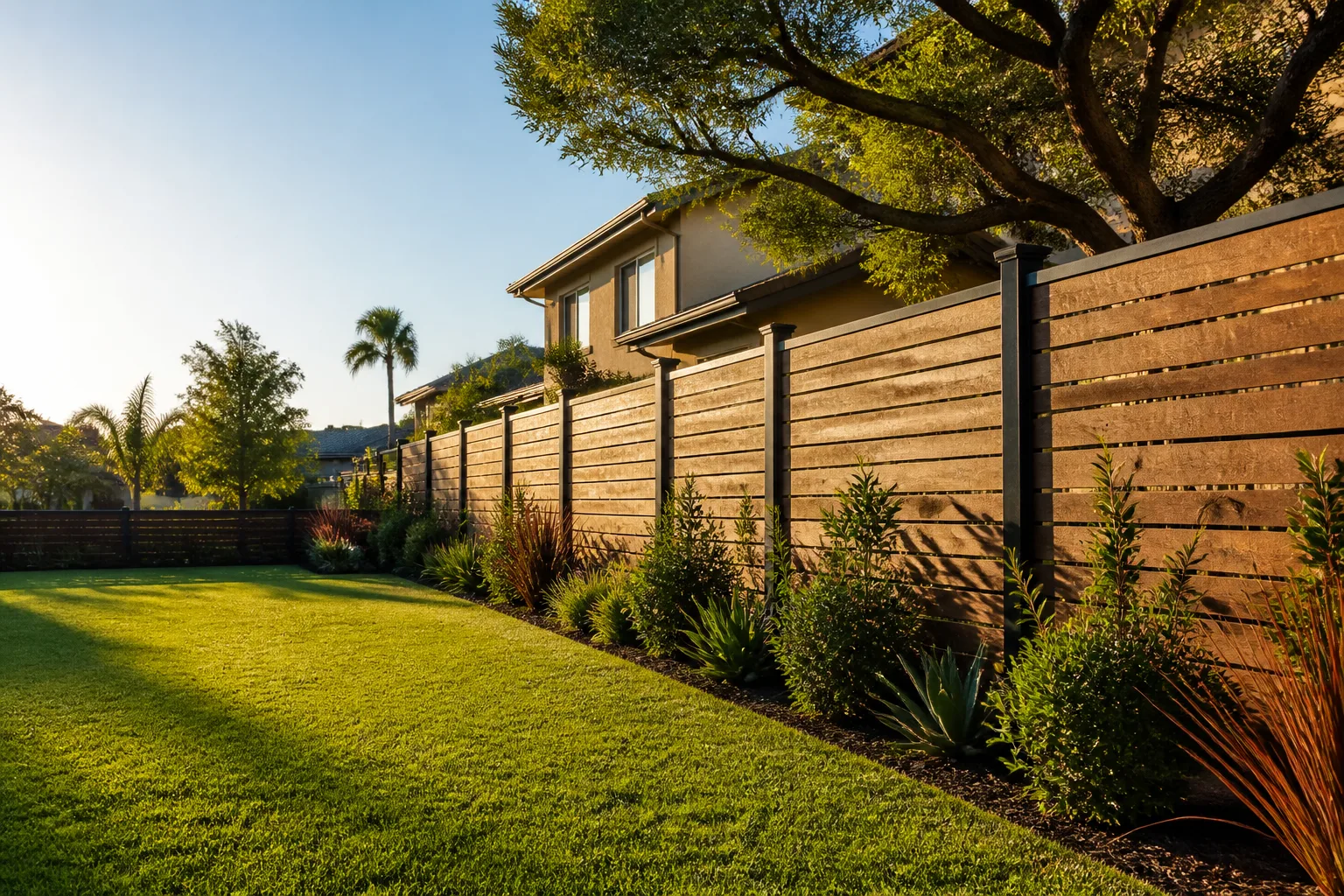
The material you choose matters more here than almost anywhere else. Between salt-laden humid air, intense UV, and the occasional tropical system, a fence in Kendale Lakes takes a pounding that a fence in a dry climate never sees. That should drive your choice as much as looks.
A quick guide to what holds up:
- Wood (pressure-treated). Warm look, widely available. Needs sealing and will need maintenance every couple of years in this climate. Never skip the resealing.
- Vinyl/PVC. Low maintenance, resists rot, and works well against humidity. Look for a hurricane-rated, HVHZ-specified product if it’s a new install.
- Aluminum. Excellent for pool enclosures and gates, won’t rust the way steel will. Spec the right gauge for wind.
- Composite. Longest lifespan, best against moisture, highest upfront cost. Material choice is still mostly about maintenance appetite versus budget.
The installer matters here too. Prefabricated, panelized systems are increasingly common – think of the factory-built approach names like Boxabl and Mighty Buildings bring to the residential market – and it’s changing how quickly fences and structures go together. What hasn’t changed is that the footing and the installation detail are still what keep it standing.
Common Mistakes to Avoid
- Skipping the permit because “it’s just a fence.” An unpermitted fence can block a home sale and complicate an insurance claim after storm damage. The fine is the least of it.
- Guessing at footing depth and concrete volume. In Kendale Lakes’ hurricane zone, this is the single most common reason a DIY fence fails inspection or moves in the first real wind event.
- Pulling the permit as an owner-builder “to save money.” You absorb every inspection risk and resale complication that comes with an open or failed permit.
- Buying materials before checking HVHZ specs. A fence system without the right wind-load documentation won’t pass plan review, no matter how good it looks.
- Assuming our sandy soil equals what’s in the online tutorial. Local soil and subtropical moisture change how a post should be set. A footing spec written for another climate doesn’t transfer.
- Hiring on price alone without the permit question. The cheapest quote is often the one that leaves you holding an open permit.
- Forgetting the gate. Gates are the highest-wear part of any fence. Hanging one correctly with the right hardware on solid posts is part of the job, not an afterthought.
See the difference
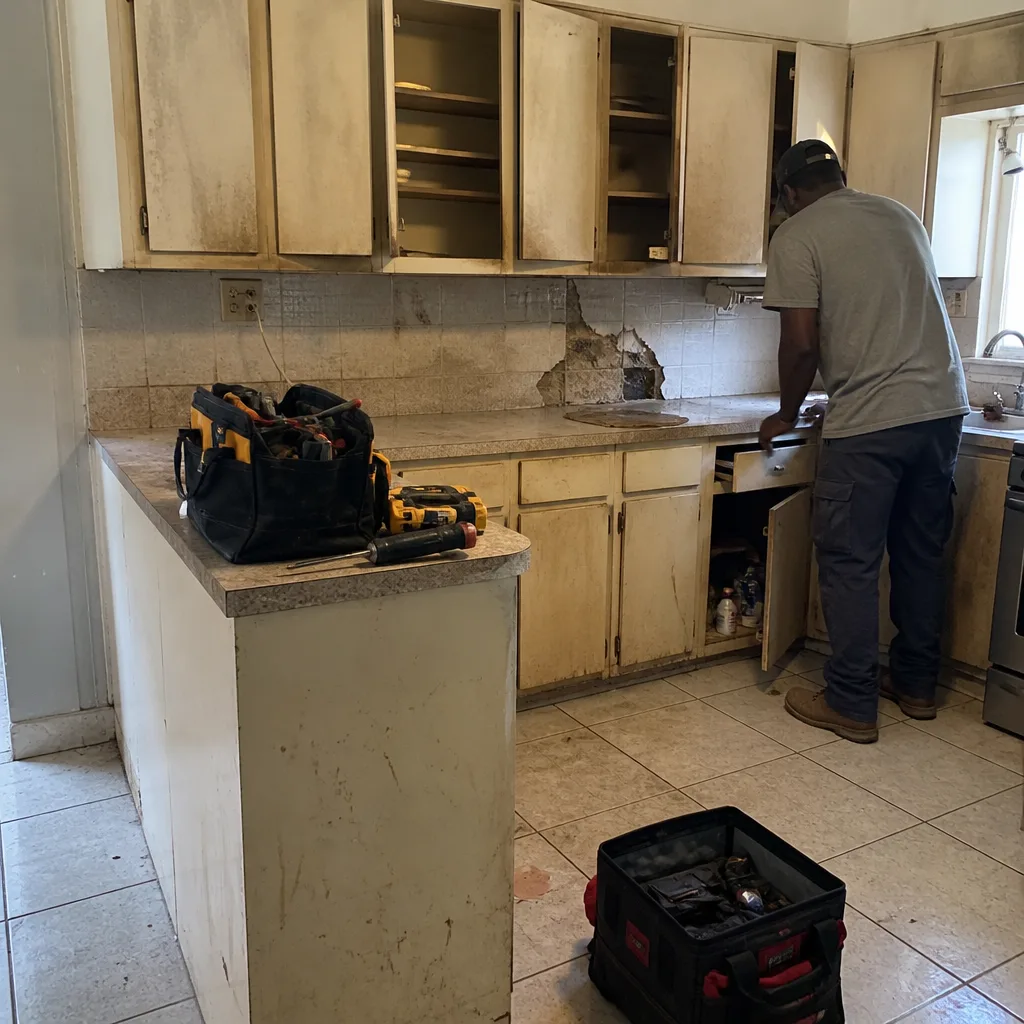 Before
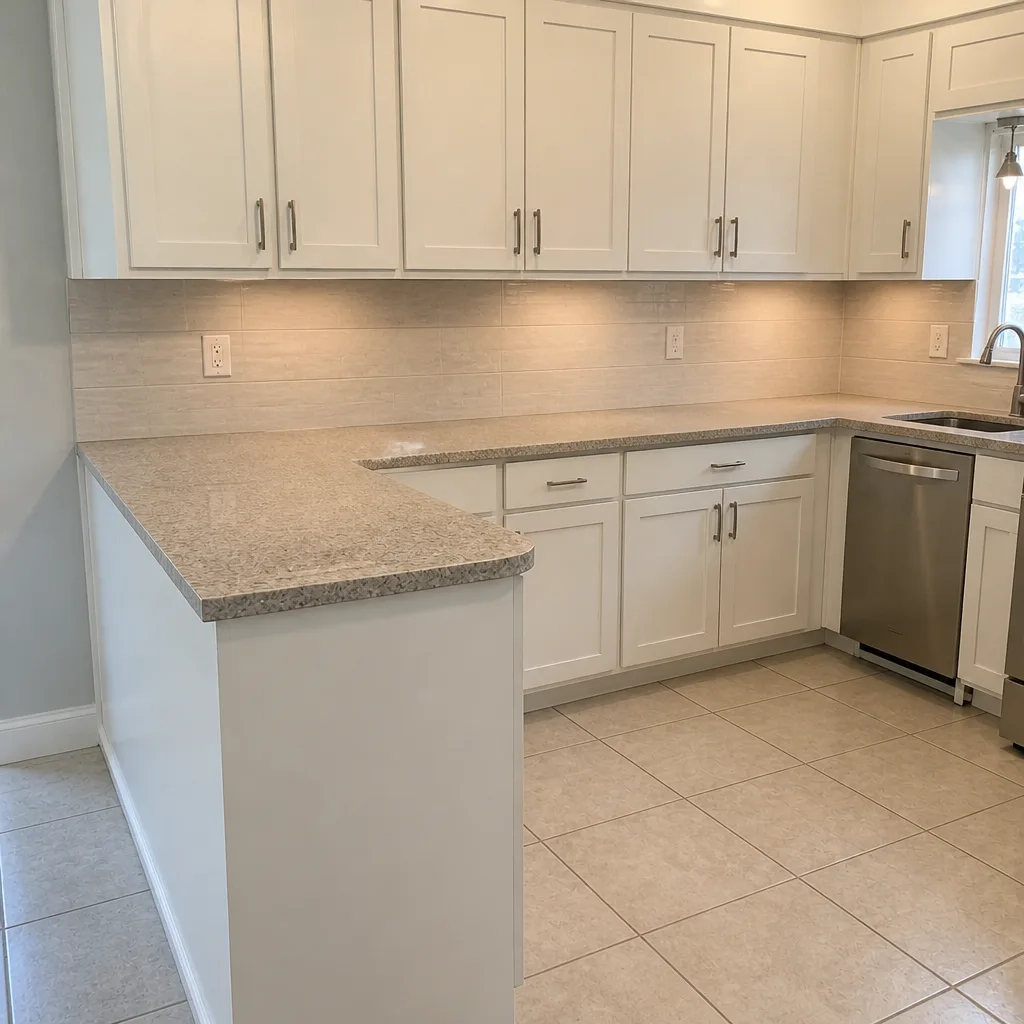 After
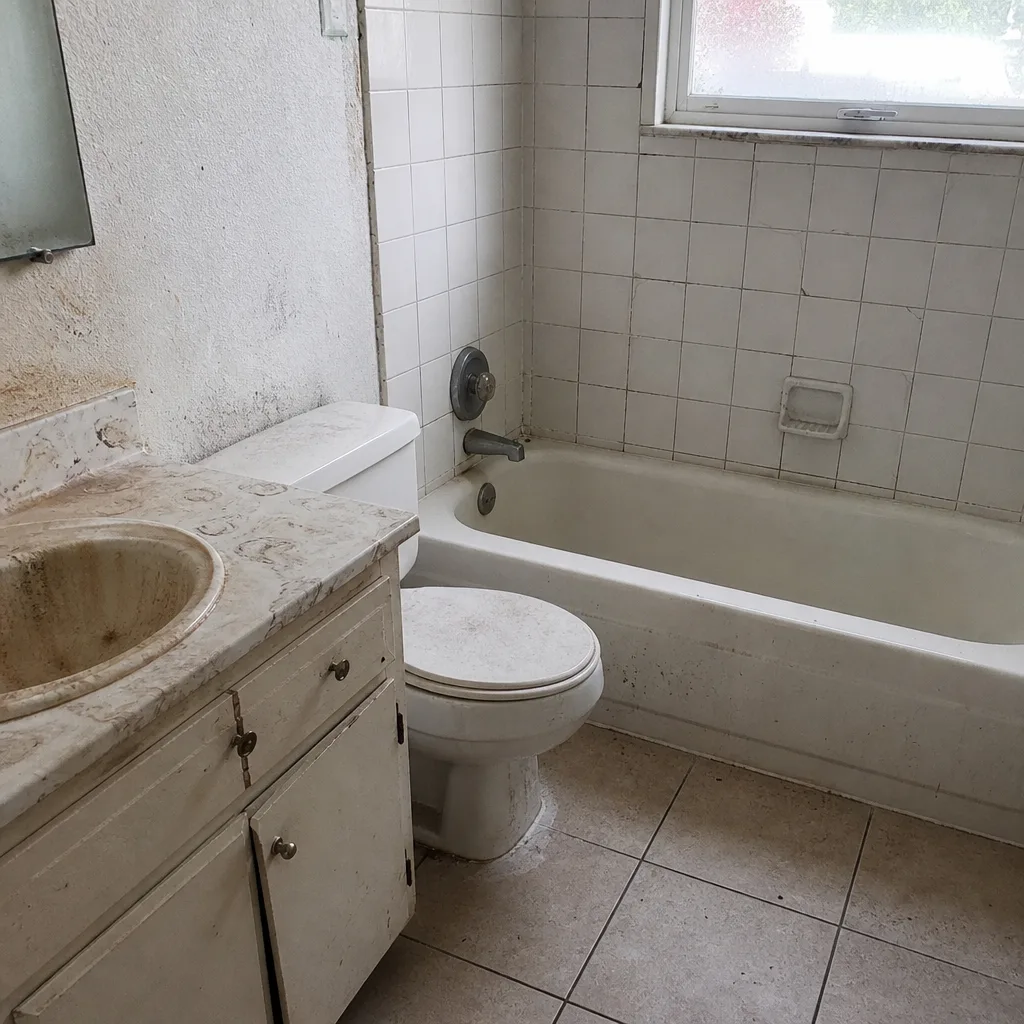 Before
 After
 Before
 After
When to Call a Professional
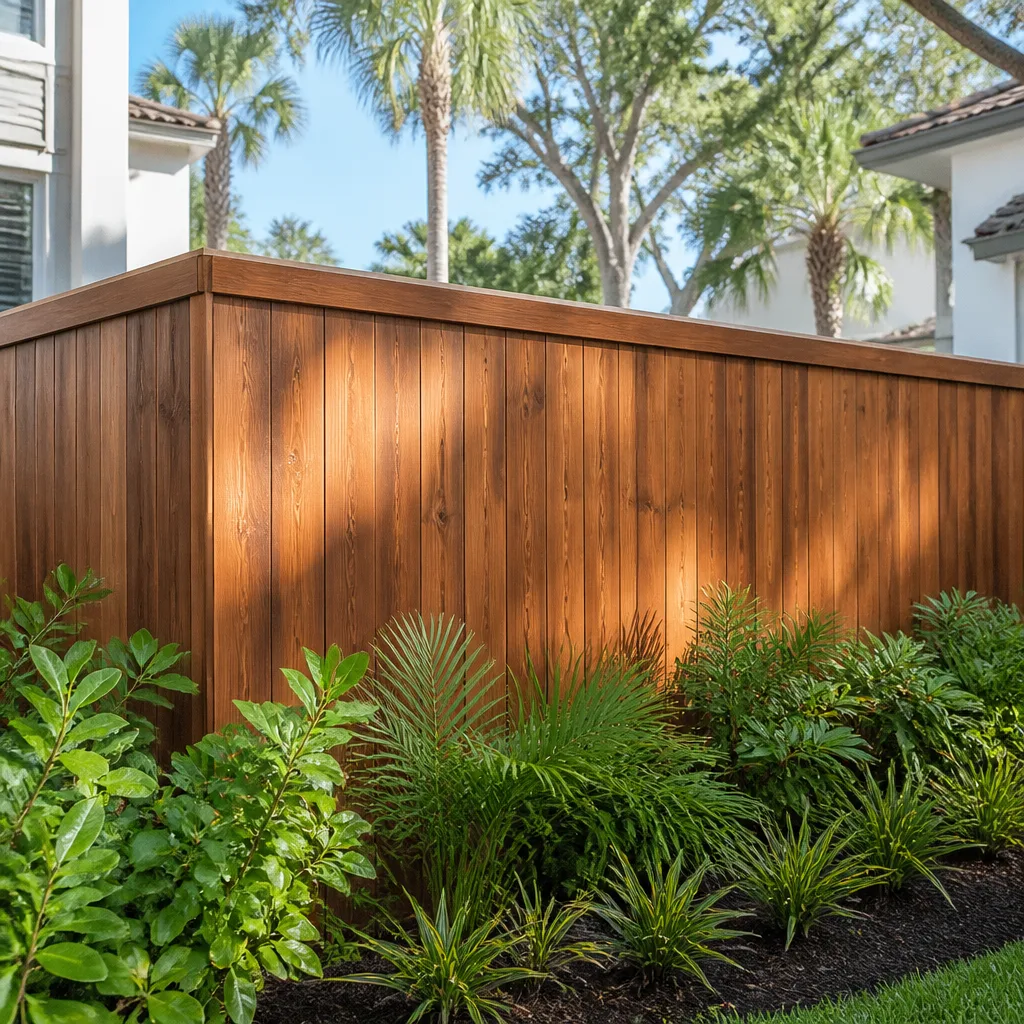
Call a licensed professional when the job involves setting a new post, replacing a storm-leaning one, changing fence height or material, or anything that needs a permit – and always when the fence is part of a pool barrier or near a property line with structural complications. If you’re selling and there’s an unpermitted fence or open permit on record, a professional can also help you get it documented and closed before closing. Groundwork Construction Co. of Kendale Lakes offers free estimates in Kendale Lakes – call (844) 834-8961. For the full scope of what we handle, from fence systems to the rest of the property, our team can walk you through the options up front.
Frequently Asked Questions
You can legally do cosmetic and maintenance work yourself, and you can be an owner-builder on a permitted install, but new post installation and structural fence work must meet HVHZ wind-load code and pass inspection – which requires the correct footing depth and concrete volume. For structural installations we recommend a licensed contractor, because the footing and permit are where DIY fences fail. Call (844) 834-8961 for a free estimate.
Usually not. Swapping individual panels, pickets, or hardware on an existing permitted fence typically doesn’t require a permit. A new fence, a height or material change, or replacing structural posts does. When in doubt, call us – a quick conversation saves you the headache of an open permit. Call (844) 834-8961 for a free estimate.
Because Miami-Dade sits in the High-Velocity Hurricane Zone, fences must be anchored to withstand design wind speeds that put real load on the post and footing. The footing is the load path, and code inspectors check that depth and concrete volume meet the requirement. Eyeballing it is how fences fail inspection or come down in a storm. Call (844) 834-8961 to talk through your fence with a professional.
DIY usually costs less out the door on materials, but the gap narrows once you add equipment rental, your time, permit risk, and having no warranty. A licensed contractor gives you a fixed all-in number, pulls the permit in their name, and backs the work in writing. For an exact quote for your yard, call (844) 834-8961 – estimates are free.
Ask: “Will you pull the permit in your license, and will you be on-site for the inspection?” A real professional says yes without hesitation; anyone who asks you to pull it, or claims no permit is needed, is a red flag. Get everything in a written, line-item quote. Call (844) 834-8961 to speak with a licensed contractor.
Yes. An unpermitted fence or open permit can stall or kill a sale during inspection, and it can complicate a homeowner’s insurance claim after storm damage. Lenders and title companies pull permit history, and unpermitted structures are often flagged. Call (844) 834-8961 to get your fence documented, permitted, and closed out properly.
The Bottom Line
DIY fence work makes sense for the small stuff: panel replacement, gate adjustments, stain and seal, hardware swaps. It stops making sense the moment your job needs a post in the ground, a permit, or HVHZ wind compliance – because that’s where code, safety, and resale risk all meet. The honest math on doing it yourself looks great until a failed inspection or a leaned post after a storm runs up the bill. Get a written, all-in quote alongside your own materials list, ask the permit question, and decide with real numbers in front of you. If you’re weighing it, reach out and we’ll give you the straight answer. See our Fence Installation in Kendale Lakes page for the full scope, and if your project grows into a broader property upgrade, explore our Groundwork Construction Co. of Kendale Lakes home page, our Driveway & Pavers in Kendale Lakes work, and Home Additions & ADU in Kendale Lakes to see how a single licensed contractor can handle from foundation to finish line.
Ready to price your fence project? Call (844) 834-8961 for a free estimate. Live person, 24/7. Our technicians are background-checked and uniformed, and all work is backed by our 730-Day Done Right Promise.
Written by the team at Groundwork Construction Co. of Kendale Lakes.