Last updated November 17, 2026
Free written scope consultation - allowances, timeline, and change-order rules on paper before a single trade is scheduled
DIY vs Professional Home Additions & ADU: What’s Safe to Do Yourself
In Florida’s High-Velocity Hurricane Zone, structural and envelope work on any addition requires licensed contractor signatures on permitted drawings. That single sentence is why a homeowner in Kendale Lakes can frame a wall perfectly square, plumb, and true, and still be breaking the law. We’ve watched resale deals collapse in Miami-Dade because a permitted addition turned out to have unlicensed structural work buried behind the drywall. This guide draws the line honestly: what you can legally and safely do yourself, what will fail inspection no matter how good it looks, and how to structure a hybrid project that saves money without creating a liability you’ll be paying off for years.
Quick Answer
You can safely and legally handle demolition, painting, finish landscaping, and non-structural interior finishes on a home addition or ADU in Florida. You cannot legally perform structural, electrical, plumbing, mechanical, or envelope work on a permitted addition without a licensed contractor of record – and in Miami-Dade, unpermitted structural work can block your resale, void your insurance, and force demolition at your own cost. The smart play is a hybrid: contribute sweat equity where the code allows it, hire licensed trades for everything that gets inspected and signed.
Styles & brands we work with
- Kitchen remodeling
- Bathroom remodeling
- Home additions & ADU
- Roofing
- Windows & doors
- Driveway & pavers
- Fence
Table of Contents
- What Florida law actually requires on additions and ADUs
- Where homeowner labor actually saves money
- Why permit-pulling responsibility matters more than who swings the hammer
- How to structure a legal hybrid project
- The insurance and resale exposure of unpermitted DIY work in Miami-Dade
- Cost-benefit reality check: DIY savings vs. rework costs
- Hurricane-zone realities that change the DIY math
- What we see in Kendale Lakes specifically
- Common mistakes to avoid
- When to call a professional
What Florida law actually requires on additions and ADUs
Florida doesn’t have a gray area on this. If you’re adding square footage to a home – whether it’s an attached addition, a detached garage conversion, or a full ADU – the work falls under the Florida Building Code and, in Miami-Dade, the High-Velocity Hurricane Zone provisions. The code requires that permitted drawings be signed and sealed by a licensed architect or engineer, and that a licensed general contractor, building contractor, or residential contractor pull the permit and supervise the work. A homeowner can pull an owner-builder permit for work on their primary residence, but that permit carries real restrictions, and it doesn’t change which trades still require licensed hands.
Here’s what that breaks down to for a typical addition in Kendale Lakes:
- Structural framing, foundation, tie-downs, roof structure: licensed contractor required. The HVHZ rules on wind load, strap placement, and shear walls are not homeowner territory.
- Electrical: licensed electrical contractor required, period. No homeowner exception on a permitted addition.
- Plumbing and gas: licensed plumbing and mechanical contractors required, with separate permit sign-offs.
- HVAC: licensed mechanical contractor, with load calculations submitted to the county.
- Windows and doors in the building envelope: must meet Miami-Dade NOA (Notice of Acceptance) product approval. Installation is typically done by licensed installers.
- Final inspection and certificate of occupancy: issued to the licensed contractor and property owner – and a failed inspection means the addition isn’t legally habitable.
The owner-builder permit exists, but it’s narrower than most homeowners assume. It’s restricted to your primary residence, it requires you to be on-site and supervising, it doesn’t exempt you from using licensed subcontractors on electrical, plumbing, mechanical, and structural work, and you assume full liability for defects and code compliance. When you sell, that liability follows the property. We’ve talked to more than one Kendale Lakes homeowner who found this out at the closing table.
Where homeowner labor actually saves money
We’re not going to tell you to sit on your hands while a crew builds your ADU. There’s real, meaningful money in the work homeowners can legally and safely do themselves – it’s just that the money lives in the finish phase, not the structural phase. On a typical 600 sq ft ADU project, homeowner labor on the right tasks can shave $8,000 to $18,000 off the total without touching anything that gets a red tag.
Here’s where the savings live:
- Demolition (non-structural): Tearing out old drywall, flooring, cabinets, and landscaping ahead of the crew. Be sure you know which walls are load-bearing before you swing a sledgehammer.
- Interior painting and priming: One of the biggest labor line items and one of the easiest to take on. A homeowner with a roller and some patience can save $3,000-$6,000 on a full ADU interior.
- Finish landscaping: Sod, mulch, plants, and hardscape touch-ups around the finished structure. Keep it clear of the foundation drainage plane.
- Cabinet hardware, closet systems, shelving: After final inspection, these are pure finish. We’ve seen homeowners install KraftMaid cabinet pulls and closet systems themselves after handoff.
- Cleaning and punch-list touch-ups: Post-construction deep cleaning and minor paint touch-up before move-in.
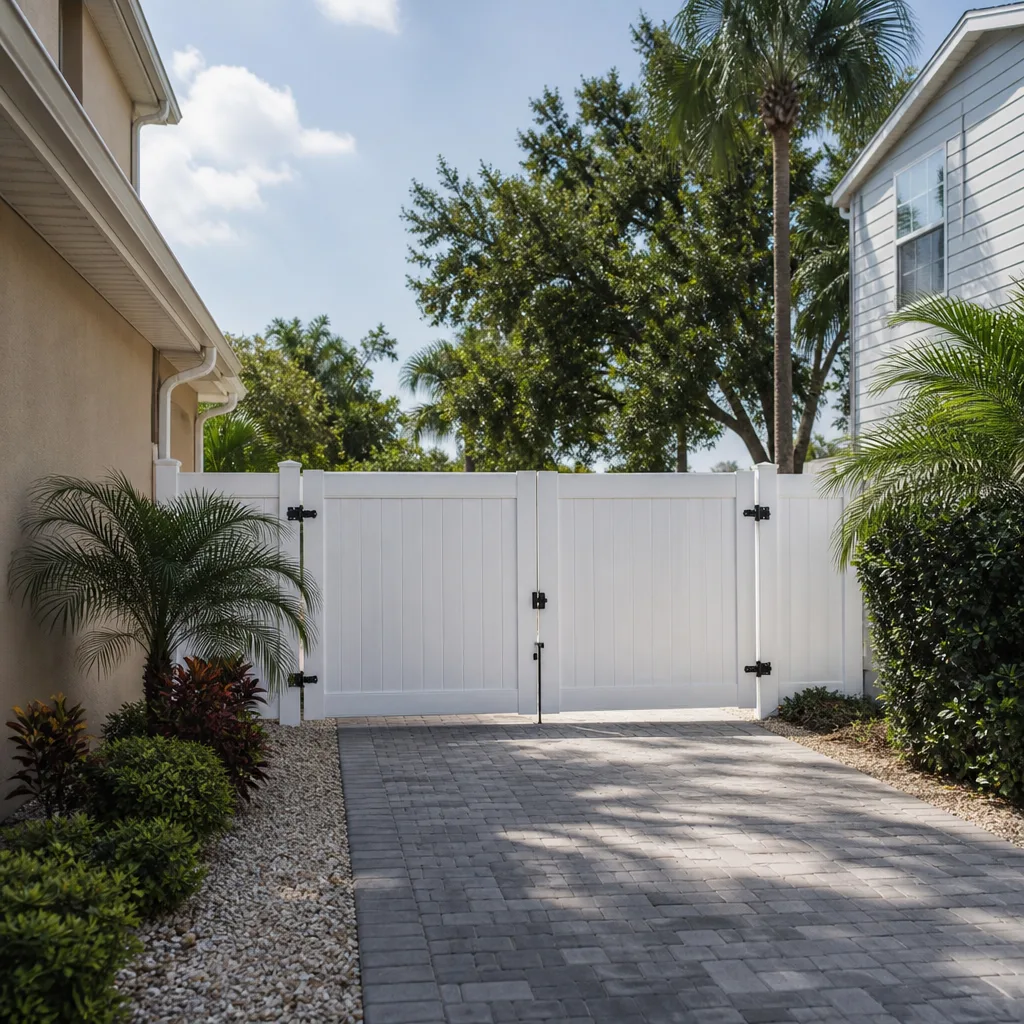
- Fencing (with licensed installation): Fence Installation in Kendale Lakes using Master Halco or Ameristar panels is a licensed project, but you can handle site prep, layout marking, and painting or staining after install.
What does not save money – and actually costs it – is trying to do the structural, electrical, plumbing, or HVAC work under an owner-builder permit, failing an inspection, and paying a licensed contractor to redo it. The rework typically costs 1.5x to 2.5x what the original trade would have charged, because the second contractor has to remove and replace whatever’s there.
Why permit-pulling responsibility matters more than who swings the hammer
The framing nailer is not the problem. The permit signature is. In Miami-Dade County, every permitted addition and ADU has a licensed contractor of record whose name and license number appear on the permit and on the job site. That contractor is legally responsible for code compliance – not the homeowner, even if the homeowner did some of the work. If something fails inspection or fails during a hurricane, the county and your insurer look at that name on the permit.
This creates a strange but workable reality: a homeowner can contribute labor to a project where a licensed GC is of record, as long as the crew is the one doing the inspected work. But the reverse – homeowner as permit holder with no GC of record – limits you to a narrower scope, carries full liability, and creates a resale headache.
Here’s the sequence most Kendale Lakes homeowners we work with follow for a hybrid addition or ADU project:
- Get the design done first. Licensed architect or engineer produces sealed drawings that meet HVHZ and Miami-Dade product approval requirements.
- Hire a licensed GC of record for the permitted scope. This is non-negotiable on any addition, attached or detached.
- Define the homeowner scope in writing – exactly which tasks you’ll do, when, and how they interact with the inspected work.
- Pull the permit as a contractor-pulled permit, not an owner-builder permit, so the licensed contractor is legally responsible for the whole permitted structure.
- Schedule inspections around your labor: homeowner tasks like painting happen after final inspection and certificate of occupancy, so they don’t hold up the inspection timeline.
- Get lien waivers from every licensed subcontractor at closeout, so you’re not on the hook for a sub the GC didn’t pay.
Getting the sequence right is the entire ballgame. Skip step two and the rest falls apart. If you want to talk through how the hybrid structure would work on your specific lot in Kendale Lakes, Home Additions & ADU in Kendale Lakes is where we lay out the permitted workflow we actually use.
How to structure a legal hybrid project
A legal hybrid project has three zones: the licensed zone (the permitted structural and MEP work), the homeowner zone (the finish work you do yourself), and a shared zone in between where you need to coordinate with the crew. Most people get into trouble by blurring those zones and doing “just this one thing” outside the permit scope.
In our experience building additions and ADUs around Kendale Lakes, the projects that go smoothest share a few traits:
- The homeowner scope is documented in the contract as an exclusion, not a verbal understanding. Stated in writing means no ambiguity at inspection or closing.
- The GC and homeowner agree on a schedule that puts homeowner work in parallel with – not in conflict with – inspected trades.
- Any change to the homeowner scope gets approved by the GC in writing before it starts. “Just painting over the primer” turns into “we covered the electrical boxes” more often than you’d think.
- The final walkthrough is done jointly, so any workmanship issue gets caught while the 730-Day Done Right Promise is still fresh and the punch list is still open.
The other structural piece is insurance. Your homeowner’s policy responds to damage caused by covered perils, not to construction defects on unpermitted work. If a hurricane tears off a section of your DIY-framed ADU roof, the claim can be denied on the grounds that the structure wasn’t built to HVHZ code – which it can’t be, because it wasn’t permitted or inspected. Licensed contractors carry their own general liability insurance that responds while the work is underway, which is one of the things you’re actually buying when you sign a contract.
The insurance and resale exposure of unpermitted DIY work in Miami-Dade
This is where the cost-benefit math turns ugly. Unpermitted structural work in Miami-Dade doesn’t just get flagged – it becomes a disclosure item, a title insurance issue, and a negotiation chip that the buyer holds. In 2024 and 2025, we watched buyers walk away from homes in the Kendale Lakes area over additions that didn’t show up on the property appraiser’s site, even when the addition was solid and well-built. The issue isn’t whether it’s good work; it’s whether it’s provable work.
The chain of exposure looks like this:
- Insurance underwriting: Carriers reviewing your property can require proof of permit for any square footage not on the original certificate of occupancy. Unpermitted structures can be excluded from coverage or trigger non-renewal.
- Resale disclosure: Florida requires disclosure of known defects and unpermitted improvements. Buyers’ agents routinely check Miami-Dade’s property appraiser records against the visible square footage.
- Mortgage underwriting: FHA and VA loans generally won’t finance unpermitted additions. Conventional lenders often won’t either when the appraiser flags the discrepancy.
- Retroactive permitting: Getting a permit after the fact can require opening walls for inspection, engineering letters, and – if anything fails – demolition. The cost typically runs 2x to 4x the original permit fee plus the cost of the rework.
- Homeowner’s insurance claims: If damage traces back to unpermitted work, the claim can be denied.
We’ve seen homeowners in Kendale Lakes pay $30,000 to $60,000 in permit-related remediation on a $90,000 unpermitted addition, and still not recover the value on resale. That’s the trade you’re making when you decide to skip the GC.
Cost-benefit reality check: DIY savings vs. rework costs
Here’s a straight-line comparison of where DIY saves and where it costs, using typical Kendale Lakes market pricing. We’re not going to pretend these are exact – your lot, your plans, and your timing all move the numbers – but the relative magnitude is right.
- Permitted framing of a 600 sq ft ADU (licensed): $18,000-$32,000. DIY alternative: illegal and uninsurable. Not a real option.
- Electrical rough-in and trim (licensed): $6,000-$11,000. DIY: illegal, fails inspection, forces rework at 1.5x-2.5x.
- Plumbing rough-in (licensed): $5,000-$9,000. DIY: illegal, no exceptions.
- HVAC install (licensed): $6,000-$12,000. DIY: illegal, no load calc, no permit.
- Drywall hang and finish (optional hybrid): $4,000-$8,000. DIY-possible after inspecting the framing and MEP, but the skill ceiling is real and a bad drywall finish is a $6,000 do-over.
- Interior paint, trim, finish carpentry (homeowner): $4,000-$9,000. Legitimate savings – no permit, no inspection, no structural risk.
- Final landscaping, hardscape, sod (homeowner): $2,000-$6,000. Legitimate savings.
Add it up honestly: on a typical $180,000-$280,000 ADU, DIY labor in the finish zone can save $10,000-$20,000 – about 5%-8% of project cost. Attempting structural or MEP work yourself doesn’t save that money; it converts it into rework, red tags, and resale risk, and it typically adds $30,000-$80,000 in remediation on top. That’s the math. The finish work pays. The structural work doesn’t.
Hurricane-zone realities that change the DIY math
Miami-Dade sits inside the High-Velocity Hurricane Zone, and that designation means every addition and ADU has to meet wind-load requirements far above what most of the rest of the state requires. Concretely, that changes what “good enough” means on a home addition in a way that no YouTube video fully prepares a homeowner for.
- Roof-to-wall connections in HVHZ require specific hurricane straps, tie-downs, and secondary water barriers that are inspected before the roof deck goes on. There’s no “fix it later” path – the inspection happens mid-build.
- Impact windows and doors on any addition need Miami-Dade NOA product approval numbers. A window that’s rated for wind but isn’t on the approved product list won’t pass.
- Structural sheathing thickness and nailing patterns are code-specific in HVHZ and inspected at rough-in. A homeowner-framed wall with the wrong nail spacing fails inspection and has to come down.
- Concrete tie-beam anchoring on additions – especially on additions tying into an existing block house – has retrofit requirements that need an engineer’s review and a licensed contractor’s sign-off.
What this means in practice: the line between “DIY” and “professional” isn’t about skill. A skilled carpenter can frame a wall correctly. But in HVHZ, the question isn’t whether the wall is straight – it’s whether the county signs off on the nail spacing, the strap placement, the sheathing, and the concrete anchoring. If the answer is no, the wall doesn’t legally exist.
That’s not a scare tactic. It’s the reason driveways, fences, and finish work have homeowner latitude, and structural additions don’t. If you want to see how this plays out for exterior projects, Driveway & Pavers in Kendale Lakes shows the same principle at a smaller scale: the material and installation matter, but so does the permit sign-off at the end.
What we see in Kendale Lakes specifically
Kendale Lakes has a housing stock that shapes these projects in ways that don’t show up on generic construction advice. Most of the original homes are 1970s and 1980s CBS construction on 6,000-8,000 sq ft lots, with clay or sandy soil that drains differently than the rock closer to the coast. That affects foundation design, drainage planning, and where an ADU can actually sit on the lot relative to setbacks.
A few things we’ve learned building here:
- Lot coverage and setback rules in the Kendale Lakes area are enforced strictly – we’ve seen more than one ADU plan get sent back at the zoning review stage because the proposed footprint pushed the lot coverage limit. Get a survey before you draw anything.
- The original electrical panels on many 1970s homes are undersized for an ADU addition. Upgrading the main panel is almost always part of the project, and that’s a licensed electrician and a separate permit.
- Standing water during the summer wet season is common on flat lots. Drainage for an addition or ADU needs to be engineered, not improvised – grading matters.
- Fences on shared property lines in Kendale Lakes are more common than you’d think, and the fence needs to be installed by a licensed contractor even if it’s “just” a Fence Installation in Kendale Lakes – particularly where an Ameristar aluminum or Bufftech vinyl panel meets an ADU-facing side yard.
We mention all of this because the same DIY-vs-professional math plays out differently here than it would in, say, rural Georgia. Lot rules, soil, panels, and drainage all push more of the project – not less – into the licensed zone.
Common mistakes to avoid
- Pulling an owner-builder permit on a structural addition. It feels like a legal workaround, but it makes you personally responsible for code compliance on work you didn’t do – including the electrical, plumbing, and HVAC you can’t legally touch anyway. Reversed, it’s a resale nightmare.
- Assuming “it’s just an addition” doesn’t need the same code as new construction. In Miami-Dade it does. HVHZ provisions apply to any new structural work, and the county inspects it as such.
- Doing interior drywall before MEP inspections clear. We’ve seen homeowners close up walls before the rough-in inspection, then have to open them again. It’s expensive and it delays the project by weeks.
- Skipping the survey before drawing the ADU plan. Setbacks and lot coverage in Kendale Lakes are tighter than many other parts of Miami-Dade, and a survey is the cheapest part of the project. Get it first.
- Assuming homeowner’s insurance covers defective DIY work. It doesn’t. Coverage responds to perils, not construction defects, and unpermitted work is a common denial trigger.
- Underestimating hurricane-climate material requirements. A window that’s rated for wind but isn’t on the Miami-Dade NOA list is a failed installation, full stop. Andersen and Pella both publish their approved product lists – match them to the spec before you buy.
- Not getting lien waivers at closeout. On a hybrid project, a sub who hasn’t been paid can file a lien against your property even if you paid the GC on time. Get waivers in writing at every draw.
If you’re early in planning and want to avoid the expensive version of these mistakes, start with our Groundwork Construction Co. of Kendale Lakes home page – it walks through the full-scope process from survey to certificate of occupancy.
When to call a professional
Call a licensed professional for anything that touches the structure, the building envelope, the electrical system, the plumbing, the gas, or the HVAC. That’s not a marketing line – it’s the line above which DIY becomes a legal and financial problem, not just a technical one. Additions and ADUs in Miami-Dade require licensed contractor signatures on the permit no matter who does the labor, and the county inspects mid-build, not after.
Also call a professional when the plan involves any change to the load path, any new window or door on an existing wall, any electrical panel upgrade, or any grading near the foundation. And call one when you’re trying to save money by staying in your own lane on the finish work – structuring that hybrid legally is the part that saves you from rework.
Groundwork Construction Co. of Kendale Lakes offers free estimates in Kendale Lakes – call (844) 834-8961. We pull the permits, we schedule the inspections, and we back the workmanship with our 730-Day Done Right Promise. You’ll get a live person on the line, 24 hours a day, and a written line-item quote – no surprises later.
See the difference
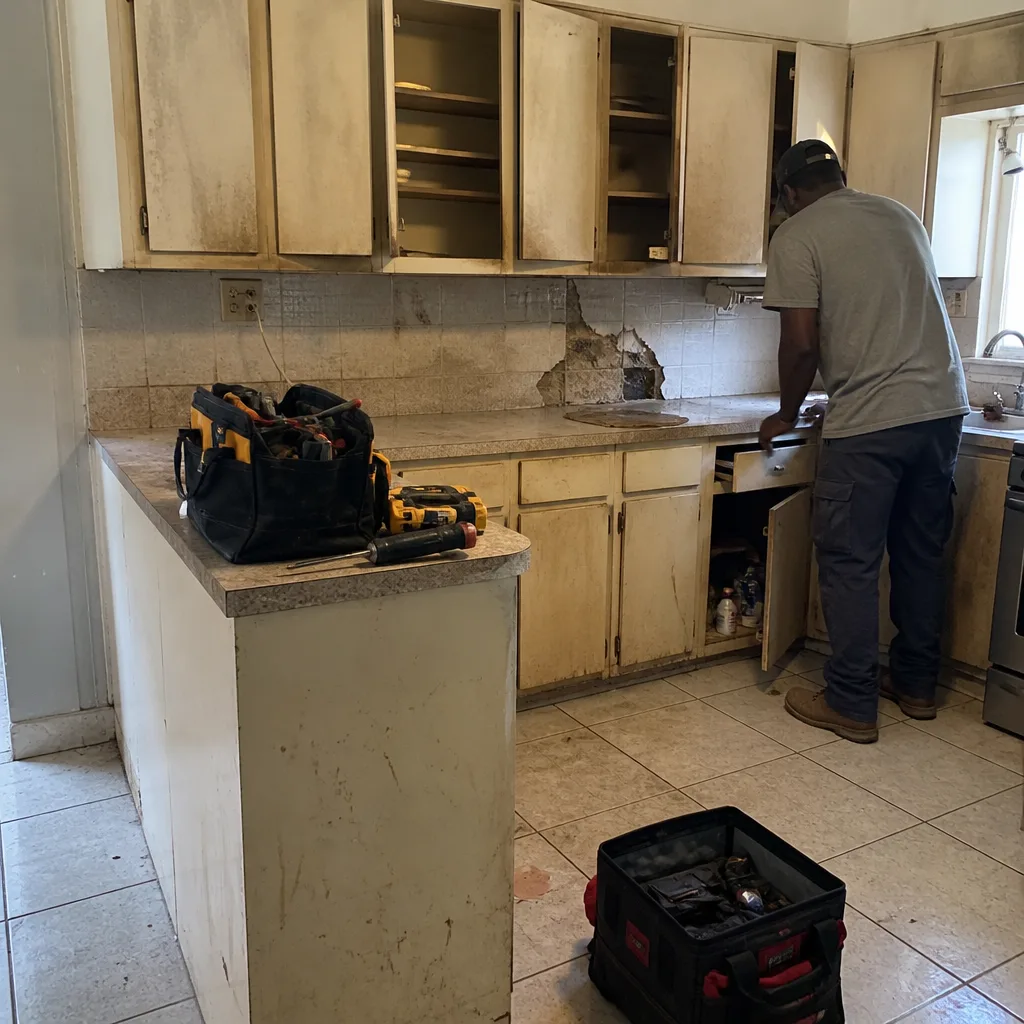 Before
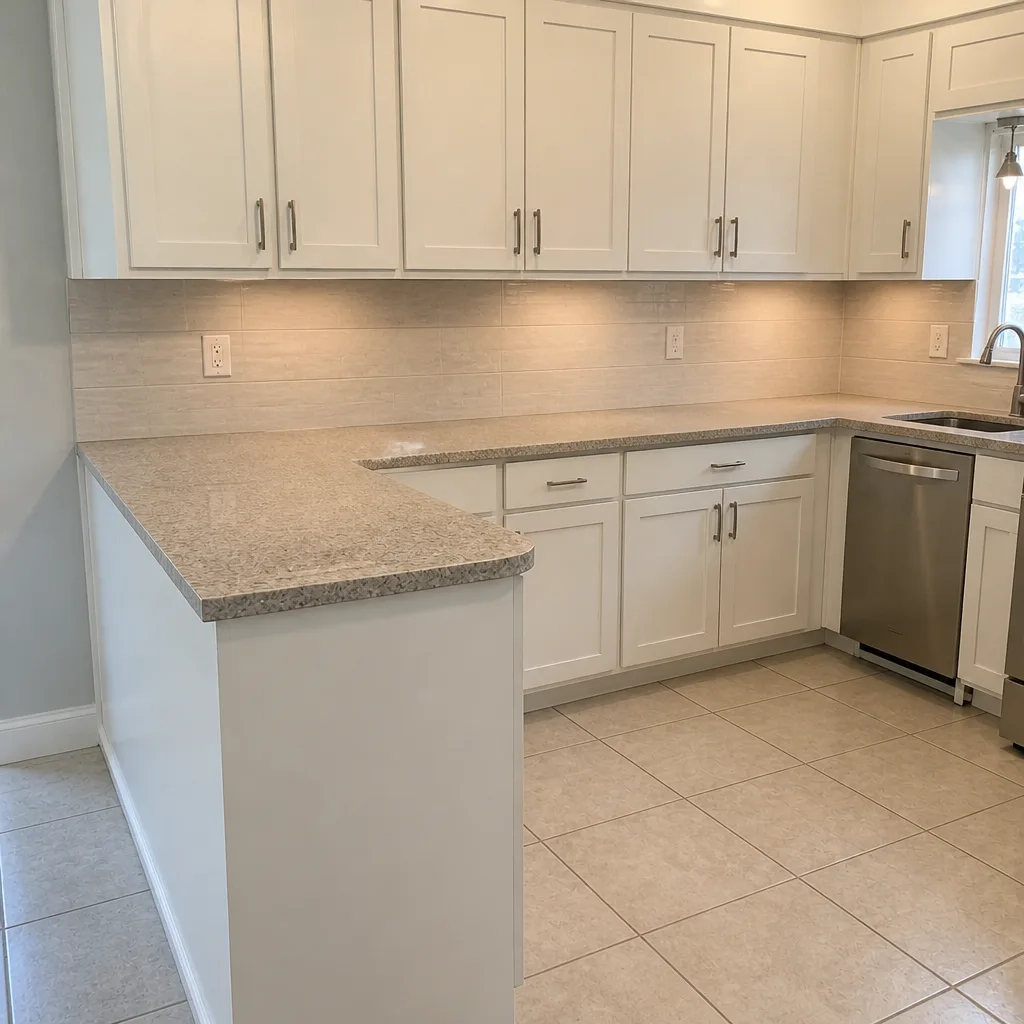 After
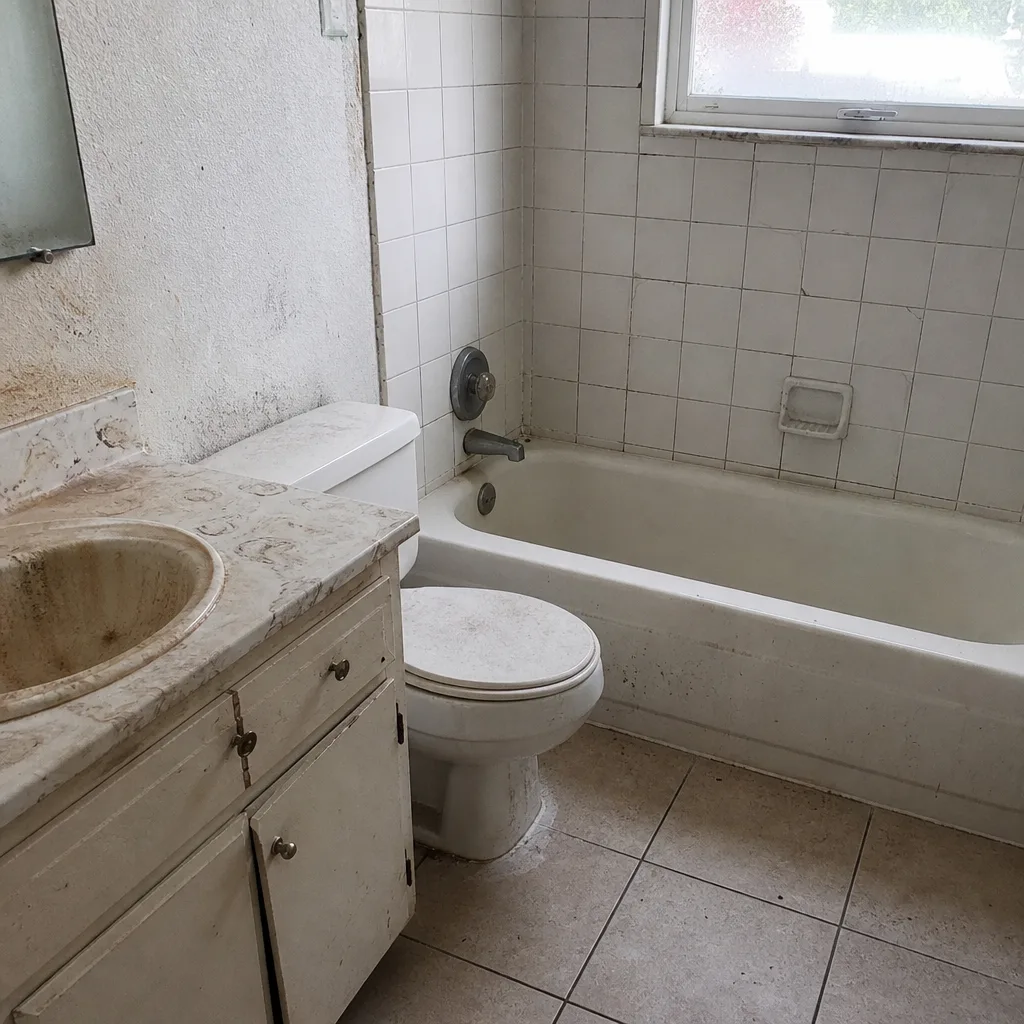 Before
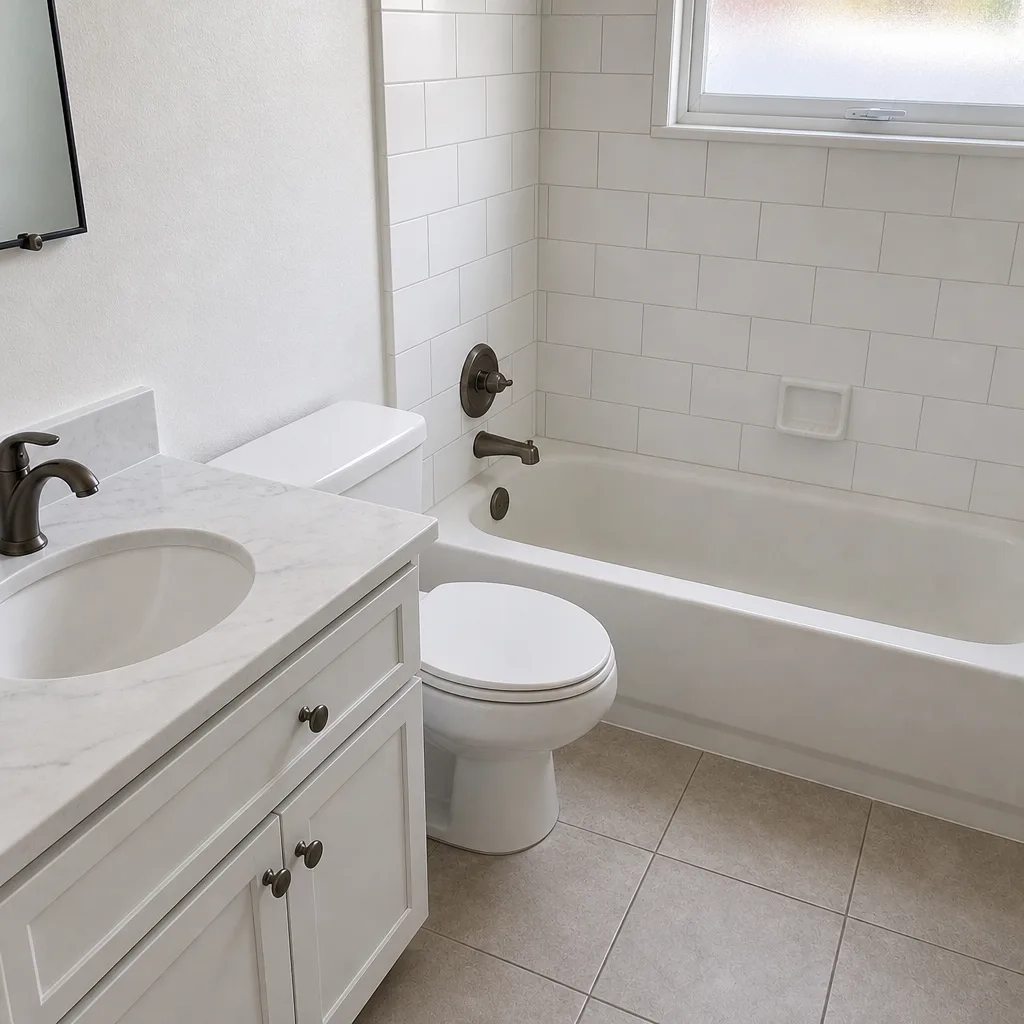 After
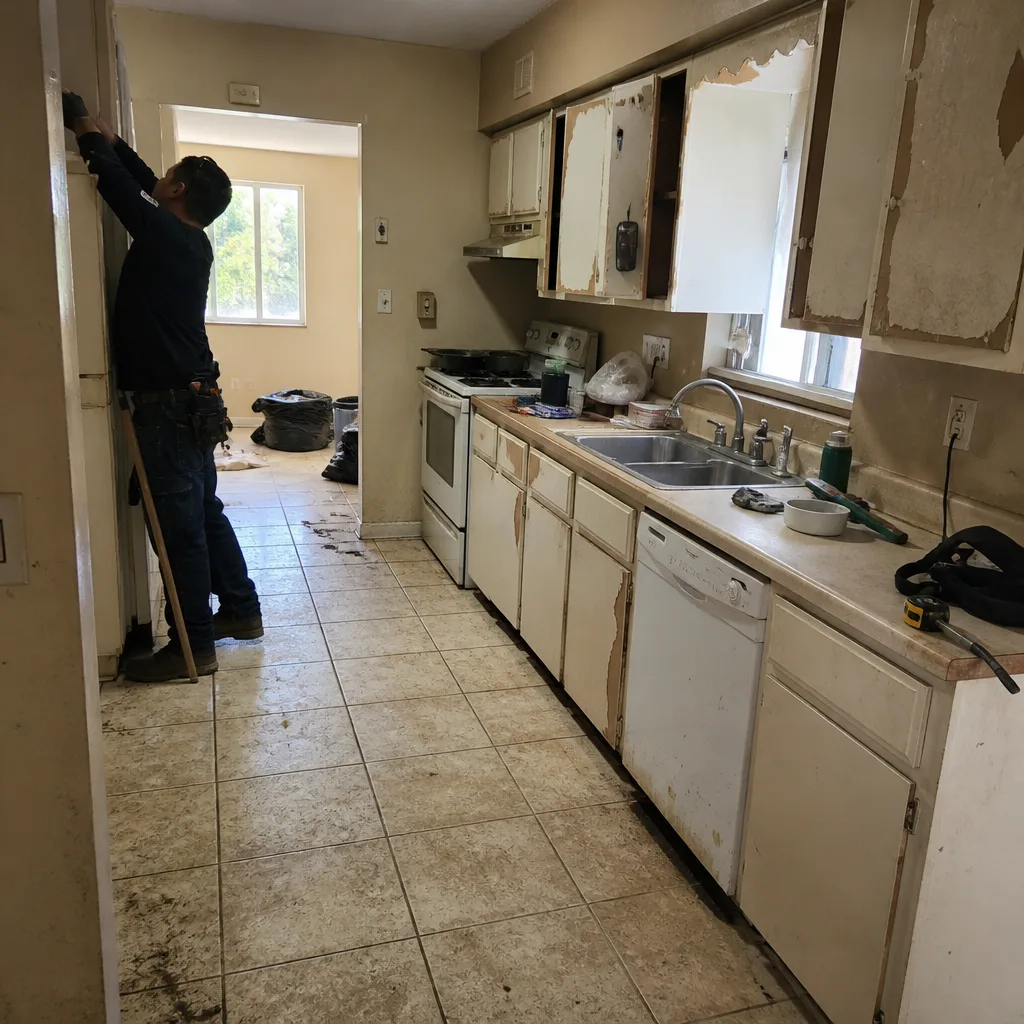 Before
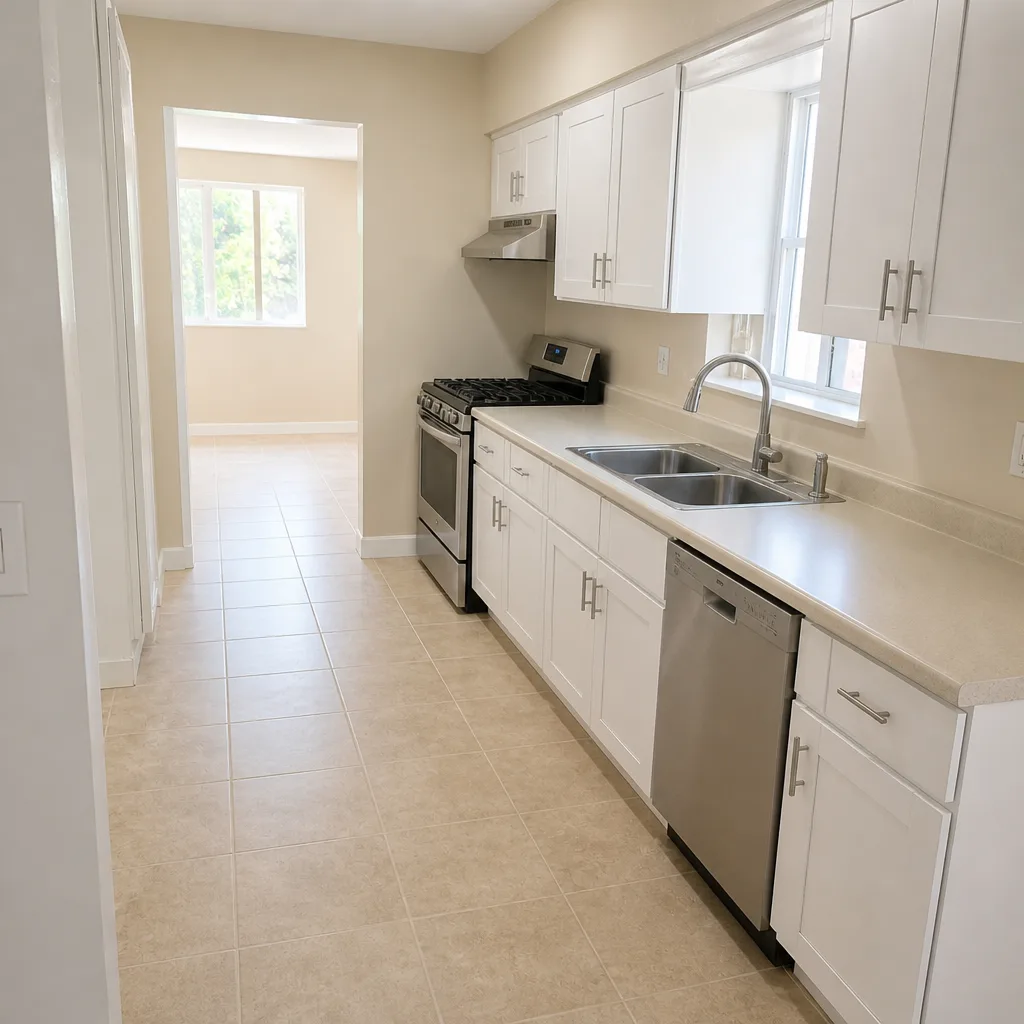 After
Frequently Asked Questions
Yes – you can legally do demolition, interior painting, finish landscaping, and non-structural finish work like cabinet hardware and closet installations on a permitted addition in Kendale Lakes, as long as a licensed contractor of record is handling the structural, electrical, plumbing, mechanical, and envelope work. The homeowner scope needs to be documented in the contract. Call (844) 834-8961 for a free estimate – we can help you structure it.
Yes. Florida requires a licensed general contractor, building contractor, or residential contractor for permitted structural work on any ADU, and Miami-Dade’s HVHZ provisions add specific wind-load, tie-down, and product approval requirements that only licensed contractors and engineers can sign off on. Owner-builder permits exist for primary residences, but they don’t exempt you from using licensed electrical, plumbing, mechanical, and structural subcontractors – and they don’t protect you from the liability. Call (844) 834-8961 to schedule a free design consult.
Unpermitted additions typically trigger insurance underwriting exclusions, mortgage denials, resale disclosure issues, and required retroactive permitting – which often means opening walls for inspection or demolishing work that fails. The remediation cost we’ve seen on Kendale Lakes projects typically runs $30,000 to $60,000 on top of the original project cost, with no resale recovery. Call (844) 834-8961 for a free estimate on doing it right the first time.
Homeowners who handle interior painting, finish landscaping, and post-construction cleaning typically save $10,000 to $20,000 on a $180,000-$280,000 ADU – about 5%-8% of total project cost. That’s real money, and it doesn’t touch the inspected work. Call (844) 834-8961 and we’ll walk you through which tasks fit your specific project.
Generally no. Homeowner’s insurance responds to covered perils, not construction defects, and unpermitted or non-code-compliant work is one of the most common claim denial triggers in Miami-Dade. If damage traces back to unpermitted DIY structural work, the claim is at high risk of denial. Call (844) 834-8961 for a free estimate – it’s cheaper than a denied claim.
Yes, and this is the cleanest hybrid structure. The licensed contractor pulls the permit, handles the structural and MEP scope, and takes the project through final inspection and certificate of occupancy; the homeowner does finish work (painting, landscaping, finish carpentry) after handoff. Get the division in writing in the contract so there’s no ambiguity at inspection or closing. Call (844) 834-8961 to set up a free design consult.
The Bottom Line
DIY on a home addition or ADU in Kendale Lakes saves real money – but only in the finish phase. Painting, landscaping, cleanup, and finish carpentry can shave $10,000-$20,000 off a project without touching anything inspected. Structural framing, electrical, plumbing, HVAC, and envelope work need licensed contractor signatures on the permit, and in Miami-Dade’s High-Velocity Hurricane Zone that signature is the difference between a legal addition and a resale liability. Skip it and you’re not saving money; you’re deferring a $30,000-$60,000 remediation cost with interest. Pull the permit, hire the licensed GC, keep your labor in the finish zone, and get line-item pricing before you start. That’s how the math works in your favor.
Call (844) 834-8961 for a free estimate on your Kendale Lakes addition or ADU. Upfront pricing, written quotes, permits pulled, inspections passed, and our 730-Day Done Right Promise behind every project – from foundation to finish line.
Written by the team at Groundwork Construction Co. of Kendale Lakes.