Last updated November 17, 2026



Free written scope consultation - allowances, timeline, and change-order rules on paper before a single trade is scheduled
How to Hire a Construction Contractor in Kendale Lakes: A Step-by-Step Guide
Florida consistently ranks among the states with the highest volume of contractor fraud complaints in the country, and Miami-Dade County sits near the top of that list year after year. Here’s the part that stings: the homeowners who get burned almost always skipped the same three verification steps. They looked at the bid first, checked credentials last, and signed before confirming the license, the insurance, or who was actually holding the permit. This guide reverses that order. By the end, you’ll know exactly how to screen a contractor in Kendale Lakes, what Florida law requires them to put in writing, and how to structure payments so the leverage stays on your side.
Quick Answer
To hire a construction contractor in Kendale Lakes, verify the contractor’s Florida license through the DBPR licensing portal, confirm active insurance by calling the carrier directly (not just reading a certificate), and require a written proposal that lists scope, materials, the permit holder, and a payment schedule tied to completed milestones. Never pay more than a small deposit before work begins, and never hire anyone who can’t produce a license number on request.
Styles & brands we work with
- Kitchen remodeling
- Bathroom remodeling
- Home additions & ADU
- Roofing
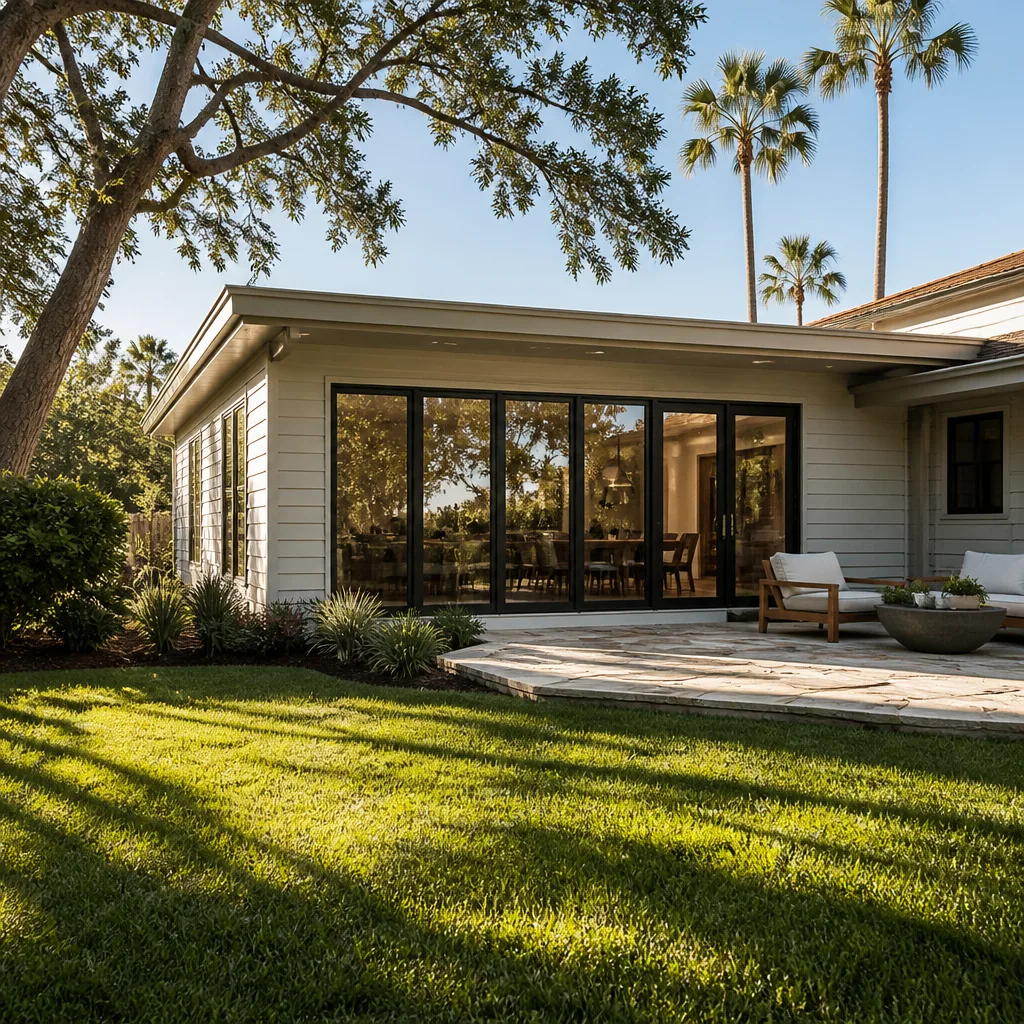
- Windows & doors
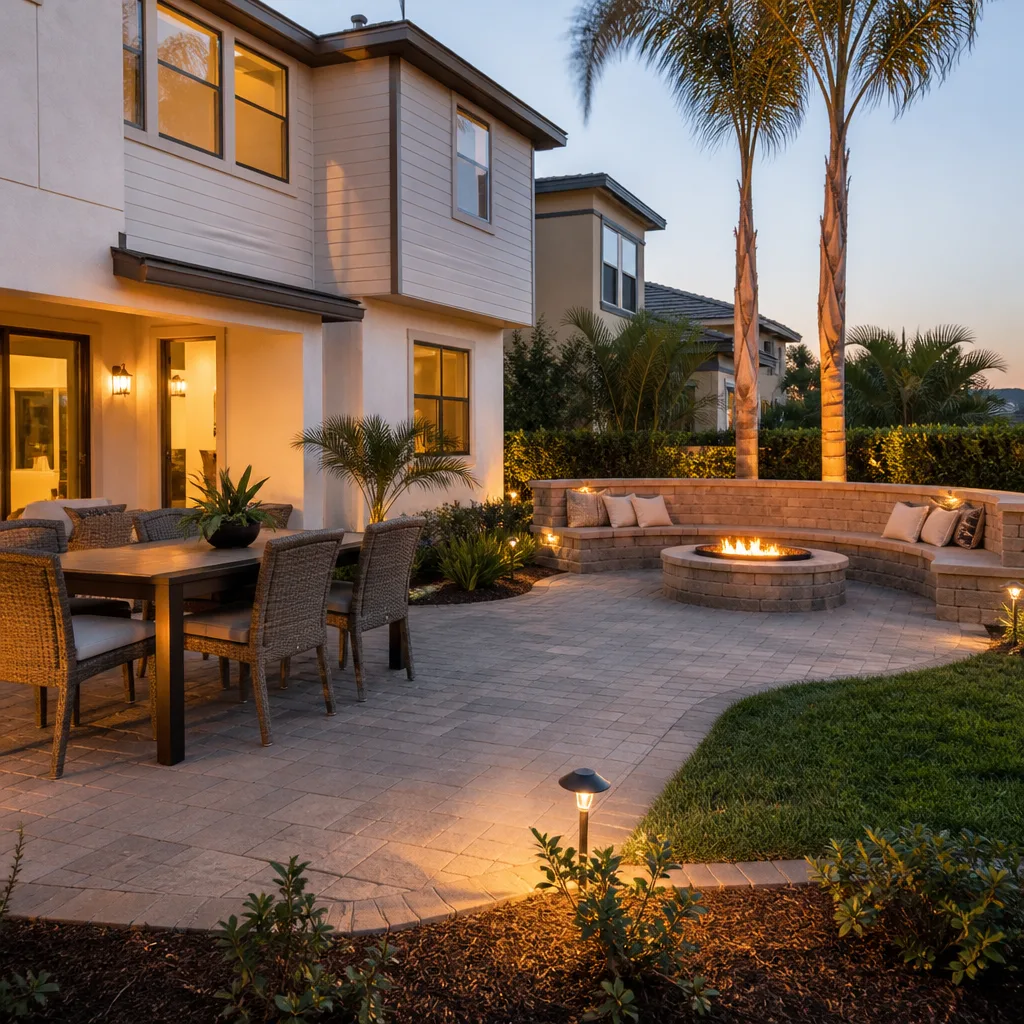
- Driveway & pavers
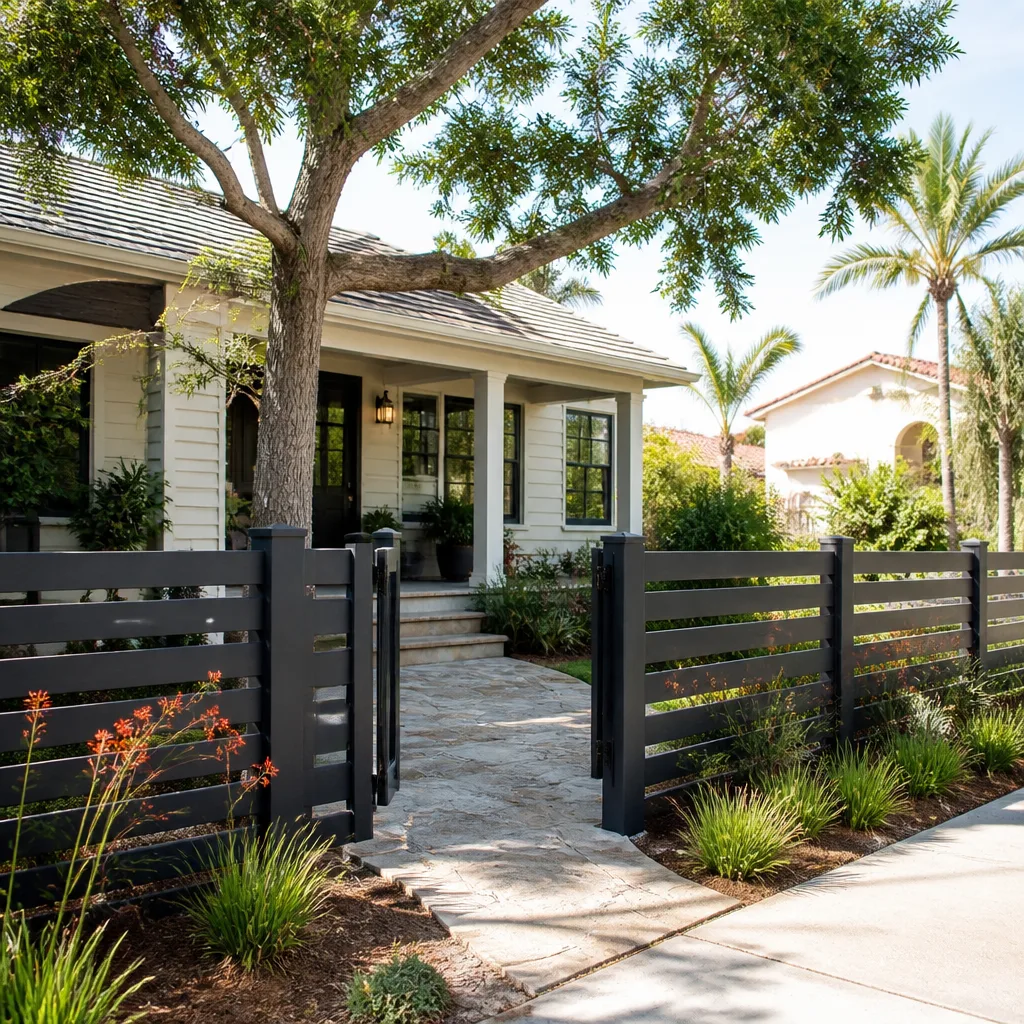
- Fence
Table of Contents
- 1. Verify the Florida license before anything else
- 2. Confirm insurance is actually active, not just on paper
- 3. What a legitimate Kendale Lakes proposal must include
- 4. South Florida red flags that should end the conversation
- 5. How to structure a payment schedule that protects you
- 6. Permits, inspections, and Miami-Dade code realities
- 7. Hiring for Kendale Lakes climate conditions
- Frequently asked questions
1. Verify the Florida License Before Anything Else
Every legitimate construction contractor working in Florida holds a license from the Department of Business and Professional Regulation (DBPR) or operates under a local competency license issued by Miami-Dade County. Before you talk price, before you talk timeline, you pull up the license. It takes four minutes.
Here’s the process:
- Go to the DBPR license verification portal (myfloridalicense.com).
- Search by the contractor’s name, license number, or company name.
- Confirm the license status reads “Active” – not “Delinquent,” “Null and Void,” or “Revoked.”
- Check the license classification. A Certified General Contractor (CGC) handles structural and full-scope work. A Certified Building Contractor (CBC) handles commercial and residential building. A Certified Residential Contractor (CRC) handles one- and two-family homes only. A Certified Roofing Contractor (CCC) or Certified Specialty Contractor handles trade-specific work.
- Verify the license is valid for the scope of your project. A roofing contractor cannot legally pull a permit for a kitchen addition, and a handyman license doesn’t cover structural work.
In our experience working across Kendale Lakes, one of the most common failures we see is a homeowner hiring a “remodeling company” that turns out to be an unlicensed operator subbing out to a licensed entity on the back end. That arrangement leaves you with no direct legal recourse if something goes wrong. Ask the contractor to state their license classification in writing and match it to the work they’re quoting. If they can’t or won’t, the conversation is over.
You can also call Miami-Dade County’s contractor licensing division to confirm whether any complaints or disciplinary actions have been filed. A license in good standing doesn’t guarantee quality work, but a license that’s been disciplined or revoked tells you everything you need to know.
2. Confirm Insurance Is Actually Active, Not Just on Paper
A Certificate of Insurance (COI) is a piece of paper that says a policy existed on the day it was printed. It doesn’t prove the policy is still active, doesn’t prove the premium was paid, and doesn’t prove the coverage limits are adequate. This distinction matters enormously in South Florida, where lapsed policies are common and certificates get recycled from job to job.
Here’s the specific call you need to make: call the insurance carrier’s phone number directly, read them the policy number from the certificate, and ask three questions.
- Is this policy currently active as of today’s date?
- What are the general liability coverage limits?
- Does this policy include workers’ compensation coverage for all employees who will be on my property?
Get the name of the person you spoke with and the date and time of the call. Save it. That’s your documentation if a dispute ever arises.
Workers’ compensation is the one homeowners overlook most often. If a worker is injured on your property and the contractor doesn’t carry workers’ comp, you can be exposed to liability as the property owner. Florida law requires most construction employers to carry workers’ comp coverage, but the requirement has exceptions for small operations – and some contractors exploit those exceptions. Confirm coverage before anyone steps onto your property.
In Kendale Lakes, we’ve seen more than a few homeowners discover after the fact that their contractor’s insurance had lapsed mid-project. The fix is simple: ask for an updated certificate at every milestone payment, not just at signing. It’s a two-minute request that a reputable contractor will honor without hesitation.
3. What a Legitimate Kendale Lakes Proposal Must Include
A verbal agreement and a one-page estimate are not the same thing as a legally enforceable proposal. In Miami-Dade County, a written contract is required for most residential projects over $500, and the specific details it contains determine whether you have recourse if the job goes sideways. Here’s what a legitimate proposal must include.
- Contractor’s legal business name, license number, and physical address. A P.O. box alone is a red flag.
- A detailed scope of work. Not “kitchen remodel.” Something like “Demo existing cabinets and countertops; install KraftMaid maple cabinets; install Cambria quartz countertops; replace sink, faucet, and garbage disposal; relocate electrical outlet to support over-range microwave.”
- Specific materials and brands. Model numbers where available. “Tile allowance of $4/sq ft” tells you your budget; “tile” alone does not.
- Who pulls the permit and who pays for it. Permits must be pulled by the licensed contractor in their name – not yours. If a contractor asks you to pull the permit as the homeowner, walk away.
- Start date and estimated completion date, with reasoning. “Six to eight weeks from permit approval” is defensible. “About a month” is not.
- A payment schedule tied to milestones. Not tied to calendar dates. Not front-loaded.
- The warranty terms in writing. The duration, what’s covered, and the process for filing a claim. At Groundwork Construction Co. of Kendale Lakes, every project is backed by our 730-Day Done Right Promise – if it’s not done right, we make it right – and that commitment appears in writing on every contract.
- A change-order process. How changes to scope are priced, approved, and documented before work proceeds.
- A cancellation and dispute-resolution clause. Florida law gives homeowners a three-day right to cancel most home improvement contracts signed in their home. Confirm that right is stated in the document.
If any of these elements are missing, the proposal isn’t ready to sign. Ask for a revised version. A reputable contractor will produce one without argument.
4. South Florida Red Flags That Should End the Conversation
Some contractor red flags are universal. Others are specific to South Florida’s construction market, which runs on different rhythms than most of the country. Here are the ones that come up most often in Kendale Lakes and the surrounding areas.
Out-of-state license reliance. A contractor licensed in Georgia or Alabama cannot legally pull a permit in Miami-Dade County. If someone presents an out-of-state license and tells you it “works here,” they’re either misinformed or lying. Verify Florida licensure, period.
Post-storm surge pricing and out-of-town crews. After a named storm, South Florida sees an influx of contractors from other states offering roof replacements and repairs at prices that sound like deals. Most of them leave before the warranty work is ever needed. Stick with licensed Florida contractors who can be reached after the storm passes – not just before the check clears.
Subcontractor chains that obscure accountability. If your contractor doesn’t employ the crews doing the work, ask exactly who will be on your property and who carries their insurance. Multi-level subcontracting is legal but creates a chain of responsibility that can leave you with no clear party to hold accountable. Ask for the names of the subs and confirm their licenses independently.
Large cash deposits before any work begins. Florida’s contractor payment laws provide specific protections for homeowners, but they only apply if the payment structure is documented. A 50% deposit up front with nothing in return is a warning sign. A reasonable deposit on a residential project is typically 10% to 33%, with the remainder tied to milestones.
No physical office or verifiable address. A contractor working in Kendale Lakes should be reachable at a real location. A cell phone number and a P.O. box is not a business address.
Pressure to sign today. Real contractors have backlogs. A “today only” discount is a sales tactic, not a construction one. If the offer expires when you walk out of the room, it wasn’t a good deal to begin with.
Vague or missing warranty language. “We stand behind our work” is not a warranty. A warranty has a duration, a scope, and a claims process. Ask for it in writing before signing anything.
5. How to Structure a Payment Schedule That Protects You
The single most effective protection a homeowner has is how the payment schedule is structured. Florida law gives you specific rights around contractor payments, and a well-designed schedule aligns the contractor’s financial interest with your project’s completion.
Here’s a payment structure that works for most Kendale Lakes residential projects:
- Deposit: 10% – 15% at contract signing. This covers permit fees and initial material orders. Never pay more than a third up front.
- Rough-in milestone: 25% when framing, plumbing, and electrical rough-in are complete and inspected.
- Finish milestone: 30% when drywall, cabinetry, and fixtures are installed.
- Substantial completion: 25% when the work is complete and passes final inspection.
- Punch list and final walkthrough: 10% – 15% held back until you’ve signed off on the punch list and received lien releases from any subcontractors who worked on the project.
The final holdback protects you against two specific risks: unfinished punch-list items and mechanic’s liens filed by subcontractors the general contractor failed to pay. Under Florida’s construction lien law, a subcontractor who hasn’t been paid can file a lien against your property – even if you’ve already paid the general contractor in full. The way to prevent that is to collect lien releases at every milestone payment and hold the final 15% until all subcontractors have signed off.
Will this structure insult a reputable builder? Not if it’s presented correctly. A contractor who’s running a real business will accept milestone-based payments with a modest holdback. Push back firmly but politely: “We’re happy to sign at 15% down and 15% holdback at substantial completion, with lien releases at every milestone.” A contractor who balks at that structure is telling you something about how they run their business.
At Groundwork Construction Co. of Kendale Lakes, we work from an upfront pricing model – the number you see is the number you pay, with no change orders unless the scope changes and you approve them first. That structure only works if both sides commit to it in writing. Get that commitment before you sign.
6. Permits, Inspections, and Miami-Dade Code Realities
A permit is not a bureaucratic formality. It’s the mechanism by which the county inspects the work at specific stages to ensure it meets the Florida Building Code. Unpermitted work creates problems the day you try to sell or refinance – and it creates problems before that if the work wasn’t done to code.
Miami-Dade County has some of the most stringent wind-load requirements in the country. Roofs, windows, doors, and structural connections all have to meet specific load ratings that reflect the county’s high-velocity hurricane zone (HVHZ) designation. Kendale Lakes sits firmly inside that zone, which means your contractor has to use products with Miami-Dade Product Approval – not just Florida Product Approval, which is a different and lower standard. A window that meets code in Tampa may not meet code here.
Here’s what to verify about permits:
- The permit must be pulled in the contractor’s name, not yours.
- The contractor must provide you with the permit number before work begins.
- You can verify permit status through Miami-Dade County’s Building Department online portal.
- Your contractor must be present for all required inspections.
- The final inspection must pass before you release the final payment.
- You should receive a copy of the final inspection approval notice.
HVHZ product approval is the one detail that catches homeowners in Kendale Lakes off guard most often. A contractor quoting a roof replacement might spec a shingle that’s approved for standard wind zones but not for the HVHZ. When the inspection fails, the fix comes out of the change-order budget unless the contract pinned the product spec clearly. Ask for product approval numbers on every exterior product before signing. It’s a one-sentence question that eliminates a whole category of expensive problems.
For homeowners planning larger projects, our team at Groundwork Construction Co. of Kendale Lakes manages the full permit and inspection process as part of Home Additions & ADU in Kendale Lakes, and our Groundwork Construction Co. of Kendale Lakes home page outlines how we handle permitting across every service line.
7. Hiring for Kendale Lakes Climate Conditions
Kendale Lakes sits in a specific microclimate that shapes how construction projects are planned, scheduled, and executed. The wet season runs from May through October, bringing near-daily afternoon thunderstorms and the bulk of the annual rainfall. If your project involves roofing, exterior work, or anything that exposes the building envelope, the season you start determines the schedule you can actually achieve.
Three climate realities affect how you should evaluate contractor proposals in Kendale Lakes:
Stucco and masonry construction. Most homes in Kendale Lakes are built with concrete block and stucco, not wood frame. This affects everything from how interior walls are opened to how exterior doors and windows are anchored. A contractor who specializes in wood-frame construction elsewhere may not have the right crews for stucco repair and interior rough openings. Ask directly: “How many concrete-block homes have you remodeled in this area?”
Metal roofing and HVHZ wind ratings. If you’re replacing a roof, you’ll be working within the HVHZ, and metal roofing systems have to be specifically approved for that designation. The Fence Installation in Kendale Lakes page covers how wind-rated products work for outdoor structures; the same principle applies to roofing. Ask for the product approval documentation specifically.
Driveway and paver setting in the wet season. A paver driveway installed without proper base preparation and drainage rarely makes it through a South Florida wet season without shifting. Our Driveway & Pavers in Kendale Lakes service line handles base preparation as part of the scope, not as an add-on, because pavers over an inadequate base fail inside two years in this climate. Ask any contractor how deep the base is and what drainage provisions are included before signing.
One more climate-specific detail: the afternoon thunderstorms from June through September compress exterior work into morning windows, which means project timelines stretch during the wet season. A contractor quoting “eight weeks” for a full exterior remodel in July without accounting for this is either inexperienced in South Florida or overpromising. Ask them directly: “How does the wet season affect this timeline?” The answer tells you whether they’ve done this work here before.
Common Mistakes to Avoid
- Evaluating price before credentials. Most homeowners compare bids before verifying licenses. The lowest bid often comes from the unlicensed operator – which is why it’s the lowest bid. Verify license and insurance first, then compare price.
- Accepting a certificate of insurance without calling the carrier. A lapsed policy on a piece of paper looks identical to an active one. The three-minute phone call to the carrier is the difference between coverage and no coverage.
- Paying a large deposit “to lock in the deal.” Pressure deposits are a textbook red flag. Legitimate contractors don’t need urgency to close a contract, and a 50% front-loaded payment removes all leverage from your side of the table.
- Not verifying that products are approved for the HVHZ. In Kendale Lakes, standard Florida Product Approval is not sufficient for roofing, windows, or exterior doors. Miami-Dade Product Approval is the standard. Confirm the product approval numbers in writing.
- Hiring based on a verbal scope. “Kitchen remodel” means different things to different contractors, and the contractor who quoted the lowest number is almost always working from the smallest scope. Get every material, brand, and specification in writing before signing.
- Skipping the permit. Unpermitted work in Miami-Dade County can trigger stop-work orders, retroactive permitting costs, and complications at sale. Verify permit status through the county portal before work begins.
- Not holding back a final payment until lien releases are collected. A subcontractor who wasn’t paid by the general contractor can file a lien against your property even after you’ve paid the general in full. Collect lien releases at every milestone.
See the difference
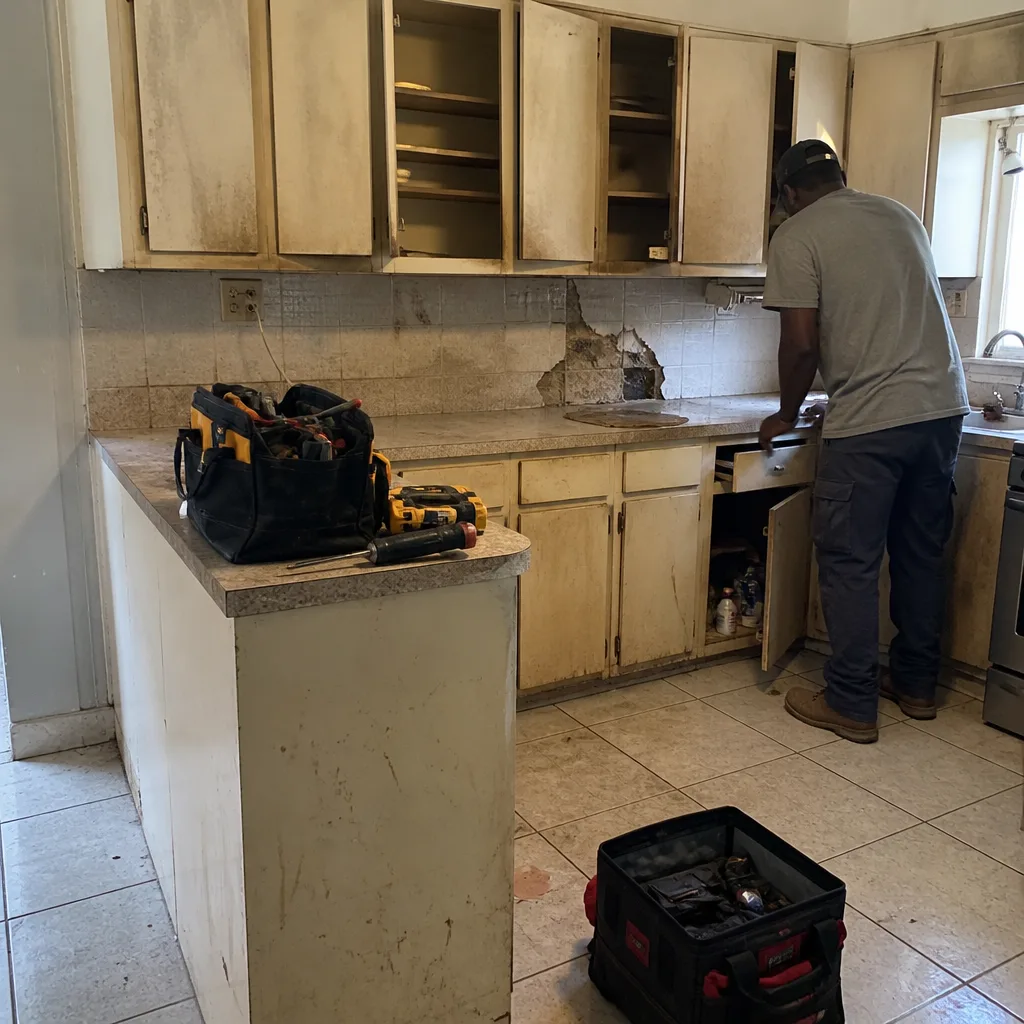 Before
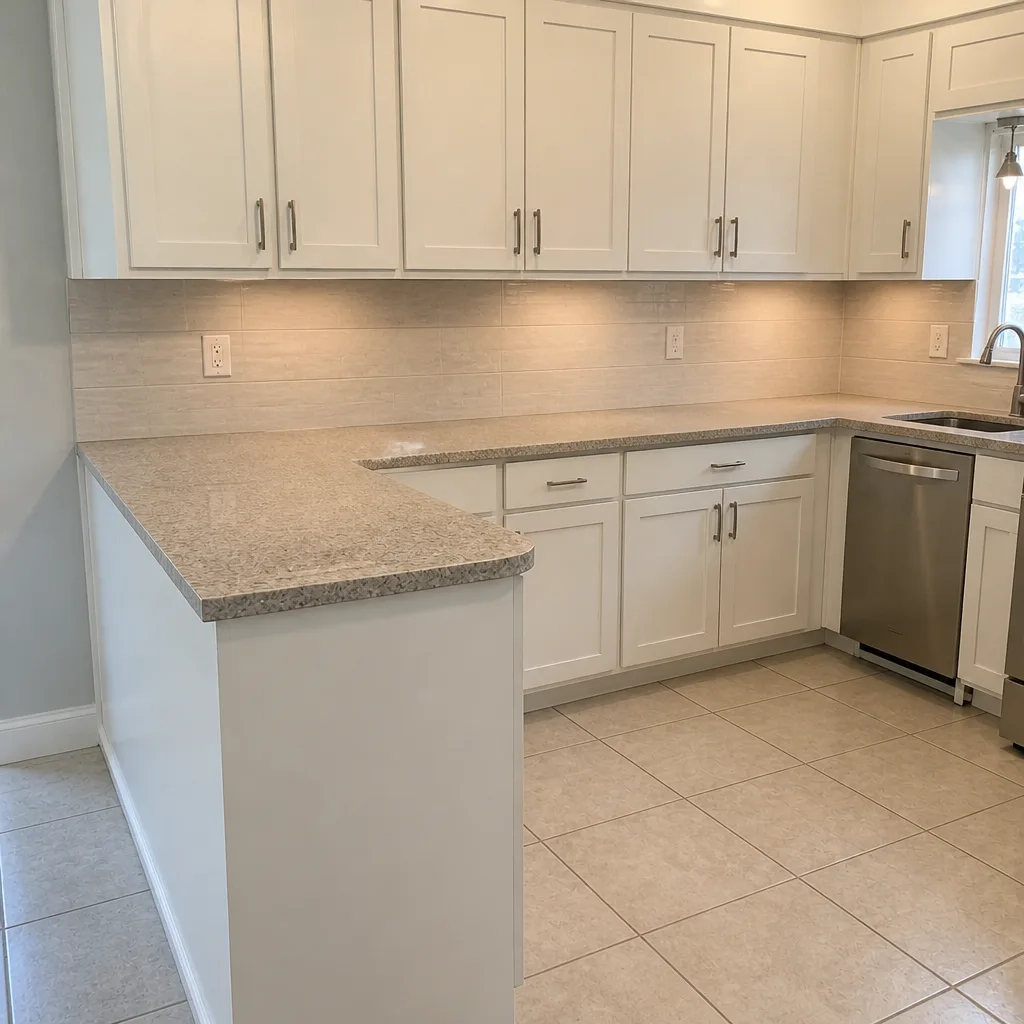 After
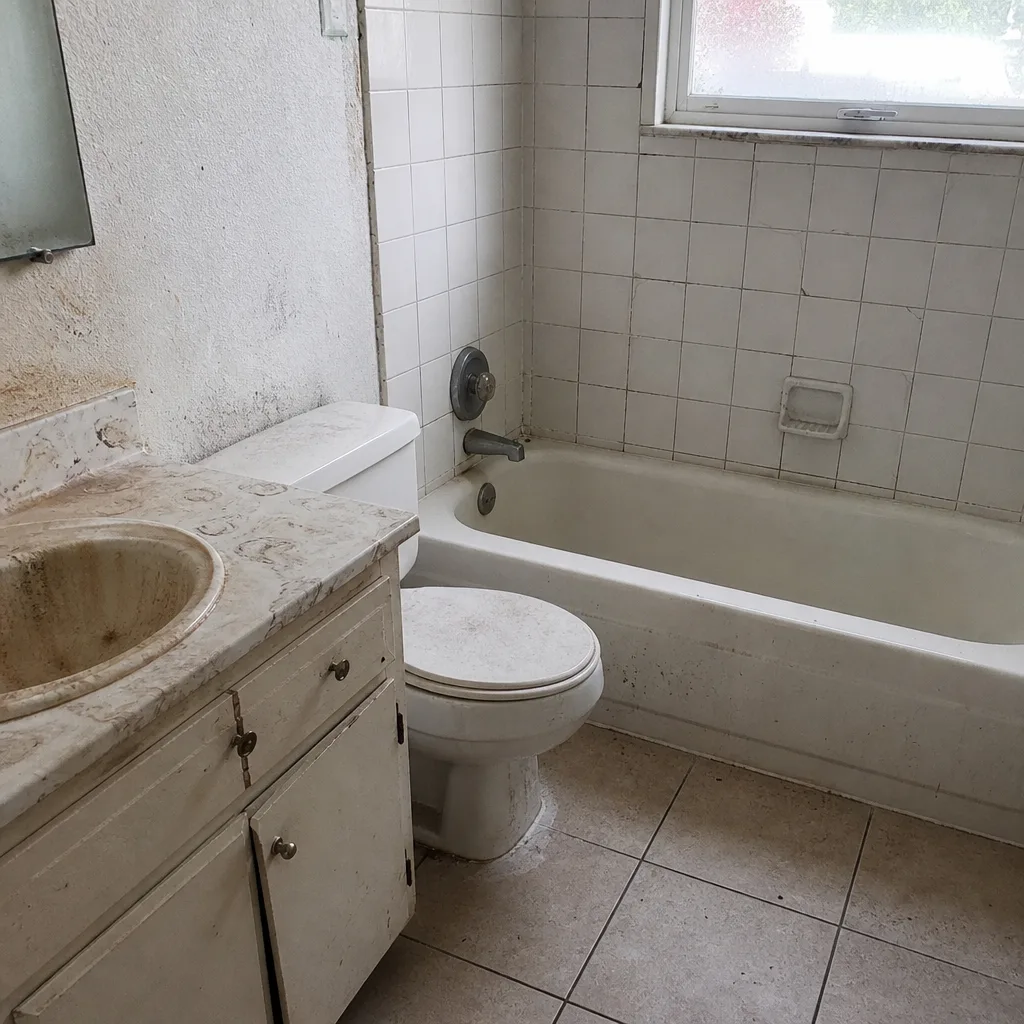 Before
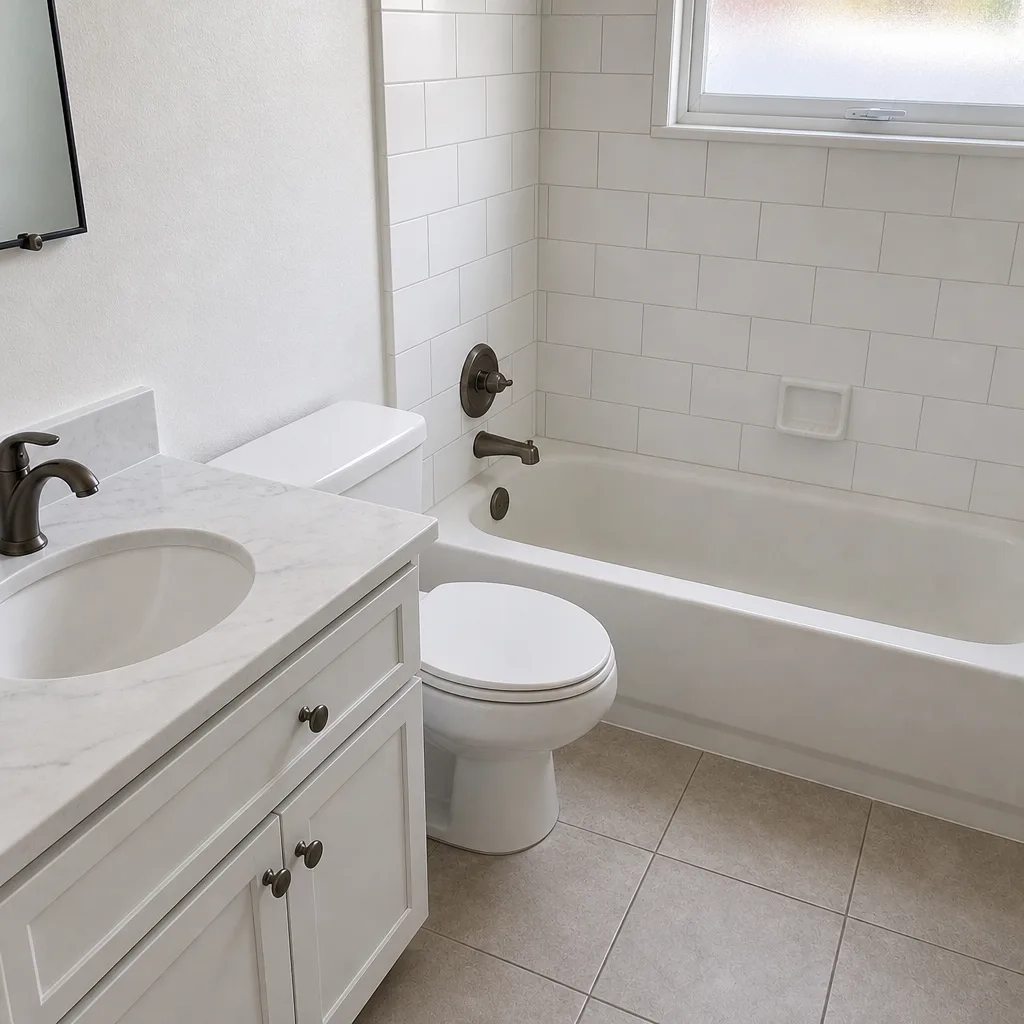 After
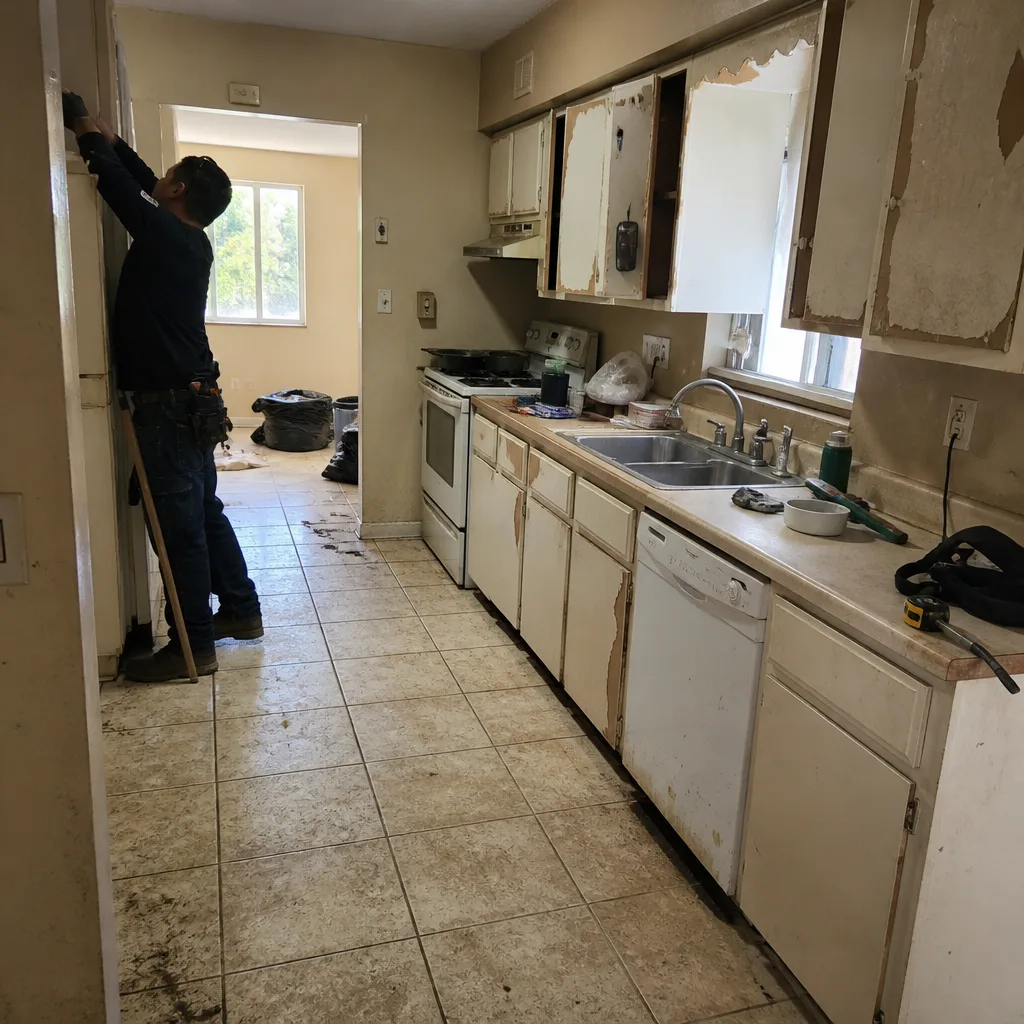 Before
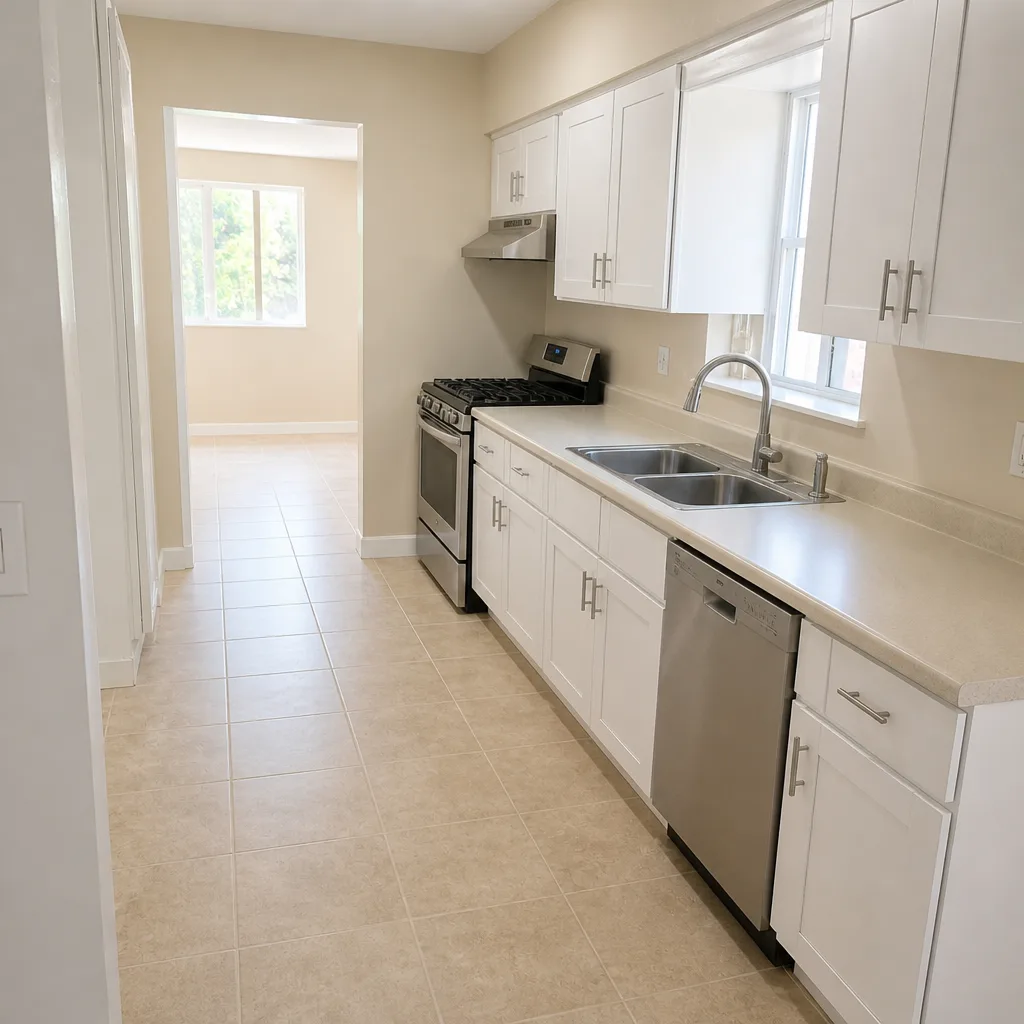 After
When to Call a Professional

Some work is fine for a licensed homeowner doing their own maintenance. But the moment a project involves structural changes, the building envelope, electrical or plumbing rough-in, gas lines, or anything that requires a permit, you’re into professional territory – and in Kendale Lakes, that’s the vast majority of meaningful home improvements. Roof replacements in an HVHZ require specific product approvals and inspection coordination. Window and door replacements have to meet wind-load ratings that don’t apply to standard installations elsewhere in the country. Kitchen and bathroom remodels that move walls or relocate plumbing almost always trigger permits. And anything that changes the footprint of the home is a code-compliance project, not a cosmetic one.
Groundwork Construction Co. of Kendale Lakes offers free estimates in Kendale Lakes – call (844) 834-8961. Our technicians have up to 12 years of experience, and every project is covered by our 730-Day Done Right Promise.
Frequently Asked Questions
Search the contractor’s name or license number on the DBPR license verification portal at myfloridalicense.com. Confirm the status reads “Active,” check the license classification covers your project type, and confirm there are no disciplinary actions on file. Call Miami-Dade County’s contractor licensing division to check for any complaints beyond what the state portal shows. Call (844) 834-8961 for a free estimate from a licensed, insured contractor – estimates are free.
A Certificate of Insurance is a document proving a policy existed when it was issued; active coverage is confirmed only by calling the carrier directly and verifying the policy is currently in force as of today’s date. The certificate doesn’t expire when the policy does, so a certificate can show coverage that lapsed months ago. Call the carrier, read them the policy number, and ask for current coverage limits and workers’ compensation status. Save the name of the representative you spoke with and the date. Call (844) 834-8961 to request a current certificate of insurance for any quoted project – estimates are free.
A reasonable deposit is 10% – 15% of the contract price at signing, with the remainder tied to completed milestones and a 10% – 15% final holdback until punch-list items are complete and lien releases are collected. Anything over one-third of the total up front is a red flag, and a 50% deposit is typically a sign of an undercapitalized contractor. Florida’s contractor payment laws give homeowners specific rights when the payment structure is documented in writing. Call (844) 834-8961 to schedule a free estimate with no deposit required – pricing is upfront and no-hassle.
Most kitchen and bathroom remodels that involve moving plumbing, electrical, or structural elements require a permit in Miami-Dade County. Purely cosmetic work – cabinet or fixture replacement without moving utilities – typically does not, but the boundaries vary by project scope and the county should be consulted on any project that touches a wall cavity. Your contractor should always pull the permit in their own name and list the permit number in the contract. Call (844) 834-8961 to discuss a project – our team handles permitting as part of the scope and estimates are free.
The main red flags are out-of-state license reliance, post-storm surge pricing, large front-loaded cash deposits, and subcontractor chains that obscure who’s actually responsible for the work. Additional flags include no verifiable business address, pressure to sign the same day, and warranty language that’s vague or verbal only. Any one of these is a reason to slow down; two or more is a reason to walk away. Call (844) 834-8961 for a free estimate from a contractor with a written 730-Day Done Right Promise.
Timelines vary widely by project type – a bathroom remodel typically runs four to six weeks, a kitchen remodel six to ten weeks, a roof replacement two to five days depending on size and weather, and a full addition or ADU three to six months including permitting. Wet season (May through October) adds one to three weeks to most exterior project timelines because afternoon storms compress working hours. Get a written start and completion date in your contract, and ask your contractor how the wet season affects their specific timeline. Call (844) 834-8961 to schedule a free design consultation and get a project-specific timeline – estimates are free.
The Bottom Line

Hiring a contractor in Kendale Lakes comes down to three verification steps most homeowners skip: confirm the Florida license through the DBPR portal, call the insurance carrier directly to verify active coverage, and require a written proposal with a milestone-based payment schedule, HVHZ-approved products, and clear warranty language. Get those three in order before you discuss price, and the contract you end up signing will protect you through every phase of the project. When the credentials are solid, the pricing is upfront, and the guarantee is in writing, you can make a confident decision instead of a hopeful one.
Groundwork Construction Co. of Kendale Lakes works under a no-hassle upfront pricing model – the number you see is the number you pay – and every project is backed by our 730-Day Done Right Promise. Our technicians have up to 12 years of experience, brand partners include KraftMaid, GAF, CertainTeed, and Belgard across our service lines, and our phone is answered by a live person 24/7. Call (844) 834-8961 to schedule your free project estimate and design consult, and we’ll walk through the scope, the timeline, and the pricing in writing before you sign anything.
Written by the team at Groundwork Construction Co. of Kendale Lakes.