Last updated November 17, 2026

Free written scope consultation - allowances, timeline, and change-order rules on paper before a single trade is scheduled
Driveway & Pavers Troubleshooting: Common Problems and How to Fix Them
That single sunken paver you keep resetting? It’s not the paver. It’s a void in the base layer, and it’s quietly growing under the rest of your driveway while you sleep. We’ve pulled up “one loose stone” in Kendale Lakes only to find eighteen inches of washed-out subgrade underneath. Here’s the uncomfortable truth most paver guides skip: the surface is almost never the problem. This guide teaches you to diagnose the root cause before you spend a dollar, using a garden hose, a straight edge, and a few hours of honest observation.
Quick Answer
Sinking, heaving, and shifting pavers are almost always caused by base failure, poor drainage, or root intrusion below the surface, not by the pavers themselves. Diagnose with a hose test and a straight edge before repairing anything, because fixing the visible stone without fixing the base underneath means you’ll do the same repair twice. Localized settling you can often reset yourself; systemic drainage and base voids need a professional assessment.
Styles & brands we work with
- Kitchen remodeling
- Bathroom remodeling
- Home additions & ADU
- Roofing
- Windows & doors
- Driveway & pavers
- Fence
Table of Contents
- How to Diagnose a Paver Problem Before You Spend a Dollar
- Localized Base Failure vs. Systemic Drainage: Telling Them Apart
- Why Pavers Sink and How to Re-Level Them Safely
- Efflorescence: What White Staining Really Tells You
- Tree Root Intrusion vs. Soil Settling: Reading the Pattern
- Which Problems You Can Monitor and Which Ones Accelerate
- Joint Sand, Edge Restraints, and the Failures Nobody Notices
- Kendale Lakes Conditions That Stress Pavers Year-Round
How to Diagnose a Paver Problem Before You Spend a Dollar
Before you buy a bag of sand or call anyone, run two tests. They cost nothing and they tell you more than any contractor’s walkthrough will.
The hose test. Set a garden hose on a low flow at the high point of the affected area and let it run for 15 to 20 minutes. Watch where the water goes. If it pools in the low spot and sits there, you have a grading or drainage problem. If it disappears fast into a joint or a crack, you have a base void pulling water down like a drain. If it sheets off toward the street the way it should, the surface is doing its job and the problem is likely isolated to the base layer. In Kendale Lakes, where our flat lots and high water table leave little room for error, that pooling behavior shows up fast.
The straight edge test. Lay a 4-foot level or any straight board across the affected area and note where the gap is. A dip of a quarter inch or less is cosmetic. Anything over half an inch, or a dip that’s concentrated in one spot against otherwise flat neighbors, points to a void underneath.
Run both tests and you’ll know in under an hour whether you’re dealing with a surface nuisance or something structural. That single step saves homeowners thousands in repeated repairs every year in Kendale Lakes.
Localized Base Failure vs. Systemic Drainage: Telling Them Apart
These two problems look almost identical from six feet up, and they have completely different fixes. Confusing them is the most expensive mistake in paver repair.
A localized base failure is one spot where the compacted base layer settled unevenly, typically from a buried soft pocket or a single poorly compacted lift during installation. The signs:
- One or two pavers dipping while their immediate neighbors stay flat.
- The hose test shows water draining normally across most of the driveway.
- The dip doesn’t grow noticeably from one month to the next.
- No telltale runoff patterns or ponding at the driveway edges.
A systemic drainage issue is water going where it shouldn’t, and it will keep ruining pavers no matter how many times you reset them. The signs:
- A broad low area, sometimes several pavers wide, that seems to spread over time.
- Ponding after rain that lingers more than 24 hours.
- Efflorescence recurring across the same zone after every wet season.
- Joint sand washing out repeatedly in the same direction.
If a hose test tells you water is pooling or running toward the house or a low corner, you have a drainage problem. Resetting a paver there is throwing money at a symptom. Our experience in Kendale Lakes is that drainage-driven failures are far more common than simple settling because of our intense summer rain and flat coastal lot grading. The driveway and paver installation services we handle start with flow-line assessment for exactly this reason: if the water can’t leave, the pavers won’t stay put.
Why Pavers Sink and How to Re-Level Them Safely
Pavers don’t actually sink. The base underneath them compresses, washes out, or settles, and the paver follows. Understanding that distinction is what makes the repair stick.
The base holds the weight. When the base fails, it fails in one of three ways:
- Insufficient compaction during install – the base was never packed tight enough and compressed slowly under traffic.
- Water intrusion – runoff reaches the base, softens it, and the pavers drop in.
- Biological activity – roots, insects, or organic material create voids or shifting pressure.
If you’ve diagnosed a localized single-paver dip, you can reset it yourself. Here’s how:
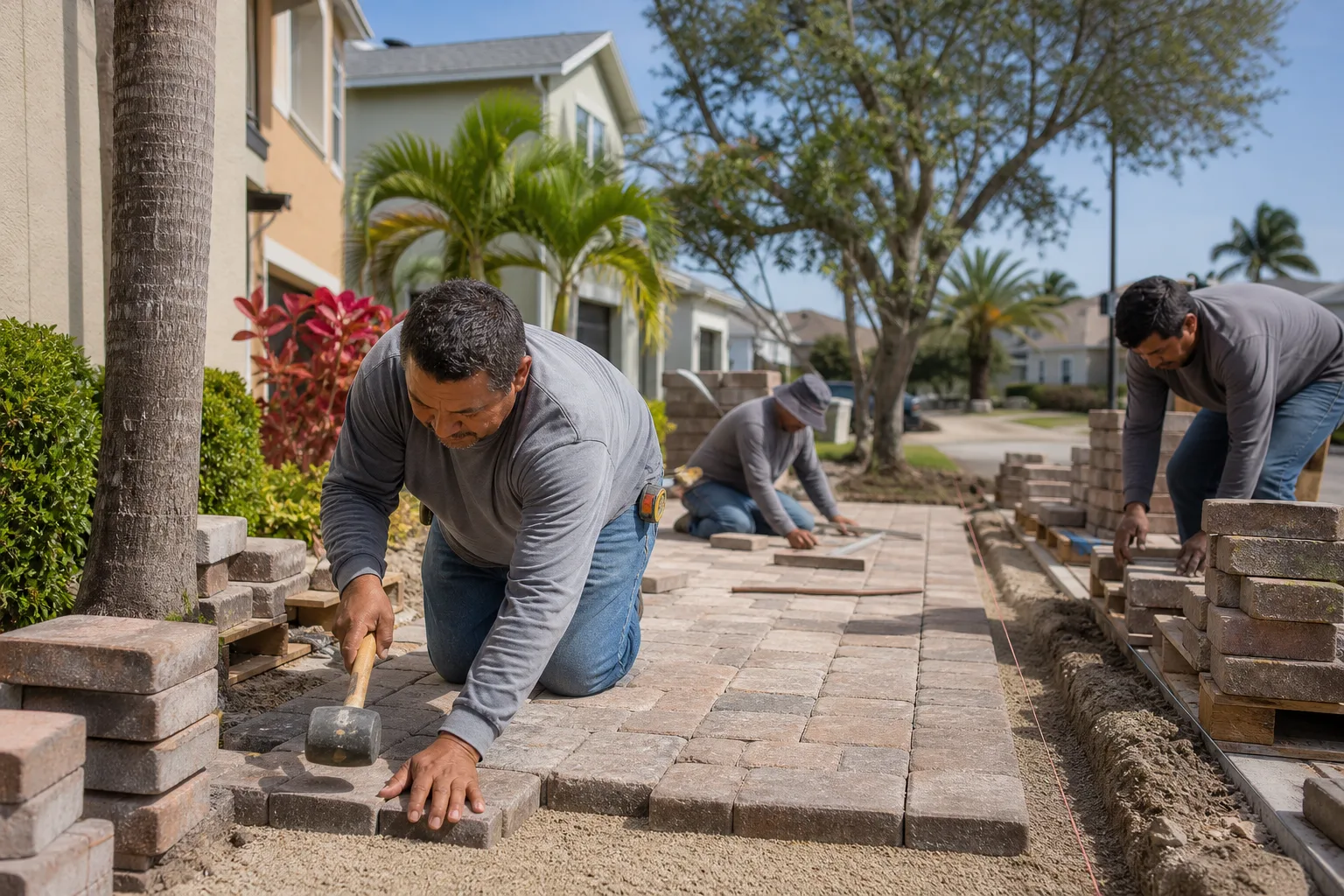
- Use two flat pry bars or a paver puller to lift the affected paver straight up, working slowly so you don’t chip the edges.
- Scoop out the loose bedding sand and any soft base material underneath until you reach firm, stable soil or compacted base.
- Refill with a proper compacting base material (not topsoil), then compact it in 1-inch lifts with a hand tamper until it’s firm.
- Add a thin layer of bedding sand, set the paver back, and tap it flush with a rubber mallet against a straight edge.
- Re-sweep joint sand into the seams and mist lightly.
If the void keeps reappearing after two resets, or if more than a few pavers are affected, stop. The base needs to be rebuilt, not patched, and that’s a full-section repair.
Efflorescence: What White Staining Really Tells You
Efflorescence is that chalky white haze that shows up on pavers, especially after a wet stretch or a cool morning. It looks cosmetic. It isn’t. Efflorescence is a moisture signal: water is moving through the paver body and carrying dissolved salts to the surface, where they dry and leave a crust.
That matters because it tells you where water is going. A pavers install that’s draining correctly will still show light, occasional efflorescence from normal moisture movement, and it usually brushes off. What you’re watching for is efflorescence that comes back in the same spot after every rain, or that concentrates along a specific line or zone. That’s the paver body telling you water is getting in where it shouldn’t.
The sealer connection is where it gets interesting. A quality penetrating sealer blocks most water movement into the paver. If efflorescence appears on a sealed paver, either the sealer has worn through in that zone, or moisture is entering from underneath and being pushed up through the paver. The second case is a base drainage problem you can’t seal your way out of.
In Kendale Lakes, we see recurring efflorescence most often on driveways where a low corner collects water against the home’s footprint. Treating the efflorescence with an acidic cleaner without fixing the drainage just makes it come back faster. The full driveway and paver service pipeline includes proper sealer application, but the only way sealer does its job is on a paver that isn’t wet from underneath.
Tree Root Intrusion vs. Soil Settling: Reading the Pattern
Tree roots and soil settling both shift pavers, but they leave completely different signatures. Get this diagnosis right, because the fixes are not interchangeable.
Root intrusion looks like displacement. The pavers don’t drop; they lift or tilt. Root pressure from below pushes them up unevenly, and the pattern tends to radiate outward from the tree, sometimes in a straight track where a shallow lateral root runs under the driveway. You’ll often see joint sand pushed up or out at the seams near the affected zone. In older Kendale Lakes neighborhoods where mature trees sit close to driveways, this pattern shows up regularly.
Soil settling looks like depression. The pavers drop in a low pocket, often in a broad dish shape or a shallow bowl. The pattern is often near the driveway edges, over utility trenches, or wherever the base underneath was less compacted than the rest. There’s no push-up on the joints; the sand just disappears.
To tell them apart, run your hand along the seams. If sand is being pushed up and the pavers tilt toward the tree, you’re looking at roots. If sand is disappearing down the joints and pavers are sitting in a dish, it’s settling.
The fix differs entirely. Root issues often require root pruning (carefully, sometimes with an arborist involved) or a root barrier before the pavers can be reset, plus a reassessment of the surrounding base. Settling issues need base rebuilding and proper compaction. If you reset pavers without addressing the root, the root pushes them right back up within a season.
Which Problems You Can Monitor and Which Ones Accelerate
Not every paver problem is an emergency. Some are cosmetic and can be watched for a year. Others get worse on a predictable curve that makes waiting expensive. Here’s the decision framework we use.
Monitor, don’t repair (yet):
- A single paver slightly lower than its neighbors, holding steady across months.
- Light, occasional efflorescence that brushes away and doesn’t return in the same spot.
- Minor color fading or surface wear on older pavers.
- Small chips at driveway edges where tires cross.
Repair soon (weeks, not months):
- Two or more adjacent pavers dipping in one area.
- Displaced pavers from root pressure, before the root keeps growing.
- Joint sand washing out repeatedly in one zone.
- Efflorescence that returns quickly after moisture.
Call a professional now:
- Any dip deeper than half an inch across more than three pavers.
- Water pooling against the home’s foundation or footing.
- Pavers tilting so joints open more than a quarter inch.
- Edge restraint lifting or pavers shifting off the driveway boundary.
In Kendale Lakes, the acceleration is seasonal. Problems that would take a year to worsen in a cooler climate can move much faster here during the wet season, especially if the driveway already has drainage issues. If your driveway sees ponding after storms, treat it as urgent, not cosmetic.
Joint Sand, Edge Restraints, and the Failures Nobody Notices
The pavers get all the attention. The failures that cause the most expensive damage happen at the joints and edges.
Joint sand is the pavers’ first defense against water. It locks the pavers together and slows water entering the base. When joint sand washes out, pavers start to move independently, which widens joints, which lets more sand out, which lets more water in. On a slope or near a low corner, joint sand can wash out in a single heavy summer in Kendale Lakes. If you can push a screwdriver blade deep into most joints, you’re overdue for sand replenishment.
Edge restraints hold the paver field together from the outside. On an un-restrained edge, pavers creep outward, joints open, and the whole field starts to loosen. Check the perimeter: if any edge restraint has lifted, cracked, or pulled away from the pavers, that needs attention before you re-sand.
These two repairs are usually the cheapest work in paver maintenance and the highest-leverage. A $200 re-sand job on a healthy driveway delays a $6,000 base rebuild for years. Skipping it for a season or two on a stressed driveway in Kendale Lakes can flip it the other way.
Fence and hardscape elements near the driveway matter here too, since a failing fence post can create a slow water path toward pavers. If you’ve got aging fencing adjacent to your driveway, our fence installation services in Kendale Lakes cover that adjacent-zone hardening as part of a broader exterior refresh.
Kendale Lakes Conditions That Stress Pavers Year-Round
Most paver troubleshooting guides are written for climate-neutral conditions. Kendale Lakes is not climate-neutral. Our pavers live under specific stressors that change both the failure patterns and the repair schedule.
Summer wet season. South Florida’s rainy season runs from roughly May through October, and it delivers intense short bursts that overwhelm flat-lot drainage in minutes. Driveways that drain fine in the dry season can pond during a single afternoon storm. That’s why any paver problem in Kendale Lakes gets a drainage assessment before a surface diagnosis.
High water table and flat lots. Kendale Lakes lot grading tends to be flat with limited fall to the street. When the water table rises, base layers saturate faster, and saturated base is weak base. Pavers over a saturated base fail in a predictable pattern: the lowest spot sits in water, softening soil beneath, until the pavers drop.
Mature tree canopy. The dense canopy in established Kendale Lakes neighborhoods means roots and shade. Roots push pavers up, shade keeps moisture from drying out, and moss or algae creep into the joints. If your driveway is edged by old oaks or palms, expect root pressure eventually.
Sun and UV. Pavers fade and sealers break down faster in our UV load. A penetrating sealer that would last five years in a cooler climate might need refresh in two to four here.
We handle hardscape work across our full construction scope, and paver failures in Kendale Lakes almost always tie back to one of these local factors. If you’re also planning walls, patios, or a paved path, our home additions and ADU work in Kendale Lakes routinely folds in hardscape coordination so the drainage design flows across the whole property instead of just the driveway.
Common Mistakes to Avoid
- Resetting a paver without fixing the base. If you tap a paver back into place on soft ground, it will sink again within a wet season. Address the base material or it’s a temporary patch.
- Assuming efflorescence is just cosmetic. Chalky white staining is moisture movement. Treating it with cleaner and no drainage fix means it comes back faster every time in Kendale Lakes humidity.
- Skipping joint sand for a season. Joint sand is your pavers’ lock and drain at once. When it’s gone, pavers separate, water enters, and the base softens. Re-sand before you see damage.
- Sealing a wet or unfixed driveway. Sealer on a saturated base or active efflorescence traps moisture and makes the problem worse. Seal only after any water intrusion is resolved.
- Removing roots without a plan. Cutting a major root to fix pavers can destabilize a mature tree. Root work near a structural tree often needs an arborist assessment first.
- Ignoring edge restraint failures. A lifted edge restraint lets the whole paver field creep. Fix the edges before re-sanding or you’re re-sanding a moving target.
- Confusing a cosmetic chip for a structural failure. Chipped corners and faded color are cosmetic. Dips, tilts, and repeated efflorescence are not.
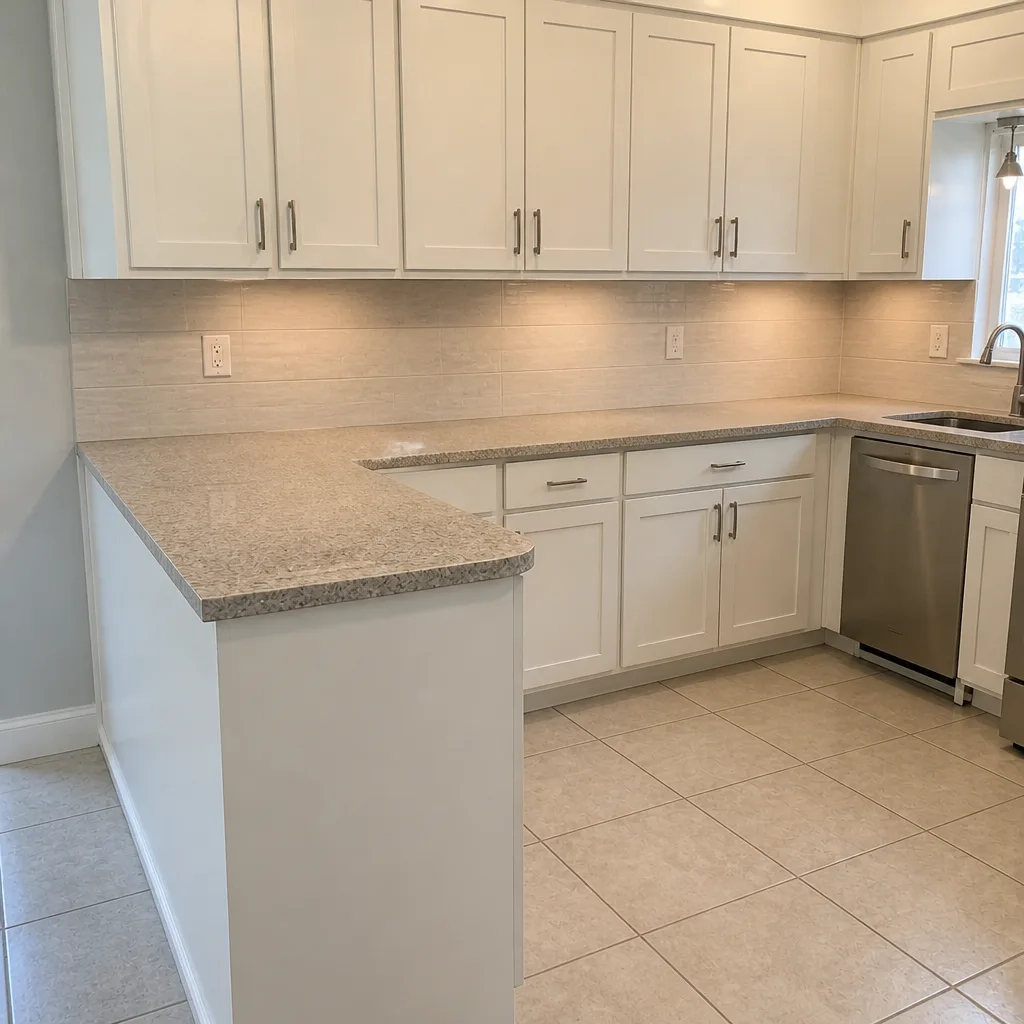
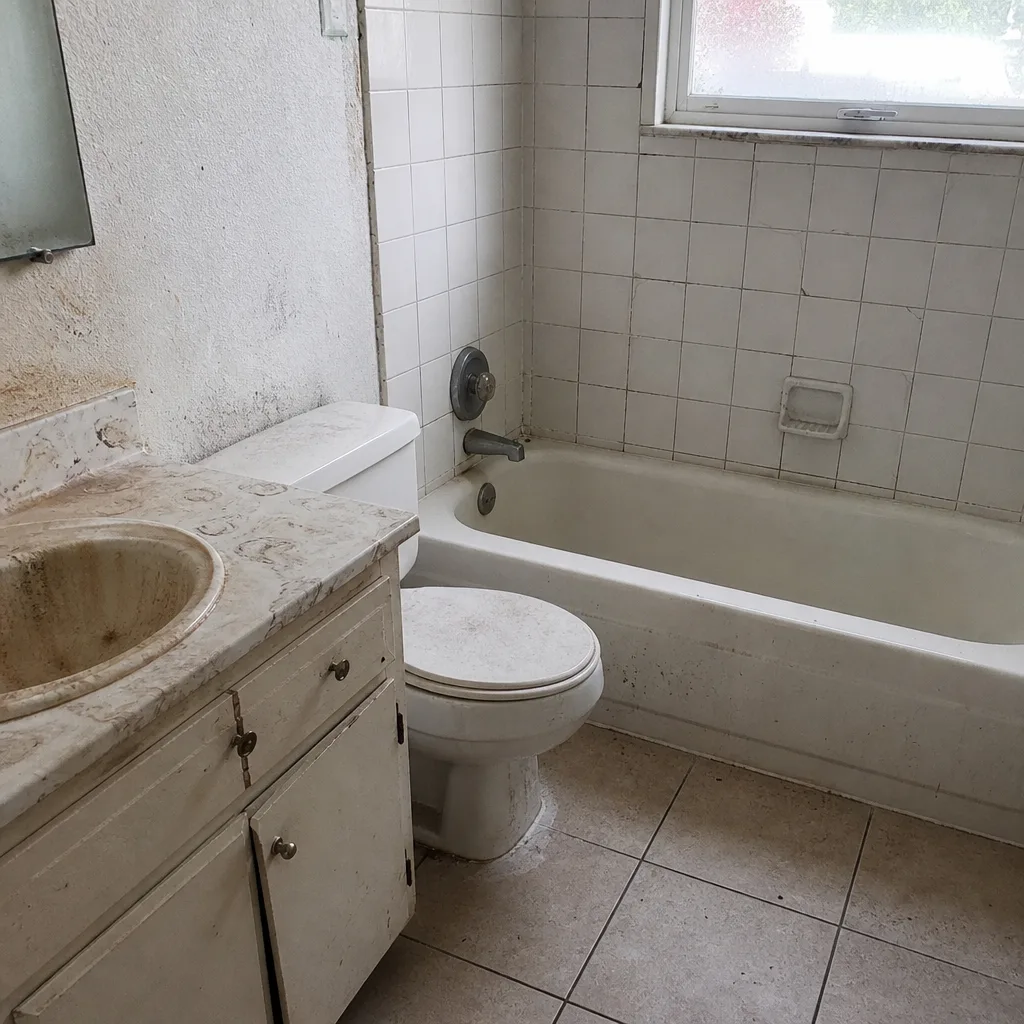
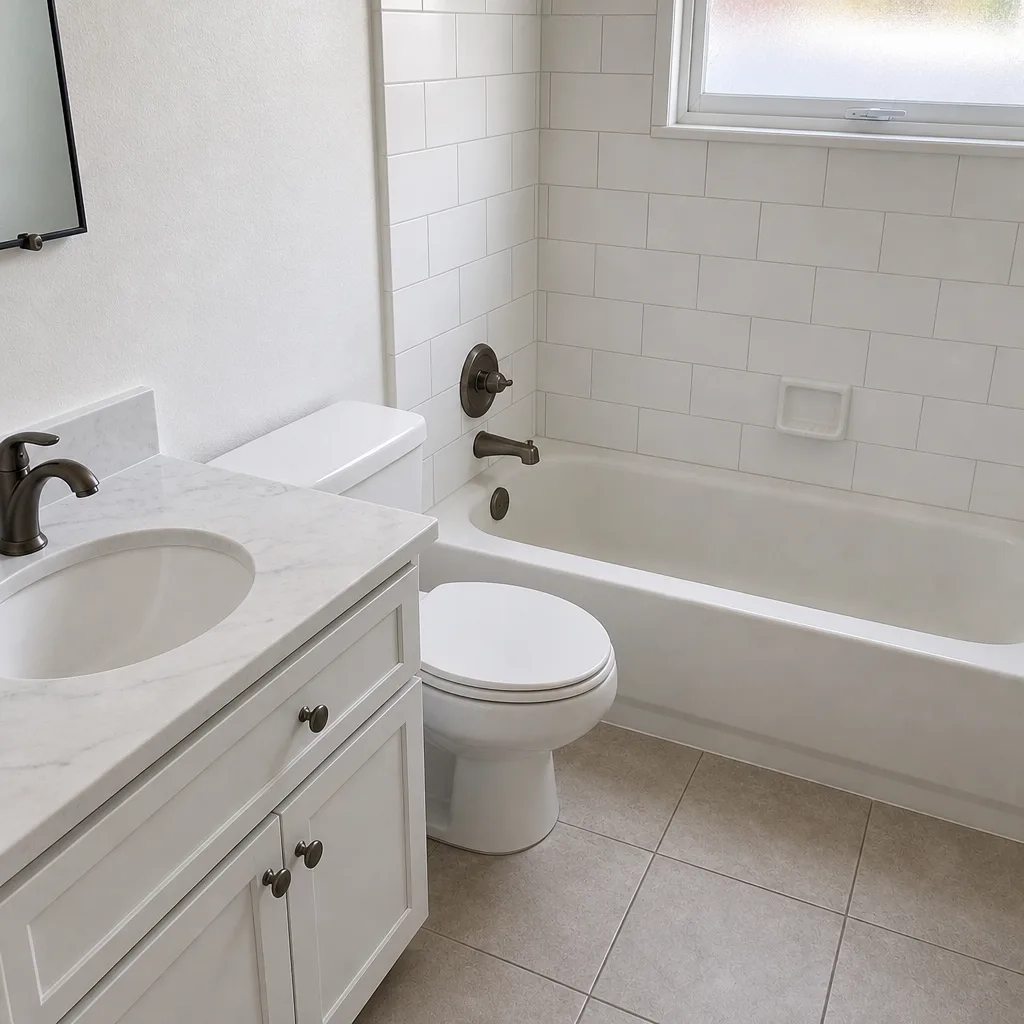
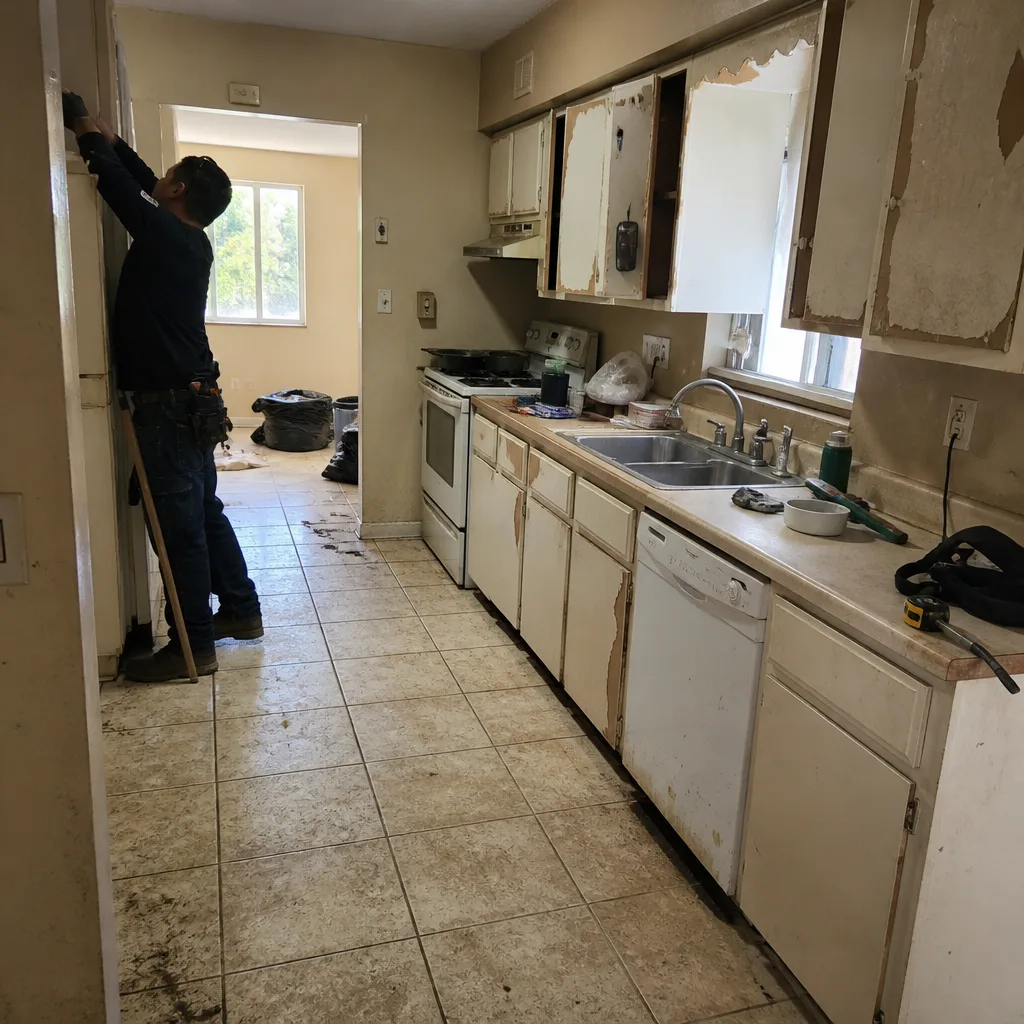
See the difference
 Before
 After
 Before
 After
 Before
 After
When to Call a Professional
Call a professional when the straight edge shows more than a half-inch dip across multiple pavers, when water pools against the home’s foundation, when a paver field has shifted visibly off its edge restraints, or when efflorescence returns after every rain. Call when the same paver has sunk three times after you’ve reset it. Call when a mature tree root runs under the driveway and you need a real fix and not just a surface reset. Call when a contractor’s workmanship warranty is still in force and you’d rather use it than void it. Groundwork Construction Co. of Kendale Lakes offers free estimates in Kendale Lakes with line-item pricing, no change orders, and every project backed by the 730-Day Done Right Promise. Call (844) 834-8961 to schedule.
Frequently Asked Questions
Because the base underneath is failing, not the paver. Every time you reset it on soft ground, the void returns and the paver drops again. Pull the paver out, remove soft or loose base material until you hit firm compacted ground, and rebuild in 1-inch lifts with proper compaction. If it sinks a third time, the base needs a full-section rebuild, not another patch.
Sometimes it’s minor and brushes away with no return, but any efflorescence that comes back after every rain is a moisture signal. It tells you water is moving through the paver and the sealer isn’t blocking it. If it keeps returning in one zone, there’s a drainage or base issue pulling water in, and cleaner alone won’t fix it.
Roots push pavers up and tilt them, and they often push joint sand up at the seams. Settling drops pavers into a dish shape and pulls joint sand down through the joints. Run your hand along the seams near the tree: pushed-up sand and tilted pavers point to roots; missing sand and a low dip point to settling. The fixes are different, so this diagnosis matters.
Re-sanding a typical residential driveway runs in the low hundreds. Resetting a handful of localized pavers runs a bit more. A localized base rebuild or a drainage correction runs into the low four figures depending on square footage and drainage scope. A full driveway rebuild is a larger project. Call (844) 834-8961 for an exact quote, and we’ll give you line-item pricing before any work begins.
You can, but the timing matters more than the product. Seal only when pavers are fully dry, no efflorescence is active, and drainage is fixed. Sealing over moisture traps water and accelerates efflorescence. A penetrating sealer done incorrectly in Kendale Lakes heat and humidity can leave cloudy patches that are hard to reverse.
It’s our workmanship guarantee. If something we installed fails because of how we installed it, we make it right for 730 days from project completion. That covers workmanship, not damage from outside causes like tree root growth or storm flooding. Every project we do, paver repairs included, carries it. Call (844) 834-8961 for details on your specific project.
The Bottom Line
The finish of your driveway is a symptom; the base is the diagnosis. If you walk away remembering one thing from this guide, make it this: fix the cause, not the paver. Use the hose test and straight edge before you spend anything, learn the difference between a localized dip and a systemic drainage failure, and treat recurring efflorescence and joint sand washout as active signals rather than annoyances. Localized cosmetic issues can be monitored. Anything that’s growing, tilting, or pooling needs professional help sooner than later. In Kendale Lakes, the wet season accelerates every problem you leave alone.
When you’re ready to stop resetting that one paver and fix it for good, Groundwork Construction Co. of Kendale Lakes is the call. Our technicians bring up to 12 years of experience, background-checked and uniformed on every job, and we price it line-by-line before we lift a single stone. We’ve built our reputation on Groundwork Construction Co.’s full-scope home construction work in Kendale Lakes and we’ve been at it since 2014. We stock material brand partnerships across our trades so you’re choosing quality, not just availability. Every project is covered by the 730-Day Done Right Promise, from foundation to finish line. Call (844) 834-8961 for a free estimate, and we answer the phone live, 24/7, whenever you’re ready to talk. Proudly serving local communities, built to last and backed in writing.
Written by the team at Groundwork Construction Co. of Kendale Lakes.