Last updated November 17, 2026
Free written scope consultation - allowances, timeline, and change-order rules on paper before a single trade is scheduled
Fence Installation Maintenance Schedule: What to Do and When
Wood fences in South Florida that go three years without maintenance don’t just look worse. They lose up to 40% of their structural resistance to wind load, and that matters in a place where storms are a matter of when, not if. Salt air eats fasteners, UV radiation bleaches and dries out cedar and pine, and humidity keeps wood wet long enough for rot to set in at the post base. A schedule written for Ohio won’t keep a fence standing in Kendale Lakes. This guide gives you the month-by-month calendar we use on our own installs, from the June hurricane inspection to the three-year fastener check most homeowners skip entirely.
Quick Answer
A South Florida wood fence needs cleaning and inspection twice a year, a fresh sealant coat every 18 to 24 months, and a full fastener torque check every three years. Aluminum and vinyl need a rinse two or three times a year and almost nothing else. Pre-hurricane season inspection happens in June; post-storm damage assessment happens within 72 hours of any named storm.
Styles & brands we work with
- Kitchen remodeling
- Bathroom remodeling
- Home additions & ADU
- Roofing
- Windows & doors
- Driveway & pavers
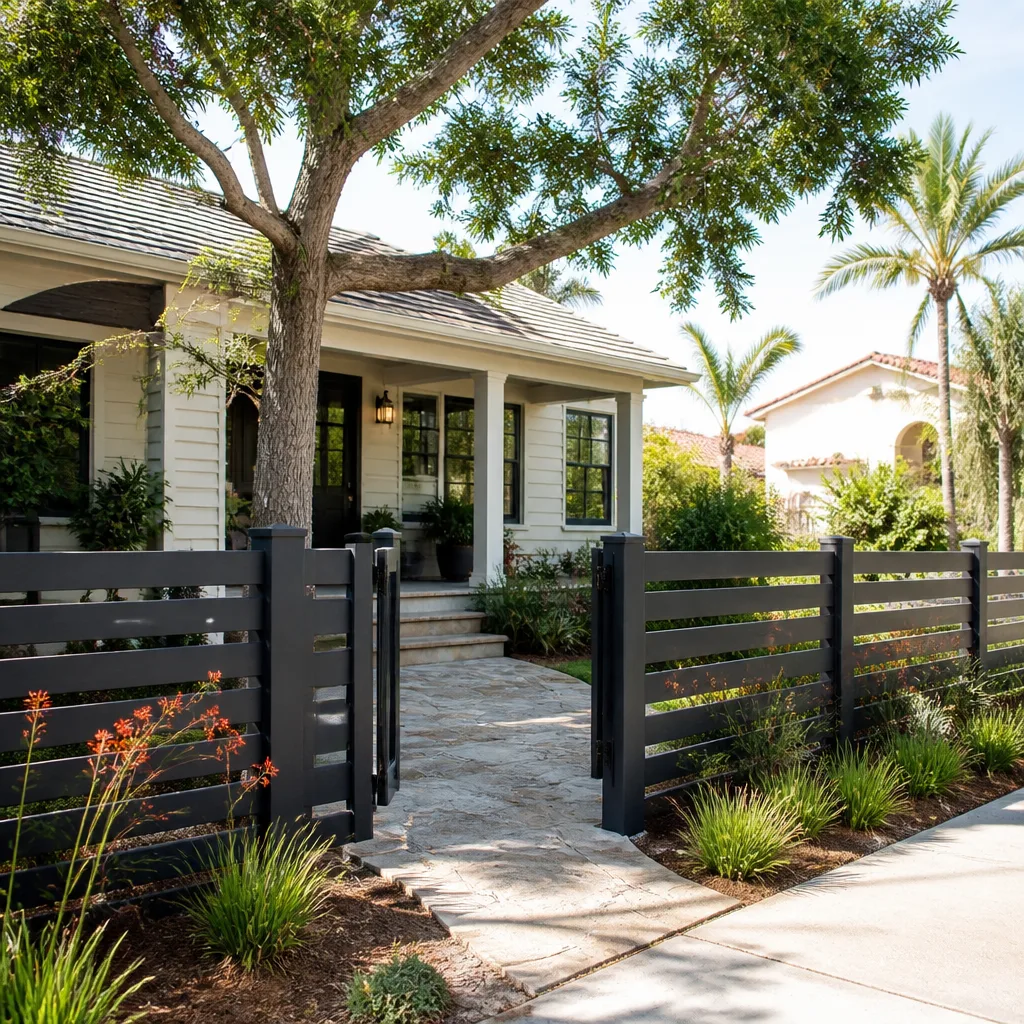
- Fence
Table of Contents
- Why a South Florida Fence Ages Differently
- The Annual Fence Maintenance Schedule
- June Pre-Hurricane Inspection: The Full Checklist
- Post-Storm Damage Assessment Protocol
- Wood Fence Treatment: Cleaning, Drying, Sealing
- Aluminum and Vinyl: What’s Real and What’s Upsell
- The 3-Year Fastener Inspection
- What a Full Maintenance Cycle Costs
Why a South Florida Fence Ages Differently
Three forces work on a fence in Kendale Lakes that don’t work in most of the country: salt-laden air moving in from the coast, UV radiation that runs close to 12 months a year instead of five, and a wet season that dumps five to seven inches of rain in a single month on a regular basis. Add hurricane exposure rated at 150 mph-plus in the current Florida Building Code wind maps and you have a fence that’s under more stress per year than a fence in the Midwest sees in five.
Salt air is the sneaky one. When sodium chloride settles on galvanized fasteners and zinc coatings, it breaks down the protective layer faster than plain humidity ever would. A standard hot-dip galvanized nail that lasts 20 years inland can show corrosion in Kendale Lakes in eight to ten. Stainless steel fasteners cost more up front and pay for themselves on the first replacement cycle.
UV radiation hits wood fibers the way a sunburn hits skin. It breaks down the lignin that holds fibers together, which is why an untreated cedar fence turns silver and starts raising splinters within 18 months. Sealant is not a cosmetic upgrade here. It’s structural protection.
Humidity does the rest. When the air stays at 75% relative humidity for weeks at a time, wood that gets wet stays wet. Post bases, dog-eared tops, and the bottom edge of every picket are the rot zones. In our experience across Kendale Lakes and the surrounding Kendall neighborhoods, the post base is where we find the first real structural failure on 9 out of 10 aging fences.
How local exposure breaks down
- Salt air: accelerates corrosion on fasteners, hinges, latches, and gate hardware. Worse closer to Biscayne Bay and the coast, still significant in Kendale Lakes.
- UV radiation: dries and bleaches wood, degrades paint and stain films, chalks vinyl surface over time.
- Rain and humidity: keeps wood at moisture content above 20% during the wet season, the threshold where fungal decay takes hold.
- Wind and storm surge: puts load on posts, panels, hinges, and latches. Every loose fastener is a weak point when 100 mph gusts hit.
The Annual Fence Maintenance Schedule
Here’s the calendar we recommend to every homeowner after a fence installation in Kendale Lakes. You can print it and stick it on the garage fridge. The whole schedule takes roughly six to eight hours of hands-on work spread across a year, or a fraction of that if you bring us in for the annual service walkthrough.
Quarterly: what to do every three months
- Walk the fence line with a flashlight. Look for loose pickets, popped nails, rust streaks, or green algae on north-facing panels. Five minutes.
- Test the gate. Open and close it ten times. Listen for scraping. A gate that catches on the ground means the hinge or the post has shifted.
- Check the base of every post. Push each one hard with your hip. Movement of more than half an inch is a warning sign. Soft soil around a post means water is pooling.
- Clear vegetation from the fence line. Vines, bougainvillea, and ficus hedges hold moisture against wood and give mowers a reason to touch your fence.
Twice yearly (spring and fall): deeper inspection
- Rinse the full fence with a garden hose and a soft brush. No pressure washer on wood unless you know the PSI.
- Check for cracked or splitting boards, especially on south- and west-facing panels.
- Look for termite tubes, mud trails, or frass on wood. Subterranean termites are active year-round in Kendale Lakes.
- Torque-test the gate hinges and latch with a screwdriver.
- Re-tighten any bolts on post-to-rail brackets.
Every 18 to 24 months: sealant refresh
Wood in South Florida needs a fresh penetrating sealant or a maintenance coat of stain every 18 to 24 months. Skip it and you’ll shorten the life of the wood by five to seven years. We cover the full sequence in Wood Fence Treatment below.
Every 3 years: fastener inspection
This is the single most skipped item on any fence maintenance schedule in South Florida. The 3-year fastener inspection catches corroding nails and screws before the panel fails. See the full protocol here.
June Pre-Hurricane Inspection: The Full Checklist
June 1 is the start of hurricane season in Florida. If you’re not walking your fence line in the last two weeks of May, you’re trusting luck. A fence that passes a June inspection has a meaningfully better chance of staying up through a 100 mph gust event. Our pre-hurricane walkthrough on a typical Kendale Lakes property takes about 90 minutes and covers five specific checkpoints.
The June hurricane-readiness checklist
- Post stability test. Push every post side to side with your hand. Zero movement is the goal. If a post moves, dig down 6 inches next to it and check for soft soil or rot at the base. A wobbly post is a panel that goes airborne.
- Hardware torque test. Every hinge screw, latch plate, and post-to-rail bolt gets a screwdriver or socket check. Replace any screw that’s loose in its hole by filling with a golf tee or a wood dowel and a dab of exterior glue. Rusted hardware comes out now, not in October.
- Gate latch and hinge function. A gate that swings freely on a calm day may rack itself to pieces in a 60 mph wind. The latch should catch on the first try every time. Hinges should have no vertical play. Grease the hinge pins with a marine-grade lubricant.
- Panel integrity rating. Walk the line and push gently on the center of each panel. More than 1 inch of flex on a 6-foot panel means the rails are loose or the pickets have failed at the fasteners. Every cracked picket, every splitting board, gets replaced before June 1.
- Ground and drainage review. Soil should slope away from the fence base, not toward it. Standing water softens post soil and speeds wood rot. Most failed fences we inspect in Kendale Lakes fail the drainage test before they fail the wind test.
If you install a new fence in May or June, the installation itself sets your storm baseline. A properly set post goes below the frost line (yes, in South Florida it’s shallow, but post depth still matters for uplift resistance) and into a concrete collar sized to the wind rating. If you’re planning installation this year, our team can walk you through Groundwork Construction Co. of Kendale Lakes home and pull up the material options we work with.
Post-Storm Damage Assessment Protocol
Within 72 hours of any named storm, do a formal damage assessment. Do this before you touch anything and before you call your insurance company. The photos you take on day one are the photos the adjuster uses on day thirty.
What to document for insurance
- Full fence line, wide shots. Stand at each corner and shoot a wide-angle photo of the fence in its context. Show the street, your house number, and the fence line together.
- Every damaged panel, close up. Shoot each broken picket, leaning post, or detached rail from two angles.
- Video walkthrough with narration. Walk the line slowly, state what you see on camera. “Here’s the northeast corner, the post has lifted 4 inches out of the concrete.”
- Date and time stamp. Most phones do this automatically. Confirm it’s on.
- Neighbor context. A wide shot that shows adjacent fences helps adjusters see whether damage is isolated to your property or a neighborhood-wide event.
Repair immediately vs. repair after the storm season
Three categories. Fix now, fix soon, and monitor.
Fix immediately: any post lifted or tilted more than 15 degrees, any panel hanging loose against the fence line, broken gates, and anything creating a hazard for kids, pets, or vehicles. These are jobs that can be safely stabilized in a few hours with temporary bracing and replacement hardware.
Fix within 30 days: cracked pickets where the rail is intact, single-point fastener failures, gate alignment issues, and any fence leaning into your neighbor’s yard. These are not urgent, but they’ll worsen quickly in the wet season.
Monitor: cosmetic surface damage, minor paint loss, small hairline cracks in concrete footings. Log it, photograph it, and bundle it into the next scheduled maintenance cycle rather than paying for a service call.
Wood Fence Treatment: Cleaning, Drying, Sealing
A wood fence in Kendale Lakes does not get the same treatment as a fence in Georgia or the Carolinas. Three details matter more here: the cleaning sequence, the drying window, and the timing of the sealant application. Get any of these wrong and the sealant fails inside 12 months.
Step 1: Clean (not pressure wash)
Rinse the fence with a garden hose, then scrub with a soft-bristle brush and a wood-safe cleaner. Diluted oxygen bleach (sodium percarbonate) is the standard. It kills mildew and lifts dirt without stripping fibers the way a pressure washer at high PSI would. If you use a pressure washer, keep it under 1,200 PSI, keep the nozzle moving, and never hold it in one spot. Aggressive pressure washing opens the grain and drives water into the wood, which defeats the purpose.
Step 2: Dry for the right number of days
In South Florida humidity, this is where 80% of DIY sealant jobs fail. Wood needs to read 15% or lower on a moisture meter before sealant goes on. In Kendale Lakes that means:
- Dry season (November through April): 3 to 5 days of sun before sealing.
- Wet season (May through October): 7 to 14 days, and check with a moisture meter. Sky humidity alone can keep wood above 15% for weeks.
- After a storm: minimum 10 days.
Sealing wet wood traps moisture inside. Trapped moisture rots wood. The single most common failure we see on homeowner-sealed fences is a sealant applied too early, and the tell is the blistering that appears 6 to 9 months later.
Step 3: Apply the right sealant, in the right window
Penetrating oil-based sealants or water-based acrylic stains both work. Avoid film-forming polyurethane varnishes on South Florida fences. They crack under UV and trap water. Apply when no rain is forecast for 24 hours, and when the temperature is between 60°F and 85°F. In Kendale Lakes, that means morning applications in the dry season, or late afternoon applications in the shoulder months of November and March.
Step 4: Re-coat cadence
- Horizontal surfaces (top caps, rails): every 12 to 18 months. UV and standing water hit them harder.
- Vertical pickets: every 18 to 24 months.
- Post bases and bottom rails: every 24 months, and spot-treat any developing rot every 6 months with a wood hardener.
Aluminum and Vinyl: What’s Real and What’s Upsell
The fence sales pitch in South Florida is very good at selling maintenance you don’t need on aluminum and vinyl. The truth: a quality aluminum or vinyl fence has a monthly maintenance load of about 15 minutes, and an annual maintenance load of about two hours. That’s it.
What aluminum actually needs
- Rinse 2 to 3 times a year with a garden hose. Salt air leaves a film that dulls the finish over years. A rinse prevents it.
- Annual hardware check. Hinges, latches, and post caps. Stainless hardware on a coastal aluminum fence is the standard. If yours isn’t stainless, plan for replacement around the 8-year mark.
- Touch up scratches. Aluminum finishes are powder-coated. A scratched panel with exposed metal will start to pit. Touch-up paint pens are cheap and effective.
- Re-level settled posts only if the gate stops closing cleanly. Don’t chase cosmetic level unless function is affected.
Aluminum doesn’t need painting, rust treatment, caulking, or sealant. Ever. Any salesperson pitching you annual “protective coating” service on a powder-coated aluminum fence is selling product you don’t need.
What vinyl actually needs
- Rinse 2 to 3 times a year, same as aluminum. A soft brush with mild soap handles heavier soil or algae.
- Annual inspection of post caps and rail locks. Vinyl panels snap into place with tabs. Those tabs pop over years of flex. Walking the line once a year and reseating any loose panel is the entire job.
- Don’t. Don’t paint vinyl. Don’t power-wash a vinyl fence above 1,500 PSI. Don’t use acetone or strong solvents on the surface.
Vinyl will chalk over 10 to 15 years in heavy UV. Chalking is a cosmetic film that comes off with a soft brush and mild soap. It’s not a defect. The “vinyl restoration coatings” some companies sell are largely unnecessary, and we advise against them in most cases.
What about composite and prefab?
Composite panels, and prefab systems from companies like Tuff Shed and Mighty Buildings when used on outbuildings and accessory structures, need a rinse and an annual inspection. Most composite brands spec a rinse twice a year and a light scrub once. Follow the manufacturer’s spec sheet and skip the add-on sales pitches.
The 3-Year Fastener Inspection
Fasteners are the invisible part of fence maintenance, and in South Florida they’re the most important. Every hinge, every nail, every screw, and every post-to-rail bolt is a point where salt and humidity do their work. The 3-year fastener inspection catches failure before panels and gates follow.
Why stainless or galvanized matters in coastal Florida
Standard bright or electro-galvanized fasteners will show surface rust inside two years in Kendale Lakes and full corrosion inside six. Hot-dip galvanized lasts longer but still fails early on coastal-exposed fences. Marine-grade 316 stainless is the standard for anything within a few miles of salt air.
The cost difference is real but not large: 316 stainless screws run 2 to 3 times what galvanized runs at the same diameter. On a 150-foot residential fence, that’s a difference of maybe $80 in materials over the whole job. The difference in hardware life is 6 years versus 20+.
The full 3-year inspection protocol
- Screwdriver torque test on every visible fastener. A fastener that turns more than a quarter turn is loose. A fastener that turns freely and doesn’t bite is failing.
- Look for rust streaks on wood and streaks on metal. Rust bleeding from a fastener head means the coating has failed. Replace it now.
- Check gate hardware specifically. Gates take more load than static panels. Hinges on a 4-foot-wide gate see roughly four times the stress of a hinge on a fence panel. Inspect them every 12 months, not every 36.
- Replace, don’t tighten. If a fastener is loose twice, replace it. Tightening a loose screw in the same hole doesn’t restore holding power. Back it out, fill the hole with exterior-grade wood epoxy or a glued dowel, redrill, and reinstall.
- Spot check hidden fasteners. Pry the corner of one picket every 10 feet and look at the fastener underneath. If hidden fasteners are failing, replace the rest proactively rather than waiting for panels to sag.
This is the work most homeowners skip until a panel falls over. If you’d rather not do it yourself, we build it into every service visit. Scheduling a walkthrough is as easy as a call to (844) 834-8961. Our technicians have up to 12 years of experience on Florida fences and have seen every failure mode this climate produces.
What a Full Maintenance Cycle Costs
Here are the ranges we see for typical residential fences in Kendale Lakes. A full maintenance cycle on a 150-foot wood fence typically runs a fraction of a full replacement, which is why we push maintenance over new install whenever the structure is still sound.
- Annual inspection (walkthrough only, no repairs): $0 to $250 depending on whether you DIY or hire out
- Deep clean and reseal (wood, 150 linear feet): $1,200 to $2,800, depending on prep work and product
- Pre-hurricane inspection with repairs: $200 to $700
- Post-storm damage assessment (documentation only): $0 to $400
- 3-year fastener replacement (materials + labor): $400 to $1,100 for a 150-foot fence
- Full fence replacement (150 linear feet, wood): $4,500 to $9,500
Get a written, itemized quote before any of this work starts. Our Driveway & Pavers in Kendale Lakes team sees the same problem every day: unclear quotes that balloon 30% mid-job. We don’t work that way. The number you sign for is the number you pay.
Common Mistakes to Avoid
- Sealing wet wood. In South Florida humidity, wood stays above 15% moisture for days after dry weather returns. Seal a wet fence and the coating traps moisture, then peels within a year. Always check with a moisture meter.
- Using plain galvanized fasteners on a coastal fence. Standard exterior screws will rust through in 5 to 8 years in Kendale Lakes. Stainless is not a luxury here, it’s the difference between a 20-year fence and a 10-year fence.
- Pressure-washing wood at high PSI. Anything over 1,500 PSI strips fibers and opens the grain, which makes sealant fail early. A garden hose and a stiff brush do a better job than a 3,000 PSI machine.
- Skipping the June inspection because “it looked fine last year.” Post rot takes 12 to 24 months to show, and by the time a fence visibly leans, the post is already a failing component. The June check catches problems while they’re still cheap to fix.
- Doing hurricane season repairs in October. The window to harden your fence before a storm closes in May. Post-season repairs are smart for next year, not this one.
- Paying for “protective coating” on aluminum or vinyl. Powder-coated aluminum and vinyl don’t need it. Rinsing and hardware checks are all these materials need in Kendale Lakes.
- Ignoring the bottom of the post. The single most common failure in our Kendale Lakes inspections is a post rotted out at the concrete line. The top looks fine. The base is gone. That’s the failure you should be catching every 6 months.
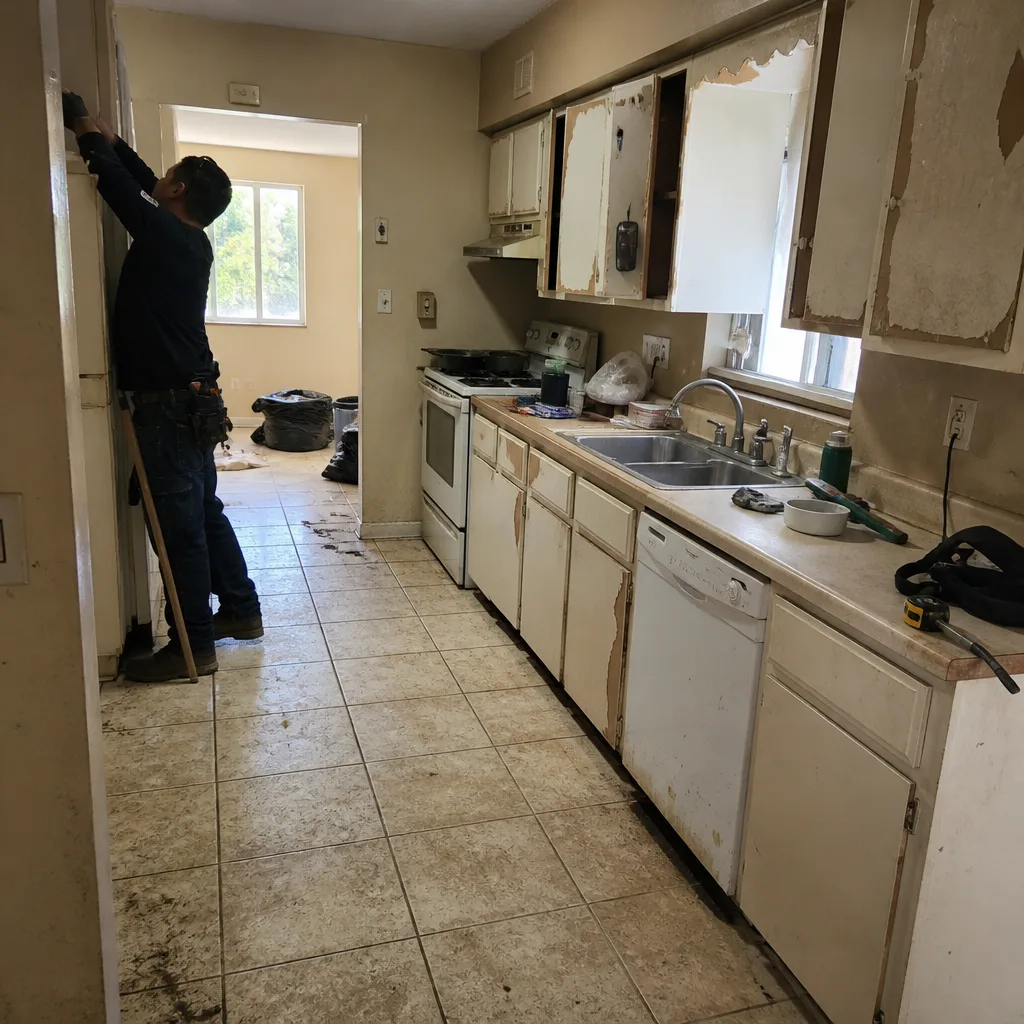
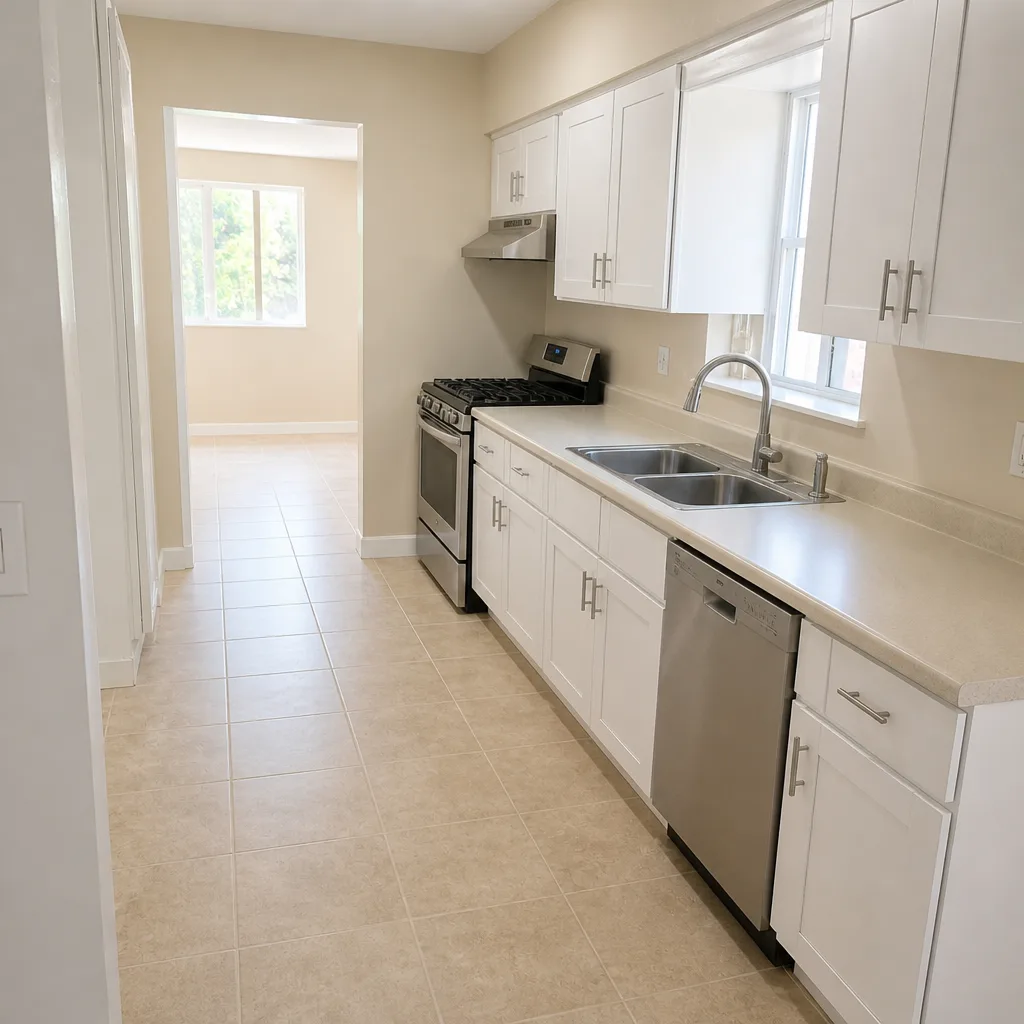
See the difference
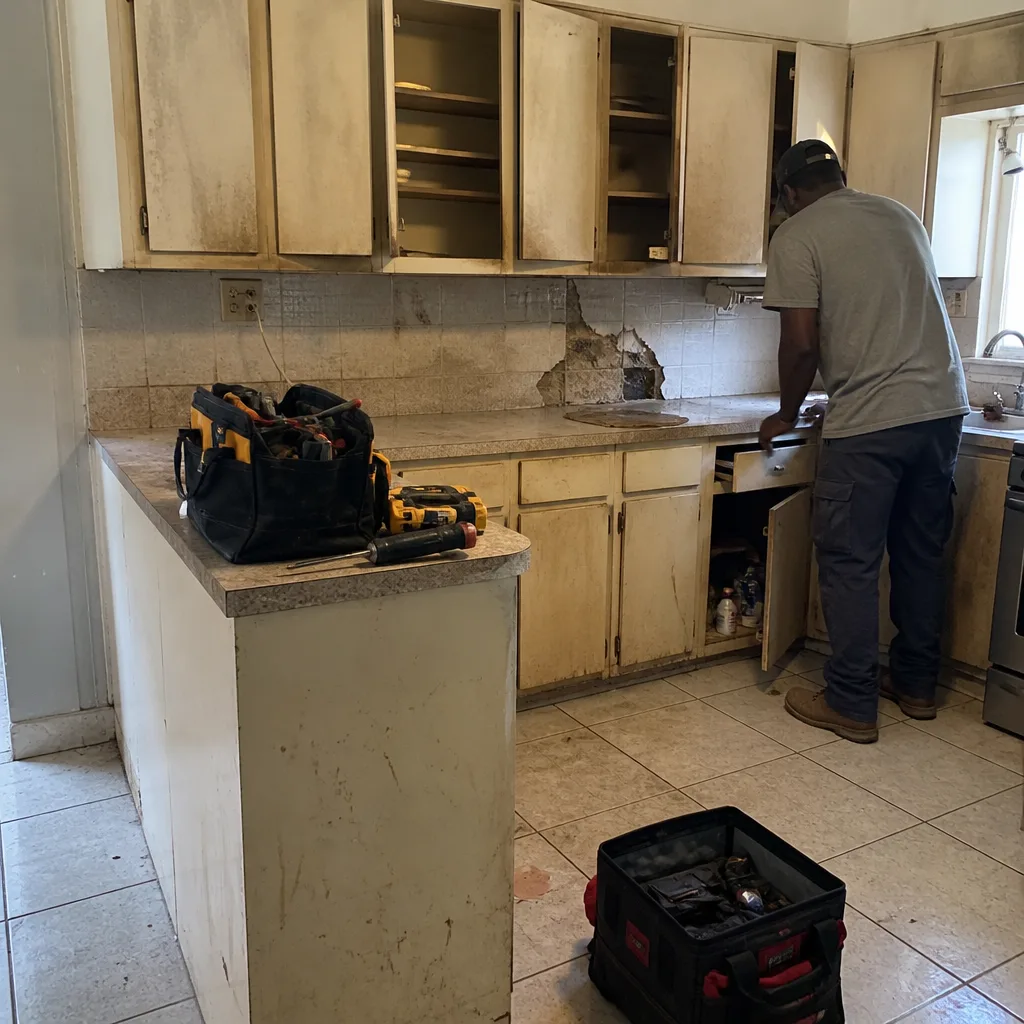 Before
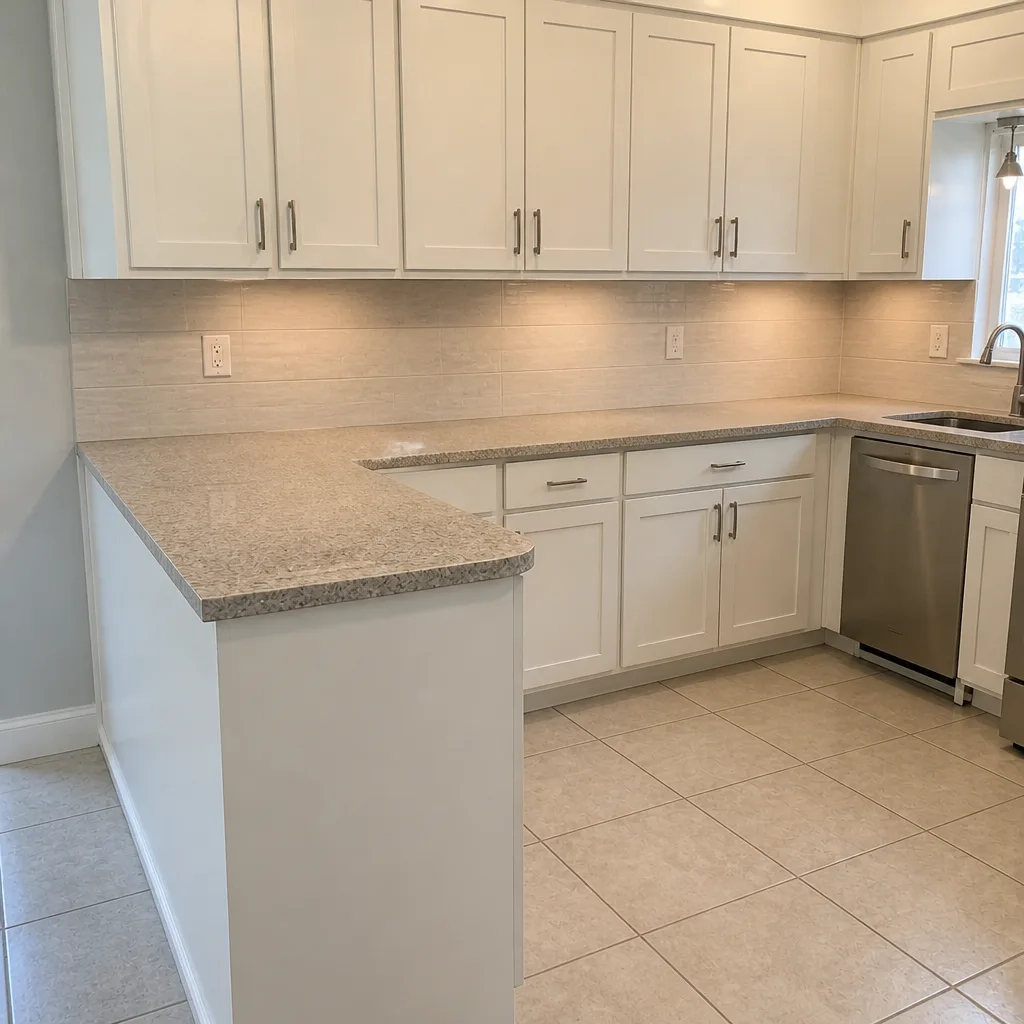 After
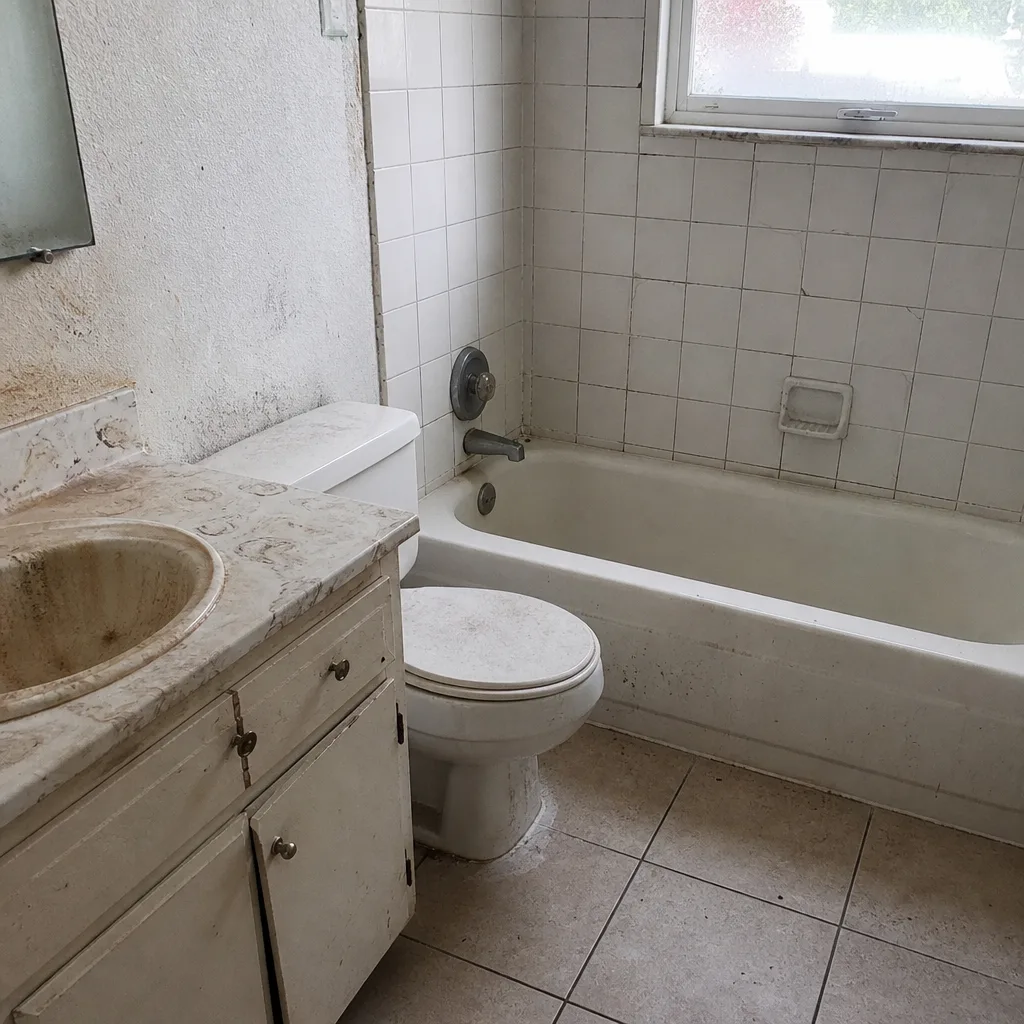 Before
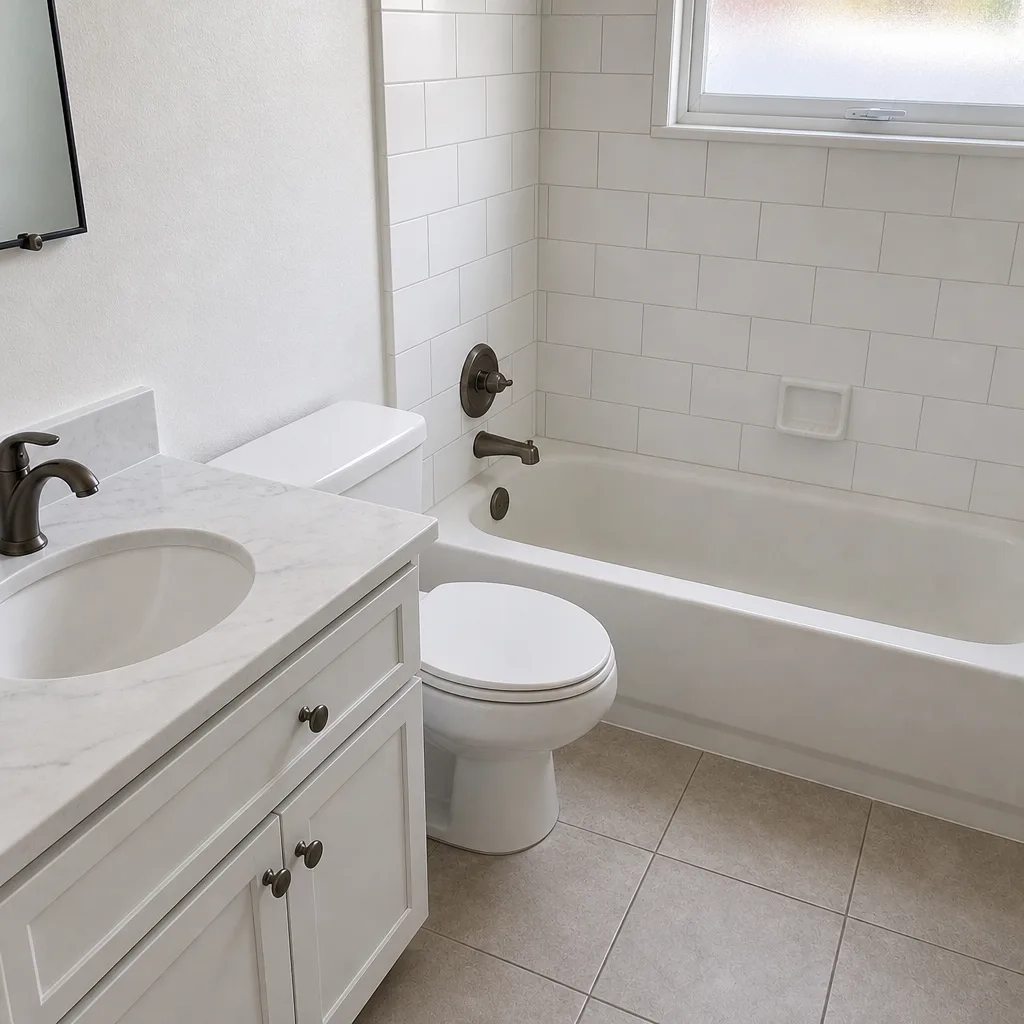 After
 Before
 After
When to Call a Professional
A homeowner with a good ladder, a moisture meter, and weekend hours can handle most of this guide. Call a professional when any of these come up: a post has shifted more than half an inch, a gate hinge has failed at the wood (not just the screw), the fence line has more than two leaning panels, or you’re filing an insurance claim and need damage documentation written to insurer specs. Also call us if the fence is over 15 years old and hasn’t had a fastener inspection. Aged fences manifest hidden failures that a homeowner can’t safely diagnose from ground level.
Groundwork Construction Co. of Kendale Lakes offers free estimates in Kendale Lakes. Call (844) 834-8961 to schedule your inspection. Every project is covered by our 730-Day Done Right Promise: if it’s not done right, we make it right. That’s one of the longest workmanship guarantees in the residential construction space.
Frequently Asked Questions
Every 18 to 24 months for a full coat, and every 12 to 18 months on horizontal surfaces. The exact cadence depends on sun exposure and whether the fence faces east or west (west-facing panels need resealing about 6 months sooner than north-facing ones).
Yes, but only under 1,200 to 1,500 PSI and never held in one spot. Pressure washing at higher PSI opens the grain and speeds moisture penetration. A garden hose, soft brush, and oxygen-bleach cleaner does a better job and doesn’t compromise the sealant base.
Wide shots with the street visible, close-ups of every damaged panel, and a narrated video walkthrough. Timestamp everything. Document within 72 hours of the storm, before you touch any damage. Most Florida carriers require this for fences because storm-surge and wind claims have higher fraud rates without a good photo timeline.
Almost. It needs an annual hardware check, a rinse two to three times a year, and touch-up paint on scratches. No sealant, no repainting, no rust treatment. Sales pitches for “annual protective coating” on powder-coated aluminum are unnecessary.
When more than 30% of the posts need replacement, when the fence has more than 3 failed panels in a 50-foot run, or when the fence is over 15 years old and you’re facing a full reseal plus fastener replacement plus post repair. At that point new installation costs less than a full cycle of maintenance on a failing fence. Most wood fences in Kendale Lakes land in the replace-to-repair crossover between year 14 and year 18.
Yes, if it’s properly installed and properly maintained. The failures we see after storms are almost never “the wind was too strong.” They’re loose posts, failed fasteners, and gates that racked themselves apart. A well-maintained fence built to current Florida Building Code wind ratings passes through most hurricanes with cosmetic damage only. If you’re planning a new fence, our Home Additions & ADU in Kendale Lakes team can also walk through any accessory structures on your property that share wind-load requirements.
The Bottom Line
A South Florida fence doesn’t ask for much. Two walkthroughs a year, a sealant coat every 18 to 24 months, a full fastener inspection every 36 months, and a June pre-hurricane check specifically. The homeowners who follow that schedule get 18 to 22 years out of a quality wood fence in Kendale Lakes; the ones who don’t get 10 to 12. The difference is mostly fasteners and sealant timing, not luck. Save this guide, print the annual schedule, and call us when a failure is past a screwdriver fix.
Ready to schedule your annual inspection, a reseal, or a full replacement? Call Groundwork Construction Co. of Kendale Lakes at (844) 834-8961 for a free estimate. Every quote is itemized, every project is backed by our 730-Day Done Right Promise, and every call is answered by a live person, 24/7. We also offer 0% financing for 18 months and $1,000 off projects over $10,000 so you can handle maintenance and upgrades without stretching the budget. From foundation to finish line, we’re on it.
Written by the team at Groundwork Construction Co. of Kendale Lakes.