Last updated November 17, 2026


Free written scope consultation - allowances, timeline, and change-order rules on paper before a single trade is scheduled
Windows & Doors Troubleshooting: Common Problems and How to Fix Them
A door that sticks in summer and gaps in winter isn’t a hardware problem. It’s a frame expansion issue, and tightening the hinges will make it worse. In our experience across Kendale Lakes, most window and door failures follow the same handful of predictable paths: heat expansion, salt air corrosion, and humidity cycling. They don’t strike at random. That’s good news, because a predictable failure is a diagnosable one. This guide gives you a symptom-to-cause framework so you can walk into a contractor conversation knowing exactly what’s wrong, what it should cost, and whether you’re looking at a weekend fix or a replacement.
Quick Answer
Most window and door problems in South Florida trace to one of three causes: thermal expansion of frames (sticking, gapping), seal failure in insulated glass (fogging between panes), or moisture and salt corrosion of hardware and aluminum (rust, pitting, leaks). Fixing them ranges from a $25 weatherstripping swap to a full window replacement, and the diagnosis you do yourself determines which bill you get. Impact windows that fog between panes are not dirty, they’re sealed units that have failed and need replacement glass or a new unit.
Styles & brands we work with
- Kitchen remodeling
- Bathroom remodeling
- Home additions & ADU
- Roofing
- Windows & doors
- Driveway & pavers
- Fence
Table of Contents
- The Symptom-to-Cause Matrix
- Why Impact Windows Fog Between Panes
- How Salt Air Corrosion Kills Aluminum Frames
- Door Alignment Checks You Can Do Yourself
- Weatherstripping vs. Frame vs. Slab: Three Different Bills
- Drafts and Water Intrusion: Reading the Signs
- Repair or Replace? The Decision Framework
- Common Mistakes to Avoid
The Symptom-to-Cause Matrix: What Each Problem Actually Means
Before you call anyone, write down what you’re seeing. Symptoms are data. A window that’s hard to close tells a different story than one that leaks during a hard rain, and the two carry very different repair costs. Here’s the matrix we use in Kendale Lakes when a homeowner describes a problem over the phone:
- Sticking in summer, loose in winter: Frame or slab expansion and contraction. The frame swells in heat and the wood or vinyl moves against the door slab. Tightening hinges makes it worse, not better.
- Rattling in wind: Failed weatherstripping, worn rollers on a sliding door, or loose glazing. Rarely structural.
- Fogging between the panes: Sealed unit failure. The argon has escaped and moisture has entered the airspace. Not cleanable.
- Drafts at the edges: Weatherstripping failure, or the frame has moved and no longer seals against the slab.
- Water intrusion at the sill or header: Failed sealant, blocked weep holes, a flashing defect, or frame rot under the trim. The most urgent of the bunch.
- White powdery residue on metal frames: Aluminum oxidation. The early stage of salt corrosion.
- Rust streaks on hardware: Salt-laden air attacking low-grade steel screws, hinges and handles.
In Kendale Lakes, we regularly see the fogging and corrosion symptoms clustered on west and south elevations, where the afternoon sun and prevailing salt air do the most work. If your problem window faces that direction, you’ve got your first clue.
Why Impact Windows Fog Between Panes (And How Long You Have to Fix It)
A fogged impact window is a failed insulated glass unit. Every impact window is built as two or three panes of glass bonded to a spacer bar and sealed, with argon or another gas filling the airspace between. That seal does a specific job: it keeps moisture out and it holds the insulating gas in. When the seal breaks, moisture enters and condenses on the inner faces of the glass. You can scrub the outside for an hour and nothing changes, because the problem is inside a sealed cavity you can’t reach.
What causes the seal to fail in Kendale Lakes specifically:
- Thermal cycling. The glass and the spacer bar expand at different rates in the Florida sun. After thousands of daily heat cycles, the sealant between them gives up.
- Wind-driven pressure. Hurricane-rated windows are built to flex, but repeated pressure loading from storm cycles stresses the edge seal.
- Installation stress. A window that was racked or twisted during installation has a seal that’s been stretched from day one. It fails faster.
On timing, the honest answer is this: a fogged impact unit isn’t a safety emergency right away, but it’s degrading. The seal failure means the impact rating and the insulating rating are both compromised. In our experience, the practical fix is to replace the affected glass unit rather than the whole window, provided the frame and hardware are sound. If you’re staring at fogging on multiple windows in the same room, that usually points to a batch of units installed at the same time, all aging on the same schedule. When we specify replacement windows in Kendale Lakes, we lean on brands like Andersen and Marvin precisely because their sealed units hold up to the local heat load better than the builder-grade options. Budget for the glass unit, and get a line-item quote so you know what’s glass and what’s labor.
How Salt Air Corrosion Kills Aluminum Frames (And When It’s Too Late)
Salt air doesn’t just make metal look tired. It actively eats aluminum. The mechanism is a two-step process. First, the protective oxide layer on the aluminum gets attacked by chloride from the salt air. Then, once that layer is compromised, the raw metal underneath begins to pit and oxidize. In Kendale Lakes, even a few miles from the coast, wind carries enough salt to start the process, and it accelerates in neighborhoods where afternoon sea breezes push air inland.
What the progression looks like:
- Stage one: A chalky white film on the frame surface. Easy to wipe off, comes back. This is early oxidation. Clean and coat the frame and you can slow it.
- Stage two: Pitting begins. You can feel roughness under your finger. Paint or finish starts to blister along the edges. This is where a professional assessment matters, because the frame is losing structural material.
- Stage three: Visible holes or thinning at the corners and sill. The frame is no longer structurally sound. On an impact window, that’s a wind-loading failure waiting to happen.
The repair-versus-replace line sits between stages one and two for most homeowners. If you catch oxidation early, an annual clean and a protective coating extends the frame’s life. Once pitting is visible, you’re managing a decline, not stopping it. The decision point: if the frames are 15-plus years old and showing stage two corrosion, replacement usually wins on cost per year of service. And because impact windows in Florida are a life-safety component, a corroded frame is a code and insurance question, not just an aesthetic one. This is the kind of call a free estimate resolves quickly. If you want the bigger picture on how windows fit into a whole-home plan, our Groundwork Construction Co. of Kendale Lakes home page lays out the full scope.
Door Alignment Checks You Can Do Yourself Before Calling Anyone
Most sticking doors get worse because a homeowner tightens the hinges. Don’t. The sticking is usually caused by the frame moving, and pulling the hinges tighter just adds stress to a door that’s already being pushed out of square. Run these checks first, then call. You’ll be able to tell us exactly what you found.
- The gap test. Close the door and look at the gap between the slab and the frame on all four sides. An even gap means the door is sitting square. A gap that’s wide at the top and tight at the bottom means the frame has racked or the hinges have sagged.
- The dollar-bill test for drafts. Close the door on a dollar bill at several points around the perimeter. If the bill pulls out with no resistance, the weatherstripping isn’t making contact there. That’s a seal problem, not a frame problem.
- The latch alignment check. Look at the strike plate on the frame and the latch on the door. If the latch is hitting the plate above or below the opening, the door has shifted.
- The seasonal test. Does the door stick only in summer or only in winter? If it’s seasonal, it’s expansion. If it sticks year-round, it’s structural or hardware.
- The hinge inspection. Look for rust or loose screws, especially on exterior doors exposed to salt air. A stripped screw hole in a hinge is a repair you can often handle with a longer screw or a wood plug, but on an impact-rated door, have a pro check the assembly.
- The threshold check. Look at the sill or threshold. Is it level? Has it pulled away from the frame? Water damage under the threshold is a common cause of a door that won’t close.
In Kendale Lakes, the seasonal test is almost always decisive. We get a strong dry season and a wet season, and the humidity swing between them is large enough to move wood and vinyl door frames measurably. A door that sticks from June through October and swings free in January is telling you the frame is expanding and contracting. That’s a planing or adjustment job, not a hinge job.
Weatherstripping vs. Frame vs. Slab: Three Different Bills
Before you hire anyone, figure out which of three problems you actually have. They carry very different costs and urgency, and misdiagnosing them is how homeowners end up paying for a frame repair when they needed a $30 weatherstrip.
- Weatherstripping. The flexible seal around the door or window edge. Symptoms: drafts, rattling, water seeping past the edge in heavy rain, a draft you can feel with your hand. Cost range: low. Usually a same-visit fix. This is the most common and cheapest problem.
- Frame. The fixed structure around the opening. Symptoms: a door that sticks or won’t latch, a window that won’t close flush, visible gaps at the top or bottom, water stains on interior trim. Cost range: mid. Frame repairs range from adjusting the opening to planing a slab to resetting or reframing a rotted section, and the price climbs fast if there’s water damage behind the trim.
- Slab (the door itself). The door panel. Symptoms: warping, bowing, cracking, delamination at the bottom edge, a door that’s still out of square after frame adjustment. Cost range: mid to high. A warped slab usually needs replacement, and on an impact-rated exterior door, replacement means a specific, code-compliant product.
The urgency ordering is straightforward: water intrusion beats drafts, drafts beat rattles, and a door that won’t latch is a security problem you fix this week. Aesthetic concerns wait. When you call for an estimate, name the category you think you’re in. It speeds up the visit, and it helps us bring the right parts the first time.
Drafts and Water Intrusion: Reading the Signs Before They Cost You
A draft and a leak are the same failure in two different weather conditions. A gap that lets air in during a dry cold front lets water in during a summer downpour. The trick is to find the gap before the water does. Here’s what a water stain on interior trim is telling you: water is getting past the exterior seal, running down inside the wall cavity, and finding a way out. The stain is the exit point, not the entry point. The actual leak is usually at the sill, the header, or a corner joint.
What to check on an exterior door or window in Kendale Lakes:
- Caulk lines along the exterior trim. Look for cracking, peeling, or gaps. In our sun and rain cycle, caulk needs refreshing more often than most homeowners expect.
- The sill. Is it sloped away from the house? Is there standing water after a storm? A sill that holds water is a rot factory.
- Weep holes on the window frame. These are the small slots at the bottom of the frame that let water drain out. If they’re painted over or clogged, water backs up into the frame.
- Flashing above the window or door. The metal that sheds water off the top. If it’s lifting or missing, the header will eventually rot.
- Interior paint bubbling or wallpaper peeling near the opening. That’s moisture trapped in the wall.
If you find water stains on interior trim around a window, don’t just paint over them. The stain will come back, and the rot underneath gets worse each season. If you’re planning a larger exterior project and want the full picture, our Fence Installation in Kendale Lakes page covers how exterior work ties together, since storm-season exposure affects more than just windows.
Repair or Replace? A Decision Framework for Windows and Doors
This is the question that eats at homeowners. The honest answer depends on age, damage type, and whether the failure is isolated or systemic. Use this framework to think it through.
- Is the failure isolated? One failing window out of twelve, with the rest sound? Repair the one. If five of twelve are fogged or corroded, that’s a batch failure and replacement is likely the better economics.
- How old is the unit? Most impact windows are designed to last 20 to 30 years before the seal fails. If yours are past that and showing multiple failure signs, replacement makes more sense than a series of repairs.
- Is the frame sound? A failed glass unit in a sound frame is a glass-only repair. A corroded or rotted frame means the whole assembly has to go.
- Is the door warped or is the frame off? A frame that’s out of square can usually be adjusted. A slab that’s warped or delaminated is a replacement.
- What’s the code and insurance situation? Impact-rated openings in Florida come with rating requirements. If you’re replacing an impact window, the replacement has to meet the same or better standard. Don’t let a cheap replacement drop you below code.
In our experience, the homes in Kendale Lakes built or updated during the last major impact-window push are now hitting the age where seal failure and aluminum corrosion show up together. When that happens, we recommend pricing a replacement window package against the accumulated repair bills. It often comes out closer than homeowners expect. For a broader whole-home view, our Home Additions & ADU in Kendale Lakes page explains how window and door choices factor into larger projects.
Common Mistakes to Avoid
- Tightening the hinges on a sticking door. This is the single most common mistake we see. If the frame has moved, tightening the hinges adds stress and can crack the frame or strip the screw holes. Diagnose the cause first.
- Cleaning a fogged window. The moisture is inside a sealed cavity. No cleaner, no squeegee, no home remedy reaches it. You’re wasting time on a seal failure that needs a glass unit replacement.
- Painting over water stains. The stain is a symptom. The leak is behind it. Painting it hides the evidence while the rot underneath keeps spreading through the wall cavity.
- Buying a generic replacement window for an impact-rated opening. In Florida, the replacement has to meet the impact rating. A cheap standard window in an impact opening drops your wind-load compliance and can affect insurance. Verify the rating before you buy.
- Sealing weep holes to stop a draft. Those slots are there to drain water. Seal them and water backs up into the frame, causing rot. Fix the draft with weatherstripping, not by plugging the drainage.
- Ignoring salt corrosion until the frame pits. Once the aluminum pits, the fix escalates from cleanup to replacement. A yearly clean and coating on salt-exposed frames in Kendale Lakes buys years.
- Skipping the permit on a door or window replacement that requires one. Some replacements in Florida require permitting for code and impact compliance. Skipping it can come back to bite you at resale or insurance inspection. A contractor with a proper process handles this for you.
See the difference
 Before
 After
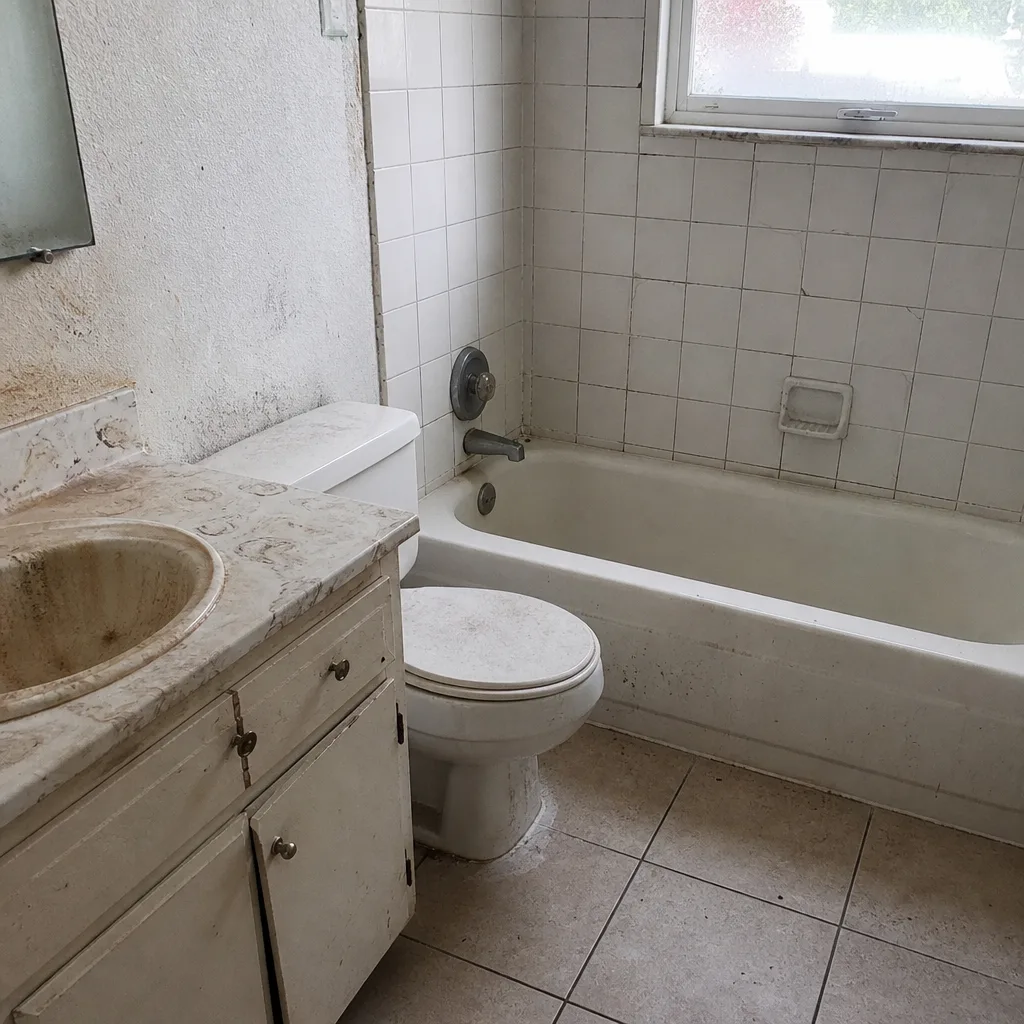 Before
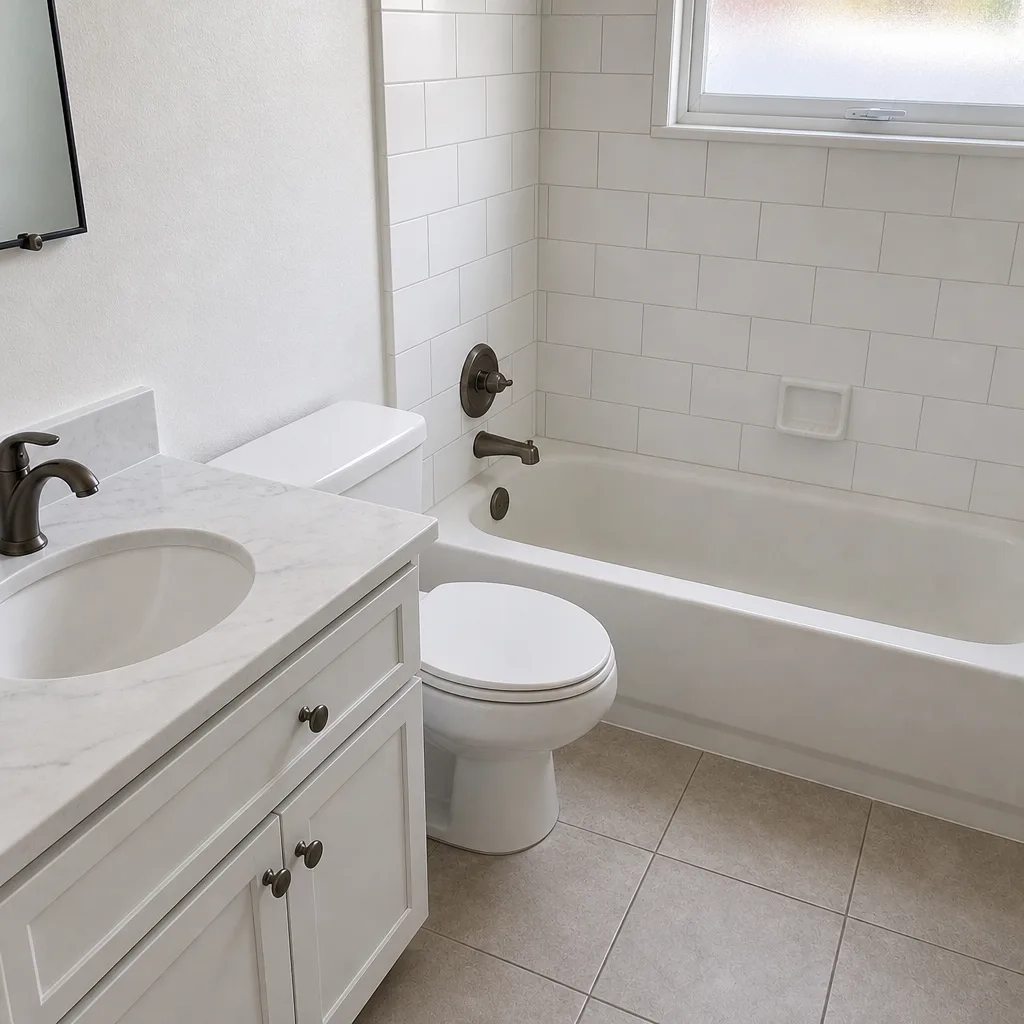 After
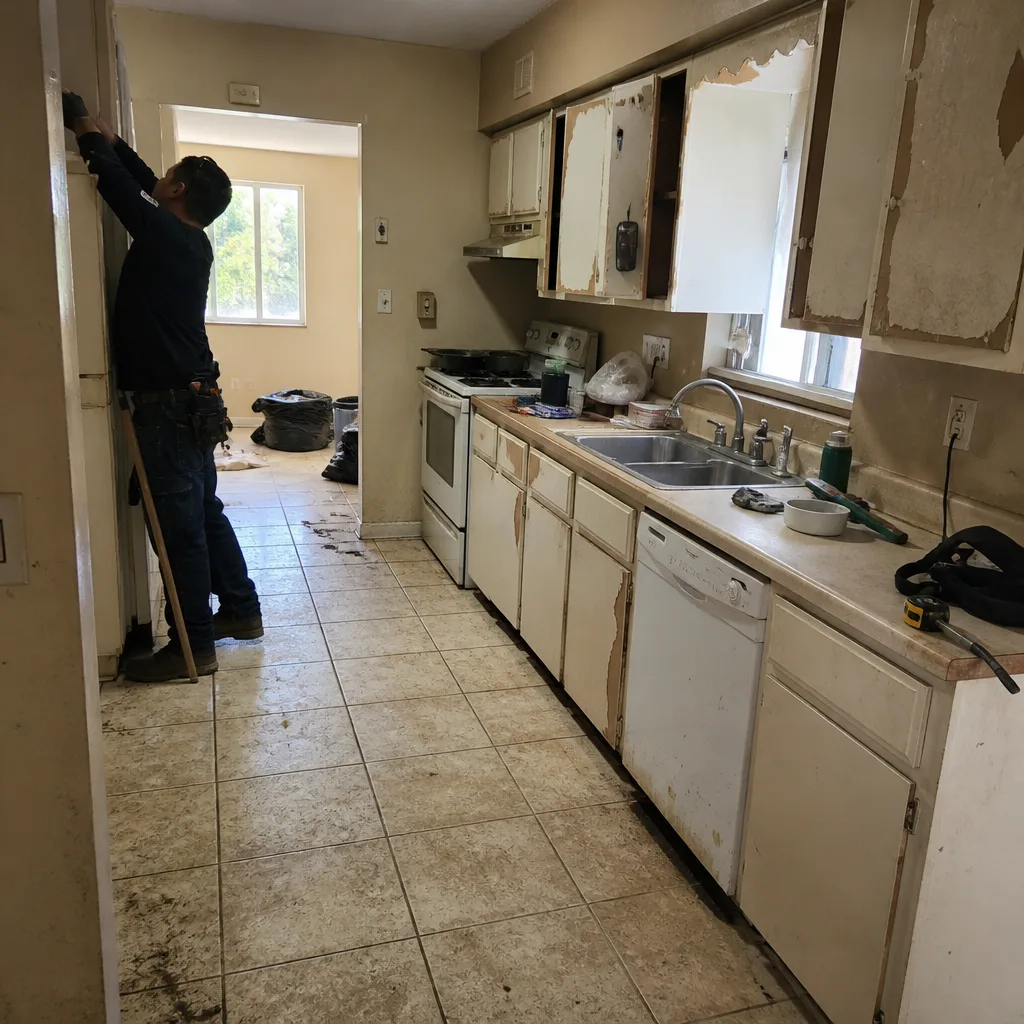 Before
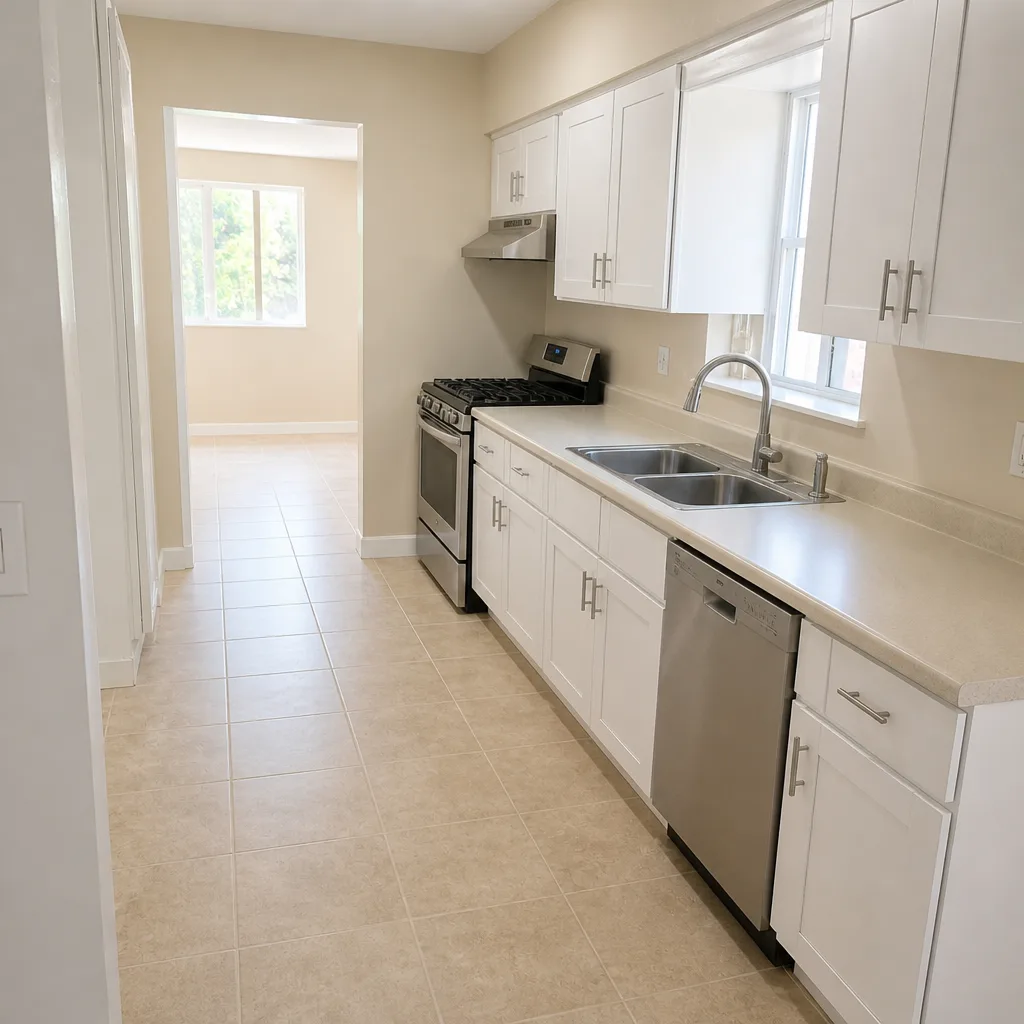 After
When to Call a Professional
Call for help when you see any of these: water staining on interior trim around a window or door, a fogged impact window, white powdery residue or pitting on aluminum frames, a door that won’t latch or lock, a draft you can feel around an exterior opening, or a window that won’t close flush. These are signs of a failure that gets more expensive the longer it’s ignored, and none of them are safe to leave through a rainy season. Repairs to a high-tension or impact-rated assembly also carry a real physical risk if you’re not trained to handle the hardware. Groundwork Construction Co. of Kendale Lakes offers free estimates in Kendale Lakes with no-hassle upfront pricing, so you know the number before any work starts. Call (844) 834-8961 to schedule yours. Our technicians have up to 12 years of experience, and every job is backed by our 730-Day Done Right Promise: if it’s not done right, we make it right.
Frequently Asked Questions
The window’s sealed glass unit has failed and moisture has entered the airspace between the panes. This is not a cleaning issue and cannot be fixed by cleaning the glass. The practical fix is to replace the affected glass unit, or the whole window if the frame is also compromised. Call (844) 834-8961 for a free estimate; we’ll tell you whether it’s a glass-only repair or a full replacement.
That’s a frame expansion issue, not a hardware problem. The high heat and humidity of summer cause wood and vinyl door frames to expand, and the door binds against the frame. Tightening the hinges makes it worse. The fix is usually to plane or adjust the slab or the frame, and a professional can diagnose which in a single visit.
Costs depend on whether it’s a glass-only replacement or a full window replacement, and whether the unit is impact-rated standard or a non-standard size. The safe move is a written line-item quote, not a number over the phone. Groundwork Construction Co. of Kendale Lakes offers free estimates and no-hassle upfront pricing, so you’ll know the exact figure before we start.
Use the dollar-bill test and the gap test. If a bill pulls out easily around the perimeter, the weatherstripping is failing and the frame is probably sound. If the gap between the slab and frame is uneven from top to bottom, or the door sticks seasonally, the frame has moved. Weatherstripping is a low-cost fix; frame adjustment costs more.
White powdery residue is early aluminum oxidation from salt air exposure. Catch it at this stage and an annual clean plus a protective coating slows it down. Once the metal pits and holes appear, the frame is no longer structurally sound and replacement is the practical answer, especially on impact windows.
Yes. Windows & Doors is one of our core service lines, using curated brand partners like Andersen and Marvin. Every project is covered by the 730-Day Done Right Promise, and calls are answered by a live person 24/7. For exterior projects that tie in with window and door work, see our Driveway & Pavers in Kendale Lakes page.
The Bottom Line
Window and door problems in Kendale Lakes aren’t random. They follow patterns set by heat, humidity, and salt air, and those patterns are diagnosable. A sticking door is usually frame expansion, not a hinge. A fogged window is a seal failure, not dirt. White powder on aluminum is the first stage of corrosion, and caught early it’s manageable. The key is to identify which category you’re in before you call: weatherstripping, frame, or slab, each with a different cost and urgency. A little self-diagnosis protects your budget and gets you a faster, more accurate estimate. When you’re ready, we’re here to help. Reach Groundwork Construction Co. of Kendale Lakes at (844) 834-8961 for a free estimate and design consult. We answer live, 24/7, and every job is backed in writing by our 730-Day Done Right Promise.
Written by the team at Groundwork Construction Co. of Kendale Lakes.