Last updated November 17, 2026



Free written scope consultation - allowances, timeline, and change-order rules on paper before a single trade is scheduled
Windows & Doors Warning Signs Every Homeowner Should Know
A window that whistles during a thunderstorm isn’t just noisy. It means air is moving past your seal, and if air can get through, water can follow under the right pressure. In South Florida, that’s not a small thing. We’ve walked into Kendale Lakes homes after a named storm and found water stains tracing back to a window frame that had been “a little drafty” for two seasons. This guide covers the five physical signs that your window or door seal has already failed, how to tell window water damage from roof or wall intrusion, why a door that won’t latch points at something bigger, and exactly what to inspect after a storm before you call your insurer.
Quick Answer
Windows and doors warn you long before they fail: whistling or drafty frames mean the seal is compromised, fogging between glass panes means the hermetic unit has broken, and doors that stop latching usually signal shifting framing or foundation movement rather than a bad hinge. In Kendale Lakes, where hurricane season runs June through November, those signs are a deadline, not a nuisance. Address them before June, not after the first named storm.
Styles & brands we work with
- Kitchen remodeling
- Bathroom remodeling
- Home additions & ADU
- Roofing
- Windows & doors
- Driveway & pavers
- Fence
Table of Contents
- The Five Signs Your Impact Window Seal Has Failed
- Water Intrusion: Window vs. Roof vs. Wall
- Why Doors That Won’t Latch Point to Foundation Movement
- Aluminum Frame Corrosion: The 12-to-18-Month Window
- What to Inspect After a Named Storm (Before You File)
- Why Kendale Lakes Homes Face Specific Pressure
- Repair or Replace? A Practical Decision Guide
- Common Mistakes to Avoid
The Five Signs Your Impact Window Seal Has Failed
Impact windows are built to take a hit. What fails first isn’t the glass, it’s the seal around it and the hermetic unit inside it. Water and air are patient. They’ll find the seam. These are the five signals we look for on every inspection in Kendale Lakes, in the order they tend to appear.
- Whistling or draft at the frame. Run your hand around the interior edge of the window on a windy day. If you feel air moving, the weatherstripping, sealant, or frame gasket has broken down. It’s the earliest and easiest-to-miss sign.
- Fogging or condensation between the panes. A sealed insulated glass unit has an inert gas or dry air pocket between panes. When that pocket fills with moisture, the hermetic seal has failed. That window’s insulating value is gone even if the glass is intact.
- Water staining on the interior sill or drywall beneath the frame. Look under the sill, not just on it. Brown rings, bubbling paint, or soft drywall beneath a window are water that traveled down the frame and into the wall cavity.
- Difficulty operating the sash or latch. A window that suddenly sticks, or a lock that won’t catch, often means the frame has shifted or swelled. Aluminum doesn’t swell, but wood and vinyl frames absorb moisture.
- Cracks or separation at the caulk line and perimeter seal. Post-storm, run a fingernail along the caulk where the frame meets the wall. If it peels or you see daylight, water is getting behind the perimeter.
We’ve seen all five in the same window on a single home near the Kendale Lakes Golf Club. That’s what a neglected seal looks like after three wet seasons.
Water Intrusion: Window vs. Roof vs. Wall
Water stains look alike. The fix is completely different depending on the source. Misdiagnose the problem and you’ll spend money on the wrong repair. Here’s how to read the pattern.
- Window intrusion: staining originates at or below the window frame, often on the interior sill or the drywall directly beneath it. It’s usually localized to one wall, and it gets worse during wind-driven rain, not just steady rain.
- Roof intrusion: staining appears on the ceiling or top of the wall, often in a vertical line down from an attic or ceiling line. It’s tied to roof valleys, penetrations, and flashing, not the walls themselves.
- Wall or stucco intrusion: moisture shows up broadly across a wall, often with efflorescence (a white chalky residue) or paint blistering spread over a wide area. It’s rarely traced to one window or door.
The diagnostic tell: if the stain grows during a horizontally driven rain (which is what a tropical system delivers), suspect the window. If it grows during a slow steady rain, suspect the roof. In our experience, homeowners in Kendale Lakes misread window intrusion as a roof leak more often than any other error, because the stain travels down the same stud cavity and shows up closer to the ceiling than they’d expect.
Why Doors That Won’t Latch Point to Foundation Movement
When a door suddenly won’t latch, most people blame the hardware. They tighten the strike plate. They call a handyman to adjust the hinge. That’s treating the symptom. In our experience, a door that has worked fine for years and now catches, drags, or won’t line up with the strike is telling you the door frame has moved relative to the latch. That usually means something under the house has moved too.
Doors are square in a square frame. Any change in the frame geometry (settling, expansion, a slow leak in the slab, shifting soil beneath the foundation) will tilt the door just enough to stop the latch from engaging. Three quick checks:
- Test every door in the house, not just the one giving trouble. If two or more doors in the same area have started to stick or stop latching, it’s a structural pattern, not a hardware problem.
- Look at the gap between the door and frame. Uneven gaps (wider at the top than the bottom, or vice versa) are a sign the frame is no longer plumb.
- Inspect the exterior near the door. Cracks in the stucco, a step that’s separated from the slab, or a door that only sticks after rain all point to moisture-related movement.
Kendale Lakes sits on soil that moves with the water table. In our experience, doors that stick in the dry season and free up in the wet season are tracking that movement. That pattern is worth a foundation assessment before you spend money on new hardware.
Aluminum Frame Corrosion: The 12-to-18-Month Window
Aluminum frames are tough. They also corrode in a straight, predictable line when they’re exposed to salt air, moisture, and the small amount of coastal wind that reaches Kendale Lakes. The progression is predictable, and it gives you a clear warning window before the installation itself fails.
Here’s the progression we see:
- Stage 1: White powdery oxidation on the frame and around the fasteners. Easy to wipe off, comes right back. This is the earliest sign.
- Stage 2: Pitting and bubbling along the bottom edge of the frame, usually where water pools. The finish is failing and the aluminum underneath is exposed.
- Stage 3: Fasteners (screws, anchors) show rust streaks. The frame’s structural attachment is compromised.
- Stage 4: The frame-to-wall seal separates, water enters the wall cavity, and the window’s anchored position in the wall is no longer reliable. This is the point of structural failure of the installation, even if the window glass is fine.
The 12-to-18-month figure is real. When we see Stage 2 or Stage 3 corrosion on a Kendale Lakes window, our estimate is that the installation has roughly 12 to 18 months before the seal fails entirely. Storms accelerate that timeline. If a named storm hits in that window, the frame can lift, rack, or separate, and the impact rating is void because the window isn’t properly anchored.
What to Inspect After a Named Storm (Before You File)
After a named storm passes, your insurance claim depends on documentation, not memory. Before you call your agent, walk the house and record what you find. This is the order we recommend, and it’s the order we use ourselves when we visit a home after a storm in Kendale Lakes.
- Walk the exterior first. From outside, look for lifted or missing panels, cracked glass, and gaps between the window frame and the stucco. Photograph each window and door from two angles.
- Come inside and inspect each window from the interior frame. Look at the sill, the drywall beneath, and the corner joints of the frame. Note any new moisture, discoloration, or caulk separation.
- Open and close every window and door. If a window that operated fine a month ago now sticks, drags, or won’t lock, the storm moved it.
- Test the locks and latches. A window latch that won’t fully engage isn’t secure. It needs adjustment or replacement before the next storm, not after.
- Check the doors, especially exterior doors. If they don’t latch or the gap has changed, treat it as structural until proven otherwise.
- Photograph everything and record the date. Timestamped photos are what the adjuster wants. Write down the date and time of each photo and which window or door it shows.
- Get a professional inspection before you file. A trained eye will find intrusion you won’t. In our experience, half the claims we’re brought in on miss damage that’s already started, and half miss damage that isn’t storm-related at all (which matters if the claim gets denied).
Do not patch caulk, paint over a water stain, or replace a latch before the inspection. Covering up the sign can cost you the claim.
Why Kendale Lakes Homes Face Specific Pressure
Kendale Lakes sits in western Miami-Dade County, roughly 15 miles inland from the coast. That distance softens the wind but doesn’t eliminate it. Hurricane Irma in 2017 pushed wind-driven rain across this part of the county hard enough to expose window seals that had been quietly failing for years. That’s the pattern we’ve seen since: homes built in the 1970s through the 1990s with original aluminum-framed windows showing corrosion and seal failure at the same time.
The building code matters here too. Miami-Dade and Broward County enforce some of the strictest wind-borne debris requirements in the country. Windows and doors installed today must meet the Florida Building Code and carry a Miami-Dade Notice of Acceptance (NOA) for the specific product. If your windows were installed before the current code cycle, or if a prior owner swapped a window without the proper NOA, your home may not have the impact protection you think it has. That’s a real issue we find on inspections in Kendale Lakes, and it doesn’t show up until a storm does.
Beyond code, there’s the practical reality of the market. Kendale Lakes has a lot of homes with original windows and doors, and a lot of homeowners considering an upgrade as part of a broader remodel. If you’re planning a Home Additions & ADU in Kendale Lakes, the new addition will need to match the wind rating of the existing structure, and that often drives a window and door decision for the whole house. Same story if you’re reworking the exterior: a new Driveway & Pavers in Kendale Lakes or a fresh Fence Installation in Kendale Lakes changes how water drains away from the walls, and that changes how much pressure your window seals are under.
Repair or Replace? A Practical Decision Guide
Not every warning sign means a full window replacement. Some do, some don’t. This is the decision framework we use with homeowners in Kendale Lakes.
- Repair the seal or caulk if: the only sign is a perimeter caulk crack, the frame is solid, there’s no interior water staining, and the window still locks and operates correctly. This is a maintenance item, not a replacement.
- Replace the glass unit if: the only issue is fogging between the panes, the frame and hardware are in good shape, and the window meets the current wind rating. That’s an insulated glass unit swap, not a full window.
- Replace the window if: you see corrosion at Stage 2 or later, interior water staining, or the frame has lost its anchor. The window may still be impact-rated on paper, but the installation has failed.
- Replace the door if: the alignment issue traces to the door itself (a warped slab or failed frame), not to the surrounding structure. If the surrounding structure has moved, fix that first.
When replacement is the right call, the material brands matter. We install Andersen and Marvin windows and doors on our projects, alongside IKO and Atlas for the roofing that often gets addressed at the same time. Those brand partnerships are part of the reason we can back our work with a 730-Day Done Right Promise. It’s a lot easier to guarantee workmanship when the materials are worth guaranteeing.
Common Mistakes to Avoid
- Treating a whistling window as just noise. Whistling means air is moving through the frame. Air under pressure carries water. That’s the mechanism behind water intrusion that looks like a mystery leak later.
- Painting over water stains before you know the source. Paint hides the evidence. Photograph and inspect first. In our experience, this is the single most common way Kendale Lakes homeowners lose a legitimate insurance claim.
- Replacing a door latch when the frame has moved. Tightening the strike plate masks the symptom for a few months. The structural issue continues to develop, and it’s more expensive to fix by the time you feel the next door stick.
- Ignoring fogging between panes because “the glass isn’t broken.” Fogging means the hermetic seal has failed. The window’s impact rating and insulation are gone even though it looks intact from outside.
- Assuming an old window is still code-compliant. Miami-Dade County’s wind-borne debris requirements are strict. A window installed before the current code cycle, or installed without a Notice of Acceptance, may not be impact-compliant even if it says “impact window” on the glass.
- Waiting until June to inspect. The warning signs are easier to spot, and the repairs are cheaper, in the dry season. Schedule an inspection in the winter, not three weeks before hurricane season.
- Filing a storm claim before getting a professional inspection. Storm-related damage and pre-existing damage get submitted to insurance differently. A professional inspection before filing keeps both accurate and keeps you out of trouble with your carrier.
See the difference
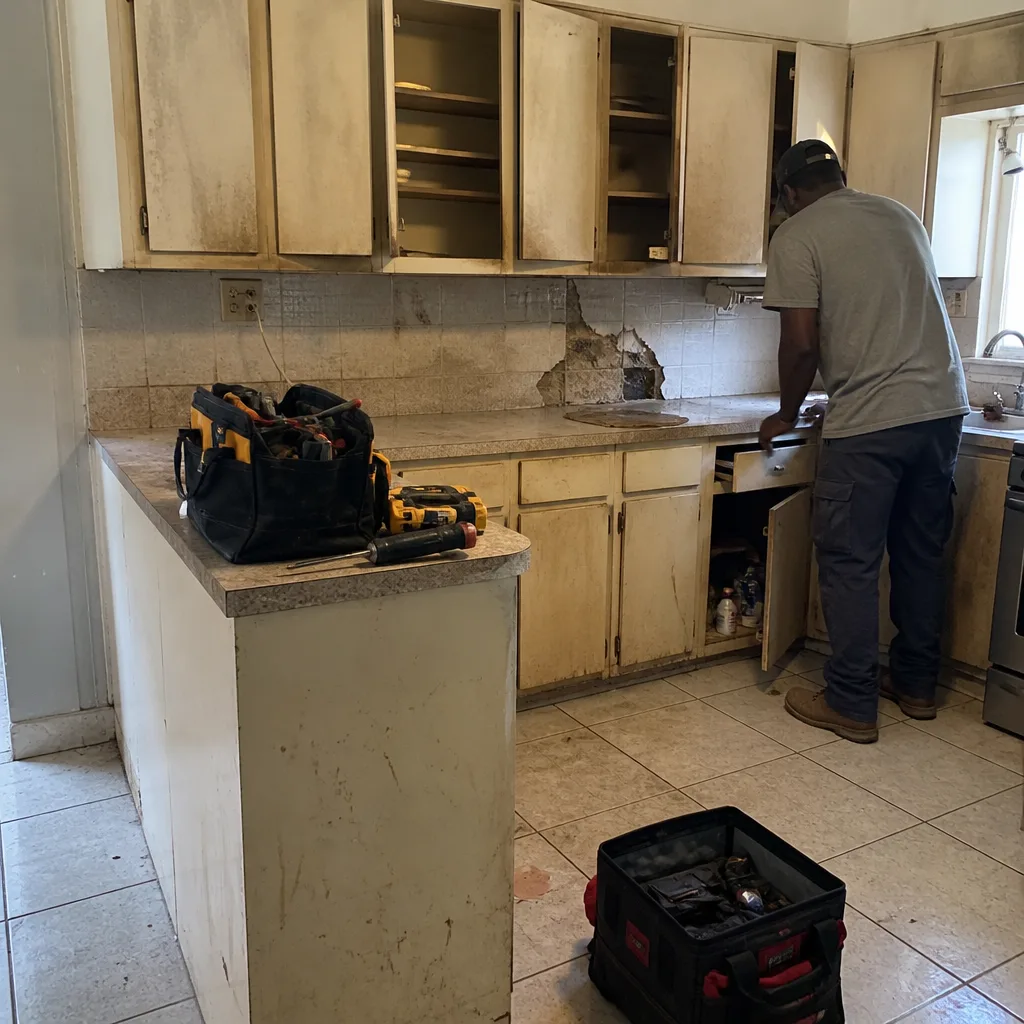 Before
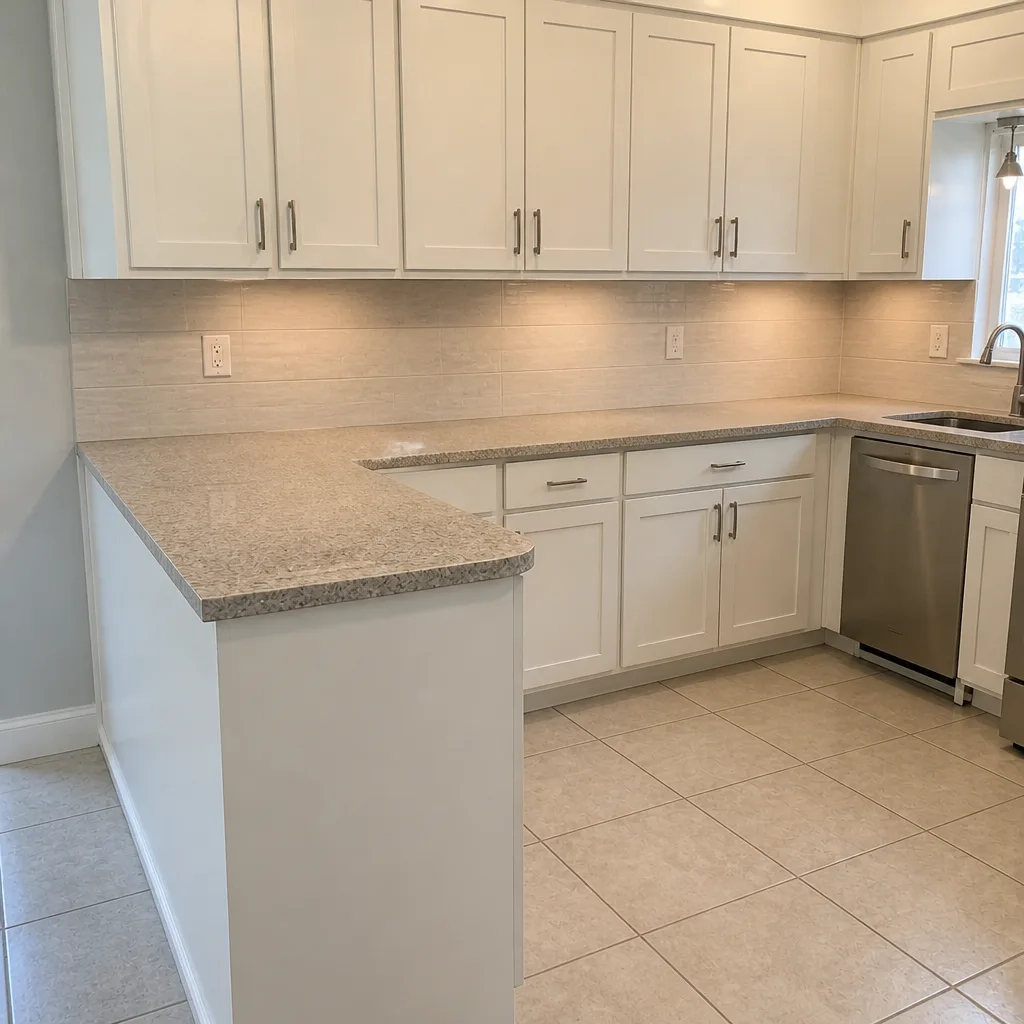 After
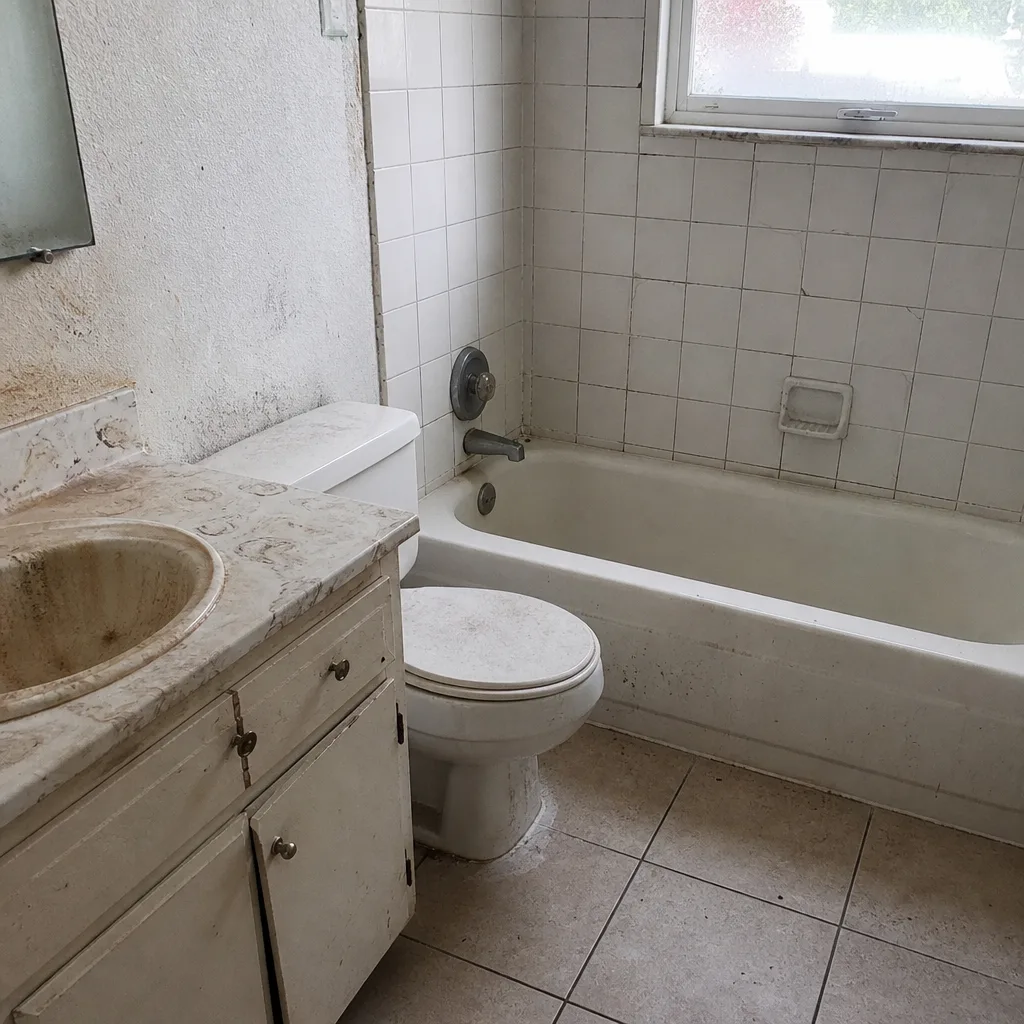 Before
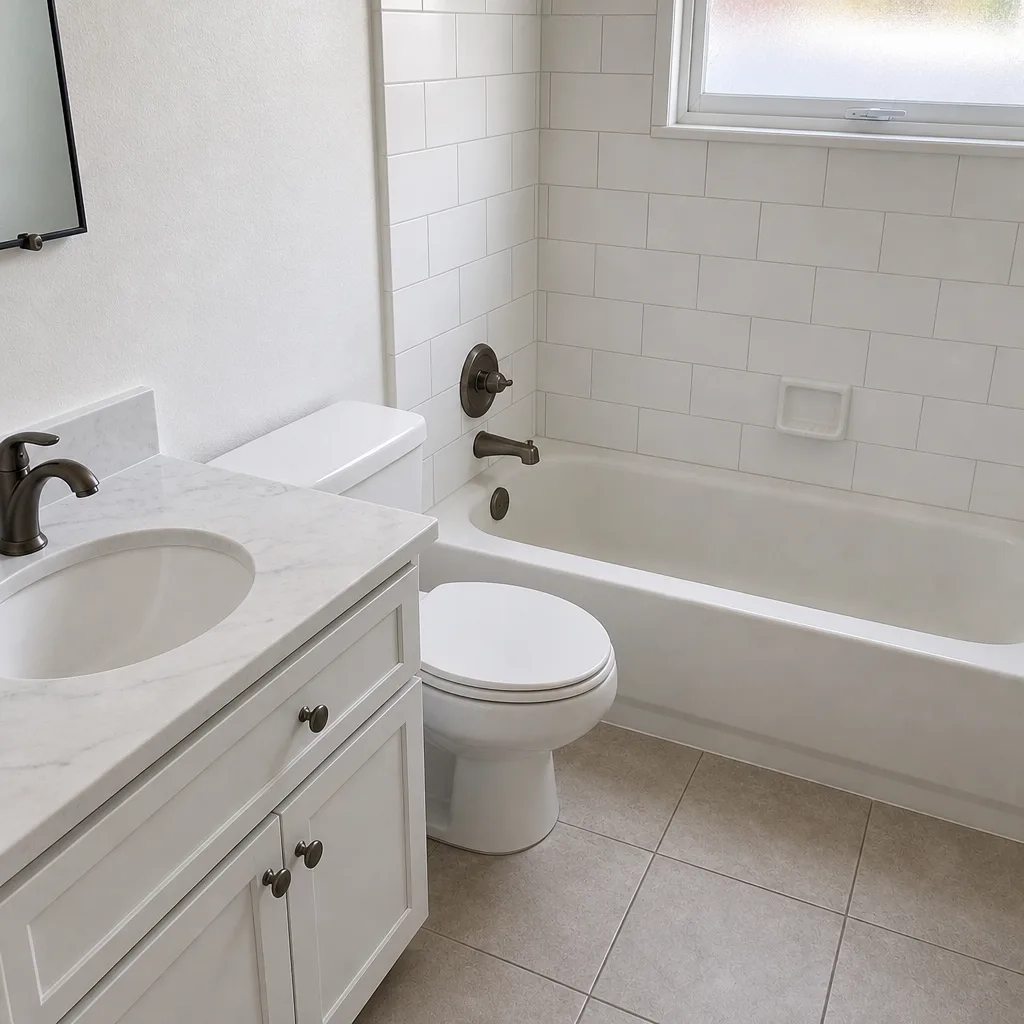 After
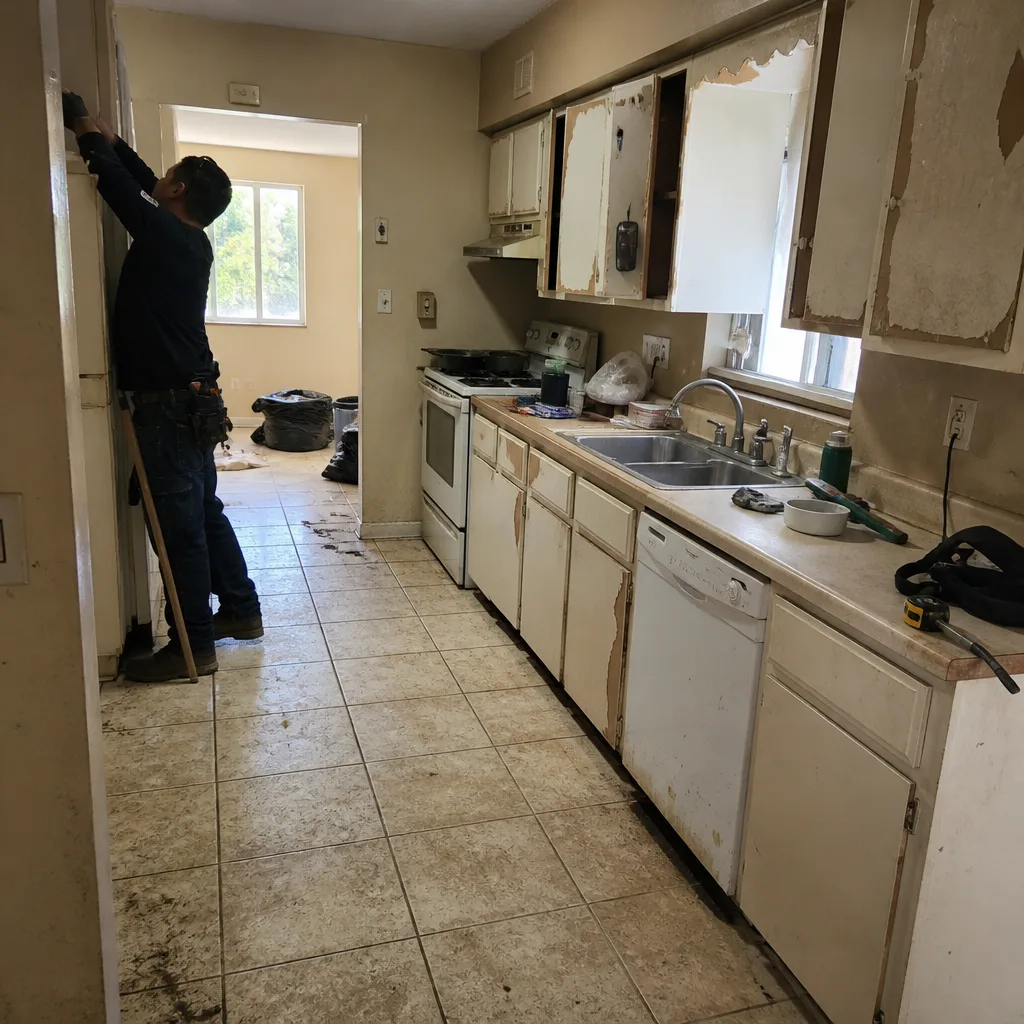 Before
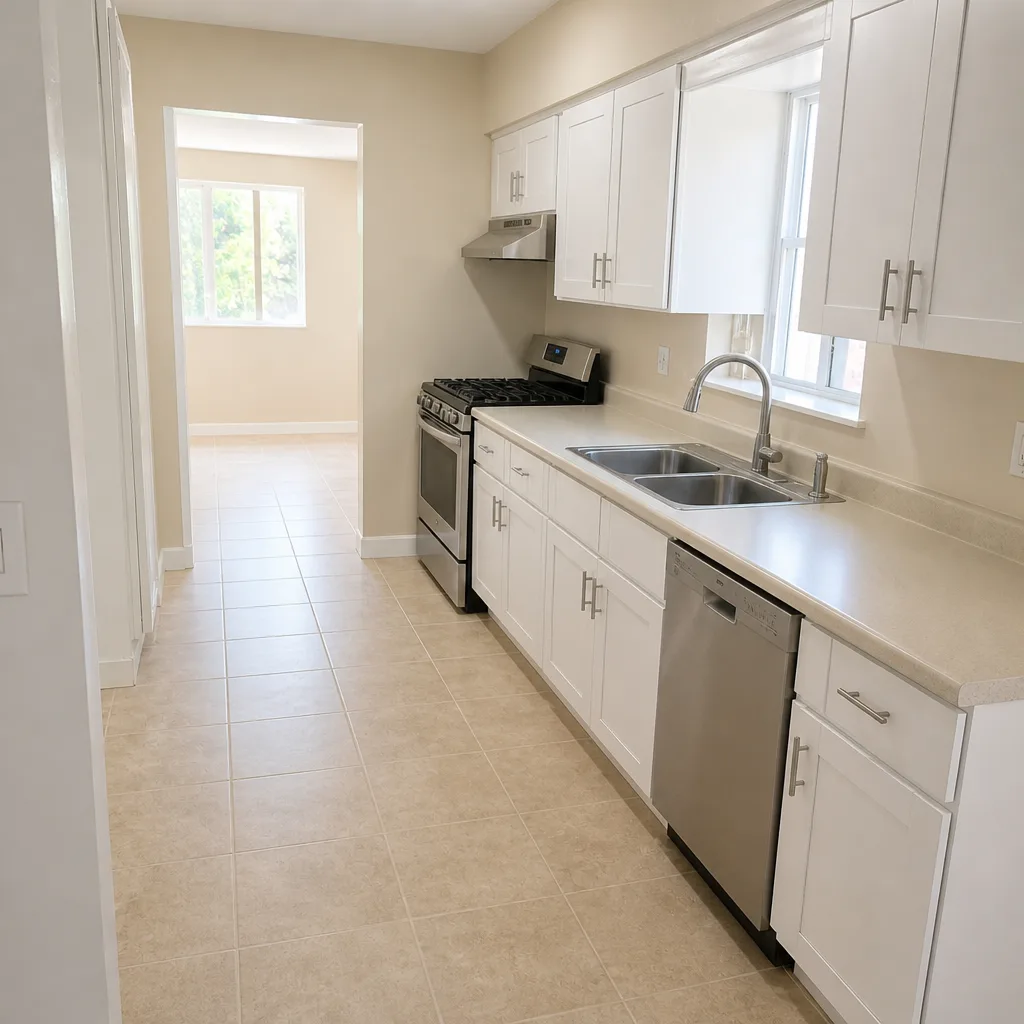 After
When to Call a Professional
Call a professional when you can’t tell whether the water stain on the ceiling is coming from the roof, the wall, or the window above it. Call when two or more doors in the same part of the house have stopped latching in the last six months. Call when you see rust streaks on the fasteners of an aluminum window frame, or when the window won’t lock before a named storm. Call when you’re planning a remodel and need to know whether the existing windows and doors will meet the wind rating the building department requires. And call before you file an insurance claim, so the inspection is documented correctly. Groundwork Construction Co. of Kendale Lakes offers free estimates in Kendale Lakes – call (844) 834-8961 to schedule yours. Our technicians have up to 12 years of experience, and we answer the phone with a live person 24 hours a day, 7 days a week.
Frequently Asked Questions
The earliest sign is a draft or whistle at the frame on a windy day. If you feel air moving past the weatherstripping, the seal has broken down. Later signs include fogging between panes, water staining on the interior sill, and caulk that peels away from the wall. Any one of those means the window is no longer sealed, and in Kendale Lakes, that’s a problem to address before hurricane season. Call (844) 834-8961 for a free inspection – we’ll tell you whether it’s a seal replacement or a full window.
Often yes, but the fix depends on the cause. If the door slab or frame is warped, replacing the door is the answer. If the surrounding structure has moved, adjusting the door won’t solve it. Test every door in the house. If only one door is off, it’s likely the door or hardware. If several doors are sticking or failing to latch, treat it as a foundation or framing issue and get it assessed. Call (844) 834-8961 to schedule an assessment – estimates are free.
Start outside and work in. Look for lifted or missing panels, cracked glass, and gaps between the frame and the stucco. Then check each window from the interior, focusing on the sill and the drywall beneath it. Open and close every window and test every lock. Photograph each window and door from two angles, note the date, and get a professional inspection before you file a claim. Call (844) 834-8961 if you’re not sure what you’re looking at.
When we see early oxidation or pitting on an aluminum frame in Kendale Lakes, our estimate is that the installation has roughly 12 to 18 months before the seal fails and the window’s anchor is compromised. That timeline is shorter if a named storm hits during that window. Get the inspection done early – the difference in cost between a seal repair and a window replacement is significant. Call (844) 834-8961 for a free estimate.
Yes, if your home is in Miami-Dade County, the Florida Building Code requires wind-borne debris protection for new and replacement windows and doors, and that protection must carry a Miami-Dade Notice of Acceptance. If your windows were installed before the current code cycle, or you can’t find the NOA, you may not have compliant protection even if you’ve been told you do. We verify this on every window and door estimate. Call (844) 834-8961 to schedule yours – the estimate is free and there’s no obligation.
Yes, and we’ll tell you in writing. The difference matters: an insulated glass unit swap costs far less than a full window replacement, and it’s the right call when the frame and hardware are in good shape. We provide written, line-item estimates with upfront pricing, so you know exactly what you’re paying for before any work begins. Call (844) 834-8961 to schedule your free estimate and design consultation.
The Bottom Line

The whistle, the fog, the door that won’t latch, the white powdery corrosion on an aluminum frame, the water stain on the interior sill – these are not annoyances. They’re a countdown. In Kendale Lakes, that countdown has a specific deadline, and it’s the start of hurricane season. Inspect your windows and doors in the dry season, photograph what you find, get a professional opinion before you file a claim, and act on the warning signs while the fix is still a repair instead of a replacement. The 730-Day Done Right Promise means if the work isn’t done right, we make it right – and that’s backed in writing.
Ready to find out what your windows and doors actually need? Call Groundwork Construction Co. of Kendale Lakes at (844) 834-8961 for a free estimate and design consultation. We answer with a live person 24 hours a day, 7 days a week, and we’ll give you an upfront price with no surprises. If your project qualifies, you can also take advantage of $1,000 off projects over $10,000 and 0% financing for 18 months. Start at our Groundwork Construction Co. of Kendale Lakes home page to see the full scope of what we do – from foundation to finish line.
Written by the team at Groundwork Construction Co. of Kendale Lakes.